
News
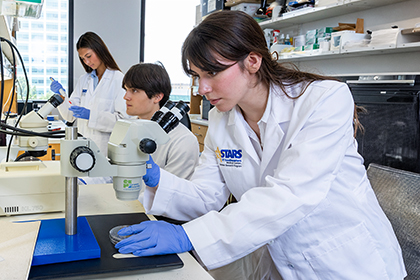

UTSW Research: Heart failure, diet’s impact on aging, and MS drugs
Research published in Science Advances found that specific blood proteins may help explain how social and economic disadvantages increase the risk of heart failure.

UTSW spinoff receives $2.6 million CPRIT grant to develop novel cancer immunotherapy
MusiQ Bio, a biotech startup created to advance an anticancer technology developed at UT Southwestern Medical Center, has been awarded a $2.59 million grant from the Cancer Prevention and Research Institute of Texas (CPRIT).

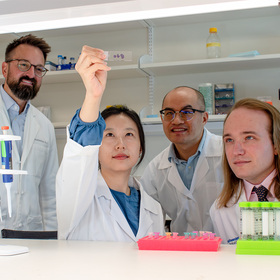
Scientists discover metabolite fueling aggressive brain tumor growth
Virtually all high-grade, aggressive gliomas in adults accumulate massive amounts of a metabolite called guanidinoacetate (GAA) that overstimulates nearby neurons and promotes tumor growth, according to new research from scientists at Children’s Medical Center Research Institute at UT Southwestern (CRI) published today in Cell.