
Search
Study of living brain tissue reveals how Parkinson’s treatment works: Newsroom - UT Southwestern, Dallas, Texas
https://www.utsouthwestern.edu/newsroom/articles/year-2026/aug-deep-brain-stimulation.html
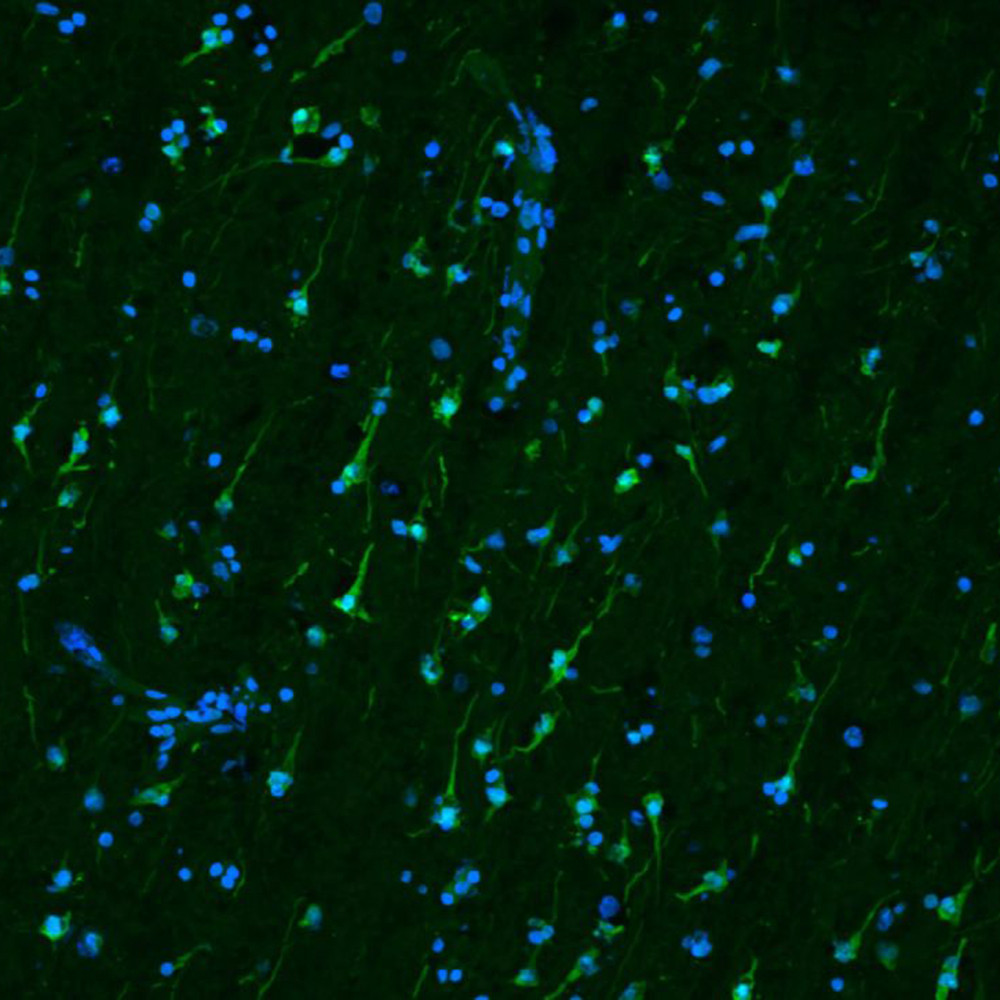
A team co-led by UT Southwestern Medical Center researchers has identified cellular and molecular mechanisms that could explain the effects of deep brain stimulation (DBS).
What happens when a key cancer defense fails?: Newsroom - UT Southwestern, Dallas, Texas
https://www.utsouthwestern.edu/newsroom/articles/year-2026/oct-key-cancer-defense.html
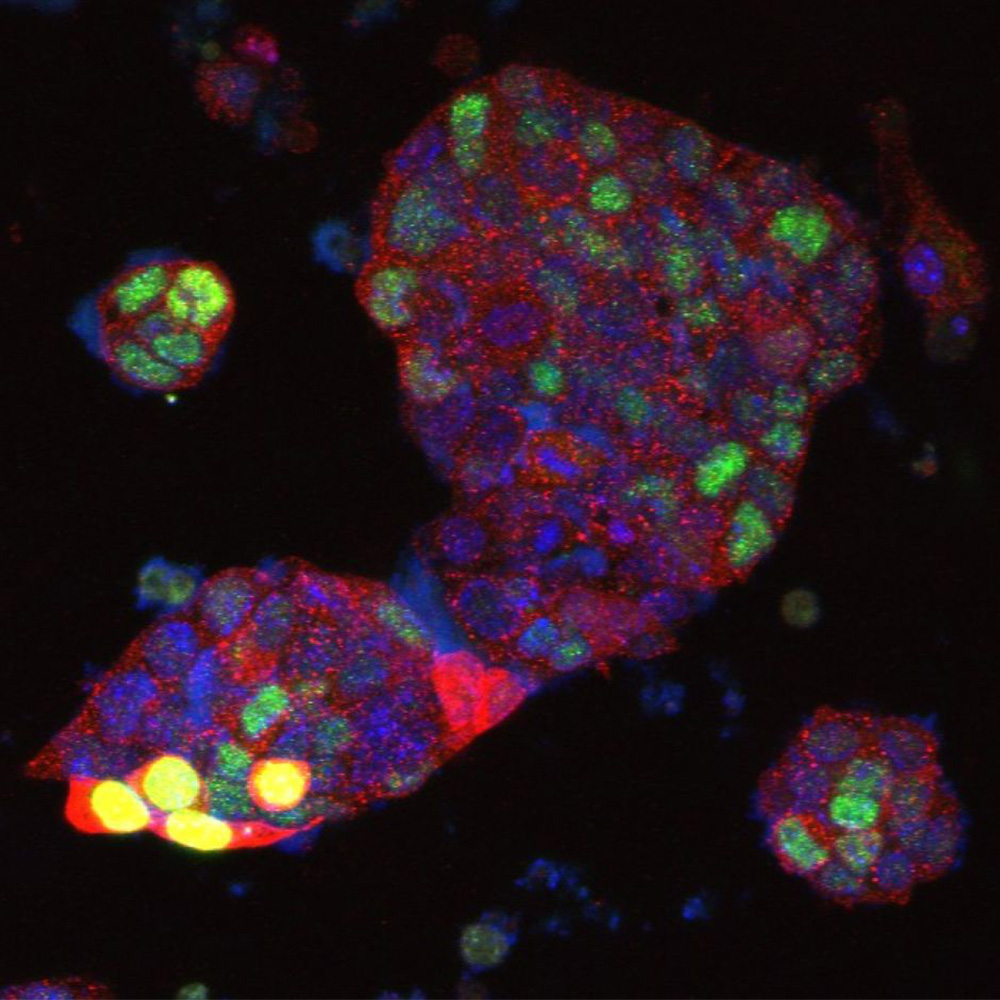
A tumor suppressor gene known as p53 is mutated in more than half of all cancers, but how it acts to prevent cancer formation is largely unknown.
Antibody may improve treatment response in lung cancer: Newsroom - UT Southwestern, Dallas, Texas
https://www.utsouthwestern.edu/newsroom/articles/year-2026/june-antibody-lung-cancer.html
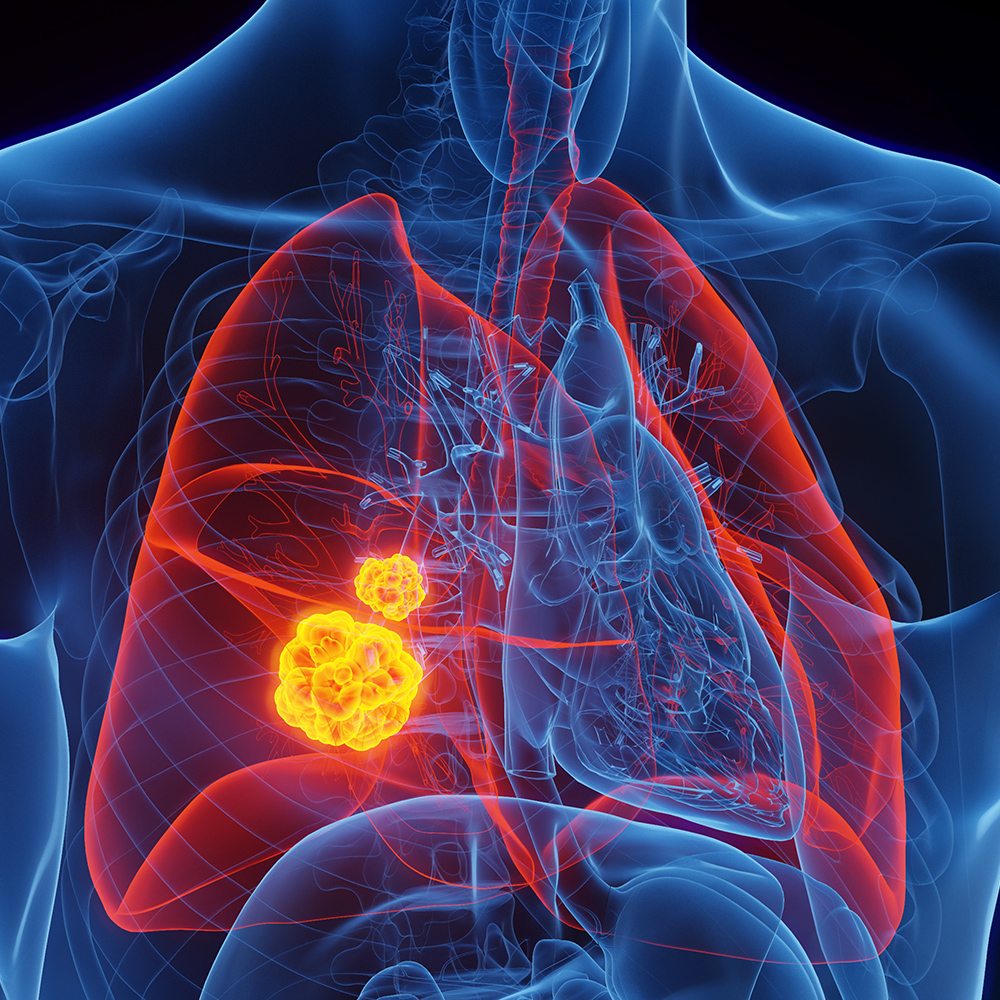
An experimental antibody treatment that binds to a protein known as PCDH7 shrank tumors in preclinical models of non-small cell lung cancer (NSCLC), even those resistant to a targeted therapy, a study led by UT Southwestern Medical Center researchers showed.
UT Southwestern, Texas Health launch collaborative study to better understand COVID prevalence in DFW - UT Southwestern, Dallas, Texas
https://www.utsouthwestern.edu/newsroom/articles/year-2020/dfw-covid-prevalence-study.html

Despite the high number of confirmed cases, the true prevalence of COVID-19 infections is believed to be underestimated due to insufficient testing capacity and a high percentage of asymptomatic people.
Protein puts brakes on intestinal inflammation, UTSW study finds: Newsroom - UT Southwestern, Dallas, Texas
https://www.utsouthwestern.edu/newsroom/articles/year-2026/oct-protein-intestinal-inflammation.html
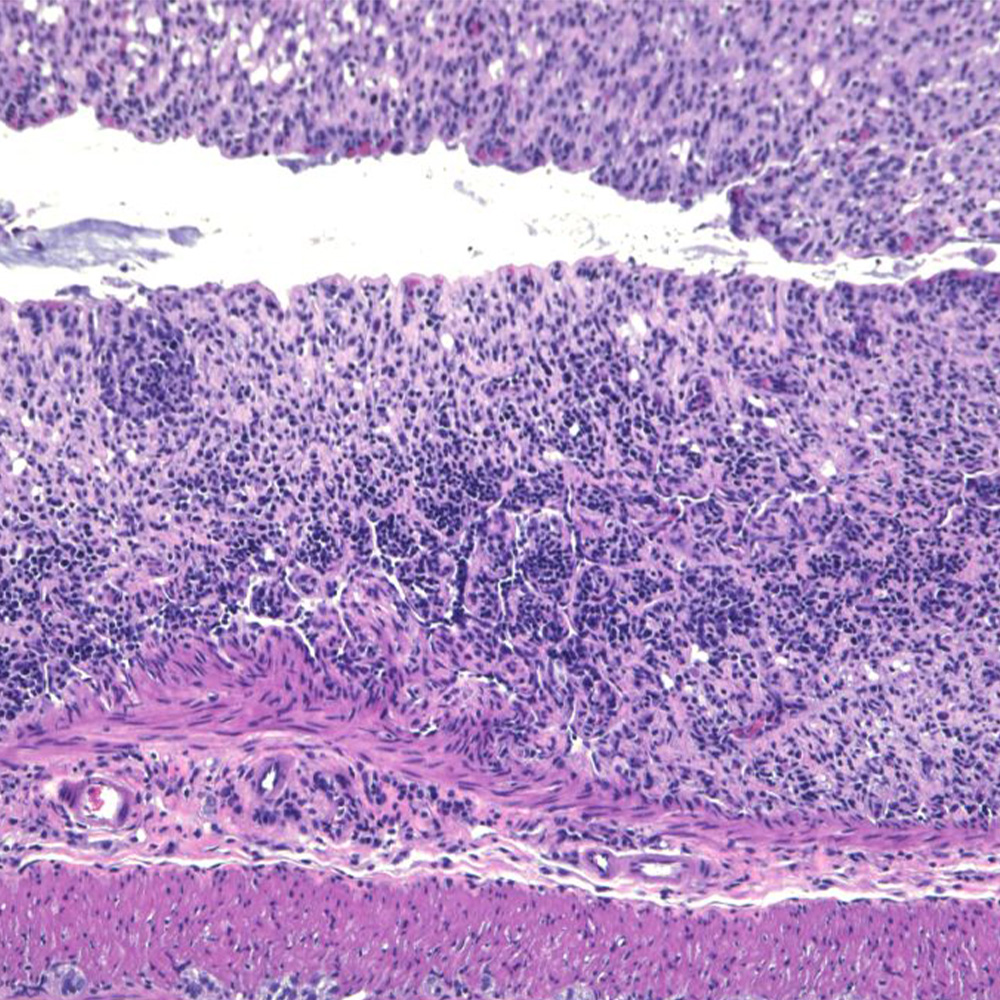
A preclinical study by researchers at UT Southwestern Medical Center has discovered how a protein called ZBTB44 helps prevent excessive immune activity that can cause inflammation in the colon, the main section of the large intestine.
Dropping it in the mail: Best practices detailed for mail-in colon cancer screenings: Newsroom - UT Southwestern, Dallas, Texas
https://www.utsouthwestern.edu/newsroom/articles/year-2020/mail-in-colon-cancer-screenings.html
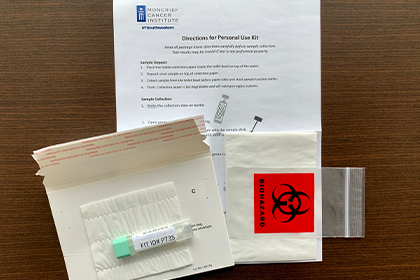
A program that asks patients to mail in stool samples to screen for colon cancer is an effective way to expand screenings to underserved and underinsured communities and offers an alternative to in-person testing during the pandemic, according to a study conducted by UT Southwestern.
Former NFL players may not suffer more severe cognitive impairment than others, study indicates : Newsroom - UT Southwestern, Dallas, Texas
https://www.utsouthwestern.edu/newsroom/articles/year-2020/professional-athletes-cognative-impairment.html

Even though repeated hits to the head are common in professional sports, the long-term effects of concussions are still poorly understood.
Scientists discover “jumping” genes that can protect against blood cancers : Newsroom - UT Southwestern, Dallas, Texas
https://www.utsouthwestern.edu/newsroom/articles/year-2021/scientists-discover-jumping-genes.html
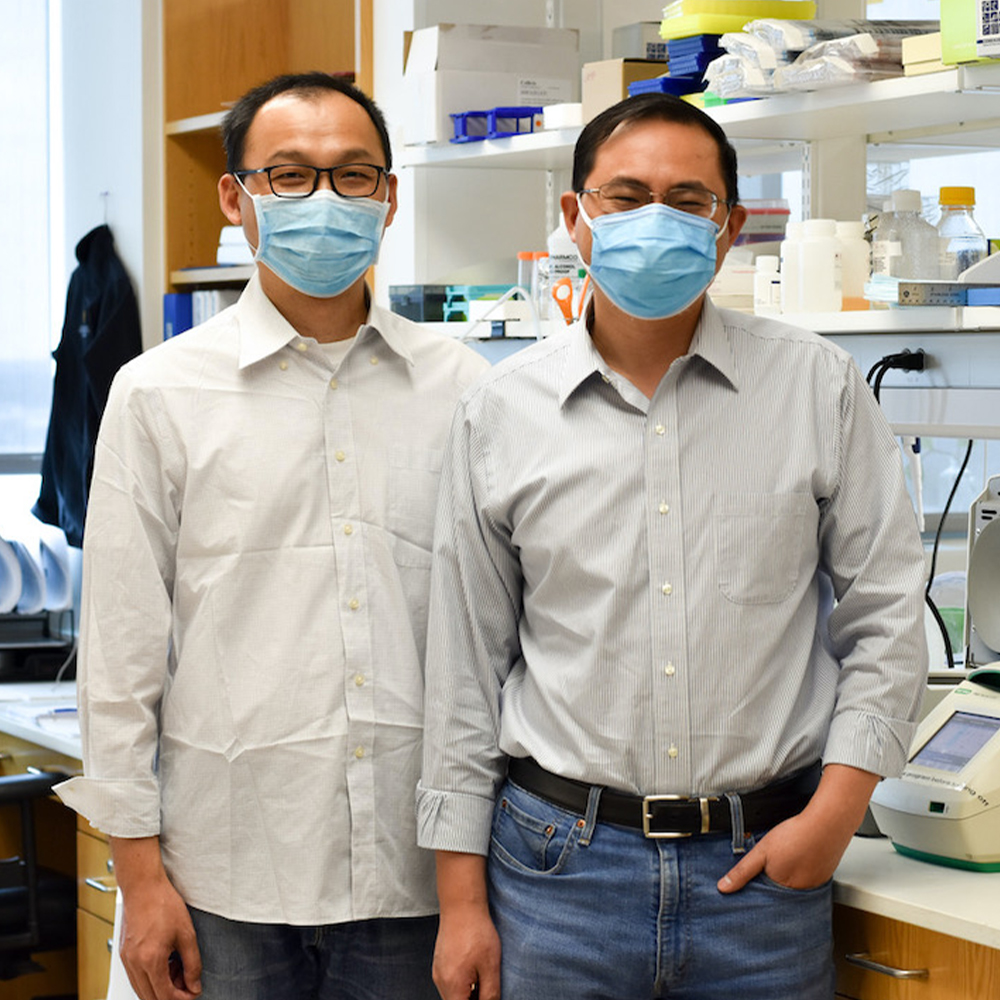
New research has uncovered a surprising role for so-called “jumping” genes that have traditionally been considered a source of genetic mutations responsible for a number of human diseases.
EHR vendor-sponsored education creates inappropriate bias, researchers say: Newsroom - UT Southwestern, Dallas, Texas
https://www.utsouthwestern.edu/newsroom/articles/year-2020/electronic-health-record-vendors.html

Electronic Health Record vendors in the $31.5 billion industry should not be permitted to provide continuing medical education activities and presentations to physicians to avoid bias, researchers argue in a perspective article for the Association of American Medical Colleges’ journal, Academic Medicine.
Clinical trial exposes deadly kidney cancer's Achilles' heel: Newsroom - UT Southwestern, Dallas, Texas
https://www.utsouthwestern.edu/newsroom/articles/year-2020/disabling-kidney-cancer-protein.html
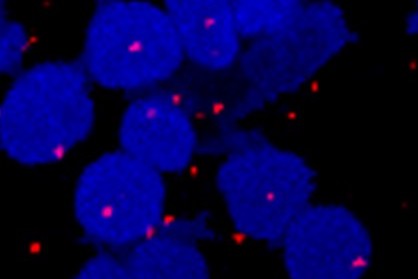
An experimental drug already shown to be safe and help some patients with clear cell renal cell carcinoma, a deadly form of kidney cancer, effectively disables its molecular target.