
Protein puts brakes on intestinal inflammation, UTSW study finds
ZBTB44’s newly discovered role could lead to more precise treatments for inflammatory bowel disease and other conditions
DALLAS – Oct. 12, 2026 – A preclinical study by researchers at UT Southwestern Medical Center has discovered how a protein called ZBTB44 helps prevent excessive immune activity that can cause inflammation in the colon, the main section of the large intestine. The findings, published in Nature Immunology, may help explain how immune responses go awry in a range of chronic inflammatory and autoimmune diseases.
“Our study identifies ZBTB44 as a previously unrecognized molecular brake that restrains harmful immune responses in the intestine, revealing a potential new pathway for understanding and treating inflammatory bowel disease (IBD),” said corresponding author Venuprasad Poojary, Ph.D., Associate Professor of Internal Medicine and Immunology and a member of the Division of Digestive and Liver Diseases at UT Southwestern.

Dr. Poojary led the research with first author Mahesh Kathania, Ph.D., Instructor of Internal Medicine in the Division of Digestive and Liver Diseases, and Desh Raj, Ph.D., a postdoctoral researcher in the Poojary Lab.
IBD, which includes Crohn’s disease and ulcerative colitis, affects an estimated 3 million Americans. One contributor to this inflammation is interferon-gamma (IFN-γ), a protein released by immune cells to coordinate the body’s defense against infection. When produced in excess, it can worsen inflammation and damage the intestinal lining.
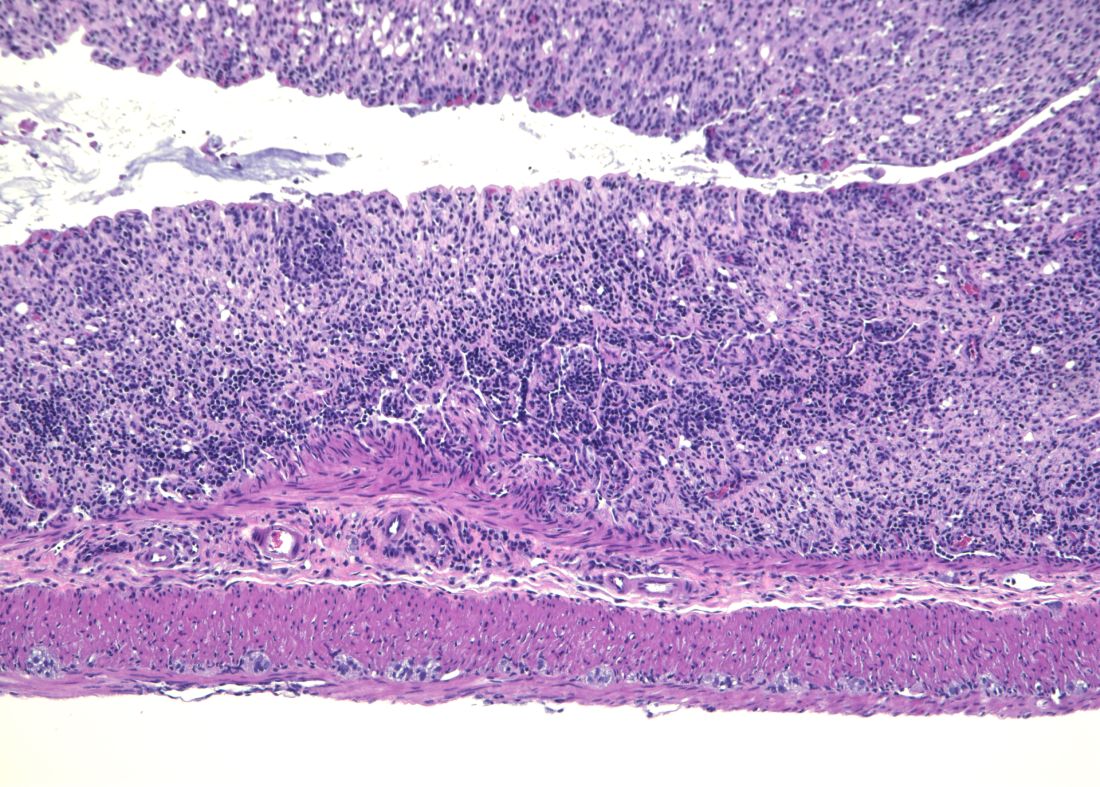
To learn what normally keeps IFN-γ in check, Drs. Poojary, Kathania, Raj, and their colleagues investigated ZBTB44’s role in controlling gene activity. Mice unable to produce ZBTB44 developed inflammation of the colon without an external trigger and experienced more severe disease in a model of colon injury. In these mice, T cells – white blood cells that help direct immune responses – produced far more IFN-γ. When the mice were bred to also lack IFN-γ, they were largely protected from that inflammation, indicating the immune signal was a key driver of disease.
Further experiments revealed how ZBTB44 applies this molecular brake. A protein modification called SUMOylation allows ZBTB44 to bind T-bet, a protein that normally switches on the interferon gamma gene. That interaction enables ZBTB44 to attach to the gene’s control regions, where it dampens activity and prevents prolonged IFN-γ production.
The findings build on the Poojary Lab’s previous research investigating how the body controls T-cell activity and prevents protective immune responses from turning into chronic inflammation. Earlier studies from the lab identified other pathways involved in intestinal inflammation, while the new work establishes ZBTB44 as a key regulator of IFN-γ production.
The team also analyzed published data measuring gene activity in individual cells from colon biopsies of 12 patients with ulcerative colitis and nine healthy controls. The analysis found higher expression of the ZBTB44 protein in several types of immune cells from patients with ulcerative colitis, which the researchers said may reflect a protective response to ongoing inflammation. The association does not establish whether ZBTB44 changes the course of disease in people.
“This is a preclinical study, so additional research will be needed before the findings can be translated into treatment. However, defining the ZBTB44-T-bet-IFN-γ pathway provides a potential foundation for developing more precise strategies to control harmful intestinal inflammation,” Dr. Poojary said.
Dr. Poojary is a member of the Experimental Therapeutics Research Program at Harold C. Simmons Comprehensive Cancer Center.
A complete list of authors from UTSW can be found in the study.
This research was funded by grants from the National Institutes of Health (R01-AI155786, R01-CA266072, and R01-CA282143).
About UT Southwestern Medical Center
UT Southwestern, one of the nation’s premier academic medical centers, integrates pioneering biomedical research with exceptional clinical care and education. The institution’s faculty members have received six Nobel Prizes and include 28 members of the National Academy of Sciences, 26 members of the National Academy of Medicine, and 14 Howard Hughes Medical Institute Investigators. The full-time faculty of nearly 3,400 is responsible for groundbreaking medical advances and is committed to translating science-driven research quickly to new clinical treatments. UT Southwestern physicians in more than 80 specialties care for more than 143,000 hospitalized patients, attend to more than 470,000 emergency room cases, and oversee nearly 5.3 million outpatient visits a year.