
2026 Article Archive
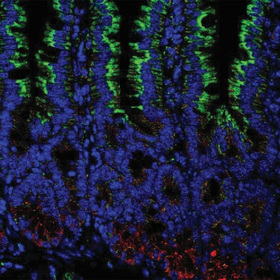
Gut bacteria boost immune system, help send vitamin A to T cells
Scientists at UT Southwestern Medical Center have discovered that gut bacteria help regulate the development of the body’s immune system by directing the movement of vitamin A through a previously unrecognized cellular network.
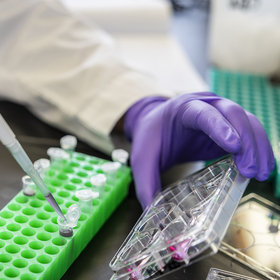
UT Southwestern ranked No. 1 in the world for healthcare research by Nature Index
UT Southwestern Medical Center is ranked No. 1 among healthcare institutions worldwide by Nature Index for publishing high-quality research in all subjects for the 12-month period that ended Feb. 28, 2026.

‘Polypill’ improves heart failure outcomes in UTSW-led trial
A “polypill” combining three medications recommended to treat heart failure into a single daily dose proved far more effective for patients than taking the drugs separately, a randomized clinical trial led by UT Southwestern Medical Center researchers showed.

Exertion tests offer insight into recovery from youth concussions
Clinical exams that incorporate gait analysis after physical exertion may provide insight into how youths are recovering after concussions to help determine whether they are ready to return to sports, UT Southwestern Medical Center and Scottish Rite for Children (SRC) physicians found.
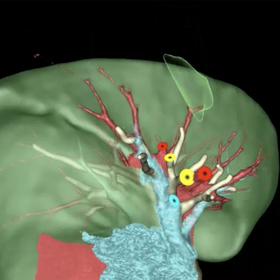
UTSW introduces single-port robotic surgery for lung cancer
A team at UT Southwestern Medical Center is the first in North Texas to offer single-port robotic-assisted thoracoscopic lobectomy, a minimally invasive procedure for select patients with early-stage lung cancer.
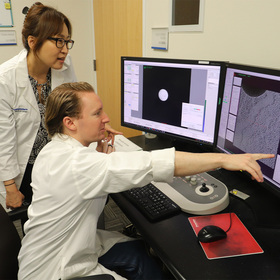
Study reveals how RNA-modifying enzyme picks its targets
An RNA-modifying enzyme linked to cancer and neurological disorders selects its targets by recognizing specific RNA shapes and sequences, according to a study by UT Southwestern Medical Center researchers.
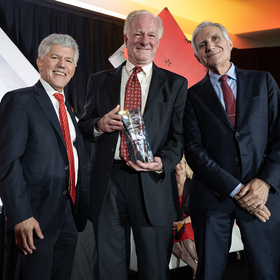
Joseph A. Hill, M.D., Ph.D., receives American Heart Association’s Gold Heart Award
Joseph A. Hill, M.D., Ph.D., Professor of Internal Medicine in the Division of Cardiology, Professor of Molecular Biology, and Director of the Harry S. Moss Heart Center at UT Southwestern Medical Center, has received the Gold Heart Award.

Eating at the right time is important for health, UTSW study shows
Cutting calories and limiting nighttime snacking is known to improve health and extend your lifespan. But would only eating during certain hours of the day have a similar effect on healthspan, or the length of time a person is healthy and free from disease?

Should patients learn they have cancer from an online portal?
The widespread use of electronic patient portals to provide quick access to test results presents healthcare professionals with an important challenge: How should new cancer diagnoses be communicated?
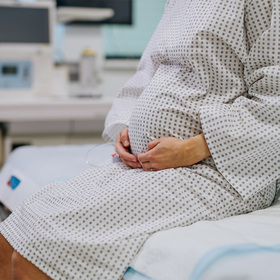
Steep drop in metabolic coenzyme could trigger preterm labor
Declining placental concentrations of a molecule that plays a key role in metabolism appear to trigger the end of pregnancy and hasten labor and delivery, suggests a study co-led by researchers at UT Southwestern Medical Center.