
Brain activity discovery could transform Parkinson’s treatment
UTSW study reveals new details about how electrophysiological signals travel across networks to indicate dopamine depletion
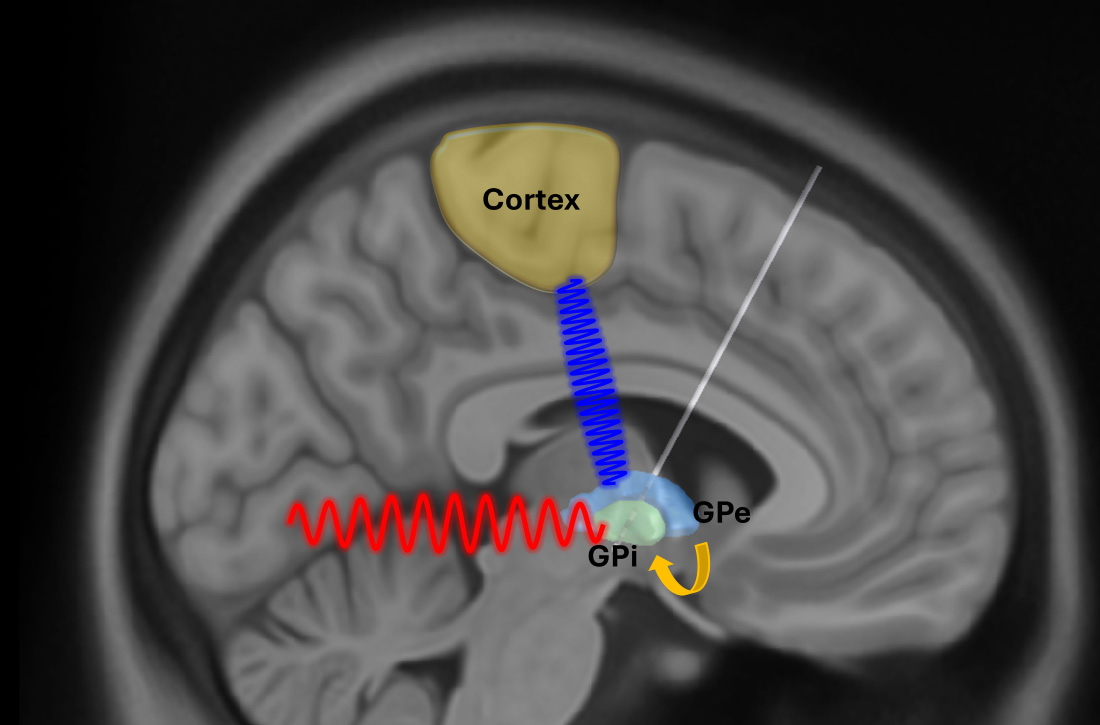
DALLAS – Aug. 21, 2026 – Researchers at UT Southwestern Medical Center studying Parkinson’s disease have discovered a previously unrecognized sequence of abnormal activity across multiple regions of the brain, providing a new level of understanding that could improve treatment options.
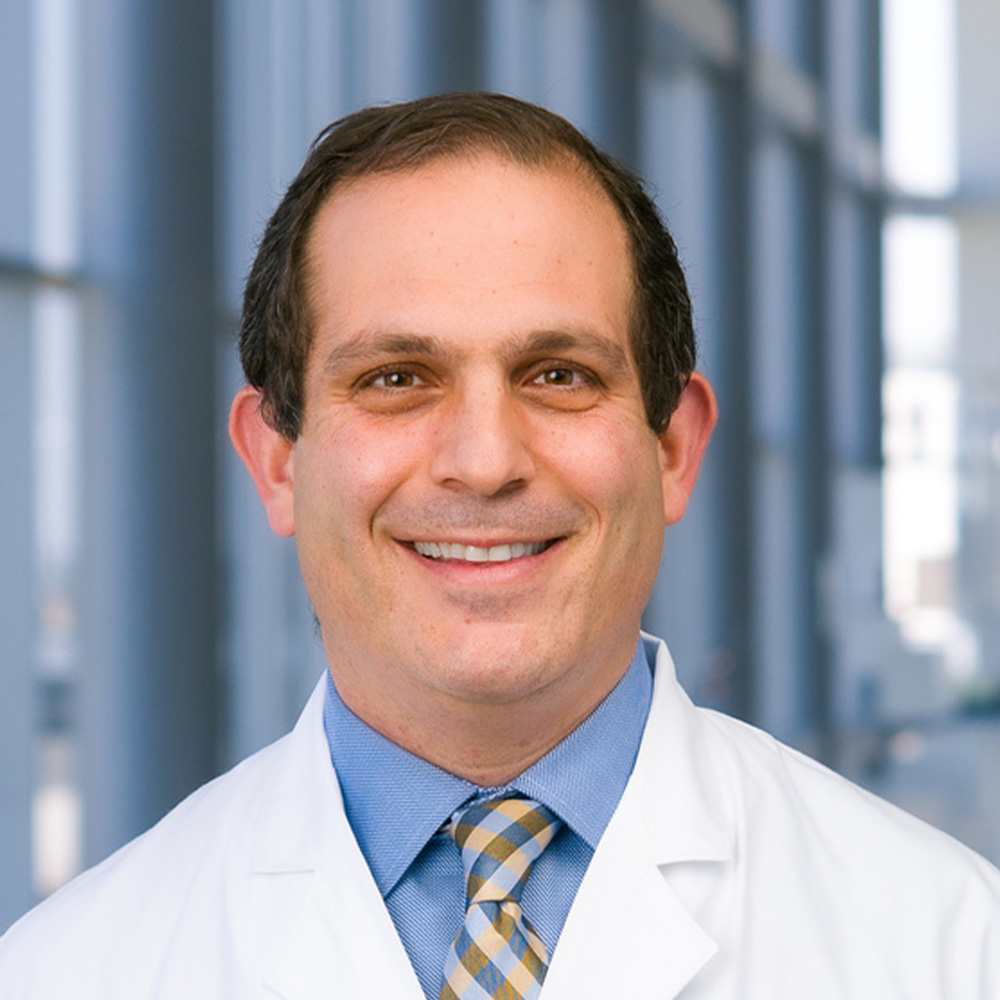
“We’ve known for many years that abnormal electrophysiological activity in the brain is present in Parkinson’s disease, but it was believed to be isolated to a single region,” said senior author Nader Pouratian, M.D., Ph.D., Chair and Professor of Neurological Surgery at UT Southwestern and an Investigator in the Peter O’Donnell Jr. Brain Institute. “These findings suggest that Parkinson’s disease involves a sequence of precisely timed events across an individual’s brain networks that reflect a deficiency in dopamine, the chemical messenger that plays a key role in many physical and emotional body functions.”
That dopamine deficiency is what leads to the common symptoms of Parkinson’s disease such as bradykinesia, or slowness of movement; rigidity; resting tremors; and others, with abnormal electrical brain activity serving as the bridge.
The study, published in Cell Reports Medicine, tracked beta activity – a type of electrophysiological brain oscillation – in 23 patients who were undergoing deep brain stimulation (DBS) implantation surgery to treat their Parkinson’s disease. The procedure gave researchers a unique opportunity to record electrophysiological signals from multiple brain networks simultaneously and observe how they are related.

Researchers identified two different beta signals, low-beta and high-beta, that have distinct spatial, temporal, and potential functional roles within the Parkinson’s network. Rather than seeing Parkinson’s as simply the presence or strength of beta activity, study results support a model in which the precise coordination, timing, and direction of dual signal activity across interconnected brain regions are key to understanding the disease’s symptoms.
“These novel findings shift the field for future therapeutic development, especially as it relates to deep brain stimulation, which involves implanting electrodes to deliver controlled electrical impulses,” said first author Jeong Woo Choi, Ph.D., Assistant Professor of Neurological Surgery at UTSW. “Current DBS is relatively simple, using a system that is turned on with constant stimulation to reduce abnormal neural activity and improve movement symptoms. By developing a deeper understanding of the dynamic network processes involved in Parkinson’s, we may find that high-beta and low-beta oscillations need to be measured and targeted separately for more precise and responsive forms of DBS.”
The study builds on previous research at UT Southwestern on the causes and treatments of Parkinson’s disease, including detailed work on excessive beta oscillations.
“We are one of only a handful of centers in the country that have optimized the use of this opportunity to simultaneously measure brain signals during surgery from multiple brain regions,” Dr. Pouratian said. “This enables us to link and understand how activity across brain regions interacts to produce symptoms of disease and to understand how treatments affect these brain networks.”
Other UTSW researchers who contributed to this study are Koorosh Mirpour, M.D., Ph.D., Assistant Professor of Neurological Surgery; Amirreza Alijanpourotaghsara, M.D., postdoctoral researcher; and Sahil Chilukuri, B.S., Clinical Research Assistant.
Dr. Pouratian also serves as a Professor of Neurology. He holds the Lois C.A. and Darwin E. Smith Distinguished Chair in Neurological Surgery.
This study was funded by the National Institute of Neurological Disorders and Stroke (R01 NS097782).
About UT Southwestern Medical Center
UT Southwestern, one of the nation’s premier academic medical centers, integrates pioneering biomedical research with exceptional clinical care and education. The institution’s faculty members have received six Nobel Prizes and include 28 members of the National Academy of Sciences, 26 members of the National Academy of Medicine, and 14 Howard Hughes Medical Institute Investigators. The full-time faculty of nearly 3,400 is responsible for groundbreaking medical advances and is committed to translating science-driven research quickly to new clinical treatments. UT Southwestern physicians in more than 80 specialties care for more than 143,000 hospitalized patients, attend to more than 470,000 emergency room cases, and oversee nearly 5.3 million outpatient visits a year.