
Rewriting the cancer story
With the ultimate gift from hospice patients, UT Southwestern physician-scientists are advancing a bold theory that could fundamentally change perceptions of the disease and extend lives
DALLAS – July 22, 2026 – Matteo Ligorio’s phone started buzzing just after 3 a.m. The texts from a hospice nurse indicated “Patient 14” had just passed away, which meant Dr. Ligorio and his team had less than four hours to honor her dying wish.
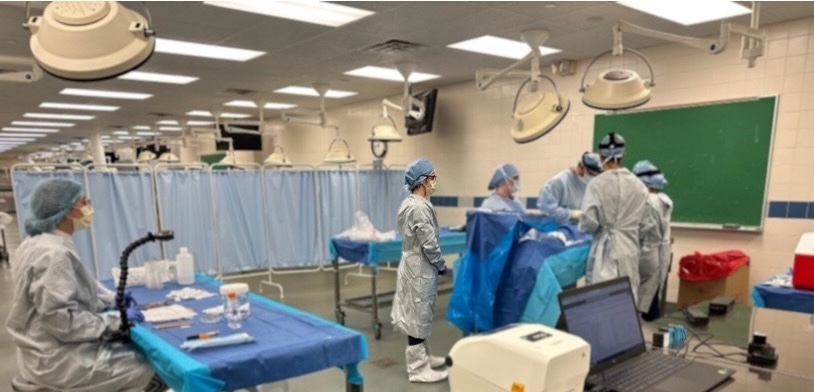
He pulled on his navy blue scrubs, climbed into his SUV, and sped through the mostly empty streets of Dallas to a clinic space operated by UT Southwestern Medical Center’s Willed Body Program. That’s where he would spend the next few hours performing a rapid autopsy designed to help answer one of the most enigmatic questions in modern medicine:
Why do people die from cancer?
Dr. Ligorio, a surgeon and researcher at UT Southwestern, believes he and his team have found the answer – and it’s probably not what you or most medical experts think.
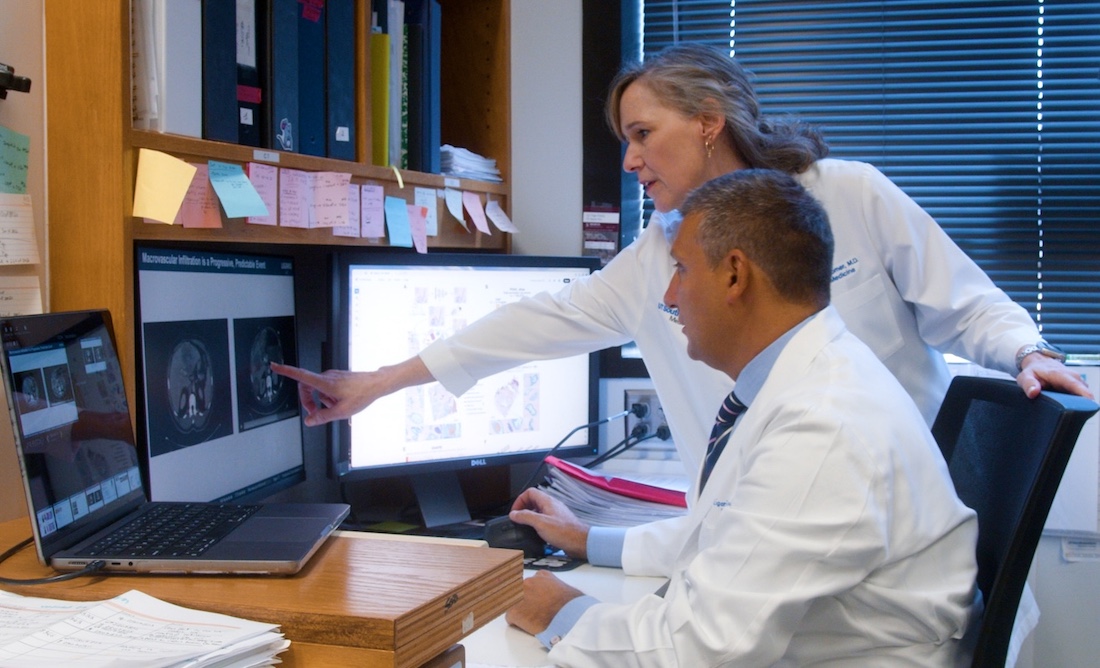
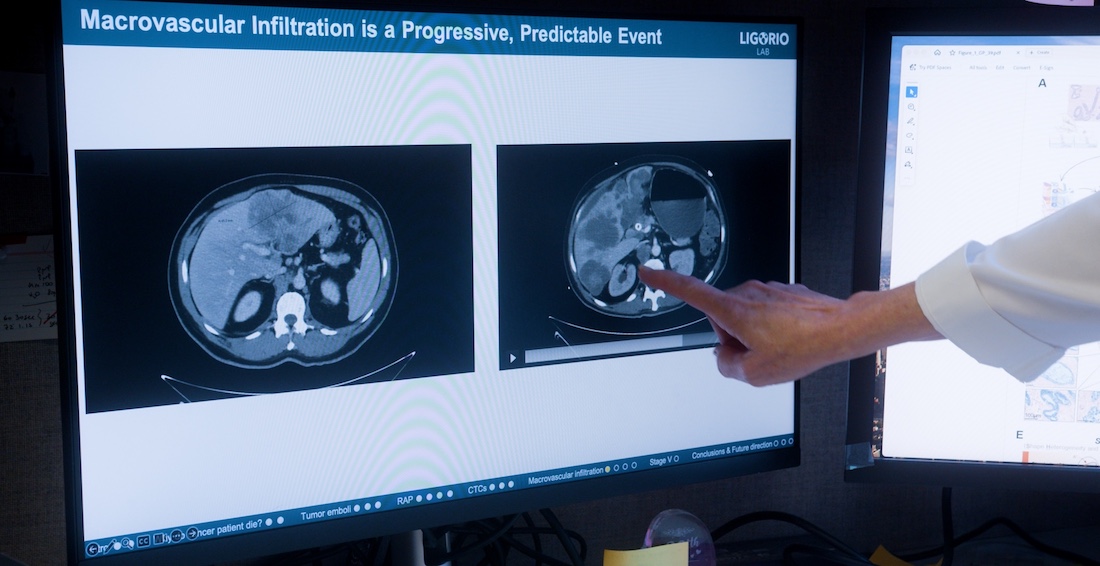
“Macrovascular infiltration,” the phenomenon that occurs when cancer invades major blood vessels and unleashes clusters of circulating tumor cells (CTCs), marks the final physiological event before death from cancer, according to a one-of-a-kind study led and supervised by Dr. Ligorio and published in Nature Medicine. The CTCs form blood clots, triggering multiorgan failure, and that is the primary reason patients “die on one specific day rather than six months earlier or later,” he said.
The findings challenge the widely accepted explanation that metastasis – the spread of cancer throughout the body to other organs – is the ultimate cause of most cancer-related deaths. In fact, when Dr. Ligorio first shared his theory with Kelley Newcomer, M.D., a palliative care specialist at UT Southwestern and the eventual lead author on the study, she politely told him: “It sounds fascinating … but I’m really worried you are wrong.”
That was not the first time he’d heard that response.
But Dr. Newcomer agreed to take a deeper look. Together they retrospectively analyzed 108 autopsies from patients in Dallas who died of colorectal, lung, ovarian, liver, or pancreatic cancer, and she was amazed at what they found – macrovascular infiltration was detected on scans in 60% of the cases.
“You can see the storm coming,” Dr. Ligorio said.
He began developing this alternate theory of cancer progression about 20 years ago when he was a surgical resident at the University of Genoa in Italy. In 2011, he embarked on his “American Dream” at Harvard University, where he earned his Ph.D. in molecular epidemiology and biostatistics and started working closely with Nicola Aceto, Ph.D., who joined him as senior author on the Nature Medicine study, analyzing the role of CTCs in cancer mortality.
In 2020, Dr. Ligorio was recruited to investigate cancer biology at UT Southwestern, where he is an Assistant Professor of Surgery and a member of the Harold C. Simmons Comprehensive Cancer Center.
Six years later, he seems acutely aware that he’s standing on the precipice of a breakthrough.
“This is a theory. Like gravity. It still has to be proven,” he said, pointing to a phase 2/3 clinical trial he and his team are planning that will target macrovascular infiltration across tumor types. “But if we are right, and I believe we are, this discovery won’t just change the way we diagnose and treat cancer; it can change our ‘cultural’ perceptions of the disease.
“As long as we can prevent macrovascular infiltration – and we can do that with existing therapies – you can live with it. Cancer will not be the enemy it is now.”
Starting at the end
As a boy growing up in Italy, “Matte” loved solving mazes. He’d start at the end, tracing each route until he eventually worked his way out of the labyrinth.
Nowadays, when he’s describing his theory of macrovascular infiltration in one of the many presentations he’s given since the publication of the study in October 2025, he’ll often scribble a maze on a whiteboard and explain his core belief: The only way to truly know how and why cancer kills people is to start at the end of life.
Enter Dr. Newcomer, an Associate Professor of Internal Medicine at UT Southwestern who specializes in hospice and palliative care. She and Dr. Ligorio met during the COVID-19 pandemic. Even while chatting over coffee, standing about 12 feet apart outdoors, she was impressed by his passion and bold ideas.
“Dr. Ligorio is a force of nature. It doesn’t take long to notice,” she said. “He can be very convincing.”
Together, they make an unlikely but complementary pair.
He’s a surgeon who grew up in Italy; she’s an internist born and raised in Dallas. His focus is on bench science; hers is at the bedside. He has a long list of international contacts and enjoys being the maestro of Zoom meetings with oncologists, pathologists, and data scientists from all over the world; she is embedded in the local community, counseling patients, families, and caregivers in their most intimate and difficult moments.
As Medical Director of Adult and Pediatric Hospice for the Visiting Nurse Association of Texas, Dr. Newcomer knew that many of the nurses, chaplains, and patients in hospice would embrace the chance to participate in important research.
“It might sound crazy, but basic science and hospice are a great pairing,” she said. “As scientists, you’re able to see very advanced disease states that have been previously unstudied. And most of these patients are excluded from clinical trials. But because they’ve decided to stop treatment and aren’t going back and forth to doctors’ appointments, they have extra time on their hands.
“Many of them also are examining their legacy and feel a strong urge to do something good for the world,” she added. “I think the study really helped them find meaning in a very devastating illness.”
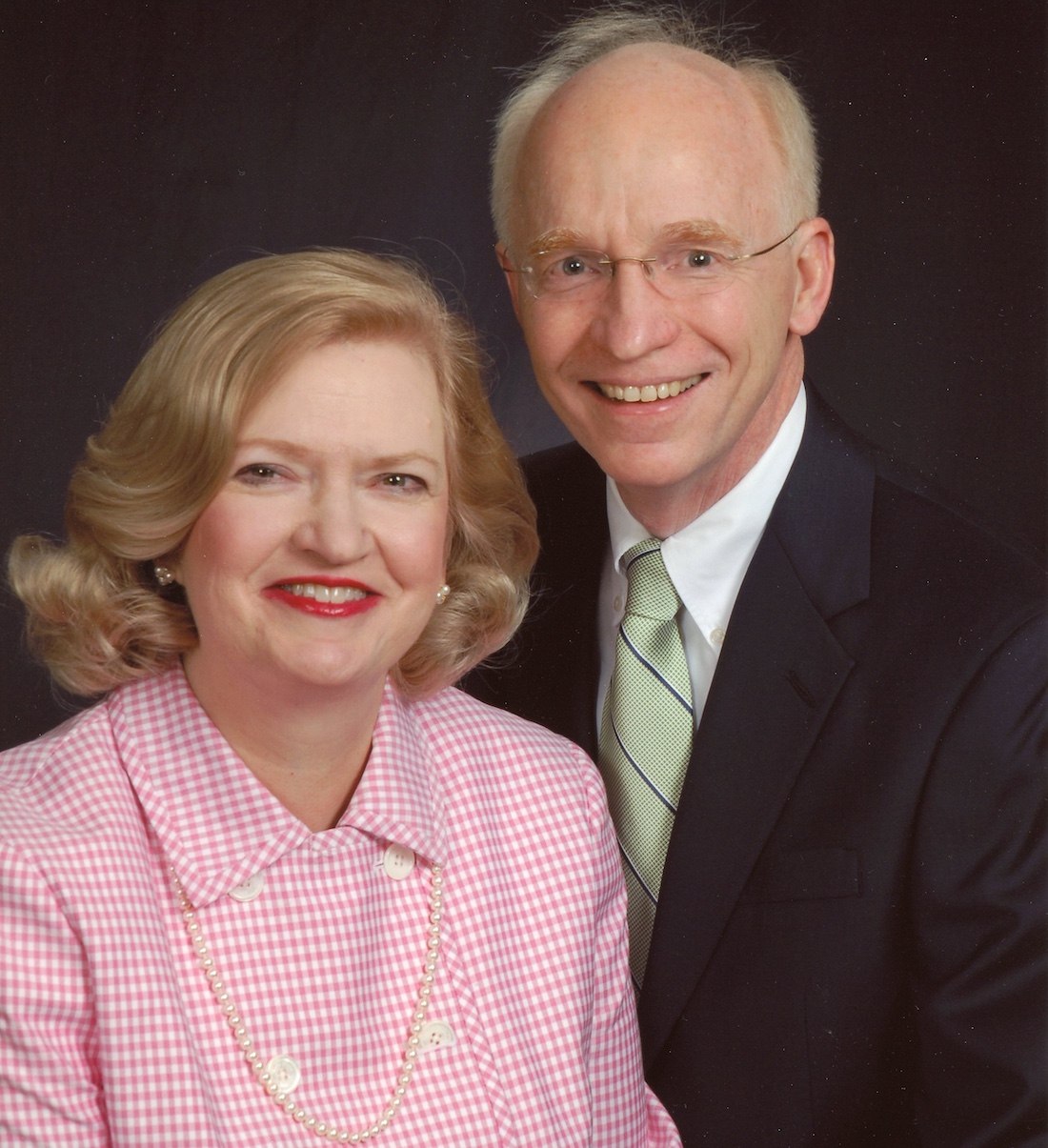
Wayne Moore confirms as much. Peggy, his wife of 40 years and the love of his life, was “all in” when she heard about the research.
“Peggy wasn’t one to dwell on her pancreatic cancer, or her life being shorter than either of us had expected,” he said. “She had spent much of her life looking out for others, and I think she saw this program – and playing even a small part in this important research – as a natural extension of that. To her, it was just the right thing to do, and I think it’s a fitting commentary on her legacy.”
Connecting the dots
Previously published research has shown that cancer, in its most advanced stages, can alter the cardiovascular system. The work by Dr. Ligorio, Dr. Newcomer, and their team, however, is the first to “provide compelling insights into circulatory alterations in patients approaching death,” according to a News & Views article in Nature Medicine highlighting the significance of their findings.
In one regard, their theory of cancer progression sounds like common sense. Cancer in organs located close to major vessels, such as the pancreas or lungs, is more lethal because tumors and cancer cells don’t have far to travel to invade the bloodstream. For cancers not located near major vessels, such as the prostate, thyroid, and breast, survival rates are much higher.
But proving causation and connecting the dots between three biological events – cancer invading major vessels, CTCs forming a clot and restricting blood flow, and death from multiorgan failure – is a much more complex and arduous process. For their study, Drs. Ligorio and Newcomer took the following steps:
- First, they performed the retrospective analysis of 108 routine clinical autopsies from William P. Clements Jr. University Hospital and Parkland Memorial Hospital between 2010 and 2020. About 60% of the usable scans showed signs of macrovascular infiltration.
- Next, Dr. Newcomer recruited 31 hospice patients for the rapid autopsy study: 21 with solid tumors and 10 with other conditions to serve as the control group. Over the following weeks, she and her clinical team, which included Kathryn Naumann, Assistant Director of Clinical Research, and research nurse Sarah Reeves, monitored and examined the patients, taking blood samples whenever they reported a significant change in health status or when their score worsened on an assessment called the Palliative Performance Scale.
- When the patients died – an average of 38 days after they were enrolled – Dr. Ligorio performed a modified autopsy on each, sealing major blood vessels from the neck to the pelvis to preserve their integrity. About 40% of the patients with cancer had tumors penetrating the walls and extending into the interiors of major blood vessels. Dr. Ligorio captured 240 hours of video of the autopsies to show the scientific rigor with which they were conducted.
- To help validate the autopsy findings, Dr. Ligorio enlisted collaborators at the University of Lubeck and the University of Mainz in Germany to examine CT imaging data from 1,250 cancer patients. He also reached out to Dario Ghersi, M.D., Ph.D., Associate Professor at the University of Nebraska at Omaha and a former medical school colleague from Italy, to analyze the data along with computational scientist Kirk Gasper, Ph.D. Macrovascular infiltration prior to death was independently confirmed on many of the routine scans.
The team also worked closely with Dr. Aceto, now a Professor of Molecular Oncology at ETH Zurich in Switzerland, to analyze the blood samples from the hospice patients while they were still alive. Dr. Aceto has created a circulating tumor cell lab and used a device that can filter out CTCs in clusters from the blood. His analysis revealed a sharp uptick in cancer cells in the bloodstream just before death.
Dr. Newcomer recalls one case that captured the predictive power of their research.
She and the nursing team were visiting a patient who had developed jaundice almost overnight. The team arrived before dawn to draw blood, which was then express-shipped to Dr. Aceto’s lab in Zurich. Two days later he provided an ominous report: “This patient has considerable surge in circulating tumor cells, and it is hard to believe that this condition would be compatible with life.”
Dr. Newcomer thought, “No way. That is not what we saw. She seemed fine. In fact, she had woken up early to apply her makeup and make coffee for us.”
Less than 24 hours later, she died.
“You could see the end was near,” Dr. Newcomer said. “For me, that was a real ‘aha’ moment.”
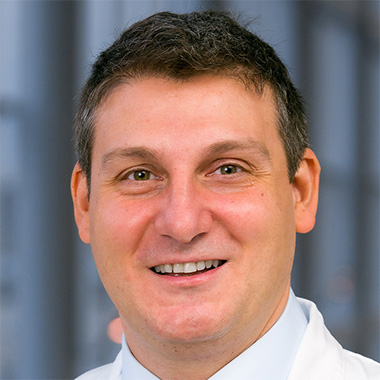
Matteo Ligorio, M.D., Ph.D.
“As long as we can prevent macrovascular infiltration – and we can do that with existing therapies – you can live with it. Cancer will not be the enemy it is now.”
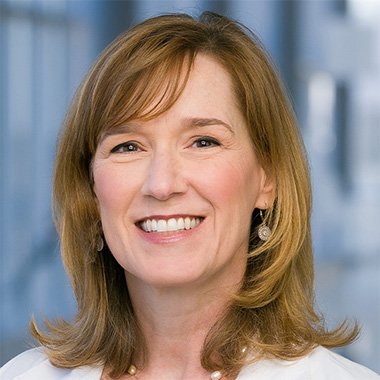
Kelley Newcomer, M.D.
“I think we are moving toward a scenario where cancer could become more of a chronic disease.”
Setting the stage for Stage 5
On a Thursday morning in Dallas, faces began filling up the Zoom screen for a meeting titled “The Stage 5 Consortium.”
Dr. Ligorio welcomed everyone in his lyrically accented English and started sharing updates. Preliminary results were strongly reinforcing the broader research premise that macrovascular infiltration is the fifth and final stage of cancer progression.
For more than 60 years, the internationally recognized standard for cancer progress – the Tumor Node Metastasis (TNM) System – has classified Stage 4 as the most advanced form of the disease. It’s characterized by the spread of cancer cells beyond the original site to other organs in the body. Even suggesting that there is a “Stage 5” is an audacious notion.
But Dr. Ligorio and his team are not shrinking from this prospect.
“For the first time in history, we have a theory that is testable, and I think that has created a lot of enthusiasm,” he said. It has also built momentum and some high-profile collaborations.
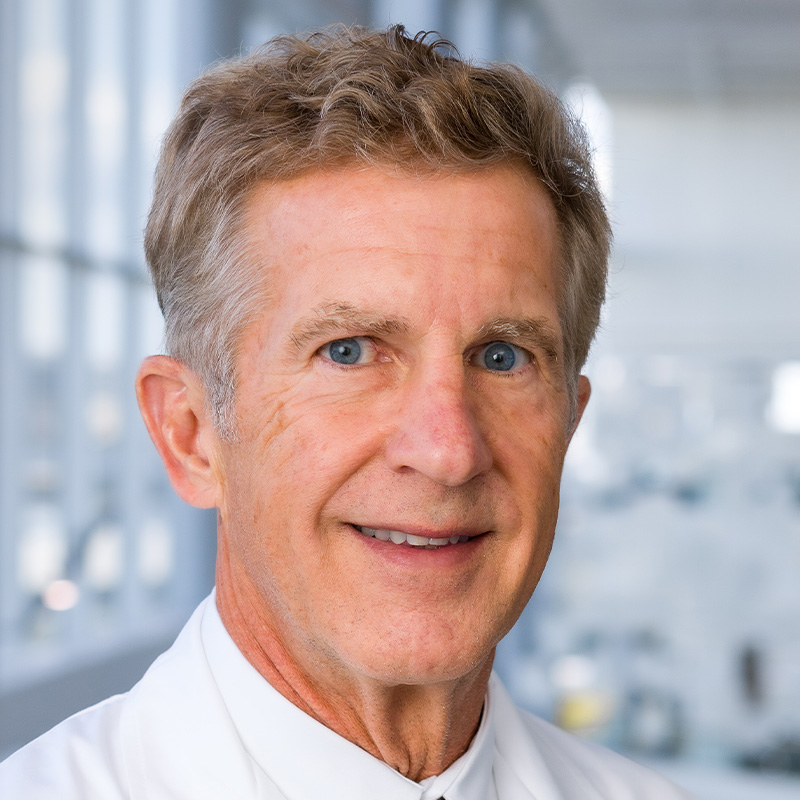
Robert Timmerman, M.D., Chair and Professor of Radiation Oncology at UT Southwestern and a pioneer in stereotactic body radiation therapy (SBRT), will play a key role in shaping the upcoming clinical trial, which will employ precision radiation treatments and existing surgical techniques to target lesions near large blood vessels. A multicenter trial could also utilize implantable devices to deliver chemotherapy directly to tumors – one of Dr. Ligorio’s previous areas of study at Harvard.
Dr. Ligorio’s patient-centered approach, which is rooted in his training as a general surgeon, is one of the reasons he was recruited to UTSW with the help of multimillion-dollar grants from the Cancer Prevention and Research Institute of Texas. CPRIT’s goal is to support the “most creative ideas and the most meritorious projects” from the cancer research community in Texas.
“This research opens the door to new strategies for treating patients at their most vulnerable stage,” Dr. Timmerman said. “Right now for Stage 4 patients, we’re able to accurately treat nearly any location in the body using highly focused, potent stereotactic ablative radiotherapy. In the past, brain and spinal tumors were the highest priority. By prioritizing tumors adjacent to major blood vessels with a macrovascular component, we can validate Dr. Ligorio’s research and potentially extend patients’ lives.”
The lives behind the research
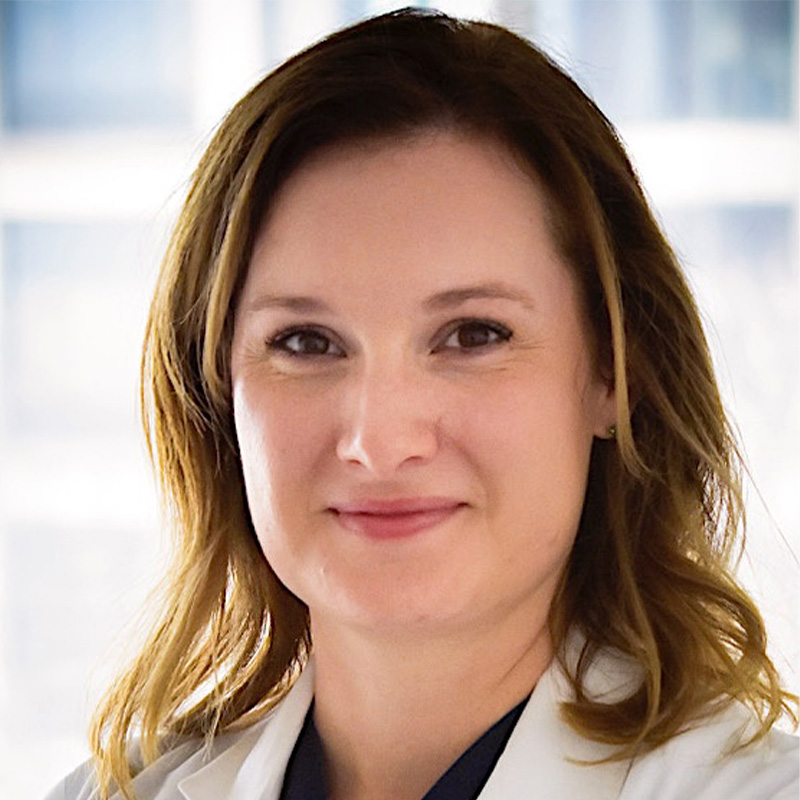
A flurry of interest in macrovascular infiltration research has raised expectations for the Ligorio Lab, which makes no secret about its level of ambition. An introductory video on the lab’s website declares: “We’re on a mission to push the boundaries and win the fight against cancer.”
For Dr. Ligorio, that’s not just a platitude. It’s what keeps him up nights and working weekends.
“I’ve put everything into this. It isn’t just another research project,” he said. “There are stories and lives behind this research. My lab is full of emotions because we all know what’s at stake.”
His collaborators are similarly motivated.
Megan Wachsmann, M.D., an Assistant Professor of Pathology at UTSW and staff pathologist at the VA North Texas Health Care System, helped Dr. Ligorio refine the rapid autopsy technique that was so crucial to the study’s findings. For her, this research is an extension of a lifelong pursuit.
Dr. Waschsmann’s mother was diagnosed with pancreatic cancer at age 36.
“As a 9-year-old, that was the defining moment in my development. I’ve spent my training and my career trying to understand ‘the why’ behind cancer deaths so one day I could change it,” she said. “Sometimes in medicine we just accept that things are the way they are. I don’t want to accept that. Neither does Matteo or Kelley. We have the right people coming together at the right time, and that is the beauty of this study.”
Giada Pontecorvi, Ph.D., who came to UT Southwestern from Rome as a postdoctoral researcher in 2022 after winning a fellowship award from the American-Italian Cancer Foundation, can’t imagine a more exhilarating research environment.
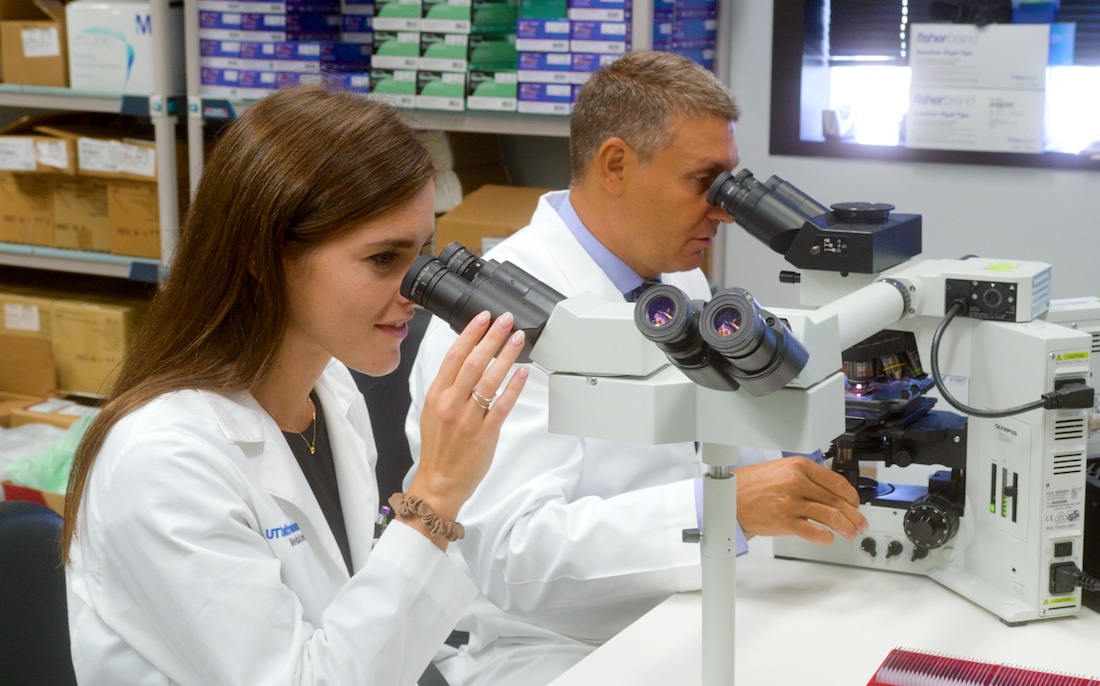
“We are studying the disease at its most critical stages,” said Dr. Pontecorvi, now an Assistant Professor of Surgery at UTSW. “Being part of a team that is finding fresh answers to fundamental questions about cancer biology – and doing it in a way that keeps patients at the center – has been incredibly motivating.”
Dr. Newcomer said her initial skepticism has long since given way to determination and hope.
“I’m probably even more optimistic than Dr. Ligorio at this point,” she said. “We still have a lot of legwork to do. But I think we are moving toward a scenario where cancer could become more of a chronic disease – where Stage 4 isn’t the death sentence we view it as now.”
She points to HIV as a recent example of how quickly care can evolve. When she began working in hospice, HIV patients made up much of her caseload. Today, she almost never sees them thanks to advances in research and the development of effective drug regimens.
“We may not be able to cure cancer,” she said, “but if we can prevent Stage 5, we can help people live a lot longer and better lives.”
Dr. Ligorio admits the quest to revolutionize cancer care comes with a deep sense of responsibility.
“I don’t want to instill false hope,” he said. “In the clinical trial, we’re going to be asking hundreds of people to take a different course of treatment for their cancers. These are not mice or organoids; they are humans with families and hopes and dreams.
“So I feel responsible to take this to a different level,” he said, turning to the supplemental portion of his nearly 70-page Nature Medicine study. As he points to a set of images showing tumor emboli in Patient 14’s inferior vena cava wall, his voice quavers.
“She wanted to make an impact. To spare at least one other person from going through what she did,” he said. “If we can do that, this will all have been worth it.”
Dr. Timmerman holds the Effie Marie Cain Distinguished Chair in Cancer Therapy Research and is a member of the Simmons Cancer Center. Dr. Wachsmann is also a member of the Simmons Cancer Center.
About UT Southwestern Medical Center
UT Southwestern, one of the nation’s premier academic medical centers, integrates pioneering biomedical research with exceptional clinical care and education. The institution’s faculty members have received six Nobel Prizes and include 28 members of the National Academy of Sciences, 26 members of the National Academy of Medicine, and 14 Howard Hughes Medical Institute Investigators. The full-time faculty of nearly 3,400 is responsible for groundbreaking medical advances and is committed to translating science-driven research quickly to new clinical treatments. UT Southwestern physicians in more than 80 specialties care for more than 143,000 hospitalized patients, attend to more than 470,000 emergency room cases, and oversee nearly 5.3 million outpatient visits a year.