
New framework developed for treating liver cancer
Consensus-based recommendations co-written by UTSW researchers reflect advances in science, patient care
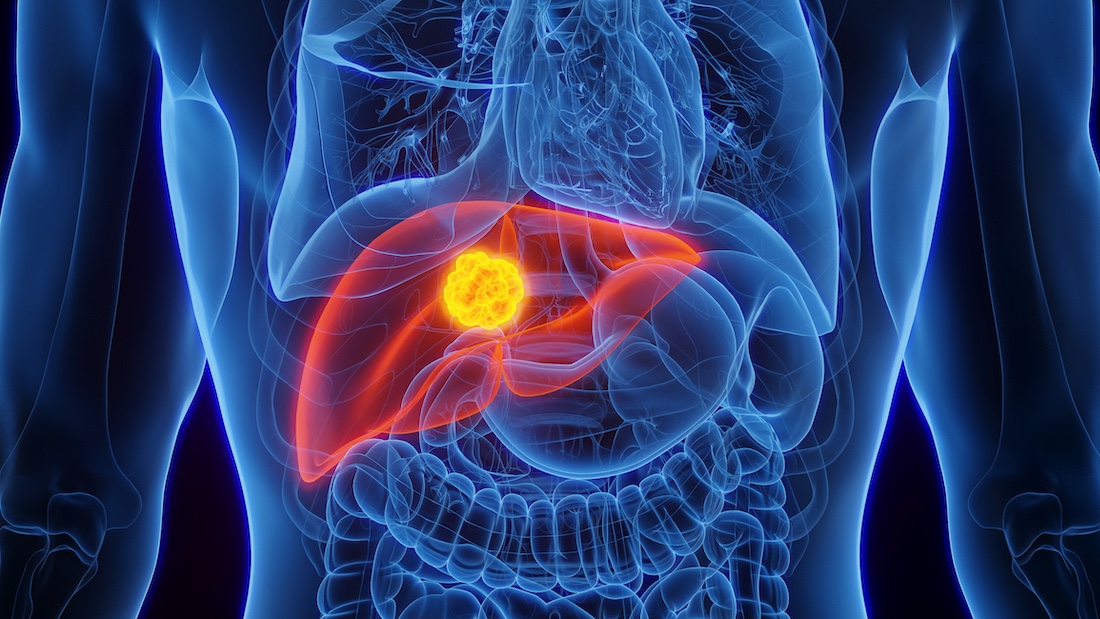
DALLAS – Aug. 17, 2026 – A multidisciplinary team co-led by Amit Singal, M.D., Chief of Hepatology and Director of the Liver Tumor Program in the Division of Digestive and Liver Diseases at UT Southwestern Medical Center, has developed new treatment recommendations for liver cancer that incorporate the latest research and an expanding range of therapeutic options. The consensus-based framework, which was named BEACON-HCC and published in Hepatology, could lead to a new standard approach to patient care that improves outcomes for this devastating disease.
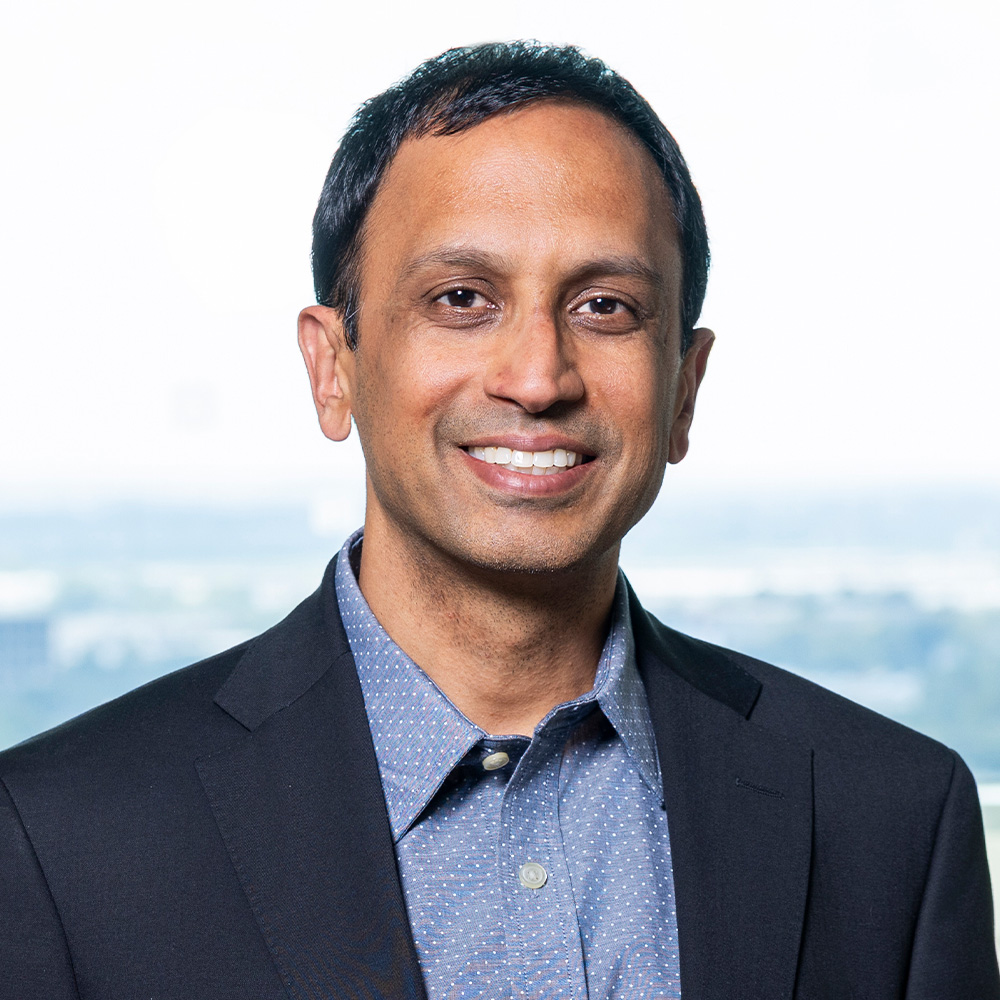
“This is a disease that continues to have a poor prognosis, and we clearly need to do better. BEACON-HCC is an important step in that direction,” said Dr. Singal, Interim Chief of Digestive and Liver Diseases and Professor of Internal Medicine and of Social and Behavioral Sciences in the Peter O’Donnell Jr. School of Public Health. Dr. Singal also serves as Director of the William and Liza Lee Center for Liver Disease and Transplant Research and is a member of the Harold C. Simmons Comprehensive Cancer Center.
The new recommendations focus on hepatocellular carcinoma (HCC), the most common form of primary liver cancer. Unlike many other cancer types, deaths from HCC have increased over time despite improvements in screening and treatment. It’s the third-leading cause of cancer-related death worldwide, with fewer than 25% of patients surviving five years after diagnosis.
Several systems for determining HCC staging and associated treatment exist, Dr. Singal explained, but none are universally accepted by physicians. One called the Barcelona Clinic Liver Cancer (BCLC) staging system is the most widely used. However, he added, the BCLC has limitations in a rapidly changing landscape of research and emerging treatment approaches, especially those available in North America.
To address these drawbacks, Dr. Singal and Mark Yarchoan, M.D., a medical oncologist at Johns Hopkins University School of Medicine, led a group of 20 experts to develop a new HCC treatment framework. After the first meeting in February 2025, the team – which included medical oncologists, hepatologists, surgeons, interventional and diagnostic radiologists, and radiation oncologists from across the nation – refined the recommendations through iterative feedback and voting.
Using 29 real-world HCC cases, the group validated BEACON-HCC recommendations based on their own treatment choices and those of 18 external experts who were not involved in developing the system. The recommendations aligned with the BEACON-HCC framework 96.6% of the time versus 72.4% with BCLC, reflecting modern updates in research and treatments.
BEACON-HCC diverges from BCLC in several important ways, Dr. Singal explained. For example, BEACON-HCC’s recommendations include key elements of tumor biology that might affect treatment selection, such as biomarkers, radiological appearance, the degree of liver involvement, and the degree to which the cancer has infiltrated blood vessels. The system also places a greater emphasis on curative surgical therapies for a larger number of patients – both at initial presentation as well as during follow-up if a patient responds favorably to other treatment options. Finally, BEACON-HCC also incorporates combination therapies, which have been shown in emerging data to improve clinical outcomes.
UTSW’s Liver Tumor Program already follows the treatment framework outlined in BEACON-HCC, Dr. Singal said, providing customized treatment plans developed by a multidisciplinary team of specialists located within the Liver Cancer Clinic. UT Southwestern Simmons Cancer Center also hosts one of the nation’s two Liver Cancer Specialized Programs of Research Excellence (SPOREs) – a large multi-investigator grant established by the National Cancer Institute to promote collaborative, interdisciplinary research to move promising cancer discoveries from the laboratory to the clinic. Through the SPORE, which is led by Dr. Singal as the Principal Investigator, the UTSW Liver Tumor Program is leading innovative trials in HCC prevention as well as neoadjuvant therapy to reduce the risk of recurrence after surgical resection.
Adam Yopp, M.D., Professor of Surgery at UT Southwestern, also contributed to developing the BEACON-HCC system. Dr. Yopp is Surgical Director of the Liver Tumor Program and Director of the Tissue Management Shared Resource at the Simmons Cancer Center. He holds The Occidental Chemical Chair in Cancer Research.
Dr. Singal is a Dedman Family Scholar in Clinical Care and holds the Willis C. Maddrey, M.D. Distinguished Chair in Liver Disease.
About UT Southwestern Medical Center
UT Southwestern, one of the nation’s premier academic medical centers, integrates pioneering biomedical research with exceptional clinical care and education. The institution’s faculty members have received six Nobel Prizes and include 28 members of the National Academy of Sciences, 26 members of the National Academy of Medicine, and 14 Howard Hughes Medical Institute Investigators. The full-time faculty of nearly 3,400 is responsible for groundbreaking medical advances and is committed to translating science-driven research quickly to new clinical treatments. UT Southwestern physicians in more than 80 specialties care for more than 143,000 hospitalized patients, attend to more than 470,000 emergency room cases, and oversee nearly 5.3 million outpatient visits a year.