
Pediatric Infectious Disease Fellowship Program
UT Southwestern Medical Center's Pediatric Infectious Disease Fellowship Program provides exceptional opportunities for clinical training in infectious diseases.
The overall goals and objectives for pediatric infectious disease (ID) fellows are to:
- Gain extensive experience in the diagnosis and management of children with infectious diseases
- Acquire in-depth exposure to immunocompromised host infectious disease, antimicrobial stewardship, and infection prevention
- Become highly skilled clinicians, educators, and researchers in pediatric infectious disease
The Division of Pediatric Infectious Disease prides itself on providing excellent core clinical training paired with the flexibility to pursue the interests of each individual fellow.
Duration of Fellowship
- The fellowship is a minimum of three years, as required by the Pediatric Residency Review Committee (RRC) of the ACGME.
- Fellows who have completed training in another subspecialty may apply to the ACGME for approval of a two-year program.
Number of Fellows
- One to two fellows per year
Message from the Director
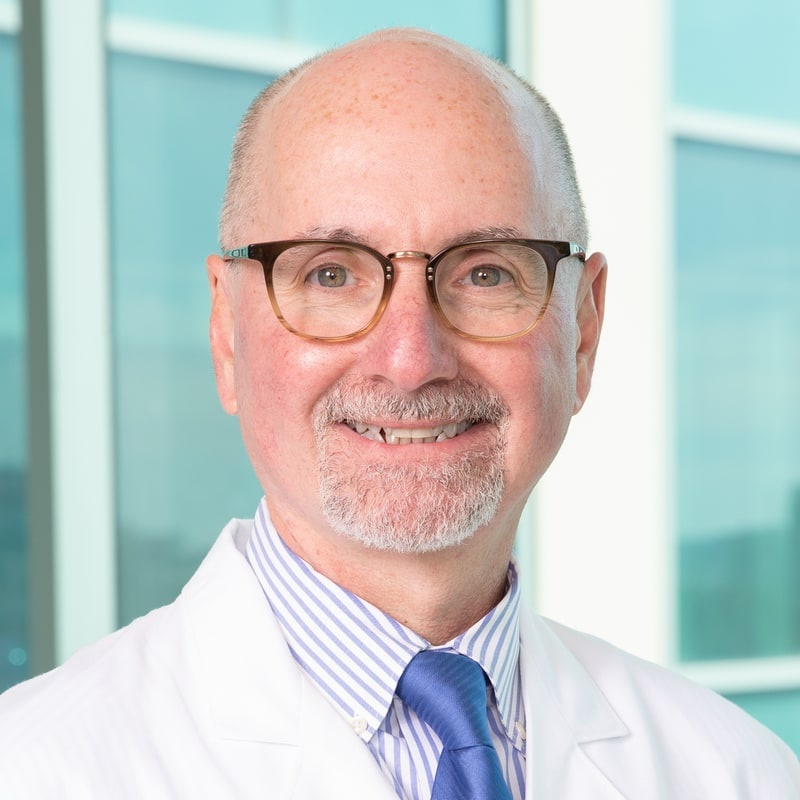
Division Chief, Pediatric Infectious Disease
Director, Pediatric Infectious Disease Fellowship Program
I welcome you to consider the fellowship opportunities at UT Southwestern Medical Center and our affiliated children's hospital, Children's Medical Center Dallas. Ours is one of the longest-standing pediatric infectious diseases divisions in the country. The Division was established in the early 1960s with one faculty member, John D. Nelson, M.D., who created the training program in 1965. Shortly thereafter, George McCracken, M.D., joined the Division.
Drs. Nelson and McCracken managed the Division for decades, graduating more than 100 fellows, many of whom are currently academic leaders in infectious diseases. From these roots, the fellowship program has been one of - if not the - longest-standing and most productive pediatric infectious disease fellowship programs in the world.
Over the years, the Division has grown substantially. The Division now has two inpatient consultation services and five outpatient clinics (general ID, transplant, pediatric HIV, tuberculosis, and congenital infections). In addition to the inpatient and outpatient experience at Children's, fellows also see patients at Parkland Memorial Hospital, which has one of the largest neonatal intensive care units in the country and an active burn unit.
The clinical experience is robust, as are the opportunities for research endeavors both at UTSW and Children's. Overall, graduating fellows leave the program with exposure to a wide array of disease conditions in a vastly broad patient population. I encourage you to explore what's possible here."
Testimonials
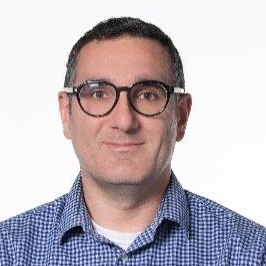
"I had an outstanding experience as a pediatric infectious disease fellow at UT Southwestern. The attendings were incredibly supportive and always available, creating a truly nurturing learning environment. I gained extensive clinical experience through a wide variety of inpatient and outpatient cases, while the program offered abundant research opportunities across basic science, clinical, and translational projects. I was fortunate to present my work and publish on antimicrobial stewardship during my fellowship. Dallas is a vibrant city with so much to offer, making it a wonderful place to live and train. I often look back fondly on my time at UT Southwestern and remain closely connected with my former attendings and co-fellows."
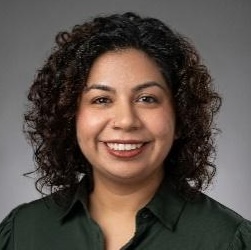
"I chose UT Southwestern for fellowship because it offers a broad and well-rounded clinical experience, ranging from common 'bread-and-butter' infectious diseases to rare and highly complex infections, and across both immunocompetent and immunocompromised patient populations. The program is supported by exceptionally knowledgeable and supportive faculty, along with strong mentorship in research and academic development. Through the depth and rigor of the training I received, I felt well prepared to transition into an attending role with confidence, while also understanding the importance of continued learning and growth."
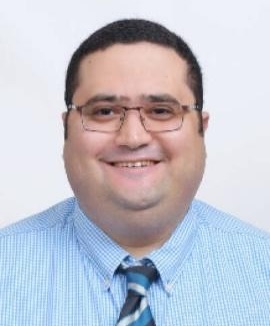
"My fellowship training at UT Southwestern prepared me exceptionally well for my current role as an academic physician in a university hospital. I chose UTSW because of the nature of it being a referral center and knowing I would be exposed to very difficult and challenging cases. Children's also has a large transplant population, and hence a large, immunocompromised population with a plethora of infectious complications that allowed me to work closely with other subspecialties. Another advantage of being a stand-alone pediatric hospital is the fact that the hospital has a dedicated antimicrobial stewardship program (ASP), and the fellows are front and center in managing the stewardship decisions alongside the ID pharmacists, which is an immense opportunity for learning. Last but certainly not least, UTSW, through its association with Scottish Rite for Children and its top-notch pediatric orthopedic program, affords access to an array of very complicated osteo-articular infections and mentorship from attendings who have even contributed to national guidelines."
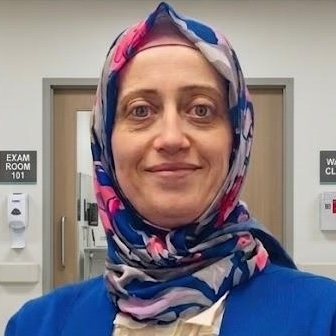
"What makes the UTSW pediatric ID fellowship so exceptional is the perfect balance of high-yield learning and a genuinely supportive culture. Training in such a massive hospital system exposed me to an incredible volume of complicated cases, giving me the autonomy to grow as a clinician alongside outstanding research opportunities. The attendings are not just great teachers and mentors, but deeply nice, understanding people who actively prioritize work-life balance and individual growth. It is a truly comprehensive program where you feel entirely supported as both a colleague and a person."
Program Leadership
Chief, Division of Pediatric Infectious Disease
Professor
Program Director, Pediatric Infectious Disease Fellowship Program
Professor
Associate Program Director, Pediatric Infectious Disease Fellowship Program
Priscilla Castro
Program Coordinator
Contact Us
pidfellowship@utsouthwestern.edu