
Pediatric Hematology/Oncology Fellowship Program Research and Scholarly Activities
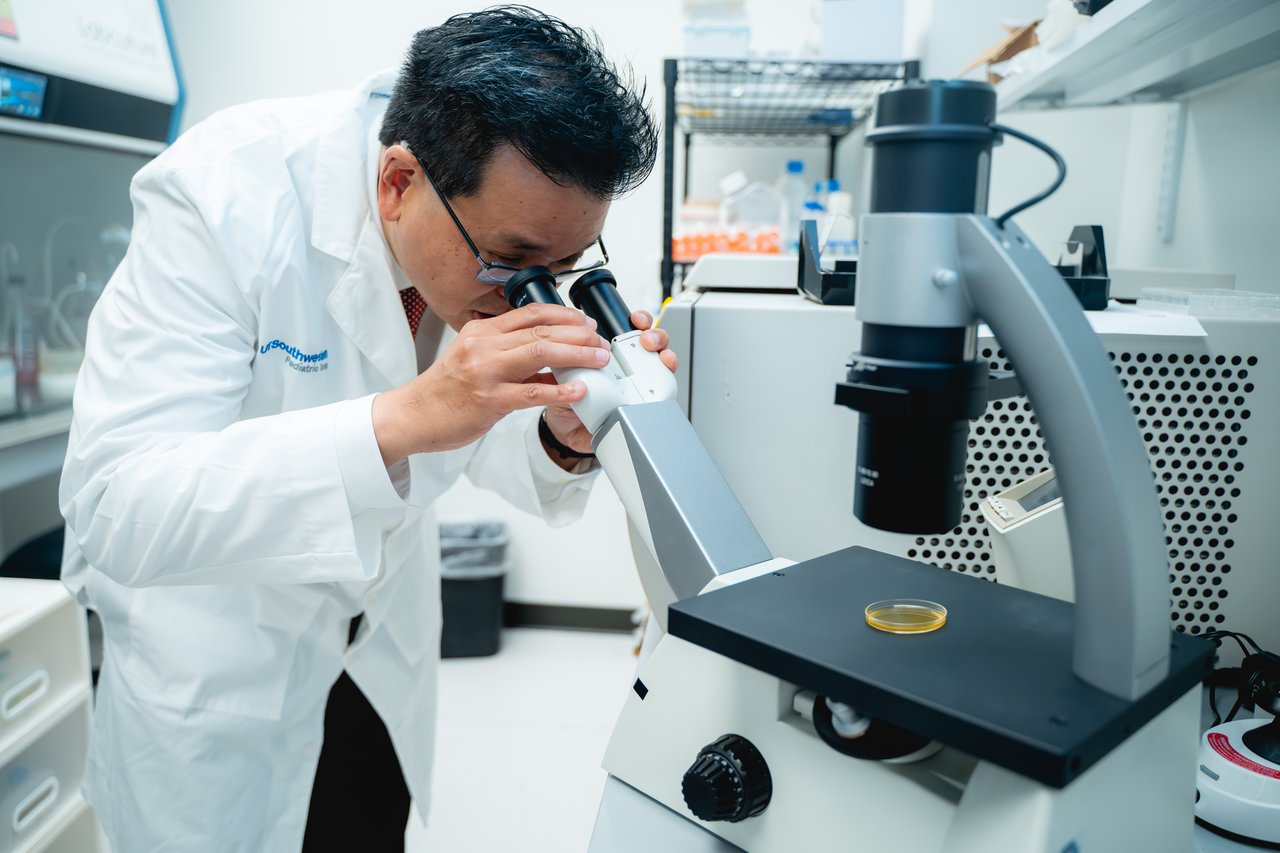
Fellows will pick a scholarly project of their interest. Scholarly projects can be clinical or laboratory based and can involve basic science, translational, qualitative, quantitative, or quality improvement methods. Mentors guide fellows throughout their final two years of fellowship, to ensure they have a completed work product as required by the American Board of Pediatrics. During their research years, fellows meet with their mentoring team at least quarterly.
Research spans seven Division laboratories and collaborations across the entire UT Southwestern Medical Center campus. Examples of exciting research being done within the division of pediatric hematology/oncology include:
- Koh Lab studies how the gut microbiome shapes immunity in cancer and stem cell transplant patients, influencing infections, autoimmunity, and anti-tumor responses, using mechanistic models and multiomic, patient-linked studies to pinpoint microbial effectors.
- The UT Southwestern Harold C. Simmons Comprehensive Cancer Center, designated by the NCI as a Comprehensive Cancer Center, has scientific programs drawing on expertise in the Departments of Molecular Biology, Developmental Biology, Biochemistry, Immunology, and Clinical Sciences. It offers tremendously fertile opportunities for fellowship trainees to delve more deeply into mechanisms of disease.
Learn more about research in our division.
Fellows can take advantage of master’s-level training through the School of Public Health or the School of Education while they are in fellowship.