
Pediatric Hematology and Oncology Research
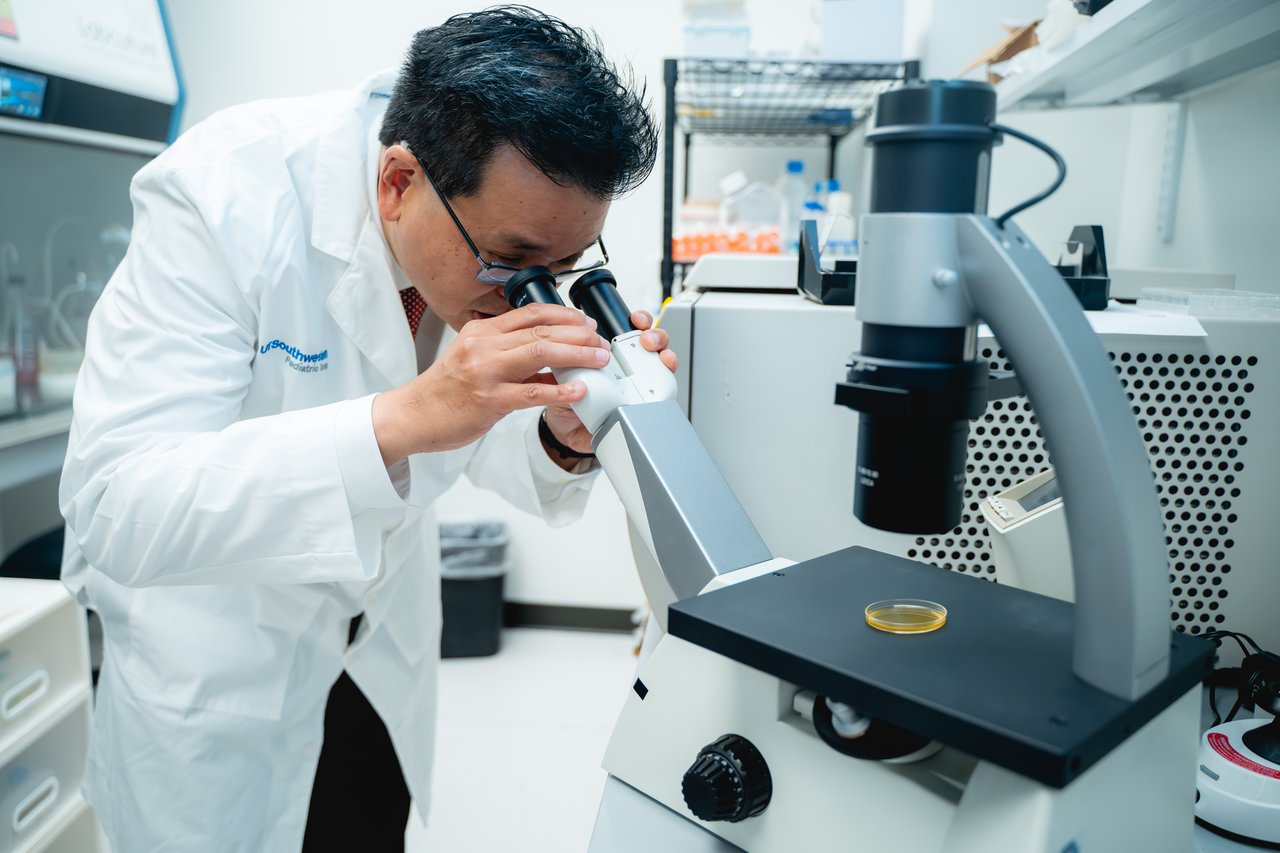
Faculty in the Division of Pediatric Hematology and Oncology conduct a wide variety of research initiatives to advance understanding of cancers and blood diseases in the pursuit of better therapies and treatment.
Basic Science/Translational Research
We study cancer and blood disorders through molecular and cell biology, immunology, and microbiology. Research spans seven Division laboratories and collaborations across the entire UT Southwestern Medical Center campus, including the National Cancer Institute (NCI)-designated Harold C. Simmons Comprehensive Cancer Center and the Children's Medical Center Research Institute at UT Southwestern.
Chen (Kenneth) Lab investigates how loss of control over RNA production and degradation drives pediatric cancers - and exploits RNA dysregulations as therapeutic targets.
Koh Lab studies how the gut microbiome shapes immunity in cancer and stem cell transplant patients, influencing infections, autoimmunity, and anti-tumor responses, using mechanistic models and multiomic, patient-linked studies to pinpoint microbial effectors.
Li (Xin) Lab investigates how commensal gut fungi - especially Candida - shape tissue immunity, developing genetic tools and multiscale models to identify fungal effectors and host pathways and to engineer mycobiome-based immunotherapies.
Voit Lab defines how gene regulatory and translational networks control hematopoietic stem cell fate and erythroid maturation, revealing MECOM-driven vulnerabilities in myeloid leukemias and advancing lineage-restricted, regulated-GATA1 gene therapy toward a genotype-agnostic treatment for Diamond-Blackfan anemia.
Wei Lab conducts "humid" research - blending wet and dry lab approaches - to map pediatric solid tumor heterogeneity with single-cell and spatial transcriptomics, define the regulatory networks driving cell-state transitions, and translate those insights into precision strategies against resistance, recurrence, and metastasis.
Zheng Lab studies how inflammation reshapes the bone marrow niche to give mutated blood-forming stem cells a competitive edge, illuminating the earliest steps that seed myeloid leukemias and potential points for prevention.
Zhu (Yuan) Lab investigates how tumor-suppressor gene defects - especially NF1 - disrupt neural stem/progenitor programs and activate RAS/MAPK signaling to drive nervous-system tumors, using engineered models to map lineage and mechanism and translating these insights toward targeted therapies and clinical trials.
Notable research projects include:
- Microbiome and anti-tumor response (Koh Lab)
- Novel targets in cancer (Voit, Chen, and Zheng Labs)
- Vulnerabilities in pediatric solid tumors (Wei Lab)
- Brain tumor biology (e.g., tumor suppressor genes) (Zhu Lab)
- Microbiome and autoimmunity (Li Lab)
Clinical Research
The Division of Pediatric Hematology/Oncology runs a broad, robust, and continuously growing portfolio of pediatric oncology, hematology, and cellular therapy clinical research studies, supported by the Clinical Research Office at the Pauline Allen Gill Center for Cancer and Blood Disorders at Children's Health and the Simmons Comprehensive Cancer Center at UT Southwestern. Currently, there are 174 oncology trials, 28 cellular therapy and 21 hematology trials, of which 60% are therapeutic and are open for enrollment for Gill Center patients.
Several faculty members engage in cutting-edge clinical research:
Zia Research Program is active in deciphering post-pulmonary embolism and post-thrombotic syndromes; the intersection of women's health and hematology; global coagulation assays as biomarkers of hemostasis and thrombosis; and mentoring the next generation of physician-scientists.
Umaretiya Research Program identifies and addresses racial, ethnic, and socioeconomic inequities during childhood cancer care, with a focus on advanced cancer and clinical-trial decision-making, and develops targeted interventions for historically marginalized families.
Martin Research Program focuses on the dynamics of red blood cell physiology and vaso-occlusive pain, utilizing red blood cell health biomarkers to investigate the clinical heterogeneity seen in sickle cell disease (SCD).
Other notable highlights include:
- The VITAS Trial (NCT04796012): Investigator-initiated multicenter phase I/II trial combining Vincristine, Irinotecan, Temozolamide with Atezolizumab (anti-PD-L1) in children with relapsed/refractory Solid tumors. Principal Investigator: Arhanti Sadanand, M.D.
- The FUVID Study: Functional Characterization of Children with Chronic Venous Thromboembolic Disease
- Fertility Preservation Program: Ongoing trial expanding options for young male patients who currently lack standard clinical pathways. Principal Investigator: Ksenya Shliakhtsitsava, M.D.
- Experimental Therapies Program: Designs and activates early-phase trials for children with cancer and blood disorders. Faculty Leads: Samuel John, M.D., and Avanthi Shah, M.D.
- Precision Medicine Program: Provides host and tumor profiling (e.g., clinical tumor sequencing for high-risk pediatric cancers), frequently identifying targetable variants and guiding personalized care; it is integrated with our PHO Biospecimen Repository (tumor, blood, stool, urine) to accelerate discovery. Principal Investigators: Laura Klesse, M.D., Ph.D., and Erin Butler, M.D.
Funding and Philanthropy
Our research is supported by NIH (including NCI/NIAID), CPRIT, industry partners, and generous philanthropy from foundations including Children's Cancer Fund, Wipe Out Kids Cancer, Curing Kids Cancer, Hyundai Hope on Wheels, and the V Foundation.