
Search
Key protein behind necroptotic cell death could drive new treatment strategies: Newsroom - UT Southwestern, Dallas, Texas
https://www.utsouthwestern.edu/newsroom/articles/year-2025/dec-key-protein-necroptotic-cell-death.html
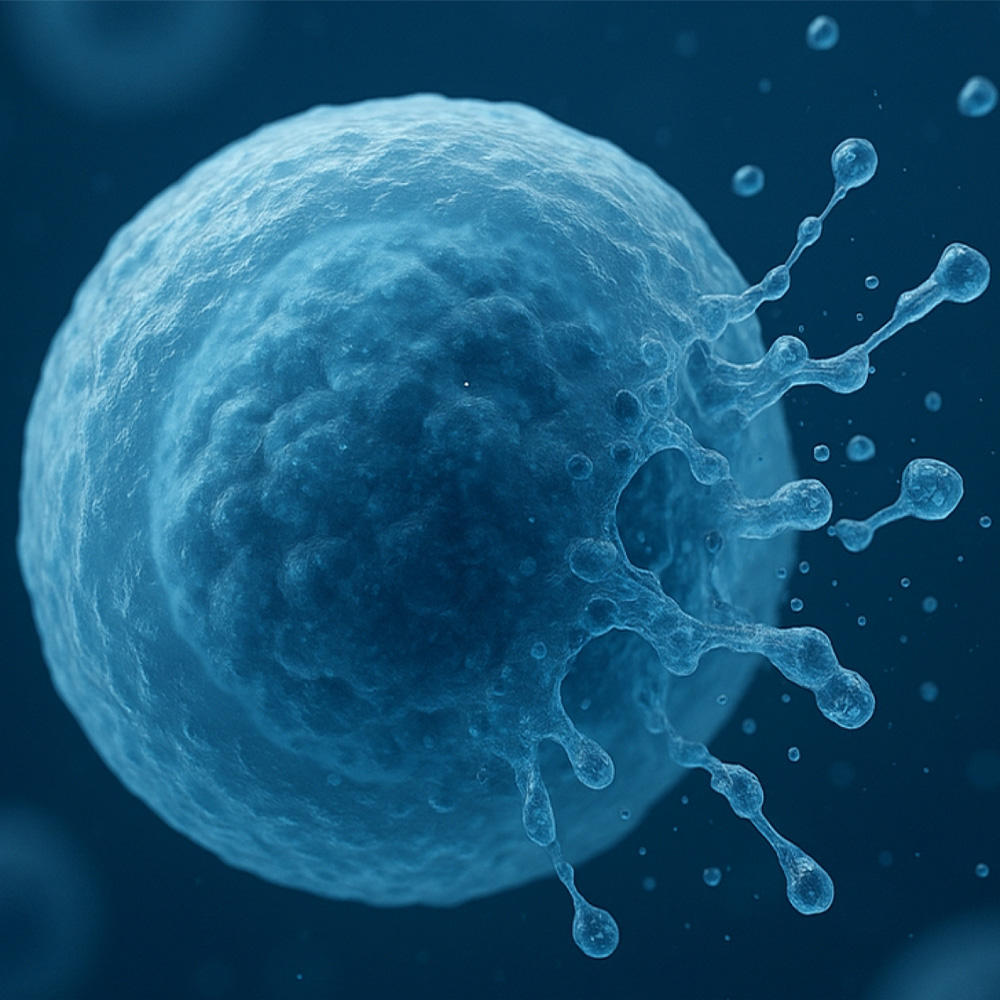
Researchers at UT Southwestern Medical Center have identified a protein that causes human cell membranes to break open in a form of inflammatory programmed cell death called necroptosis.
Modified tau thwarts aggregation in neurodegenerative disease: Newsroom - UT Southwestern, Dallas, Texas
https://www.utsouthwestern.edu/newsroom/articles/year-2025/dec-tau-thwarts-aggregation-neurodegenerative-disease.html
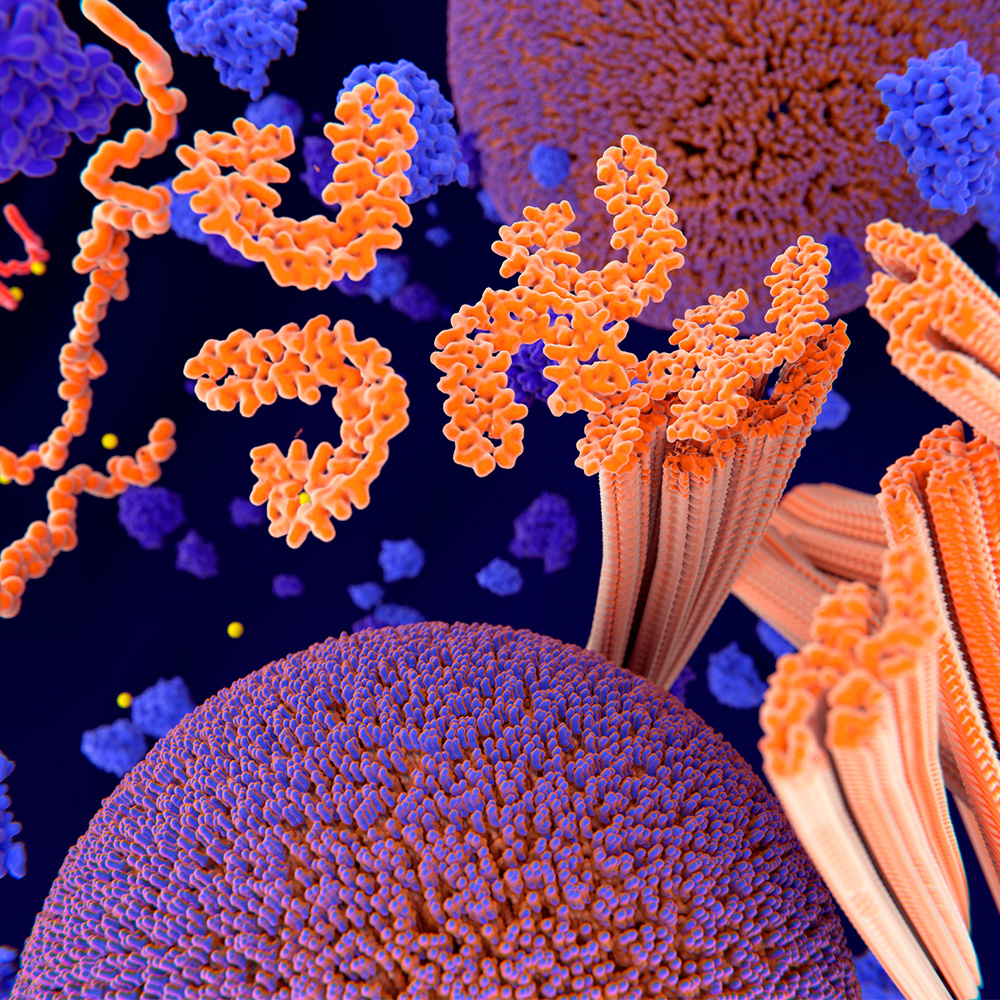
A designer version of the tau protein, developed by a team led by UT Southwestern Medical Center researchers, maintains its biological function while resisting aggregation, a pathological trait linked to neurodegenerative diseases called tauopathies.
Developmental ‘switch’ in brain may shape lifelong obesity risk: Newsroom - UT Southwestern, Dallas, Texas
https://www.utsouthwestern.edu/newsroom/articles/year-2026/feb-developmental-switch-brain-obesity-risk.html
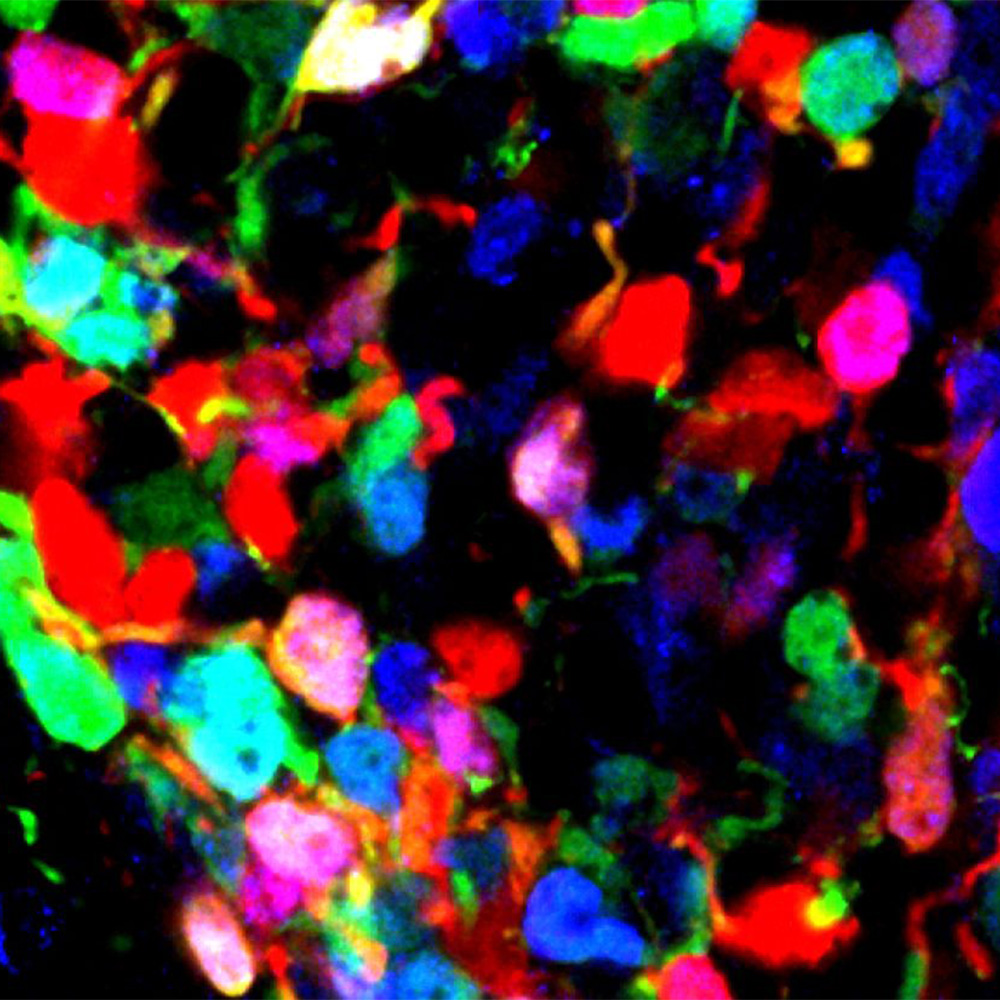
Researchers at UT Southwestern Medical Center have discovered that a crucial developmental process in the brain’s hypothalamus may influence how susceptible individuals are to obesity.
Type of KRAS mutation may guide more effective cancer treatments: Newsroom - UT Southwestern, Dallas, Texas
https://www.utsouthwestern.edu/newsroom/articles/year-2026/feb-kras-mutation-cancer-treatments.html
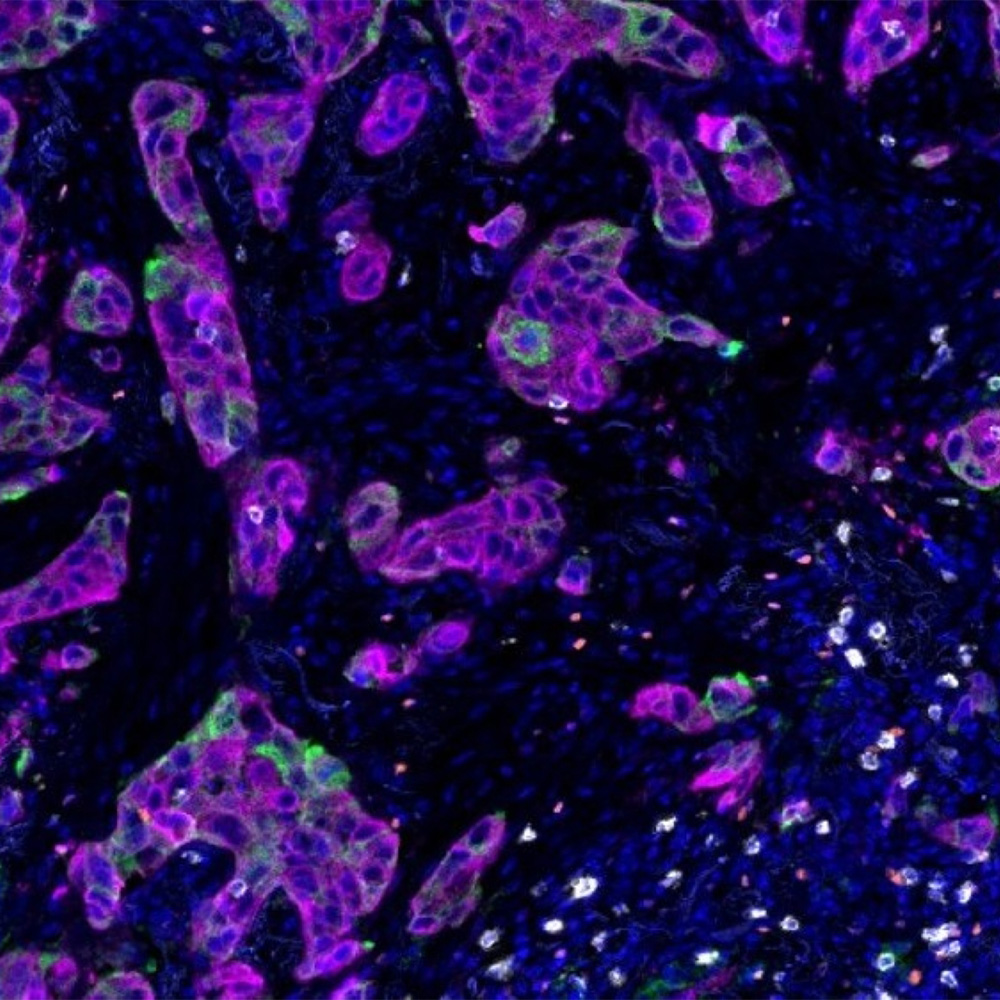
KRAS is the most frequently mutated oncogene across all human cancers. Although different KRAS mutations have long been thought to exert the same cancer-driving effects, a new study led by UT Southwestern Medical Center researchers suggests that different KRAS mutation types can variously impact how cancer cells interact with immune cells, significantly affecting the malignant cells’ behavior.
Birds’ songs may help unlock brain patterns behind speech : Newsroom - UT Southwestern, Dallas, Texas
https://www.utsouthwestern.edu/newsroom/articles/year-2026/jan-birds-songs-brain-patterns.html
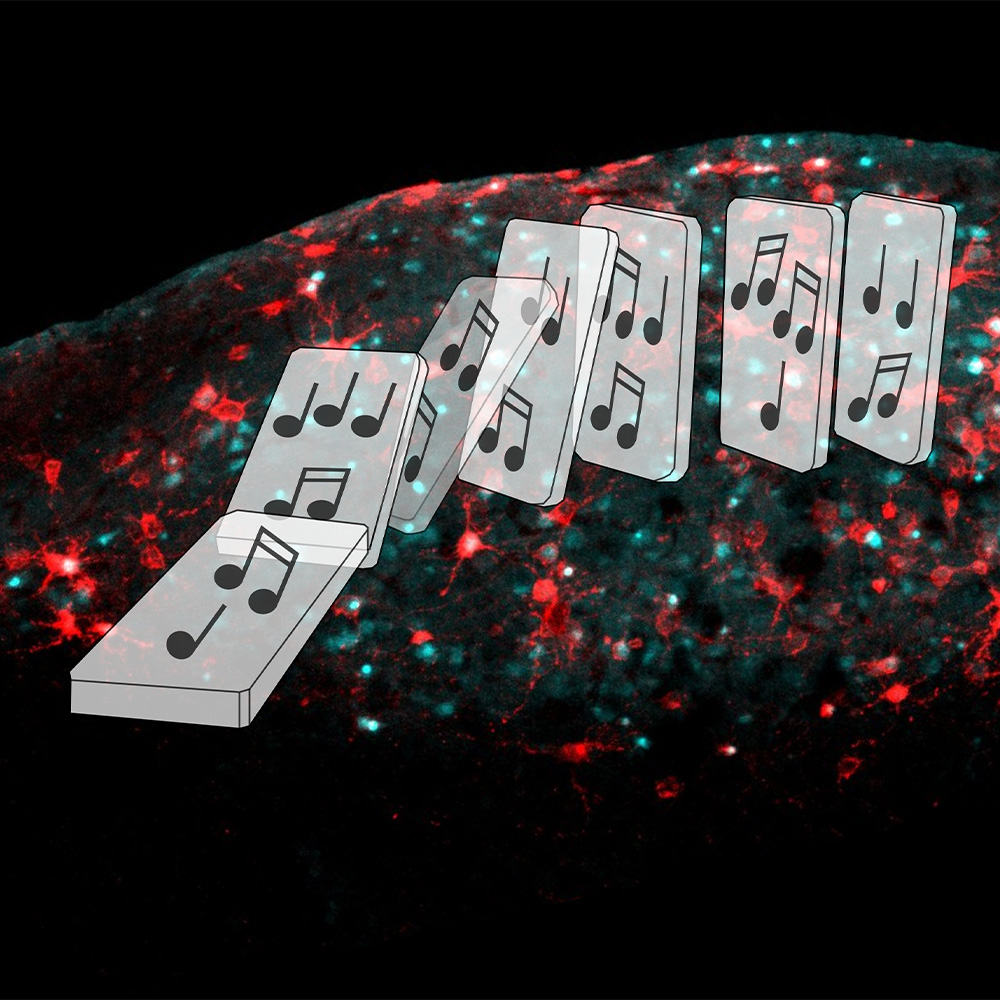
Like falling dominoes, a sequence of activity in an area of the zebra finch brain plays to completion once initiated, allowing these birds to produce their full courtship song, a study led by UT Southwestern Medical Center researchers shows.
Neuropathic bladder patients face complications after hip surgery : Newsroom - UT Southwestern, Dallas, Texas
https://www.utsouthwestern.edu/newsroom/articles/year-2026/jan-neuropathic-bladder-patients-hip-surgery.html

Patients with neuropathic bladder (NB), a condition in which nerve damage affects bladder function, have a significantly higher risk of joint infections, blood clots, and other adverse events after receiving total hip replacement (THR), UT Southwestern Medical Center researchers found.
Study identifies key protein regulating cholesterol release : Newsroom - UT Southwestern, Dallas, Texas
https://www.utsouthwestern.edu/newsroom/articles/year-2026/feb-key-protein-cholesterol-release.html
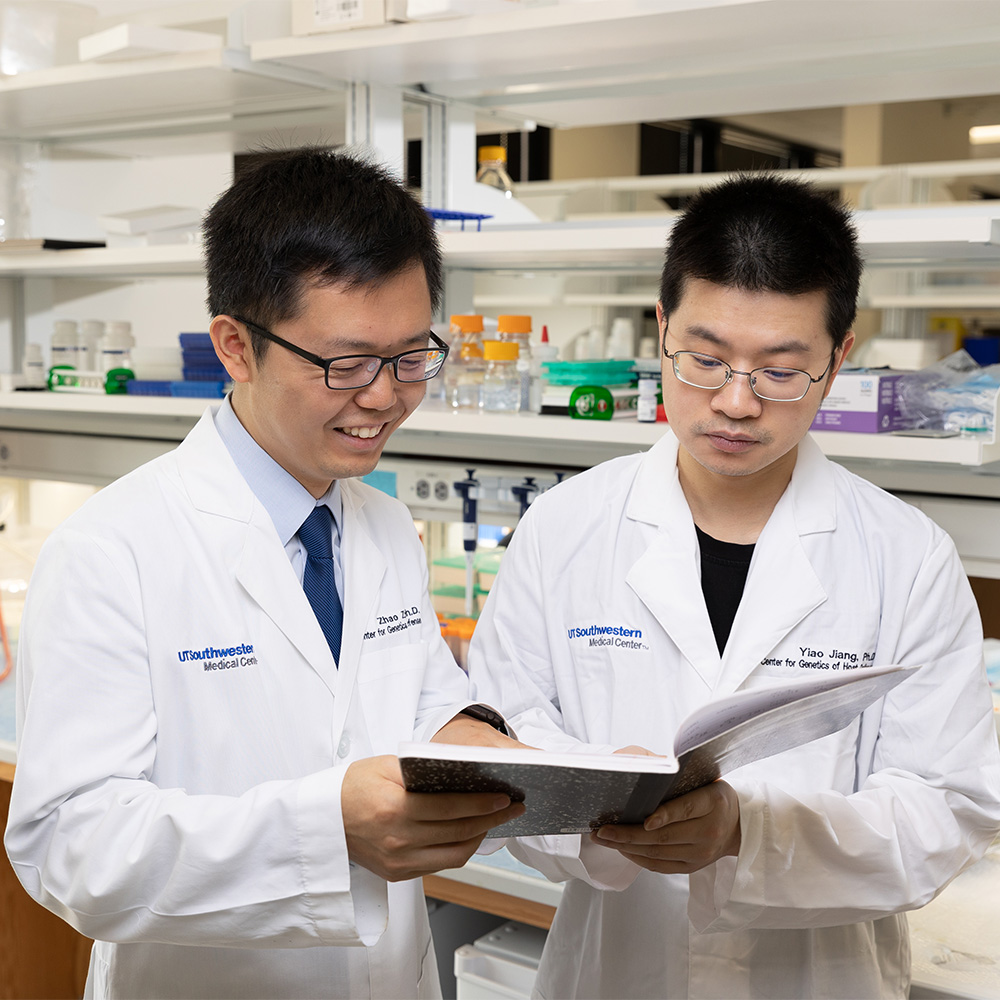
Two UT Southwestern Medical Center researchers have identified a protein that plays a key role in controlling the liver’s release of cholesterol-carrying lipoproteins into the bloodstream, a discovery that could lead to new treatments for atherosclerotic heart disease and fatty liver disease.
Study reveals molecular ‘switch’ that turns on inflammation in obesity: Newsroom - UT Southwestern, Dallas, Texas
https://www.utsouthwestern.edu/newsroom/articles/year-2026/jan-molecular-switch-inflammation-obesity.html
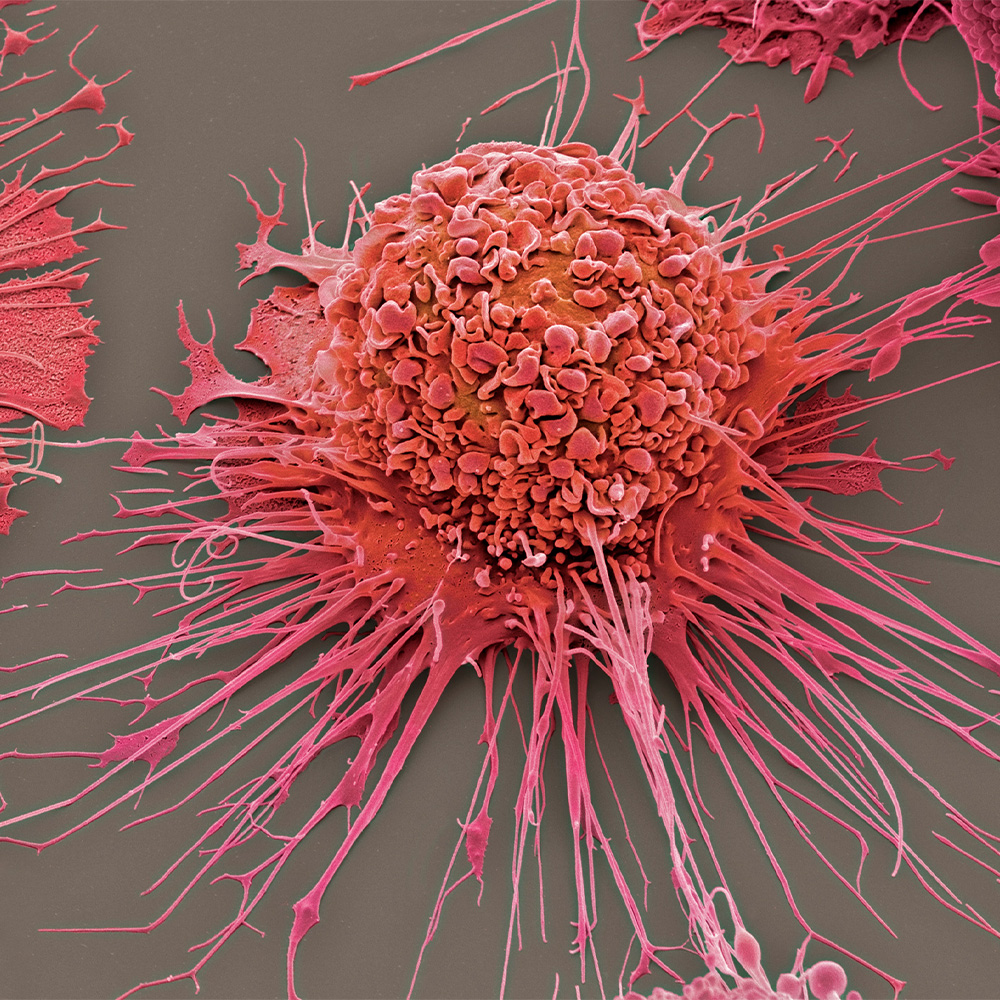
A team led by UT Southwestern Medical Center researchers has uncovered a molecular pathway that links obesity to widespread inflammation, providing long-sought insight into why obesity increases the risk of Type 2 diabetes, cardiovascular disease, fatty liver disease, and certain cancers.
Changes in circadian rhythms linked to higher dementia risk: Newsroom - UT Southwestern, Dallas, Texas
https://www.utsouthwestern.edu/newsroom/articles/year-2026/jan-circadian-rhythms-higher-dementia-risk.html

Disruptions in patterns of daily activity and rest may provide early clues to heightened dementia risk, a study co-led by a UT Southwestern Medical Center scientist found.
UTSW researchers boost the power of CAR T cells to fight cancer : Newsroom - UT Southwestern, Dallas, Texas
https://www.utsouthwestern.edu/newsroom/articles/year-2026/jan-car-t-cell-to-fight-cancer.html
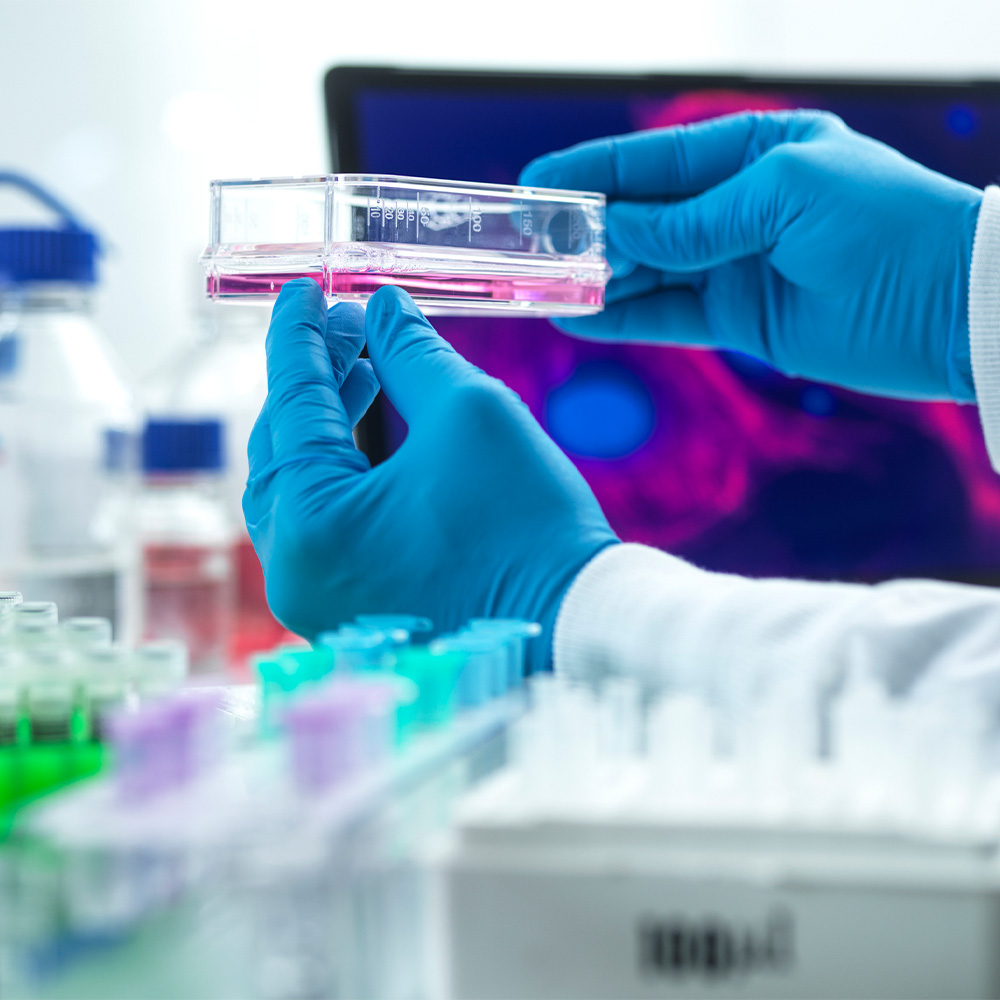
UT Southwestern Medical Center researchers have discovered that increasing the levels of a protein called BACH2 makes engineered cancer-fighting immune cells behave more like stem cells, improving their therapeutic effectiveness.