
Search
Same difference: Predicting divergent paths of genetically identical cells: Newsroom - UT Southwestern, Dallas, Texas
https://www.utsouthwestern.edu/newsroom/articles/year-2021/predicting-divergent-paths-of-genetically-identical-cells.html
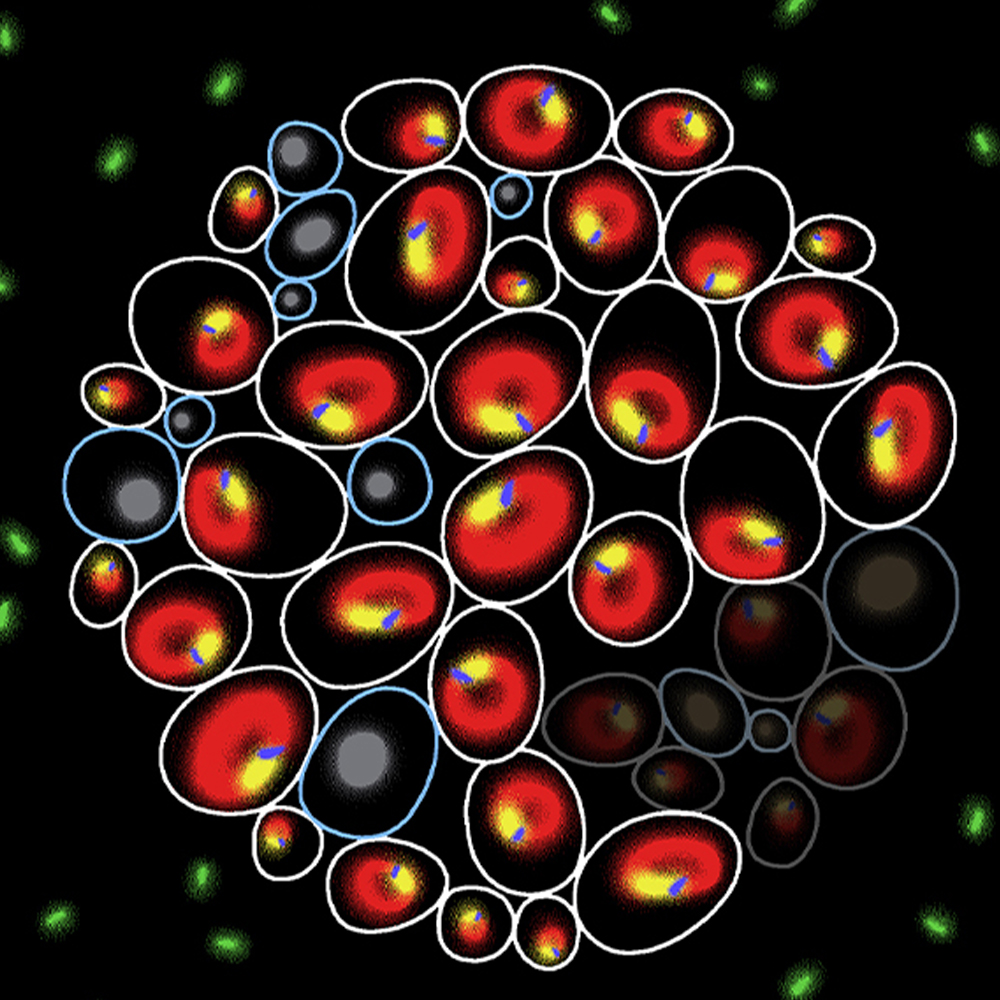
A set of biomarkers not traditionally associated with cell fate can accurately predict how genetically identical cells behave differently under stress, according to a UT Southwestern study.
Yen-Sheng Lin, Ph.D., Musculoskeletal Research: Physical Medicine & Rehabilitation - UT Southwestern, Dallas, Texas
https://www.utsouthwestern.edu/departments/pmr/research/yen-sheng-lin-musculoskeletal-research.html
Dr. Lin researches risk factors of primary and secondary complications in individuals with orthopaedic or neurophysiological disorders.
Brain activity discovery could transform Parkinson’s treatment: Newsroom - UT Southwestern, Dallas, Texas
https://www.utsouthwestern.edu/newsroom/articles/year-2026/aug-brain-activity-parkinsons-treatment.html
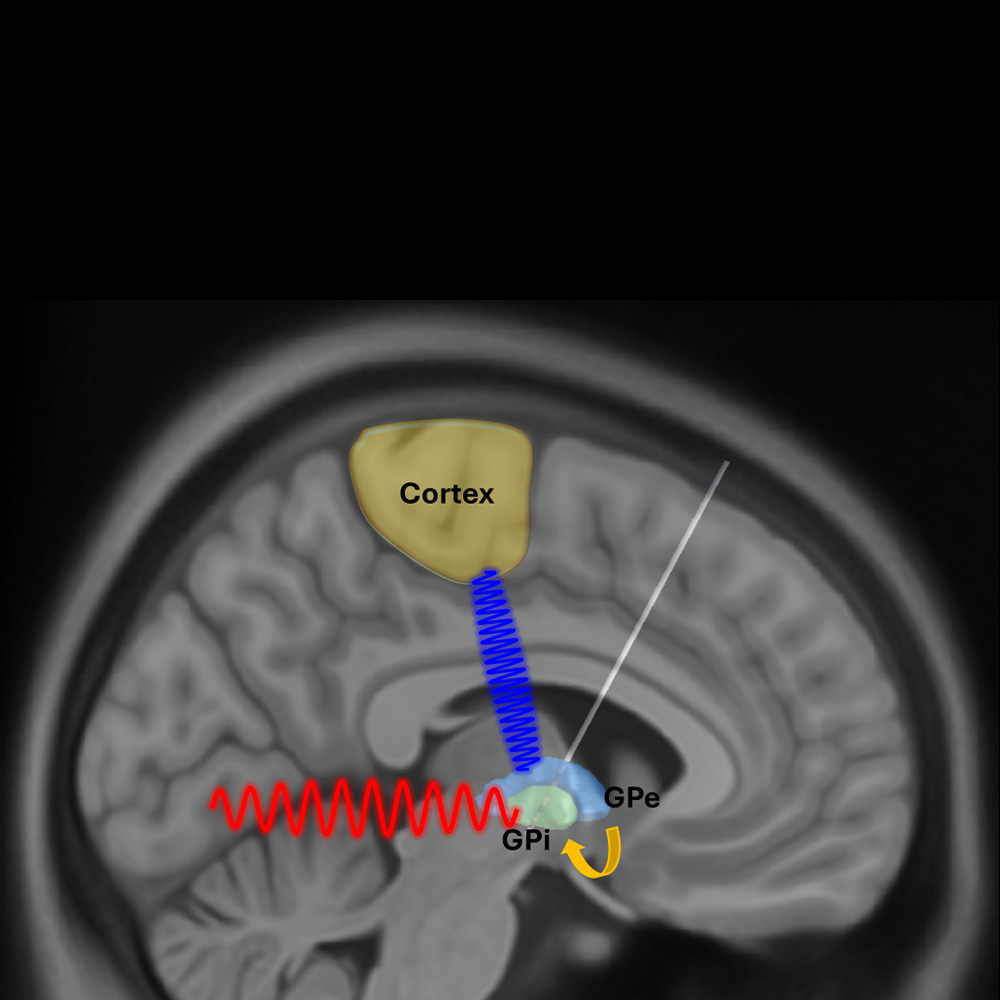
Researchers at UT Southwestern Medical Center studying Parkinson’s disease have discovered a previously unrecognized sequence of abnormal activity across multiple regions of the brain, providing a new level of understanding that could improve treatment options.
Autoantibodies could play key role in cancer progression and prevention: Newsroom - UT Southwestern, Dallas, Texas
https://www.utsouthwestern.edu/newsroom/articles/year-2026/july-autoantibodies-cancer-progression-prevention.html

Scientists have long sought to understand why some people with no known risk factors develop cancer while others with significant risk never do.
New research center set to explore treatments for Alzheimer’s : Newsroom - UT Southwestern, Dallas, Texas
https://www.utsouthwestern.edu/newsroom/articles/year-2026/aug-research-center-treatments-alzheimers.html
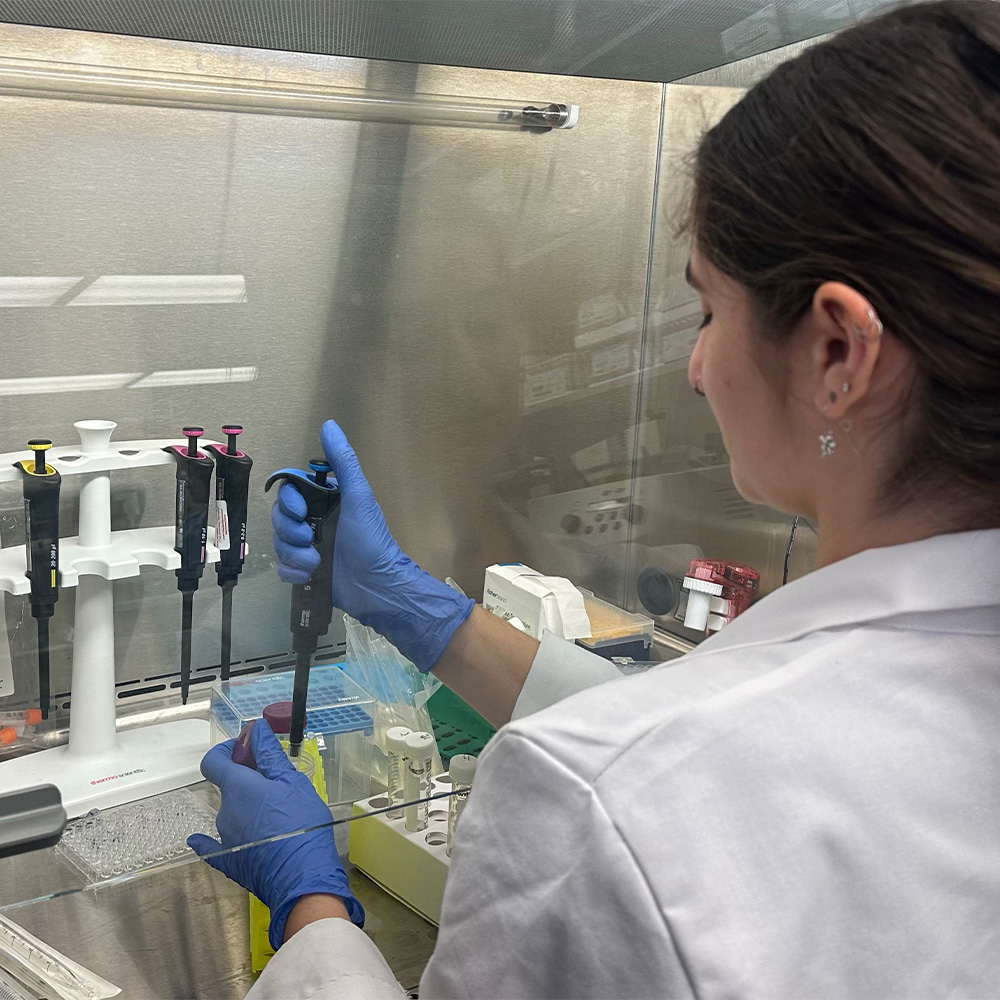
Since launching in April, the North Texas Alzheimer’s Disease Research Center (NT-ADRC) based at UT Southwestern Medical Center has quickly established the foundation needed to support cutting-edge research into Alzheimer’s and related dementias.
Masashi Yanagisawa, M.D., Ph.D., receives Lasker Award for discovery that transformed narcolepsy care: Newsroom - UT Southwestern, Dallas, Texas
https://www.utsouthwestern.edu/newsroom/articles/year-2026/sept-yanagisawa-lasker-award-narcolepsy-care.html
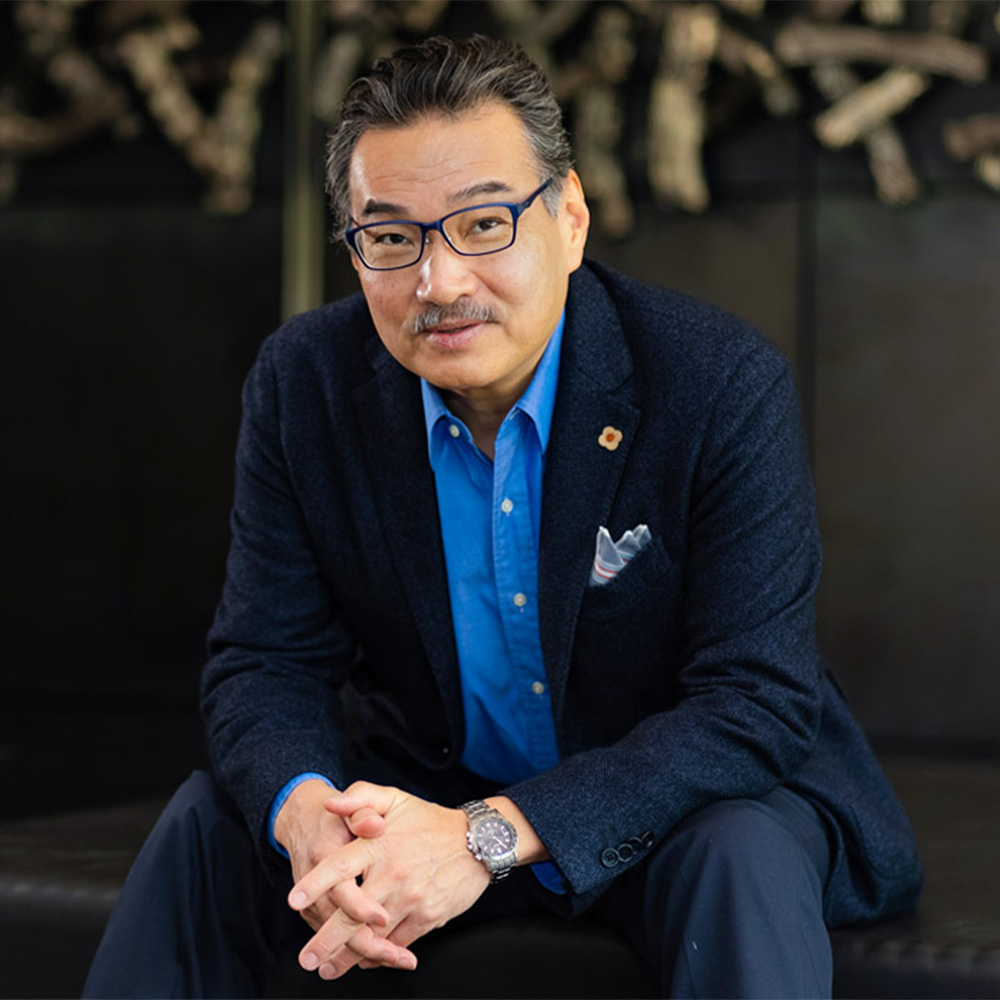
The Lasker Foundation has announced that UT Southwestern sleep researcher Masashi Yanagisawa, M.D., Ph.D., is a recipient of the 2026 Albert Lasker Basic Medical Research Award for his discovery of orexin, a brain peptide that maintains wakefulness, and demonstration that the absence of its action is responsible for narcolepsy, a profound disorder of sleep.
Robot could improve diagnosis, treatment of small intestine disorders : Newsroom - UT Southwestern, Dallas, Texas
https://www.utsouthwestern.edu/newsroom/articles/year-2026/oct-robot-improve-gastroenterologists-diagnosis.html
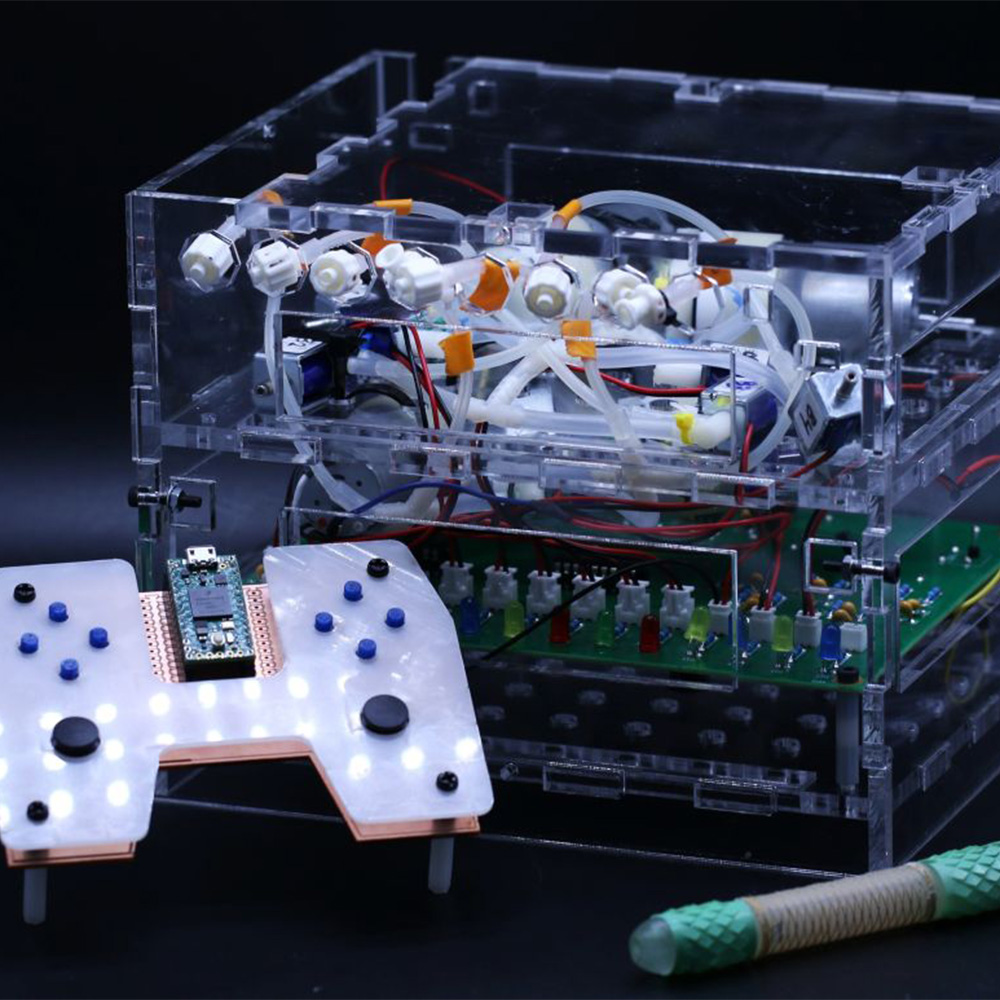
An innovative robotic device inspired by snake movement could someday help gastroenterologists diagnose and treat inflammatory bowel disease (IBD) and other disorders of the small intestine and remove small polyps while reducing trauma to the organ’s delicate tissues.
UTSW Research: Heart failure, diet’s impact on aging, and MS drugs: Newsroom - UT Southwestern, Dallas, Texas
https://www.utsouthwestern.edu/newsroom/articles/year-2026/oct-research-roundup-heart-failure.html

Research published in Science Advances found that specific blood proteins may help explain how social and economic disadvantages increase the risk of heart failure.
Targeted radiation shows promise for life-threatening kidney cancer complication: Newsroom - UT Southwestern, Dallas, Texas
https://www.utsouthwestern.edu/newsroom/articles/year-2026/oct-targeted-radiation-kidney-cancer-complication.html

When Diane Gentry, a 71-year-old retiree from Watauga, Texas, was diagnosed with stage 4 kidney cancer in 2015, she learned the tumor had grown into her inferior vena cava, the body’s largest vein. This potentially life-threatening complication can require extensive surgery and carries a high risk of cancer recurrence.
Exercise keeps astronauts’ hearts strong enough for flight to Mars : Newsroom - UT Southwestern, Dallas, Texas
https://www.utsouthwestern.edu/newsroom/articles/year-2026/sept-exercise-keeps-astronauts-hearts-strong.html
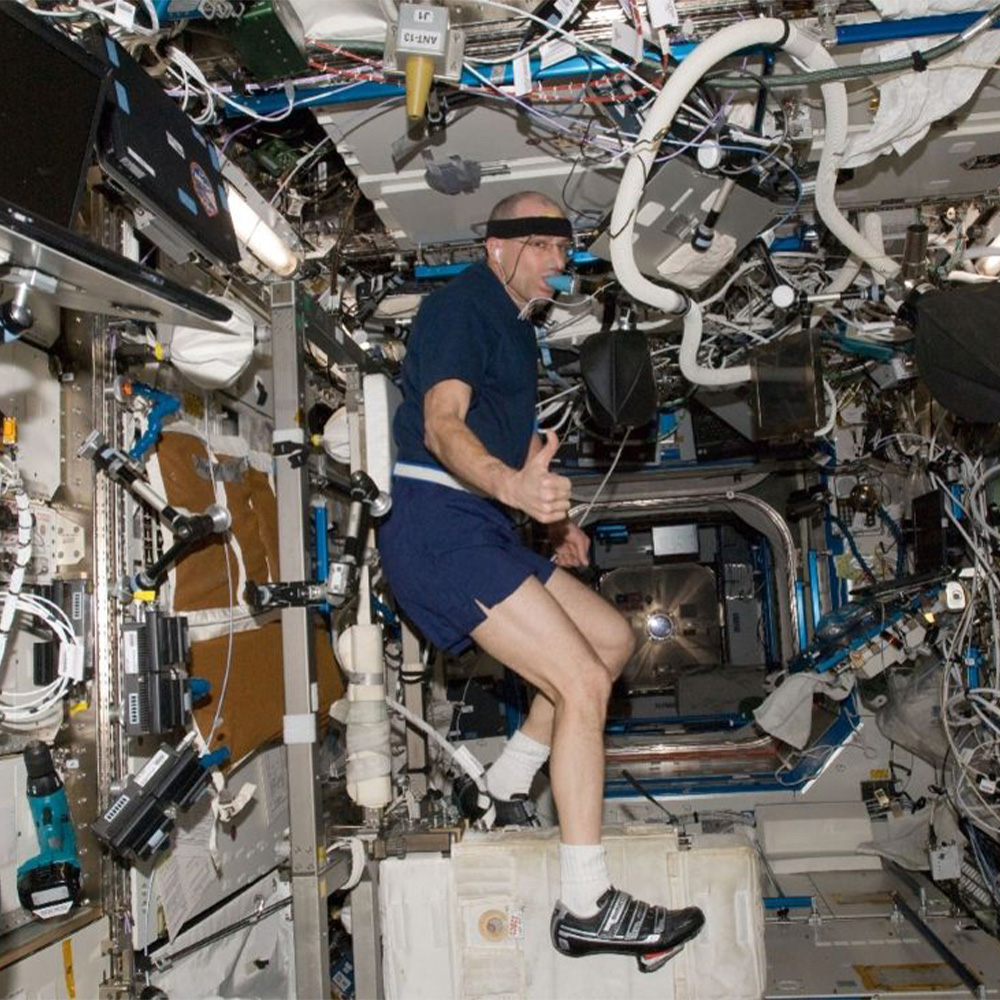
Intense exercise during long spaceflights helps to maintain heart structure and function within a range needed to tolerate the low-gravity environment of Mars, a study co-led by a UT Southwestern Medical Center researcher suggests.