
Search
UT Southwestern biochemist, molecular biologist named Howard Hughes Medical Institute Investigators: Newsroom - UT Southwestern, Dallas, Texas
https://www.utsouthwestern.edu/newsroom/articles/year-2021/howard-hughes-medical-institute-investigators.html

Two UT Southwestern Medical Center researchers – a biochemist and a molecular biologist – are among 33 distinguished scientists nationwide named Howard Hughes Medical Institute (HHMI) Investigators.
Cardio health decline tied to midlife wealth: Newsroom - UT Southwestern, Dallas, Texas
https://www.utsouthwestern.edu/newsroom/articles/year-2021/cardio-health-decline-tied-to-midlife-wealth.html

A relative decline in wealth during midlife increases the likelihood of a cardiac event or heart disease after age 65 while an increase in wealth between ages 50 and 64 is associated with lower cardiovascular risk, according to a new study in JAMA Cardiology.
Giving brown fat a boost to fight Type 2 diabetes: Newsroom - UT Southwestern, Dallas, Texas
https://www.utsouthwestern.edu/newsroom/articles/year-2021/brown-fat-a-boost-to-fight-type-2-diabetes.html

Increasing a protein concentrated in brown fat appears to lower blood sugar, promote insulin sensitivity, and protect against fatty liver disease by remodeling white fat to a healthier state.
UTSW scientists identify brain circuit that triggers rare, blood sugar-dependent epilepsy: Newsroom - UT Southwestern, Dallas, Texas
https://www.utsouthwestern.edu/newsroom/articles/year-2022/november-blood-sugar-dependent-epilepsy.html
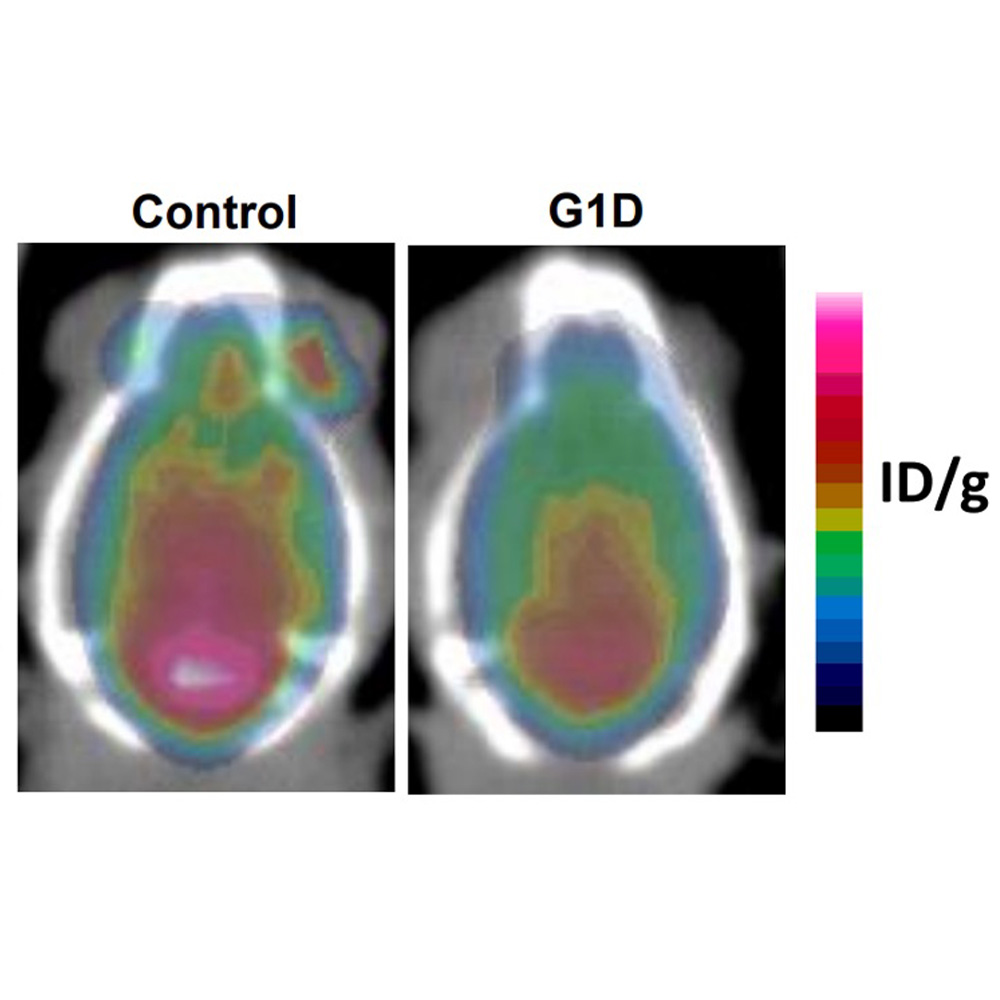
A small group of brain cells linked in a circuit is responsible for setting off whole-brain seizures in a rare form of epilepsy affected by blood sugar levels, a study led by UT Southwestern researchers suggests.
UTSW researchers find no decrease in preterm births with vaginal progesterone: Newsroom - UT Southwestern, Dallas, Texas
https://www.utsouthwestern.edu/newsroom/articles/year-2022/october-preterm-births-with-vaginal-progesterone.html
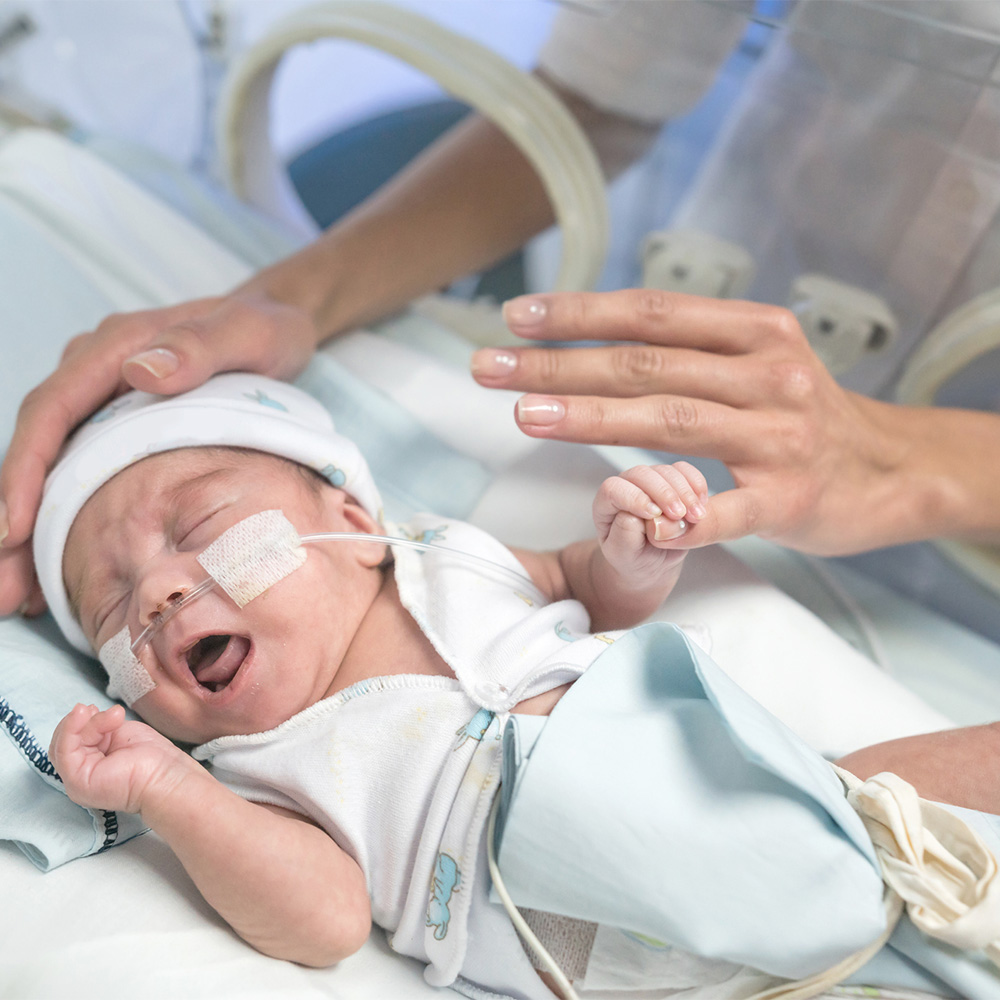
Vaginal progesterone, a hormone treatment considered the standard of care for preventing preterm birth in at-risk pregnant women, may not be effective, according to UT Southwestern researchers.
UT Southwestern pioneers new minimally invasive procedure for prostate cancer: Newsroom - UT Southwestern, Dallas, Texas
https://www.utsouthwestern.edu/newsroom/articles/year-2022/december-invasive-procedure-for-prostate-cancer.html
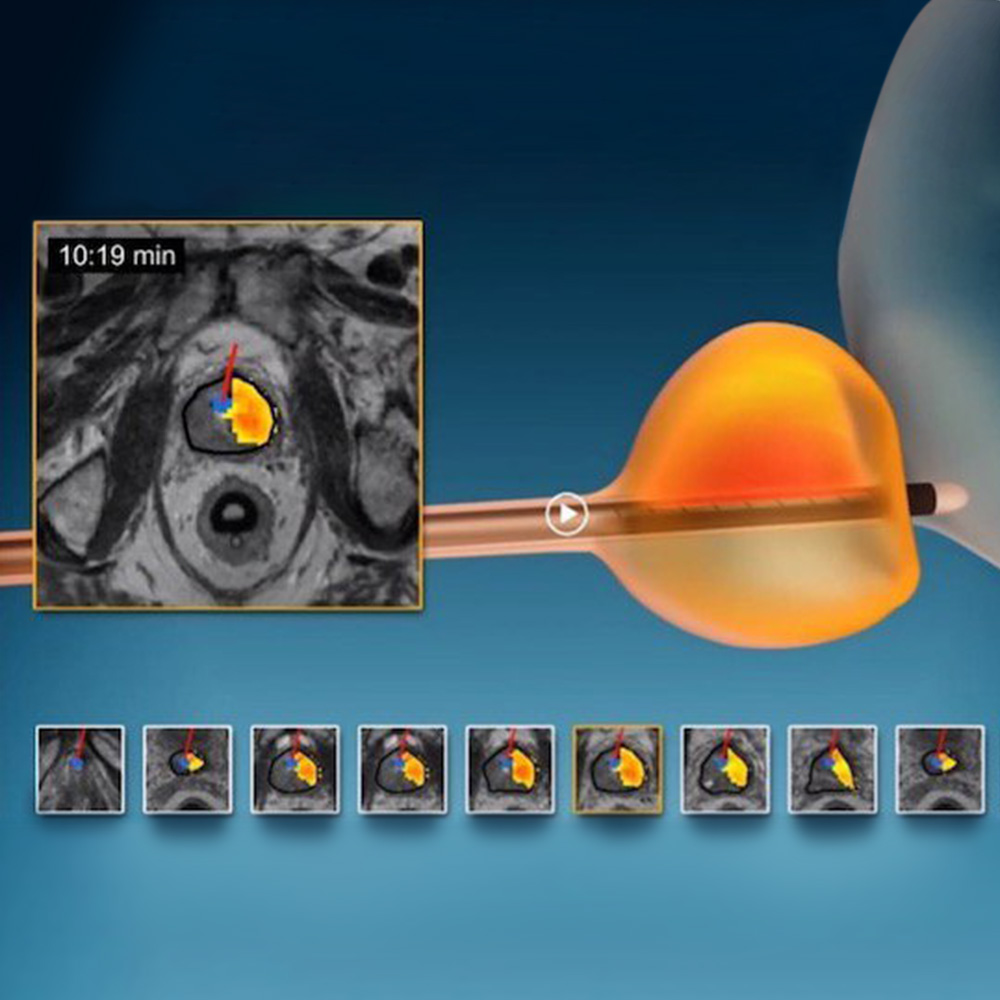
When McKinney real estate developer John Hill was 35, his father died of prostate cancer. The elder Mr. Hill had undergone surgery to remove his prostate a few years earlier, but the cancer had already spread.
Study aims to improve diagnosis of infections following shoulder surgery : Newsroom - UT Southwestern, Dallas, Texas
https://www.utsouthwestern.edu/newsroom/articles/year-2022/october-infections-following-shoulder-surgery.html
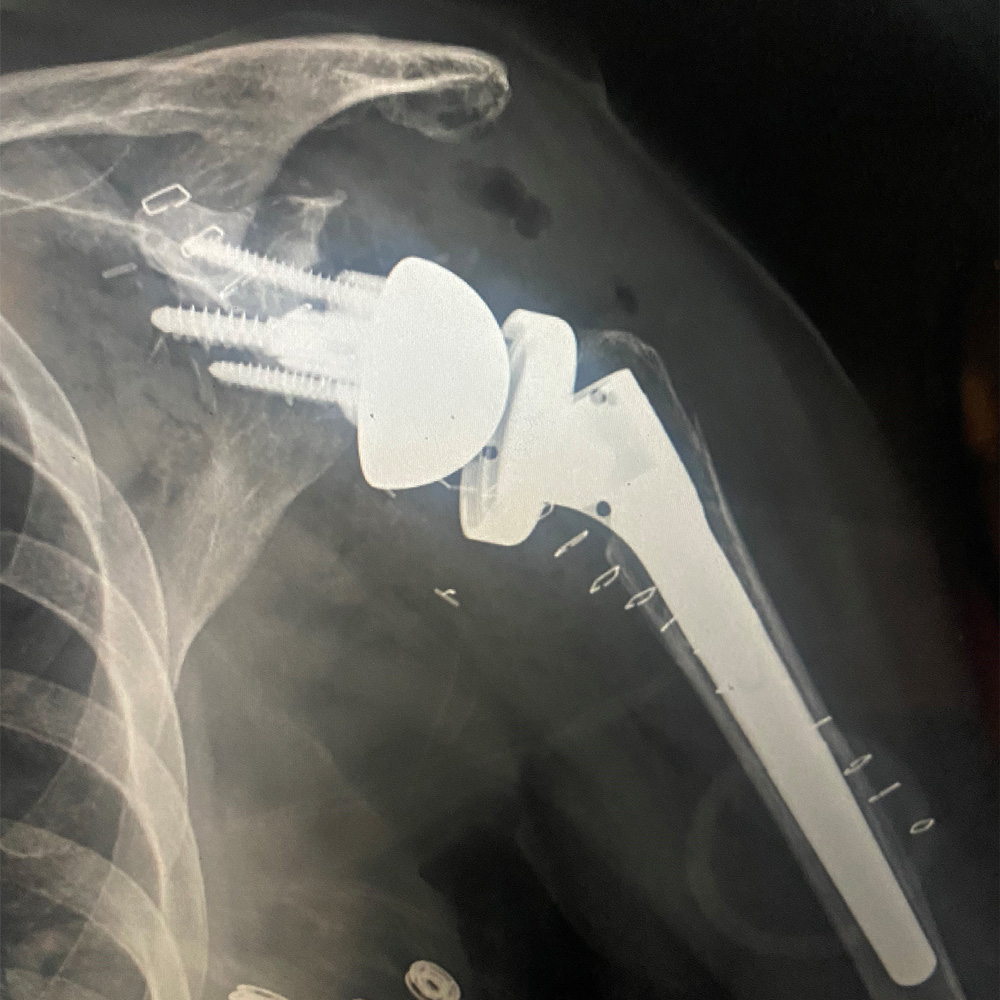
The most common bacterial infection to occur after revision shoulder arthroplasty surgery can be diagnosed more accurately by considering how quickly samples of the microbe grow in hospital labs and the level of bacteria that grows, a study partly performed at UT Southwestern shows.
Clinical trial shows stereotactic radiation extends systemic therapy and slows kidney cancer progression : Newsroom - UT Southwestern, Dallas, Texas
https://www.utsouthwestern.edu/newsroom/articles/year-2022/stereotactic-radiation-extends-systemic-therapy.html
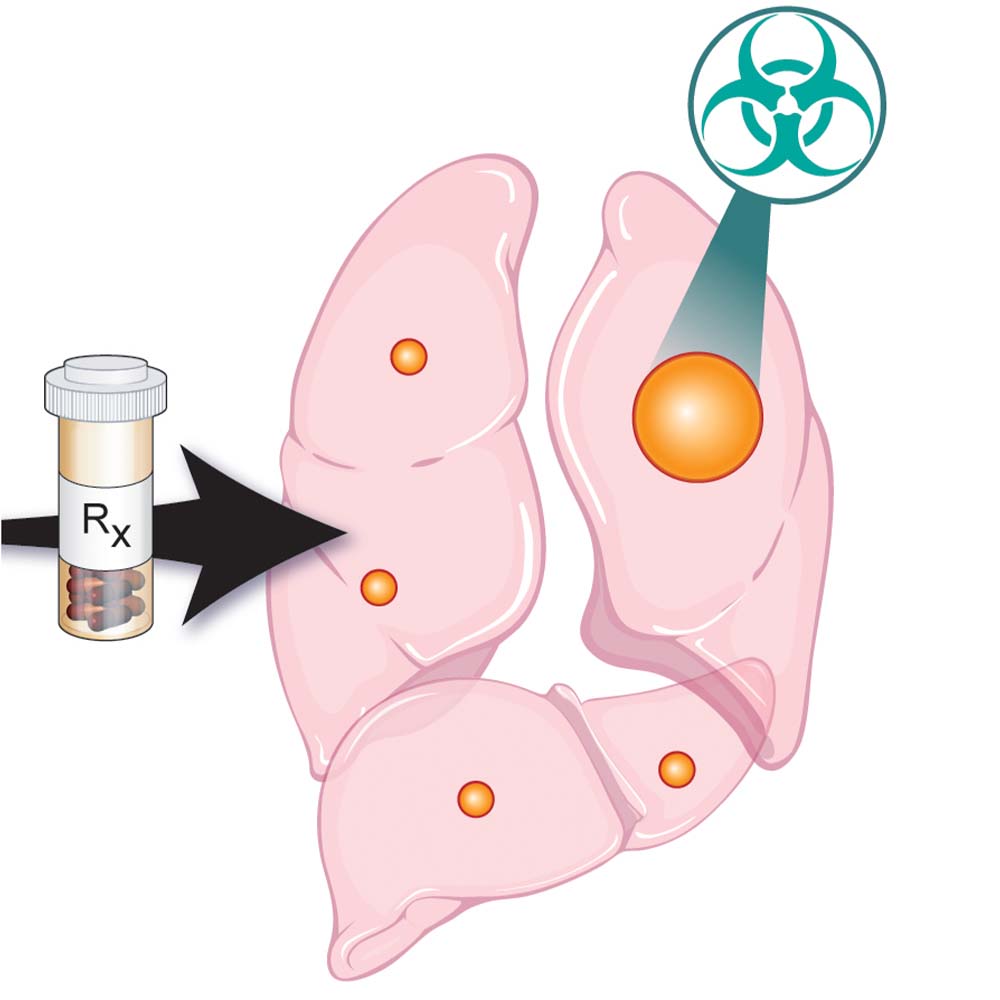
A new study by the Kidney Cancer Program (KCP) at UT Southwestern’s Harold C. Simmons Comprehensive Cancer Center shows that highly focused radiation to isolated metastases that progress despite drug therapy can prolong drug use in kidney cancer patients, saving the few other drugs for treating kidney cancer for future use.
UT Southwestern geneticists identify new mechanism for nonalcoholic fatty liver disease absent obesity: Newsroom - UT Southwestern, Dallas, Texas
https://www.utsouthwestern.edu/newsroom/articles/year-2022/september-nonalcoholic-fatty-liver-disease.html
Using a genetic screening platform developed by a UT Southwestern Nobel Laureate, scientists with the Center for the Genetics of Host Defense at UT Southwestern Medical Center have identified genetic mutations that contribute to nonalcoholic fatty liver disease (NAFLD), providing a potential future target for therapeutic interventions.
Children’s Health will fund pediatric unit at the Texas Health and Human Services Commission – UT Southwestern Medical Center psychiatric hospital: Newsroom - UT Southwestern, Dallas, Texas
https://www.utsouthwestern.edu/newsroom/articles/year-2022/september-childrens-health-will-fund-pediatric-unit.html

Children’s Health significantly expands access to pediatric behavioral health services