
Should patients learn they have cancer from an online portal?
UT Southwestern study finds that patients overwhelmingly prefer receiving potentially life-changing test results directly from their clinical team

DALLAS – June 24, 2026 – The widespread use of electronic patient portals to provide quick access to test results presents healthcare professionals with an important challenge: How should new cancer diagnoses be communicated?
An increasing number of patients are learning about new or recurrent cancer diagnoses through their portals – a direct result of a provision in the 21st Century Cures Act, implemented in 2021. That regulation mandates that patients have timely, unrestricted access to their electronic health information.
But a new survey conducted at UT Southwestern Medical Center has found that most cancer patients would still prefer to learn results directly from their doctors.
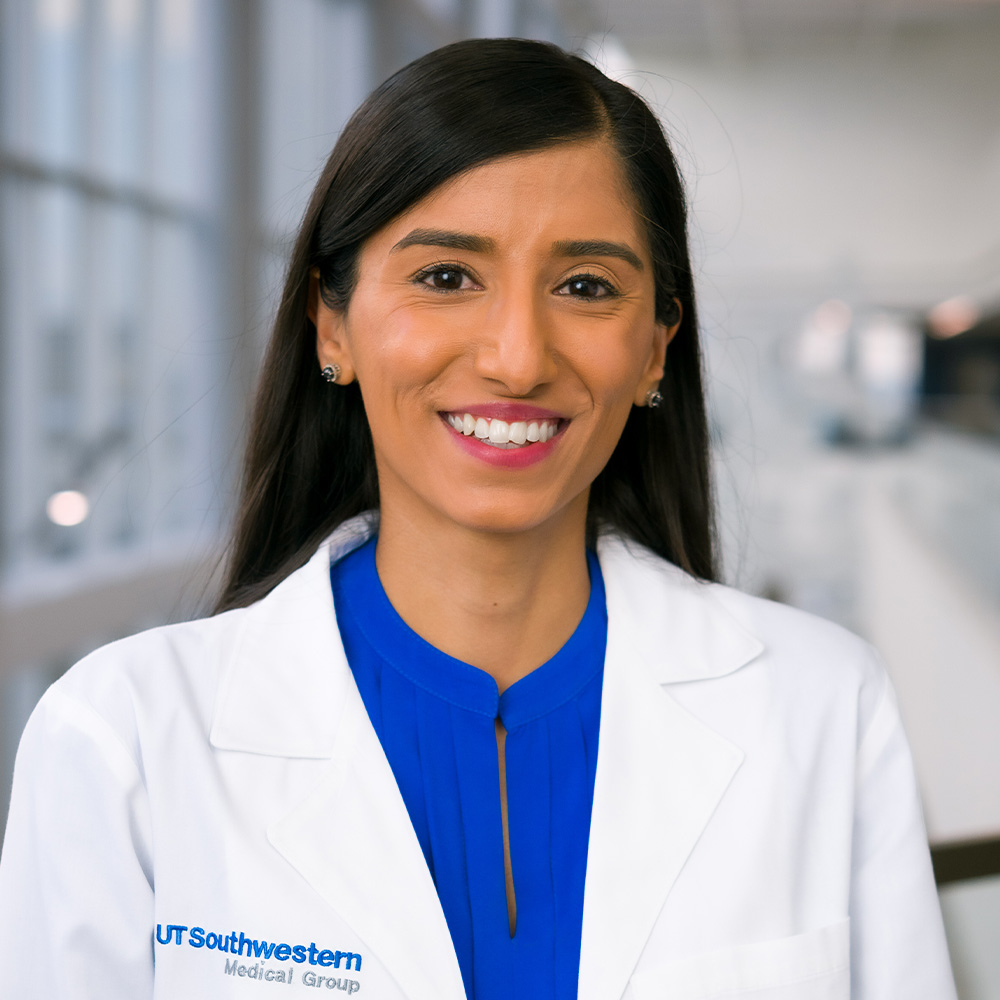
“While most patients in the general population appreciate rapid electronic access to test results, the situation for patients with cancer is much more nuanced,” said the study’s lead author, Sheena Bhalla, M.D., Assistant Professor of Internal Medicine in the Division of Hematology and Oncology and a medical oncologist at the Harold C. Simmons Comprehensive Cancer Center at UT Southwestern. “Learning about a cancer diagnosis without the ability to immediately ask questions or discuss next steps with a trusted clinician can add to the significant stress, uncertainty, and fear that patients experience.”
The survey results, published in JAMA Network Open, found that 75% of patients would prefer to find out about a cancer diagnosis directly from their physician, either in person or via a telemedicine appointment. The 2025 survey collected responses from more than 2,400 patients diagnosed with cancer at Simmons Cancer Center between 2019 and 2023.
Patient preferences varied based on prior experiences, frequency of portal use, and demographic characteristics. For example, men were more likely to prefer learning about a diagnosis via the portal.
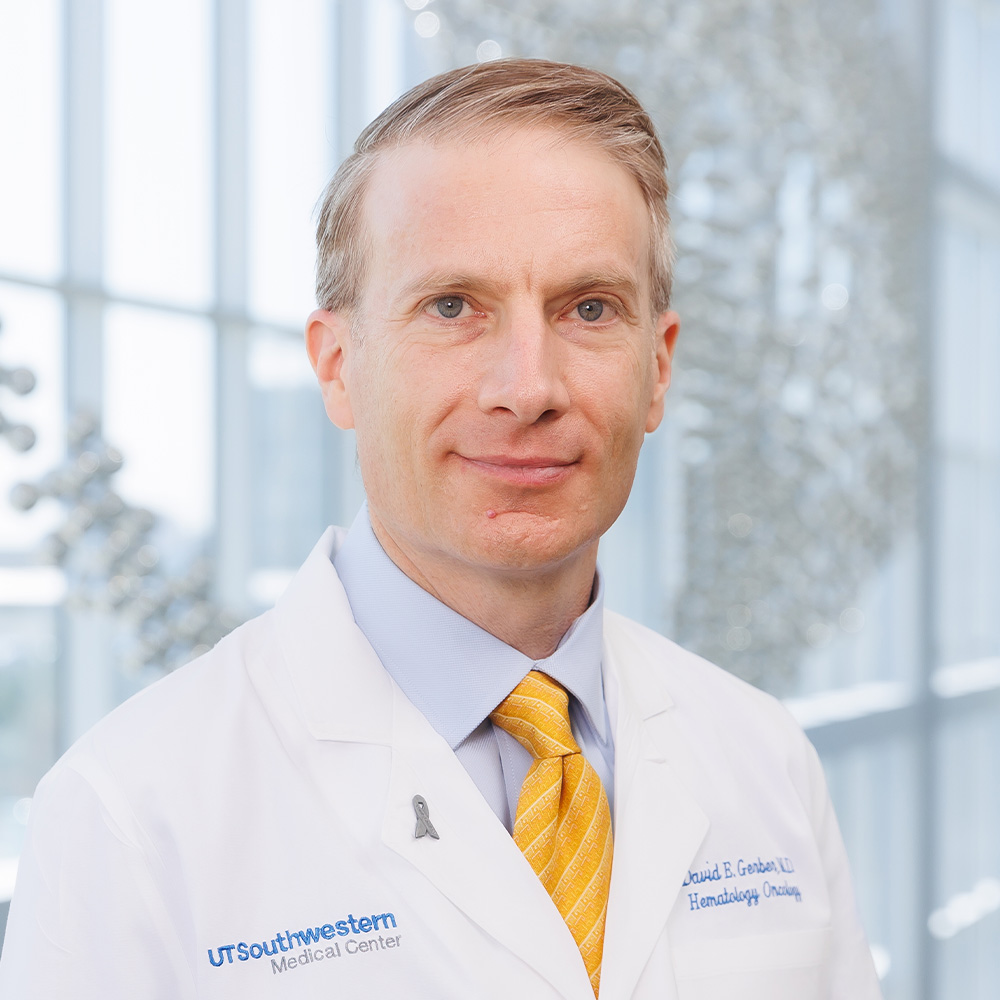
“These findings highlight the need for a more personalized, tailored approach to communicating sensitive and life-changing results,” said study senior author David Gerber, M.D., Professor of Internal Medicine in the Division of Hematology and Oncology and of Epidemiology in the Peter O'Donnell Jr. School of Public Health and co-Director of the Simmons Cancer Center Office of Education and Training. “Moving beyond a one-size-fits-all approach can help clinicians provide a more thoughtful, compassionate patient experience.”
The study also provided insight into the real-world circumstances by which patients are receiving sensitive results, with more than half of those who learned of their diagnosis via the portal reporting they were alone at the time.
“That’s one of the most unintended consequences of real-time access,” Dr. Bhalla said. “Patients are often alone without support from their physician or family at one of their most vulnerable moments.”
The researchers say healthcare providers have several potential solutions, including improving clinician and patient awareness of available portal notification settings; developing tiered or delayed-release approaches for particularly sensitive findings; and integrating supportive digital tools such as plain-language summaries for radiology and pathology reports. In addition, since the implementation of the Cures Act, three states, including Texas, have enacted laws that allow delayed portal release of cancer-related and other sensitive results.
“Further study and increased interdisciplinary collaboration among oncology clinicians, health services researchers, and digital health experts can help us better understand how patients receive and react to cancer diagnoses,” Dr. Bhalla said. “Our goal is to increase awareness of this issue and help drive innovative approaches to patient-centered communication.”
Other UTSW researchers who contributed to this study are Song Zhang, Ph.D., Professor and Interim Vice Chair of Health Data Science and Biostatistics in the O'Donnell School of Public Health; Meera J. Patel, Ph.D., Assistant Professor of Social and Behavioral Sciences in the O'Donnell School of Public Health; Heather Kitzman, Ph.D., Adjunct Associate Professor of Social and Behavioral Sciences in the O'Donnell School of Public Health as well as Chief Research Officer at Parkland Health; Jeremy Louissaint, M.D., M.S.H.I., Assistant Professor of Internal Medicine in the Division of Digestive and Liver Diseases; Alana Christie, M.S., Biostatistical Consultant; Ruchira Garg, M.S., Business Operations Analyst; Lauren Abruzzo, Ph.D., medical student; and Donglu Xie, M.S., Senior Programmer, Information Resources Enterprise Data Services.
Dr. Gerber holds the David Bruton, Jr. Professorship in Clinical Cancer Research. Dr. Bhalla serves as Director of Thoracic Medical Oncology Clinical Operations at Simmons Cancer Center.
About UT Southwestern Medical Center
UT Southwestern, one of the nation’s premier academic medical centers, integrates pioneering biomedical research with exceptional clinical care and education. The institution’s faculty members have received six Nobel Prizes and include 27 members of the National Academy of Sciences, 25 members of the National Academy of Medicine, and 13 Howard Hughes Medical Institute Investigators. The full-time faculty of nearly 3,400 is responsible for groundbreaking medical advances and is committed to translating science-driven research quickly to new clinical treatments. UT Southwestern physicians in more than 80 specialties care for more than 143,000 hospitalized patients, attend to more than 470,000 emergency room cases, and oversee nearly 5.3 million outpatient visits a year.