
Search
UT Southwestern scientists among world’s most highly cited researchers: Newsroom - UT Southwestern, Dallas, Texas
https://www.utsouthwestern.edu/newsroom/articles/year-2023/nov-highly-cited-researchers.html
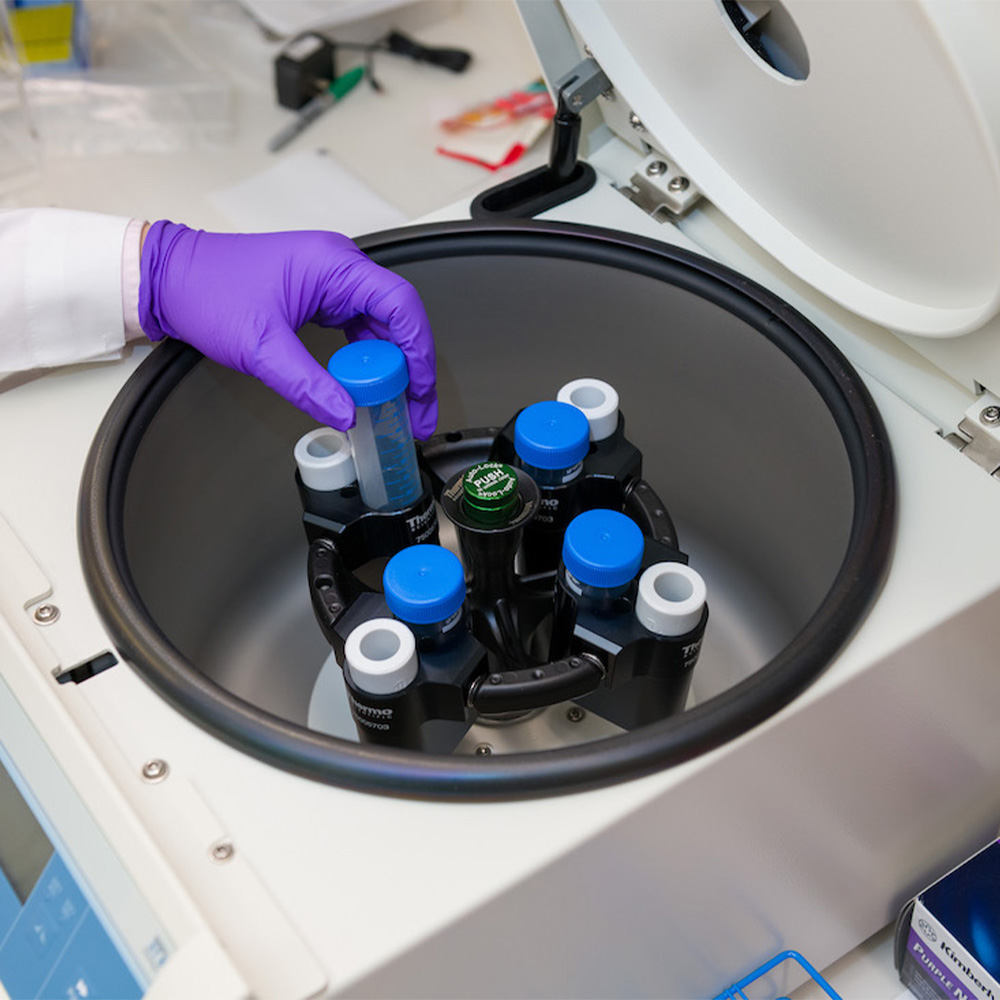
More than a dozen UT Southwestern Medical Center scientists are included on the 2023 Highly Cited Researchers list, which recognizes the top 1% of researchers from around the world who have demonstrated significant and broad influence in their chosen field or fields of research.
Standing blood pressure test more accurate in detecting hypertension: Newsroom - UT Southwestern, Dallas, Texas
https://www.utsouthwestern.edu/newsroom/articles/year-2023/nov-blood-pressure-test.html
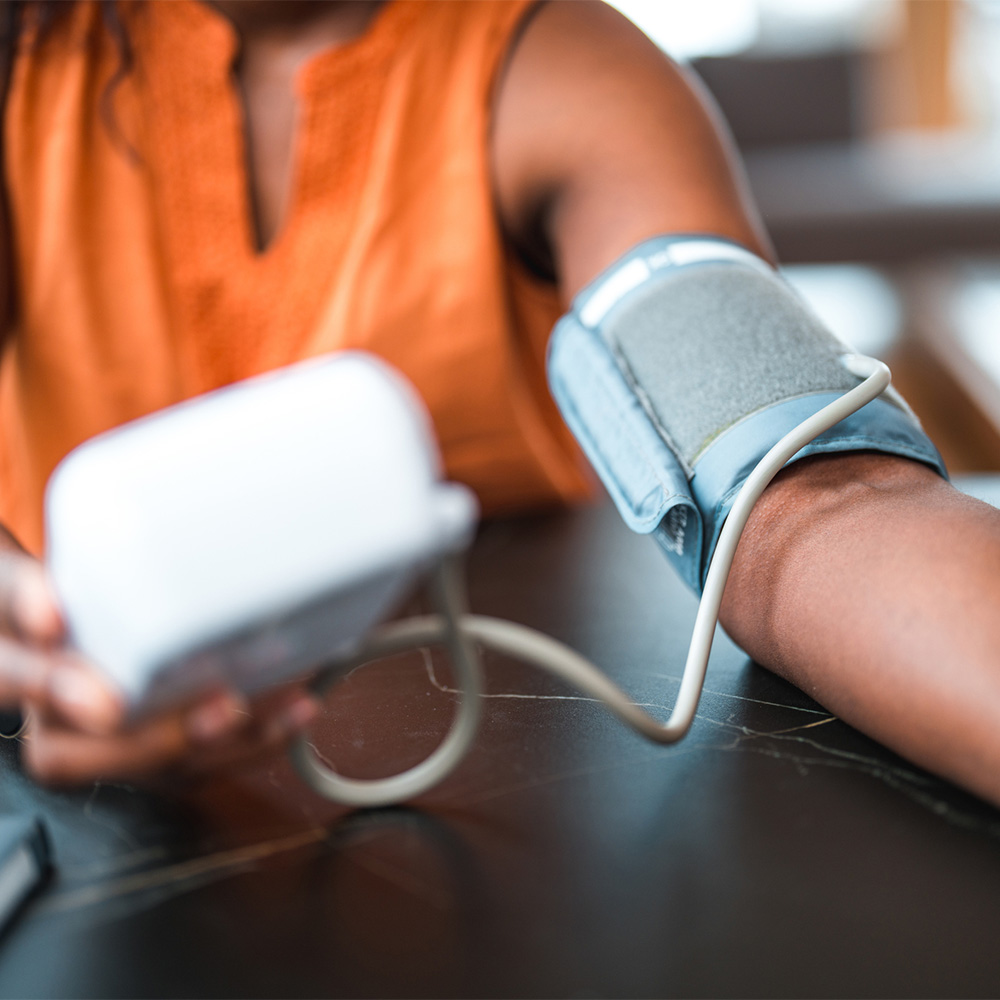
Measuring blood pressure while patients are standing rather than sitting may improve the accuracy of readings, UT Southwestern Medical Center researchers report.
Patients who need high-intensity statins not using them: Newsroom - UT Southwestern, Dallas, Texas
https://www.utsouthwestern.edu/newsroom/articles/year-2023/sept-high-intensity-statins.html
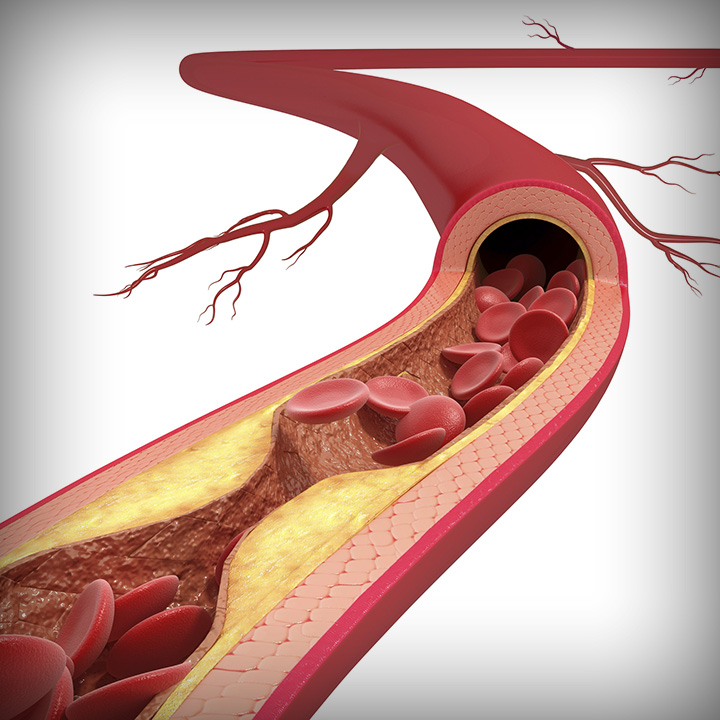
Although hundreds of thousands of patients with atherosclerotic cardiovascular disease (ASCVD) are eligible for high-intensity statin therapy, most are not using the drugs, UT Southwestern Medical Center researchers report.
Autism-associated gene alters brain cell identity: Newsroom - UT Southwestern, Dallas, Texas
https://www.utsouthwestern.edu/newsroom/articles/year-2023/nov-autism-associated-gene.html
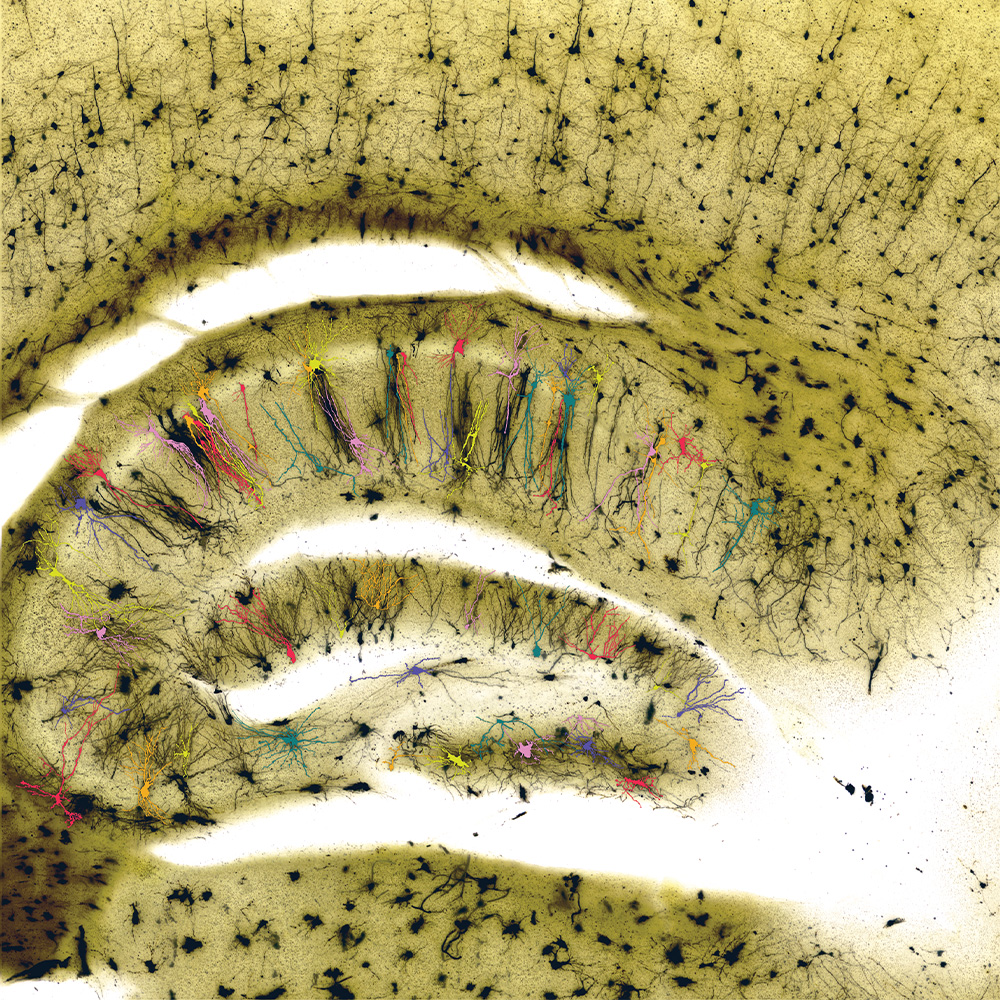
A gene previously linked to autism spectrum disorder (ASD) by UT Southwestern Medical Center researchers appears to play an important role in steering cells in the brain’s hippocampus toward their ultimate identities, the same team reported in a new study. The findings, published in Science Advances, could eventually lead to new therapies for the prevalent neurodevelopmental disorder.
UTSW findings could lead to more effective CPR delivery
https://www.utsouthwestern.edu/newsroom/articles/year-2023/nov-more-effective-cpr.html
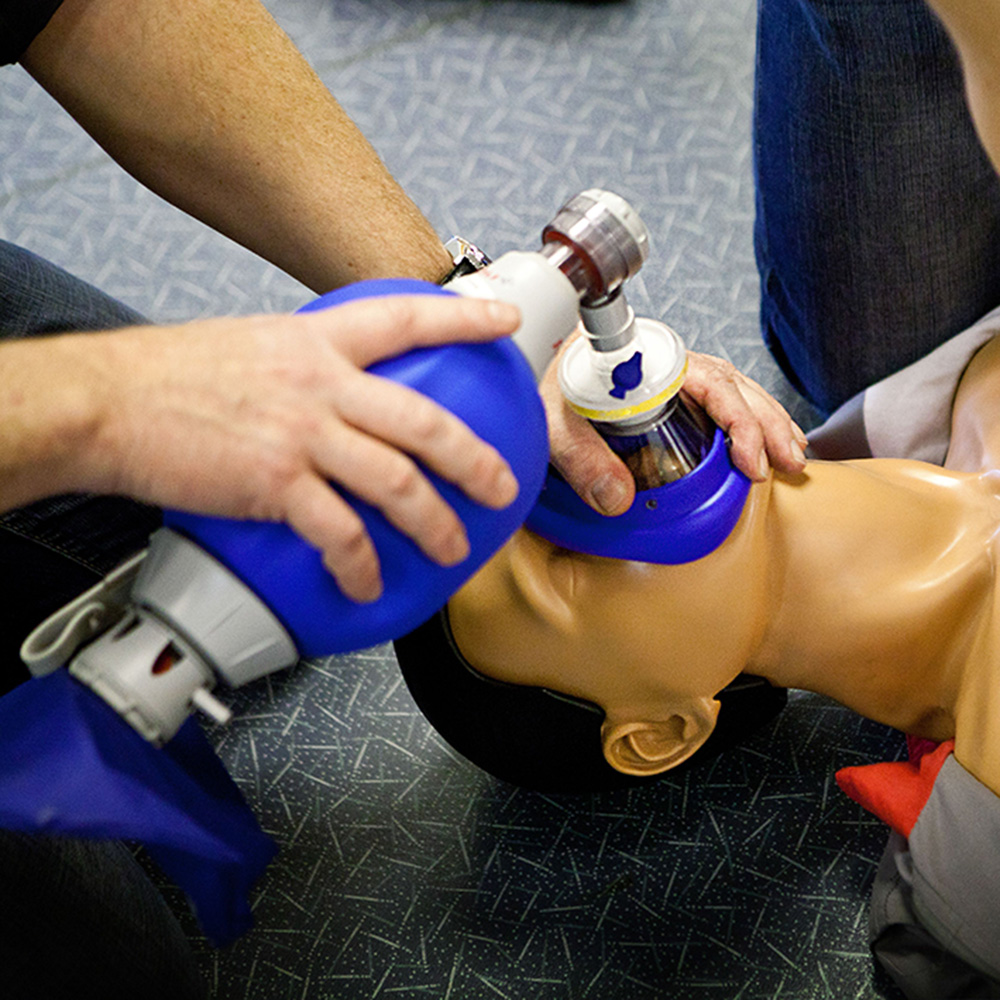
Simple changes in patient ventilation procedures during out-of-hospital cardiopulmonary resuscitation (CPR) could lead to a dramatic improvement in cardiac arrest survival rates.
UTSW researchers identify driver of inflammatory bowel disease: Newsroom - UT Southwestern, Dallas, Texas
https://www.utsouthwestern.edu/newsroom/articles/year-2023/sept-inflammatory-bowel-disease.html
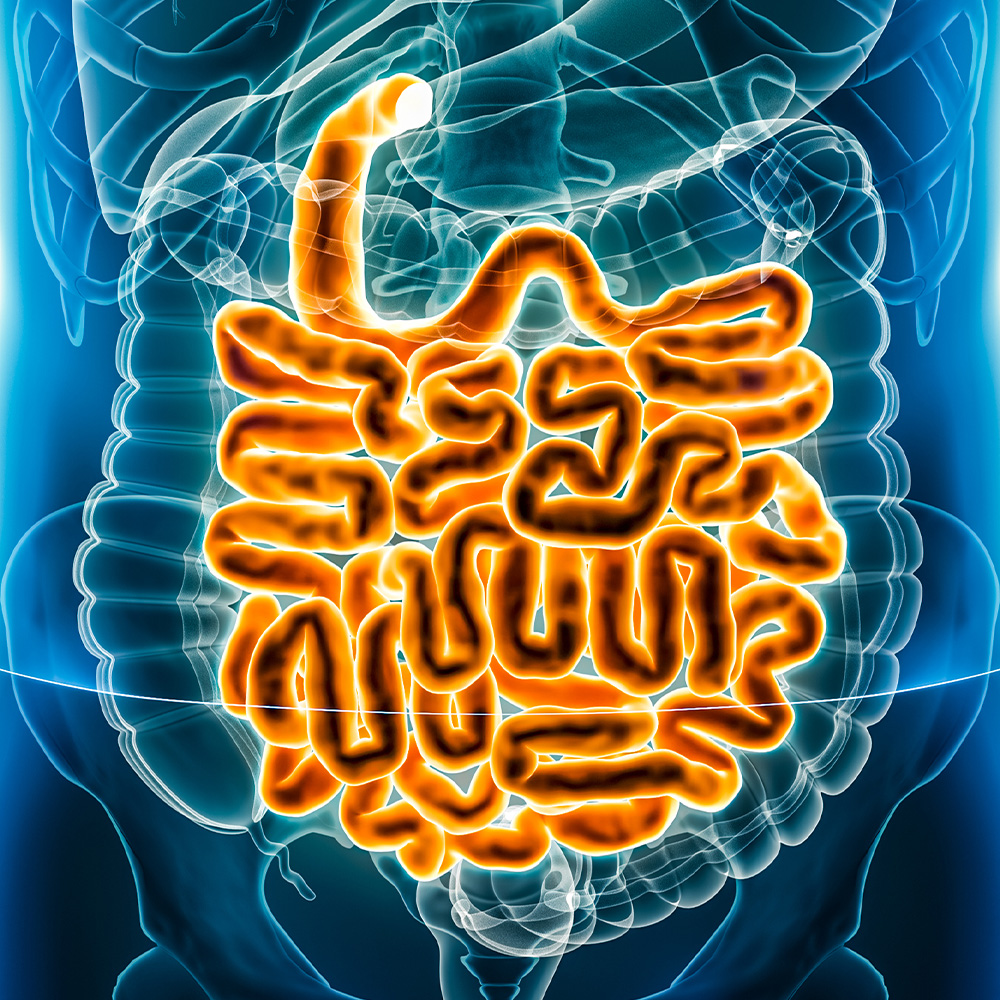
Researchers at UT Southwestern Medical Center have discovered an intracellular mechanism that converts protective intestinal cells into disease-driving pathogenic cells, a finding that could lead to improved treatments for patients with inflammatory bowel disease (IBD).
Newborn boys are more vulnerable than girls to asphyxia: Newsroom - UT Southwestern, Dallas, Texas
https://www.utsouthwestern.edu/newsroom/articles/year-2023/nov-newborn-boys-girls.html
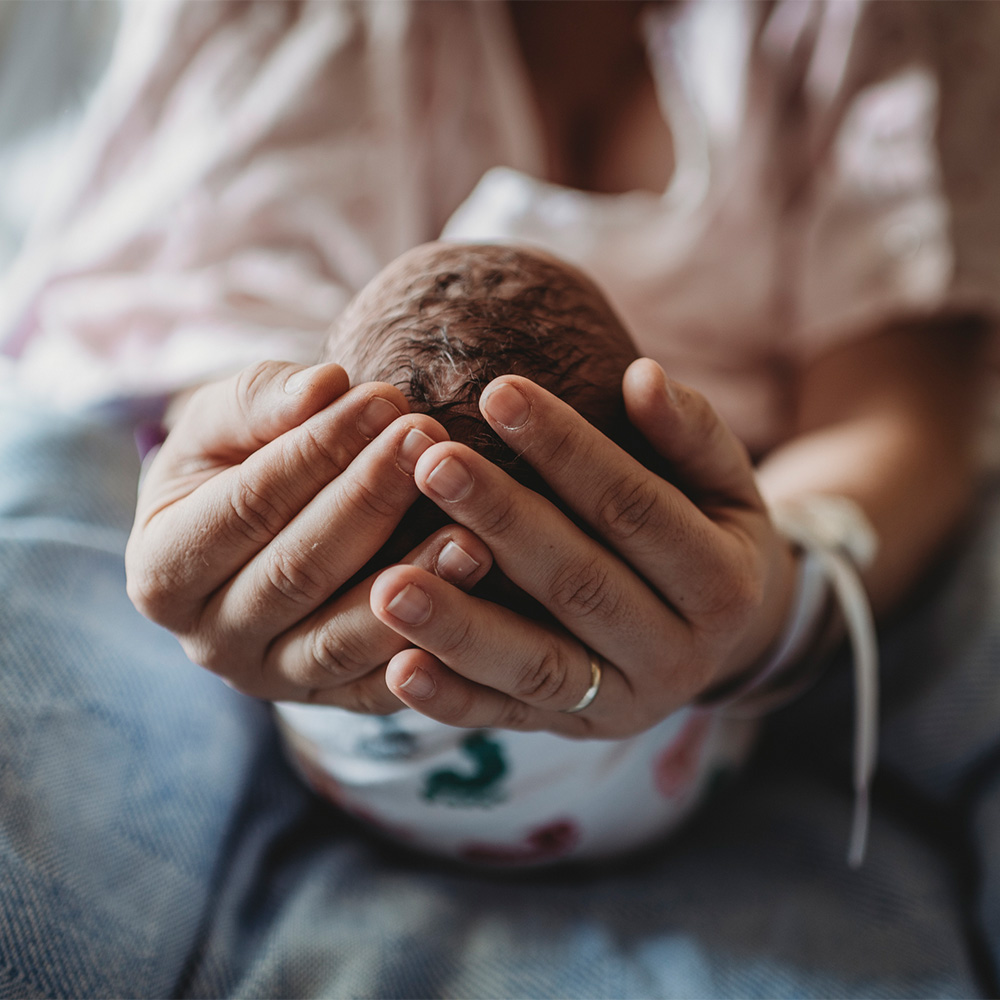
– Newborn boys are significantly more likely than girls to have a brain injury called hypoxic-ischemic encephalopathy (HIE), researchers at UT Southwestern Medical Center and Children’s Health Dallas report.
Liver cancer treatment costly for Medicare patients, UT Southwestern study finds: Newsroom - UT Southwestern, Dallas, Texas
https://www.utsouthwestern.edu/newsroom/articles/year-2023/january-liver-cancer-treatment.html
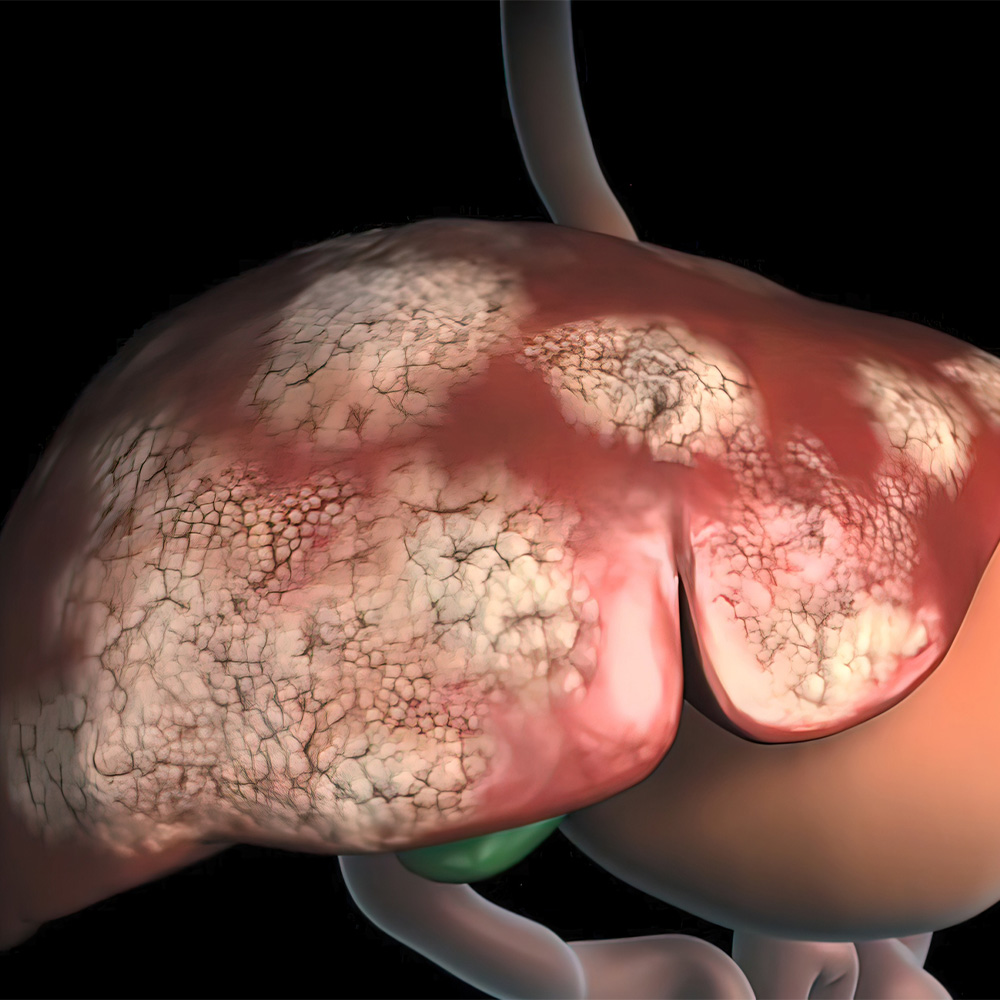
Hepatocellular carcinoma (HCC), the most common type of liver cancer, can place a significant financial burden on patients, according to an analysis led by a researcher at UT Southwestern Medical Center.
UT Southwestern joins elite Honor Roll of nation’s top 20 hospitals : Newsroom - UT Southwestern, Dallas, Texas
https://www.utsouthwestern.edu/newsroom/articles/year-2023/aug-usnwr-best-hospital.html

UT Southwestern Medical Center has joined an elite Honor Roll of the nation’s top 20 hospitals recognized for delivering the highest standard of care, according to U.S. News & World Report’s Best Hospitals listings for 2023-24
Proteins for skin strength also control cell signaling: Newsroom - UT Southwestern, Dallas, Texas
https://www.utsouthwestern.edu/newsroom/articles/year-2024/aug-proteins-for-skin-strength.html
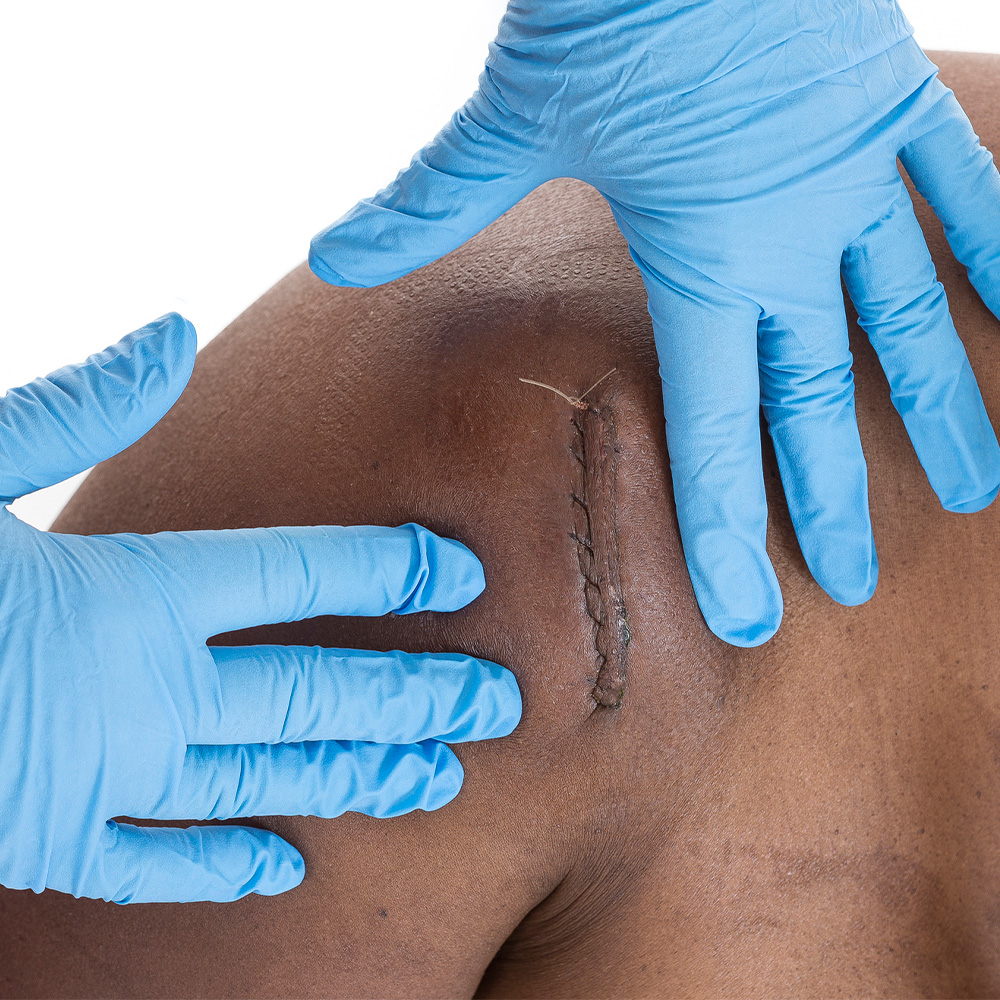
An extensive family of proteins that gives human skin mechanical strength also appears to organize molecular signals that control skin cell activity, a study led by UT Southwestern Medical Center researchers shows. Their findings, published in Developmental Cell, could lead to new ways to fight a host of skin diseases, including ulcers and skin cancer.