
Exertion tests offer insight into recovery from youth concussions
Protocols analyzing gait and cognition after physical activity may better reveal neurological, movement issues, UTSW and Scottish Rite for Children researchers find
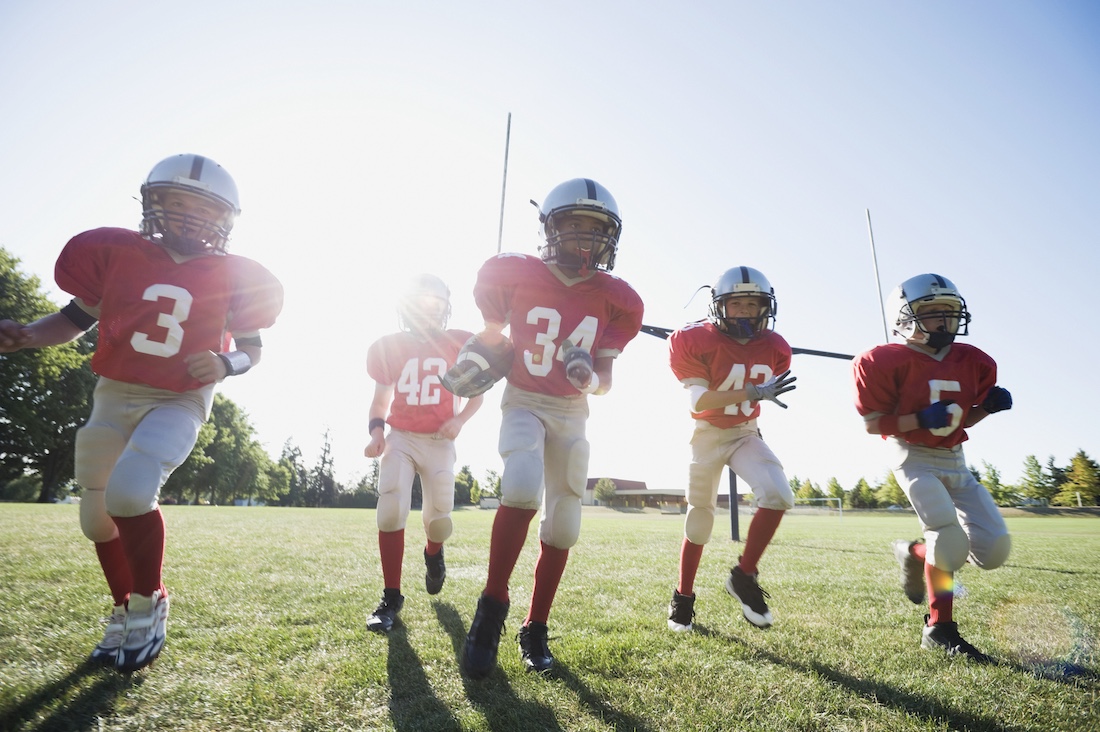
DALLAS – July 01, 2026 – Clinical exams that incorporate gait analysis after physical exertion may provide insight into how youths are recovering after concussions to help determine whether they are ready to return to sports, UT Southwestern Medical Center and Scottish Rite for Children (SRC) researchers found. Their study, published in the Clinical Journal of Sport Medicine, showed significant differences in walking patterns and cognitive abilities of concussed youths after an experimental protocol.
Between 1 million and 2 million children under age 18 experience sports-related concussions each year in the U.S. Those who return to physical activities too quickly are at risk of prolonged recovery and higher rates of musculoskeletal injuries due to neurological deficits.
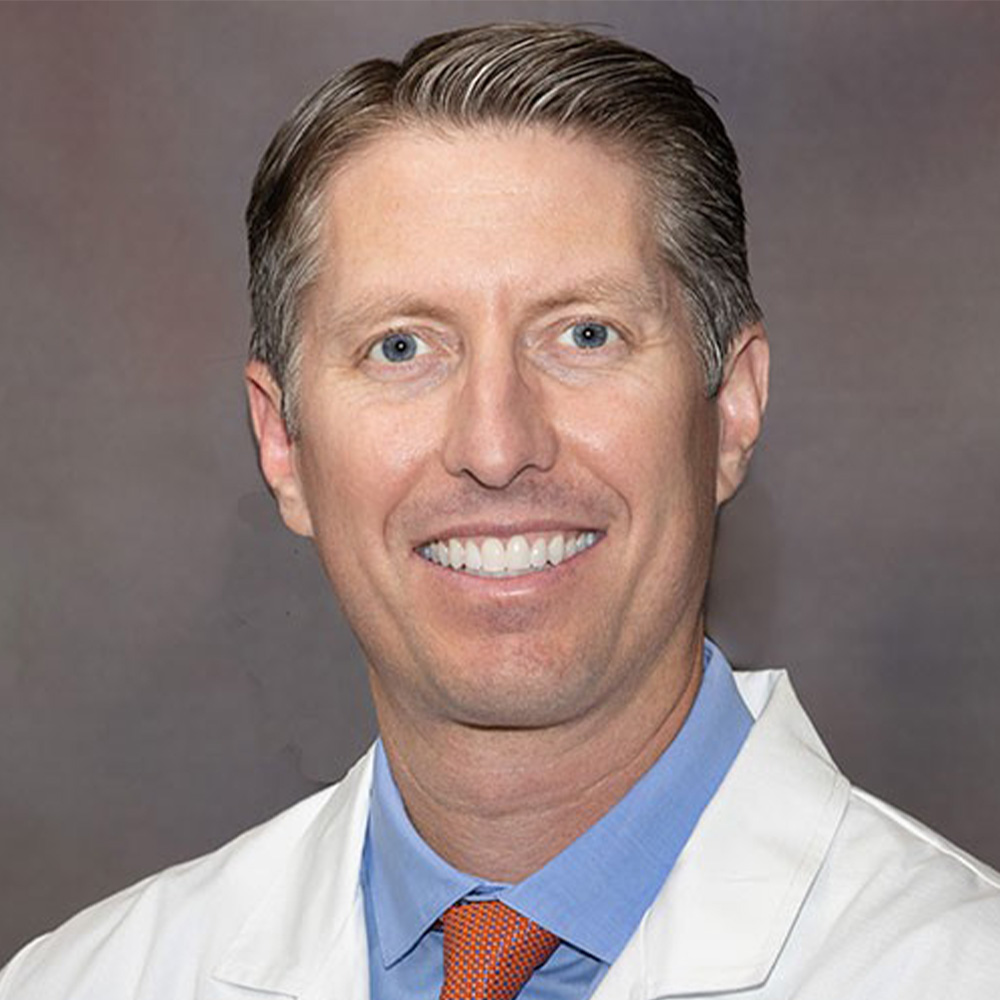
The research team, led by Shane Miller, M.D., FAAP, Professor of Orthopaedic Surgery and Pediatrics at UT Southwestern and SRC sports medicine physician, tested a pilot protocol that measured movement and cognition after exercise to provide more robust methods of assessing brain function and to prevent premature return to play. The study took place at the Scottish Rite for Children Movement Science Lab (MSL).
“Our key finding is that even in adolescents who have been cleared after a concussion, physical exertion still reveals meaningful changes in cognition and function. We may need to evaluate the brain in different ways when determining whether somebody has recovered and is ready to return to sports,” said Dr. Miller, who is also the Section Director of Medical Sports Medicine at Scottish Rite for Children.
Concussions occur after a blow to the head or body results in a traumatic brain injury. Standard physical exams to clear young patients to return to sports activities rely on symptom abatement, but they don’t often test the patient’s ability to control movements in complex environments – which is necessary for safe sports play.
The researchers tested recently concussed youths to see whether their gait – stability and confidence in walking – or cognition changed after physical exertion. They predicted that the Buffalo Concussion Bike Test, a 10-minute stationary bike ride at 70% of a patient’s maximum heart rate, would reveal potential deficiencies in gait and mental functioning.
Thirty young patients who had experienced a sports-related concussion and been cleared to return to play participated in the study. Researchers filmed them performing a simple 10-meter walk, a dual-task 10-meter walk while repeating number sequences backward, and a multitask 10-meter walk while typing sentences into a smart device. Patients performed the bike test, then repeated the gait analysis.
After exertion, participants completed the second simple 10-meter walk significantly more slowly and with shorter steps than the first. Walking speed and step length increased during the dual- and multitask walks, potentially indicating they had become used to the tasks. Participants’ multitask sentence completion improved from 77% pre-exertion to 90% post-exertion. Dr. Miller explained the difference in cognitive performance could be the result of exercise, which can have a positive effect on brain recovery and performance.
Because participants had been cleared to return to play within two weeks of the study, the researchers did not expect to find severe movement deficits. However, their results indicate post-exertion gait analysis with cognitive tasks could allow clinicians greater insight into brain recovery.
“This is an area we absolutely can expand upon in terms of exertion-based testing, simulating the environment that the athlete will be returning to in a safe way and testing for residual deficits so we feel more confident they are safe to return to their sport,” Dr. Miller said.
This study builds upon previous work completed by ConTex, a concussion registry launched by UTSW in 2015 and designed to capture comprehensive longitudinal data on sports-related concussions and other mild traumatic brain injuries across the lifespan, with an emphasis on adolescent injuries.
Other researchers from UTSW and Scottish Rite for Children who contributed to this study are lead and corresponding author Ashley Erdman, B.S., M.B.A., SRC Senior Biomechanist and MSL Manager; Sophia Ulman, Ph.D., UTSW Assistant Professor of Orthopaedic Surgery and SRC Division Director of Movement Science; Alex Loewen, M.S., SRC Bioengineer; Jacob Jones, M.D., UTSW Assistant Professor of Orthopaedic Surgery and Pediatrics and SRC sports medicine physician; Henry Ellis, M.D., UTSW Professor of Orthopaedic Surgery and SRC Director of Clinical Research and Assistant Chief of Staff; Jane Chung, M.D., UTSW Associate Professor of Orthopaedic Surgery and Pediatrics and SRC sports medicine physician; and C. Munro Cullum, Ph.D., UTSW Professor of Psychiatry, Neurology, and Neurological Surgery, Vice Chair in the Division of Psychology, and Investigator in the Peter O’Donnell Jr. Brain Institute.
About UT Southwestern Medical Center
UT Southwestern, one of the nation’s premier academic medical centers, integrates pioneering biomedical research with exceptional clinical care and education. The institution’s faculty members have received six Nobel Prizes and include 28 members of the National Academy of Sciences, 26 members of the National Academy of Medicine, and 14 Howard Hughes Medical Institute Investigators. The full-time faculty of nearly 3,400 is responsible for groundbreaking medical advances and is committed to translating science-driven research quickly to new clinical treatments. UT Southwestern physicians in more than 80 specialties care for more than 143,000 hospitalized patients, attend to more than 470,000 emergency room cases, and oversee nearly 5.3 million outpatient visits a year.