
State’s investment in cancer research has helped draw top talent to UTSW
15 years of CPRIT recruitment grants have spurred UTSW’s efforts to build leading cancer research programs and advance innovative patient care at Simmons Cancer Center
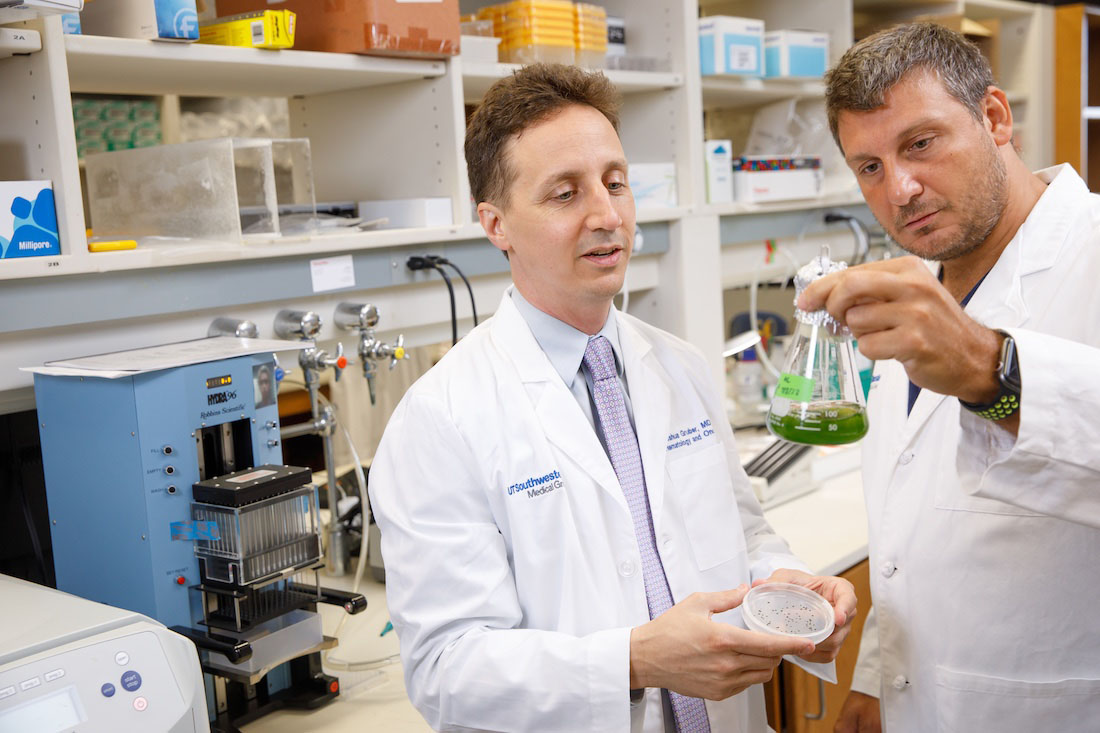
DALLAS – Dec. 19, 2025 – Early in his career, Ralf Kittler, Ph.D., attracted the attention of academic leaders at UT Southwestern Medical Center with his studies of DNA transcription factors and their role in tumor growth and suppression. His promising cancer research earned him an invitation to relocate to Dallas, where a $2 million grant from the state-funded Cancer Prevention and Research Institute of Texas (CPRIT) would help create his own lab at UTSW and turbocharge his scientific investigations.
Arriving from the University of Chicago in 2009, Dr. Kittler was the first of more than 300 highly sought-after scientists who have been recruited to Texas through the state’s multimillion-dollar program to advance the understanding and treatment of cancer.
In the more than 15 years since then, Dr. Kittler has become an Associate Professor at UT Southwestern’s Eugene McDermott Center for Human Growth and Development and the Harold C. Simmons Comprehensive Cancer Center as well as in the Department of Pharmacology. And CPRIT has provided more than $250 million in financial support to add faculty at UT Southwestern, giving it a competitive edge to attract some of the world’s most dynamic and in-demand cancer researchers.
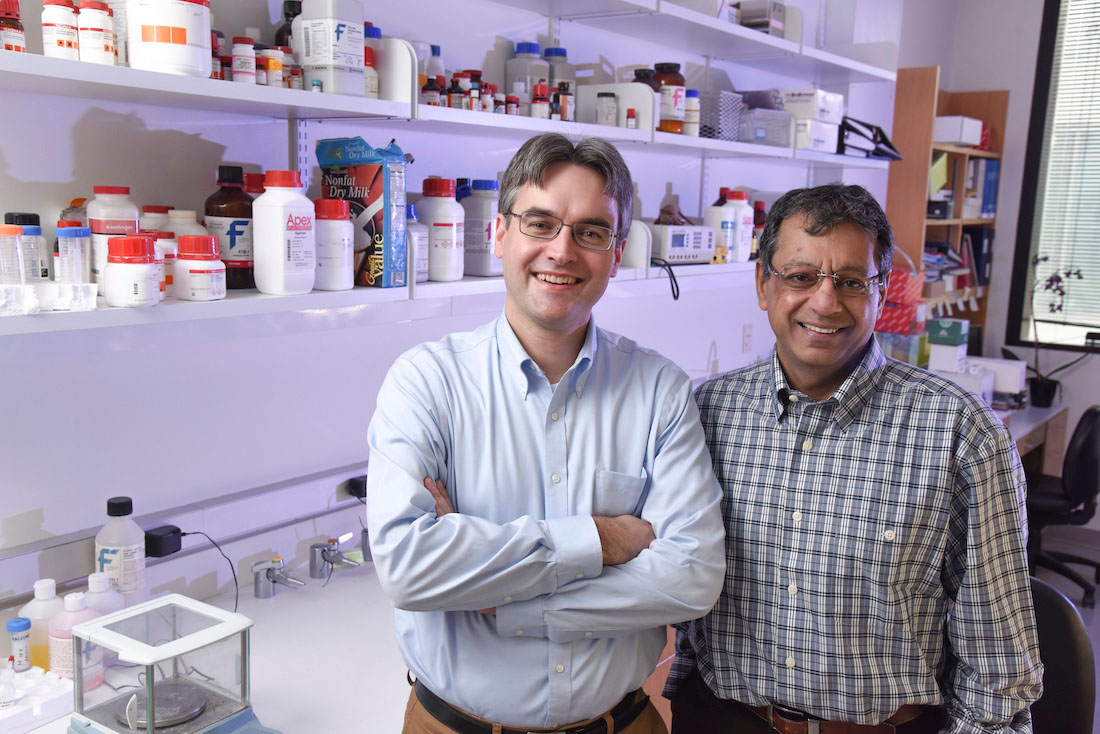
This investment also has contributed to the foundational growth and success of Simmons Cancer Center, one of 57 NCI-designated Comprehensive Cancer Centers in the country and the only one in North Texas. Today, Simmons Cancer Center has 277 faculty members across 37 academic departments, runs hundreds of active clinical trials, and supports five research programs and 14 disease-oriented teams. UT Southwestern is also ranked by U.S. News & World Report as one of the top 20 hospitals for cancer care in the nation.
“It was clear from the start that CPRIT would be transformative for cancer research at UT Southwestern,” Dr. Kittler said.
Statewide, CPRIT’s impact has been equally profound. It has funneled nearly $1 billion to academic institutions, research organizations, and biomedical companies to bring the best and brightest scientists and clinical investigators to Texas. And it was all done with one bold mission in mind: to make the state a global leader in the fight against cancer.
Steering the future of cancer therapy
Created with voter approval in 2007, CPRIT began with a $3 billion investment to accelerate cancer research, support screening and preventive services, develop therapies, and recruit top talent to make it all possible. In 2019, Texans overwhelmingly supported a constitutional amendment to continue CPRIT’s work and infuse another $3 billion into the program. CPRIT has since become the largest state cancer research investment in U.S. history and the second-largest cancer research and prevention program anywhere.
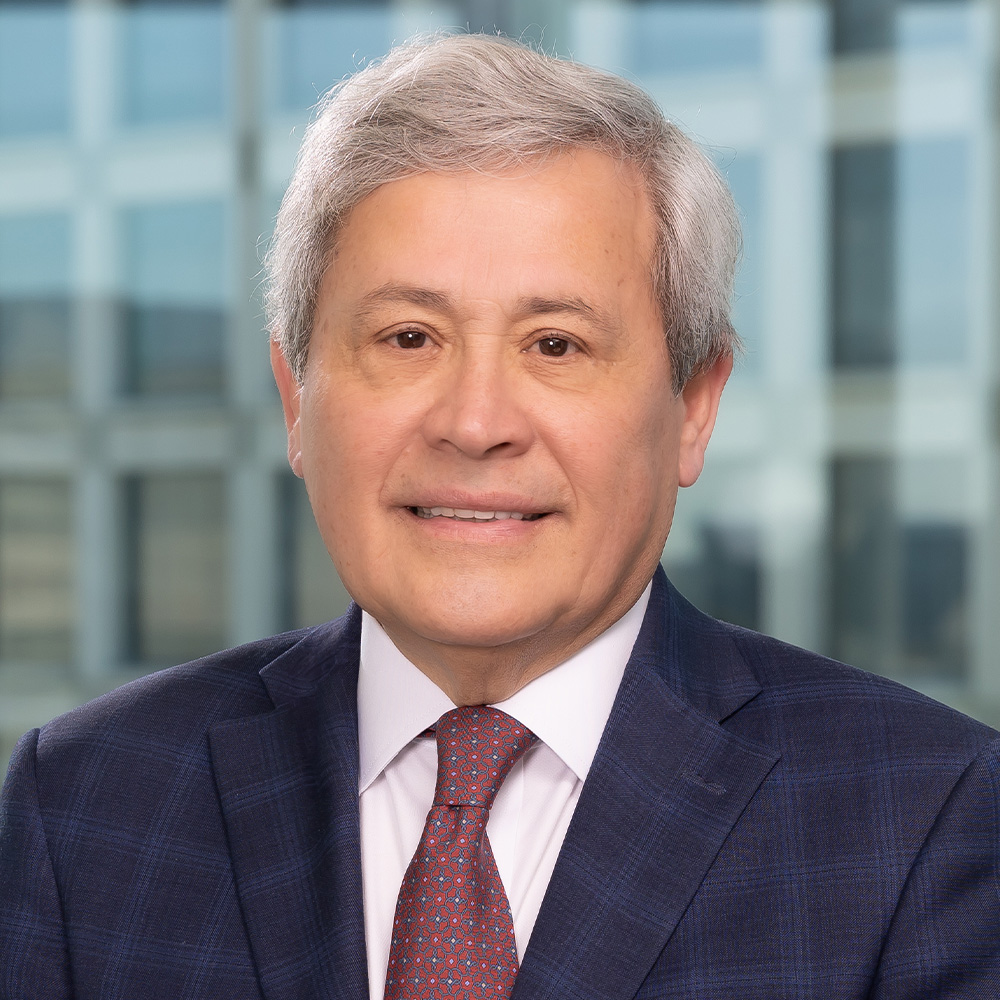
“CPRIT has invested millions of dollars in our effort to screen for, prevent, and fight cancer, moving us closer every day to breakthrough therapies and life-changing medicines,” said Carlos L. Arteaga, M.D., Director of the Simmons Cancer Center and Associate Dean of Oncology Programs at UT Southwestern. Dr. Arteaga, who joined UTSW as the Center’s director in 2017 with a $6 million CPRIT recruitment grant, is an internationally renowned physician-scientist who has led the development and approval of molecularly targeted therapies for breast cancer. In 2024, he was elected to the National Academy of Medicine, one of the highest honors in the fields of health and medicine.
Academic institutions across the state have successfully pursued some of the most accomplished researchers to bring to Texas. Investigators have come from every corner of the U.S. and abroad, including countries in Europe, South America, and Asia. And the grants are awarded to scientists of all levels, from first-time, tenure-track junior faculty to mid-level associate professors to established senior researchers.
Among the most recent high-profile hires at UT Southwestern is Stefan Gloeggler, Ph.D., Professor in the Advanced Imaging Research Center and of Biomedical Engineering, who was recruited from the Max Planck Institute of Multidisciplinary Sciences in Göttingen, Germany. Dr. Gloeggler is a pioneer in hyperpolarized magnetic resonance imaging (MRI) technology, which can be applied in studies of cancer metabolism to improve disease detection and treatment.
Daniel Addison, M.D., former Director of the Cardio-Oncology Program at The Ohio State University, also joined the faculty at UT Southwestern through a CPRIT Rising Star recruitment award. Dr. Addison is Associate Professor of Internal Medicine, Director of Translational Research in the Division of Cardiology, and Associate Director for Survivorship and Outcomes Research in the Simmons Cancer Center. His research on the link between cancer treatments and cardiovascular disease has led to multicenter clinical trials that aim to eliminate or reduce such heart complications.
Most recently, Shixuan Liu, Ph.D., Assistant Professor of Neuroscience in the Peter O’Donnell Jr. Brain Institute, was recruited to UT Southwestern this year from Stanford University with the help of a $2 million CPRIT Scholar grant. Her lab’s research focuses on decoding the molecular mechanisms of the seasonal clock and its cross-talk with circadian rhythms.
Many early-career researchers who were brought to UT Southwestern through CPRIT have continued their path to great academic success.
Matteo Ligorio, M.D., Ph.D., Assistant Professor of Surgery and in the Simmons Cancer Center, arrived at UT Southwestern in 2020 from Harvard after he was awarded a CPRIT First-Time, Tenure-Track Faculty Member grant. In October 2025, Nature Medicine published a one-of-a-kind study he co-led that shifted the paradigm on the understanding of how cancer kills. His findings suggest the ultimate cause of cancer death is not metastatic disease, but the invasion of tumors into major blood vessels that lead to blood clots and multi-organ failure. With this new discovery, he and his co-author Kelley Newcomer, M.D., Associate Professor of Internal Medicine at UT Southwestern, are now collaborating with other researchers from around the world to design clinical trials that can test potentially more effective cancer therapies.
Just this month, the Texas Academy of Medicine, Engineering, Science & Technology (TAMEST) named Yunsun Nam, Ph.D., Professor of Biochemistry and Biophysics at UT Southwestern, as the winner of the prestigious 2026 Edith and Peter O’Donnell Award in Biological Sciences for her scientific achievements. Dr. Nam was also recruited to UT Southwestern as a first-time, tenure-track faculty member. Arriving in Dallas in 2012, Dr. Nam is widely recognized for her research on the molecular interactions of RNA and modifying proteins.
Financially backed by CPRIT and UTSW, these impactful researchers have the funding they need to purchase leading-edge lab equipment and hire the necessary staff to continue their pursuit of cancer breakthroughs.
“The resources you have when you start your career as a principal investigator are vitally important,” Dr. Kittler said.
Since his arrival, UT Southwestern has recruited more than 90 other experts with CPRIT support specializing in a variety of cancers – from liver cancer to ocular cancer to breast cancer to leukemia — as well as biomedical engineers and stem cell researchers, all of whom have made significant contributions to science.
Dr. Kittler himself was the co-leader of an investigation into how lentiviruses can mutate oncoproteins and render cancer cells resistant to drug therapy. By understanding the mechanisms at play and how to manipulate them, Dr. Kittler’s findings may unlock the development of more effective and targeted cancer treatments.
“CPRIT triggered a rapid growth of resources, talent, and collaboration soon after its start,” Dr. Kittler said. “It has been a massive stimulus to our university and exceeded expectations.”
Discoveries that have a lasting impact
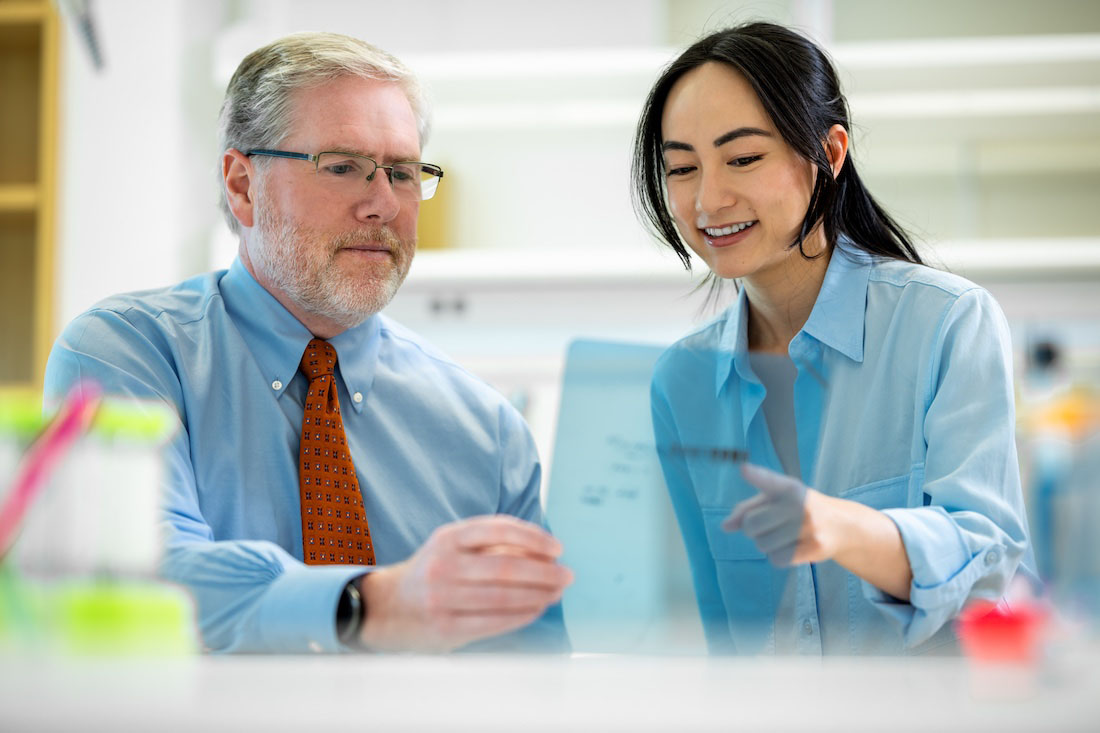
In 2011, Sean J. Morrison, Ph.D., was recruited with a $10 million CPRIT grant to become the founding director of Children’s Medical Center Research Institute at UT Southwestern (CRI).
The nonprofit institute is focused on pioneering research at the intersection of stem cells, cancer, and metabolism. Since CRI’s inception, the internationally recognized team of scientists has made significant discoveries that improved the understanding of the biological basis of diseases, including cancer.
Dr. Morrison’s research has redefined strategies for cancer treatment. His studies in melanoma showed that antioxidants can promote disease progression and led to studies that are attempting to develop new pro-oxidant therapies. His work also uncovered the role of the bone marrow microenvironment, where blood-forming stem cells are located, leading to new insights that improved the safety of bone marrow and stem cell transplantation.
“CPRIT has profoundly strengthened cancer research in Texas because it accelerates medical science in a way that is not replicated in other parts of the country, where funding is difficult to obtain,” said Dr. Morrison, Professor in CRI and of Pediatrics at UT Southwestern and a member of the National Academy of Sciences, the National Academy of Medicine, and the European Molecular Biology Organization. Since 2000, he has also been a Howard Hughes Medical Institute (HHMI) Investigator. “Texas is the only state, aside from California, to make a multibillion-dollar commitment to science and to renew that investment after the initial term,” he said.
Exceptional reputation and vision drive progress
At the core of UT Southwestern’s mission is the commitment to enhance lives by developing better treatments, cures, and preventive care – a common goal shared by all CPRIT scholars.
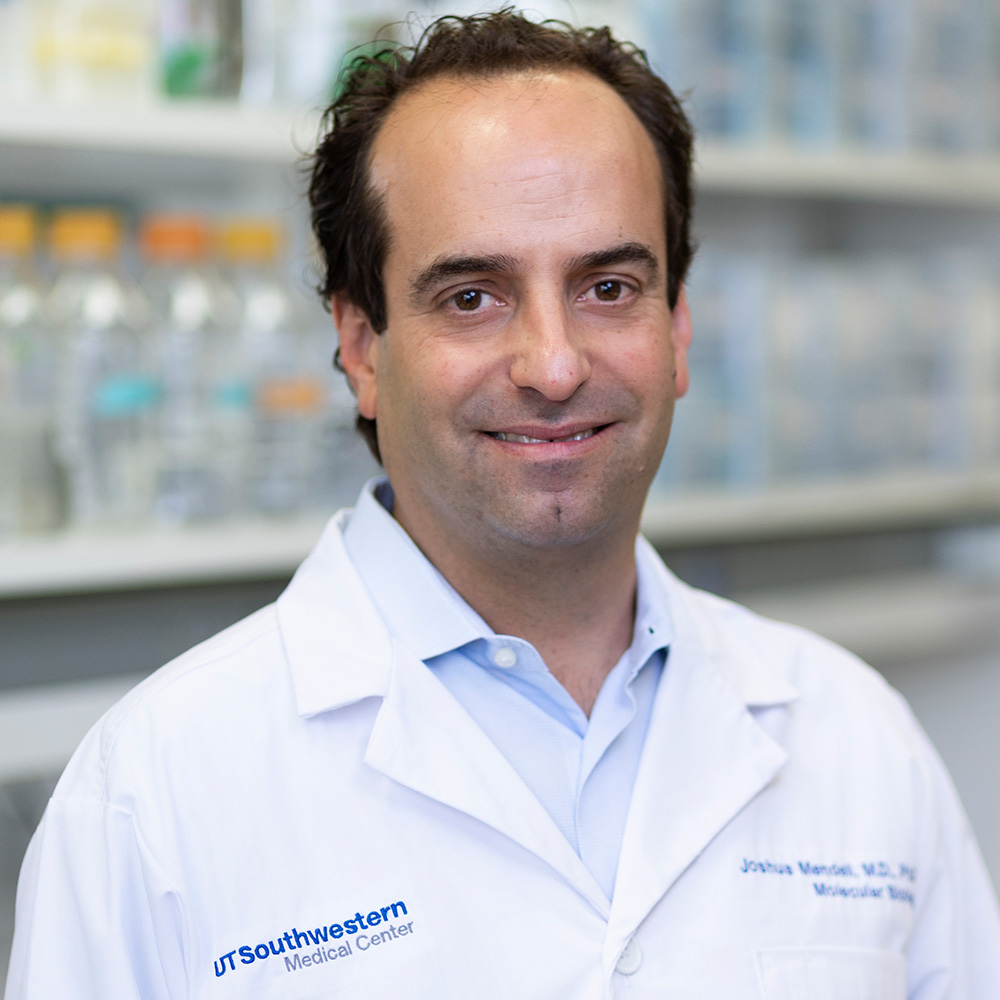
Joshua T. Mendell, M.D., Ph.D., Professor of Molecular Biology at UT Southwestern, member of the Cellular Networks in Cancer Research Program in the Simmons Cancer Center, and an HHMI Investigator, was also recruited with CPRIT support in 2011, after discovering that microRNAs can be modulated to inhibit liver cancer in mouse models. At UT Southwestern, Dr. Mendell and his lab continue to investigate how these noncoding molecules contribute to oncogenesis and tumor suppression.
“Our goal is to advance our understanding of RNA biology and to discover new functions for RNAs, because these molecules play critical roles in normal biology and often go awry in cancer and other diseases,” said Dr. Mendell, who, in October 2025, was elected to the National Academy of Medicine. “Because of this, there is a strong interest in developing medicines based on RNA – the most famous and successful example, in recent times, being the COVID-19 vaccine.”
In fact, it is the same field of research that was awarded the Nobel Prize in Physiology or Medicine in both 2023 and 2024.
“UT Southwestern has always recognized the value of basic science,” Dr. Mendell said. “The research conducted on this campus has repeatedly demonstrated how fundamental scientific discoveries can lead to new clinical innovations that impact the lives of patients. While UT Southwestern has grown since my arrival here, the institutional commitment to bold and collaborative research has also continued.”
Dr. Addison holds the Audre and Bernard Rapoport Chair in Cardiovascular Research.
Dr. Argenbright is a Distinguished Teaching Professor.
Dr. Arteaga holds the Annette Simmons Distinguished University Chair in Breast Cancer Research.
Dr. Gerber holds the David Bruton, Jr. Professorship in Clinical Cancer Research.
Dr. Kittler is the John L. Roach Scholar in Biomedical Research.
Dr. Mendell holds the Charles Cameron Sprague, M.D. Chair in Medical Science.
Dr. Morrison holds the Kathryne and Gene Bishop Distinguished Chair in Pediatric Research at Children’s Research Institute at UT Southwestern and the Mary McDermott Cook Chair in Pediatric Genetics.
Dr. Nam holds the Doris and Bryan Wildenthal Distinguished Chair in Medical Science and is a Southwestern Medical Foundation Scholar in Biomedical Research and a UT Southwestern Presidential Scholar.
Dr. Xiao holds the Mary Dees McDermott Hicks Chair in Medical Science.
About UT Southwestern Medical Center
UT Southwestern, one of the nation’s premier academic medical centers, integrates pioneering biomedical research with exceptional clinical care and education. The institution’s faculty members have received six Nobel Prizes and include 24 members of the National Academy of Sciences, 25 members of the National Academy of Medicine, and 13 Howard Hughes Medical Institute Investigators. The full-time faculty of more than 3,200 is responsible for groundbreaking medical advances and is committed to translating science-driven research quickly to new clinical treatments. UT Southwestern physicians provide care in more than 80 specialties to more than 140,000 hospitalized patients, more than 360,000 emergency room cases, and oversee nearly 5.1 million outpatient visits a year.