
Search
International team determines structure of a key player in antibiotic resistance : Newsroom - UT Southwestern, Dallas, Texas
https://www.utsouthwestern.edu/newsroom/articles/year-2022/august-key-player-in-antibiotic-resistance.html
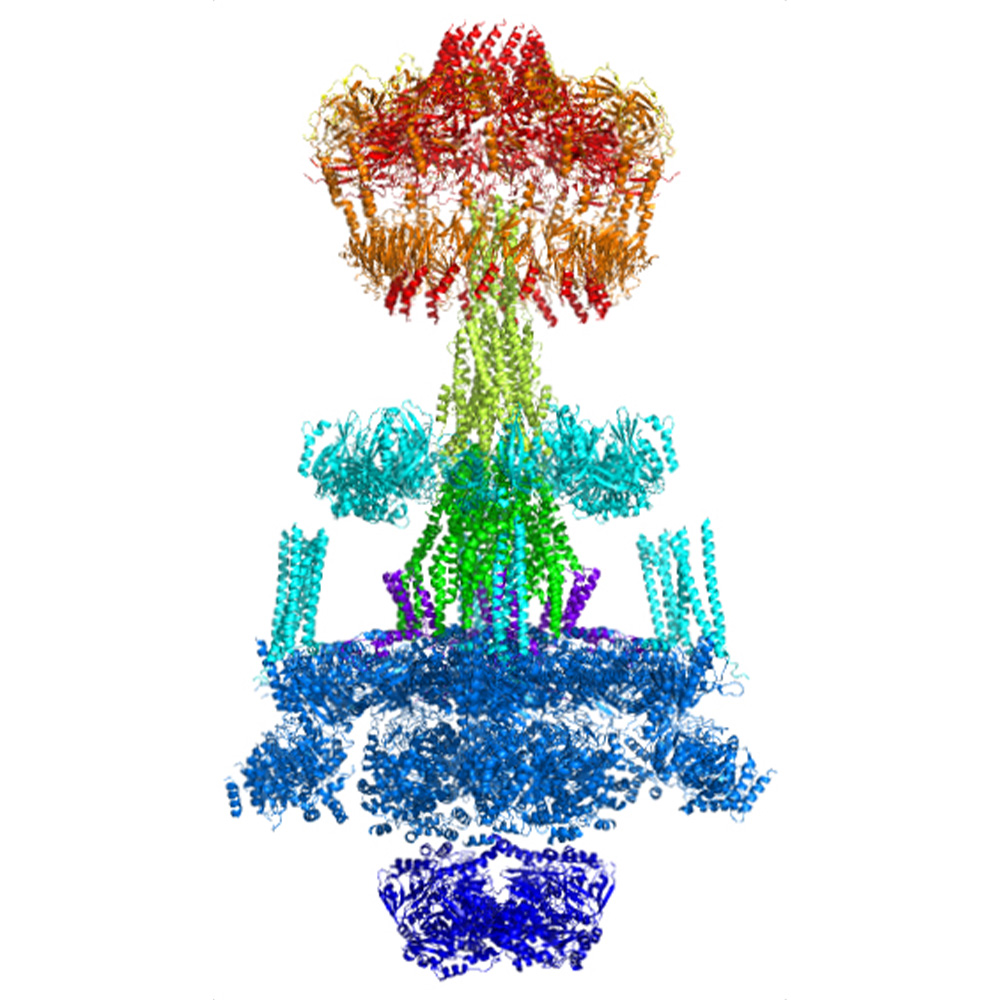
With antibiotic-resistant bacteria on the rise, scientists have been searching for ways to shut down the Type IV secretion system (T4SS), a protein complex on the outer envelope of bacterial cells that helps them to exchange DNA with neighboring bacteria and resist antibiotics.
Hope for children with bow hunter syndrome: Newsroom - UT Southwestern, Dallas, Texas
https://www.utsouthwestern.edu/newsroom/articles/year-2021/hope-for-children-with-bow-hunter-syndrome.html

Fusing the neck’s top two vertebrae can prevent repeat strokes in children with bow hunter syndrome, a rare condition that affects a handful of U.S. pediatric patients each year, UT Southwestern researchers suggest in a recent study.
Learning the wiring diagram for autism spectrum disorders: Newsroom - UT Southwestern, Dallas, Texas
https://www.utsouthwestern.edu/newsroom/articles/year-2020/learning-the-wiring-diagram-for-autism-spectrum-disorders.html
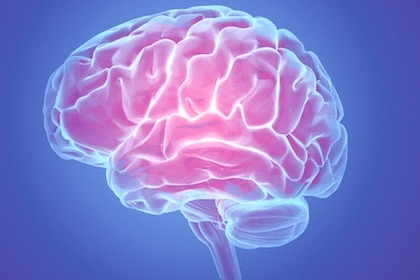
A team led by UT Southwestern researchers has identified brain circuitry that plays a key role in the dysfunctional social, repetitive, and inflexible behavioral differences that characterize autism spectrum disorders (ASD).
Cancer metabolism researcher Ralph DeBerardinis elected to the National Academy of Medicine : Newsroom - UT Southwestern, Dallas, Texas
https://www.utsouthwestern.edu/newsroom/articles/year-2020/ralph-deberardinis-elected-to-the-national-academy-of-medicine.html
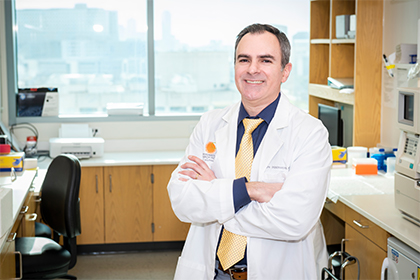
Ralph DeBerardinis, M.D., Ph.D., a professor at the Children’s Medical Center Research Institute at UT Southwestern (CRI), has been elected to the National Academy of Medicine (NAM), one of the highest honors in the fields of health and medicine.
UTSW researchers identify first Beta variant in North Texas amid rise of "variants of concern": Newsroom - UT Southwestern, Dallas, Texas
https://www.utsouthwestern.edu/newsroom/articles/year-2021/first-beta-variant-in-north-texas.html
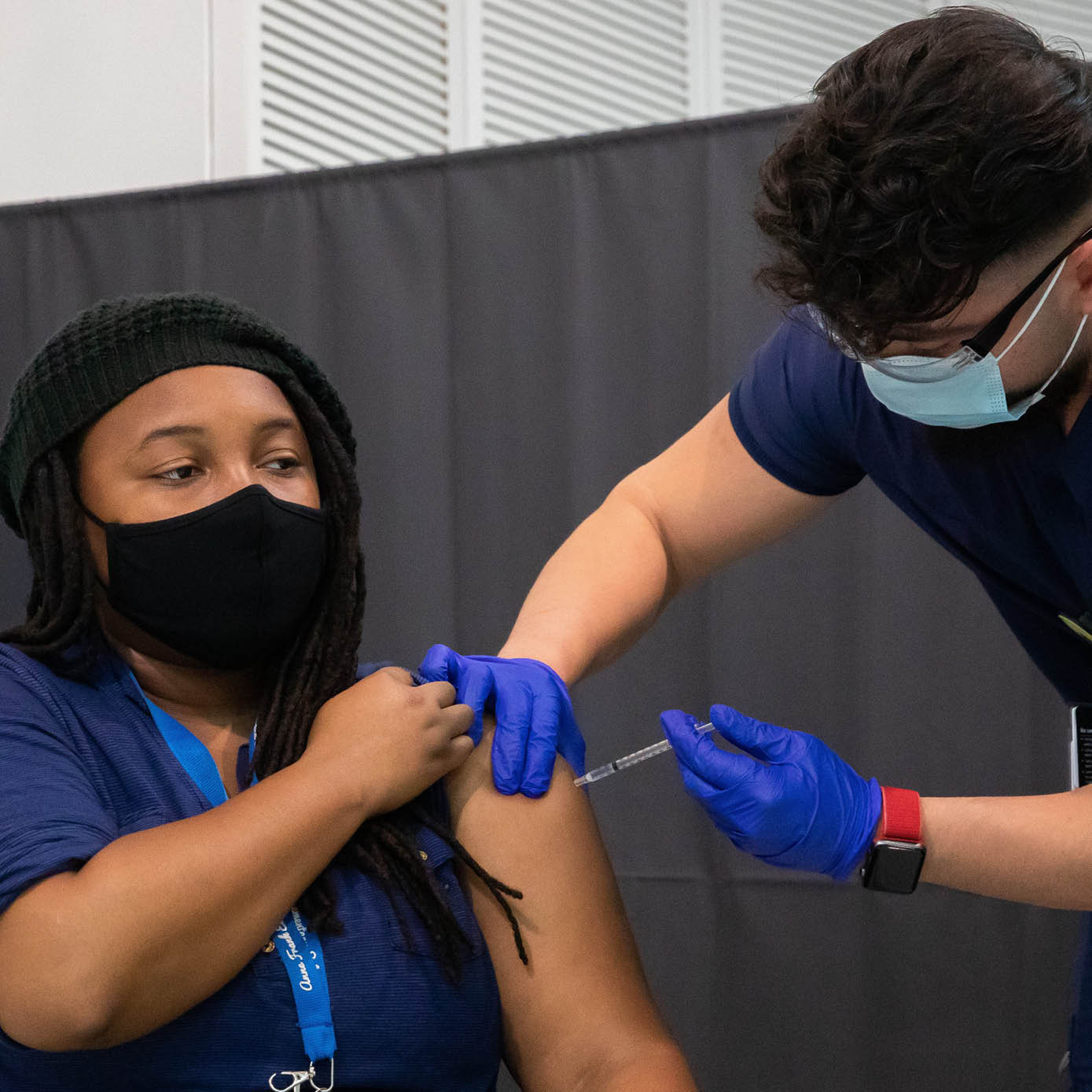
UT Southwestern Medical Center scientists have identified the first two cases of the Beta variant (B.1.351) of COVID-19 infection in North Texas using next-generation sequencing technologies along with targeted PCR testing.
UTSW scientists identify brain circuit that triggers rare, blood sugar-dependent epilepsy: Newsroom - UT Southwestern, Dallas, Texas
https://www.utsouthwestern.edu/newsroom/articles/year-2022/november-blood-sugar-dependent-epilepsy.html
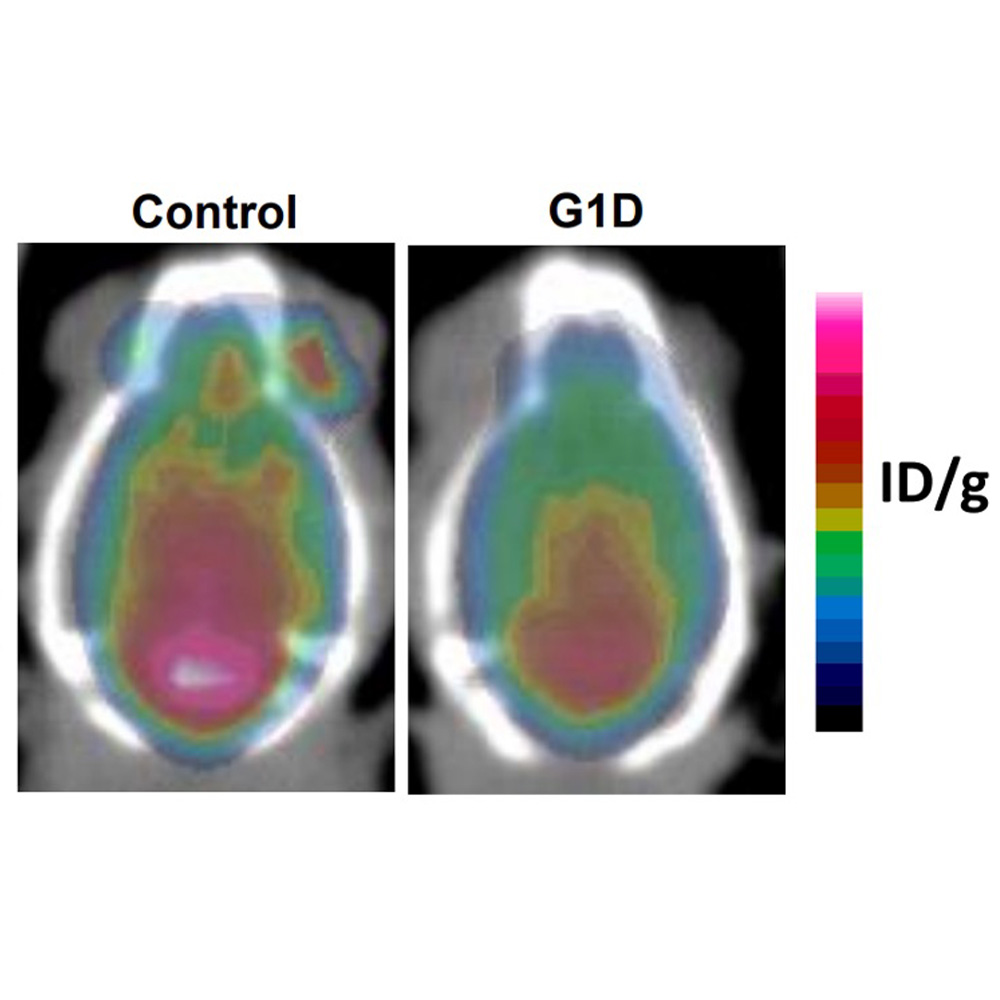
A small group of brain cells linked in a circuit is responsible for setting off whole-brain seizures in a rare form of epilepsy affected by blood sugar levels, a study led by UT Southwestern researchers suggests.
UTSW study finds new pain management approach reduced opioid use after C-sections: Newsroom - UT Southwestern, Dallas, Texas
https://www.utsouthwestern.edu/newsroom/articles/year-2022/new-pain-management-c-sections.html
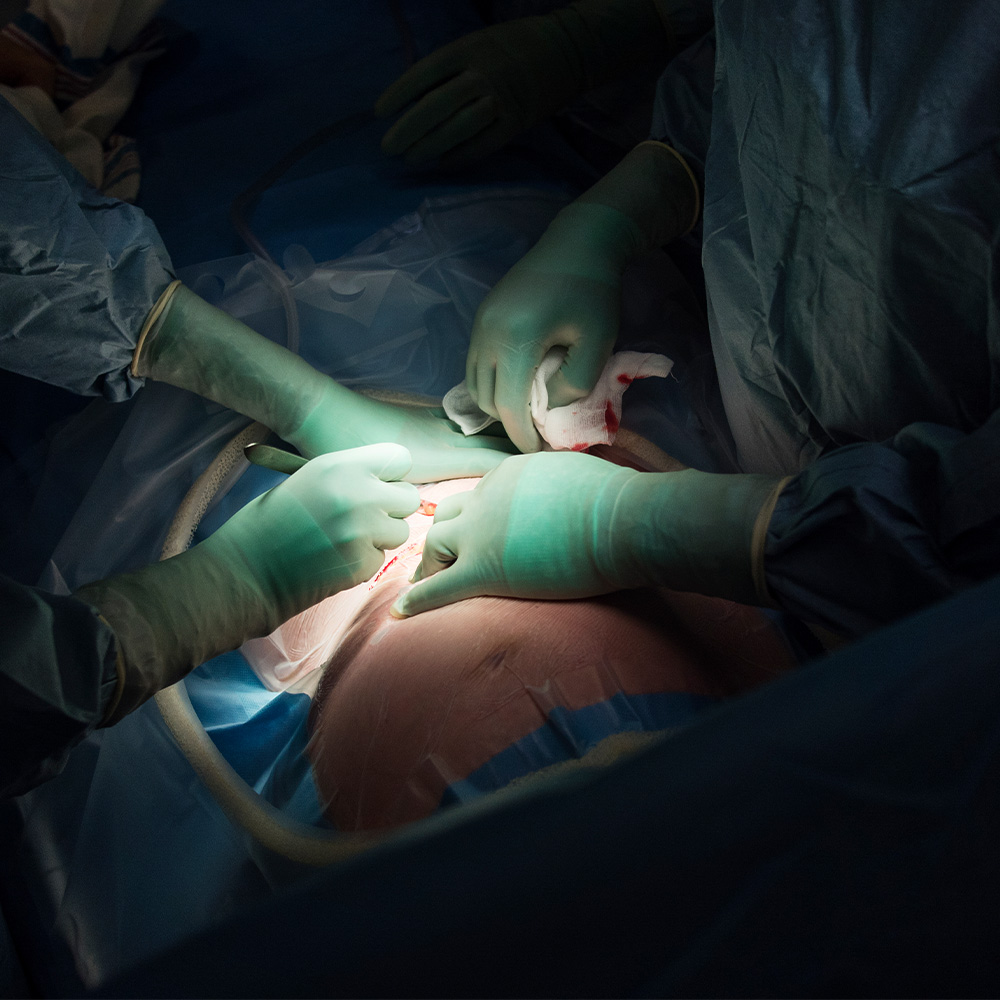
For years, women recovering from cesarean section (C-section) deliveries have been given devices that let them, with a button, control the flow of opioid painkillers into their IV line.
UT Southwestern’s Inaugural Chair of Biomedical Engineering elected to National Academy of Medicine: Newsroom - UT Southwestern, Dallas, Texas
https://www.utsouthwestern.edu/newsroom/articles/year-2021/inaugural-chair-of-biomedical-engineering-nam.html
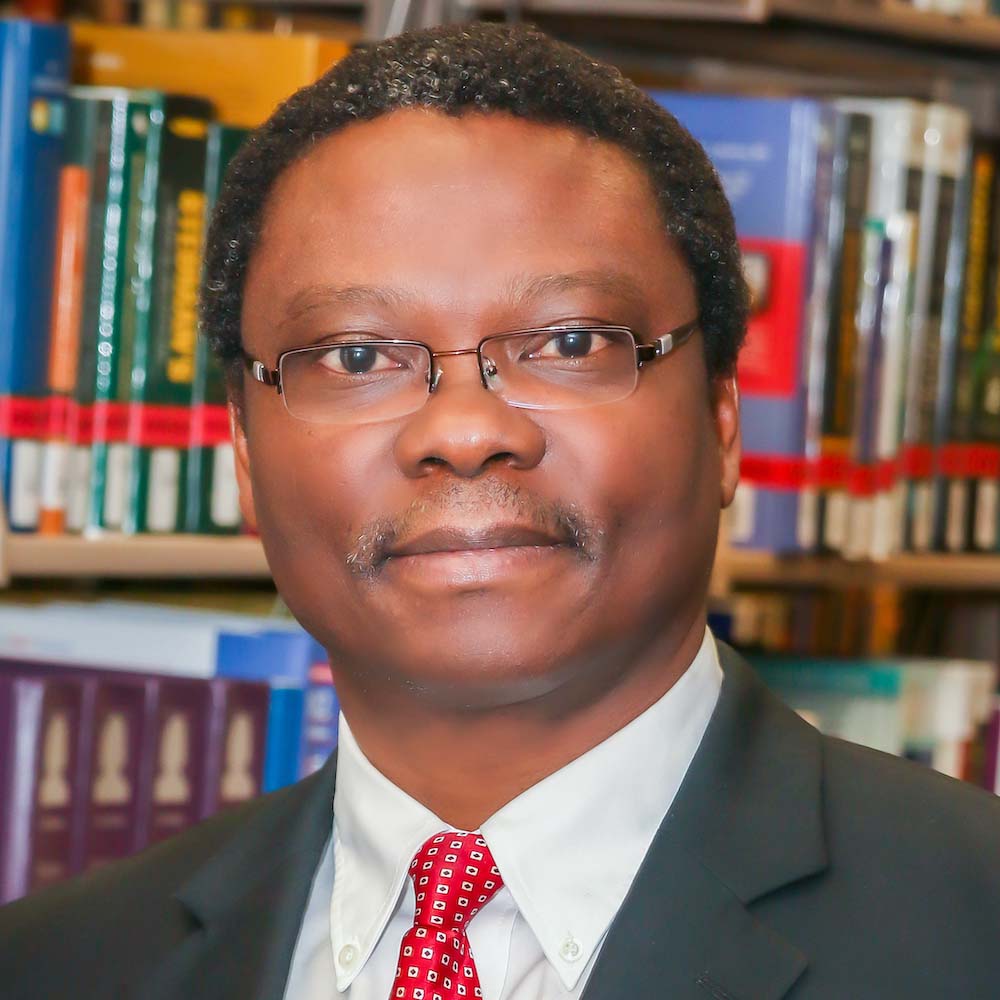
Samuel Achilefu, Ph.D., the incoming Inaugural Chair of UT Southwestern Medical Center’s new Department of Biomedical Engineering, is among 100 members elected to the National Academy of Medicine (NAM) this year.
UT Southwestern geneticists identify new mechanism for nonalcoholic fatty liver disease absent obesity: Newsroom - UT Southwestern, Dallas, Texas
https://www.utsouthwestern.edu/newsroom/articles/year-2022/september-nonalcoholic-fatty-liver-disease.html
Using a genetic screening platform developed by a UT Southwestern Nobel Laureate, scientists with the Center for the Genetics of Host Defense at UT Southwestern Medical Center have identified genetic mutations that contribute to nonalcoholic fatty liver disease (NAFLD), providing a potential future
Study finds low risk of pregnancy complications from COVID-19: Newsroom - UT Southwestern, Dallas, Texas
https://www.utsouthwestern.edu/newsroom/articles/year-2020/low-risk-pregnancy-complications-covid.html
Pregnant women who test positive for COVID-19 and their newborn babies have a low risk of developing severe symptoms, according to a new study from UT Southwestern.