
Search
Koh co-authors new studiesant: Pediatrics News - UT Southwestern, Dallas, TX
https://www.utsouthwestern.edu/departments/pediatrics/news/koh-co-authors-new-studies.html
Two UT Southwestern-led studies co-authored by Andrew Y. Koh, M.D., Professor and Division Chief of Pediatric Hematology and Oncology, were recently published in Cell Host & Microbe.
Brain activity discovery could transform Parkinson’s treatment: Newsroom - UT Southwestern, Dallas, Texas
https://www.utsouthwestern.edu/newsroom/articles/year-2026/aug-brain-activity-parkinsons-treatment.html
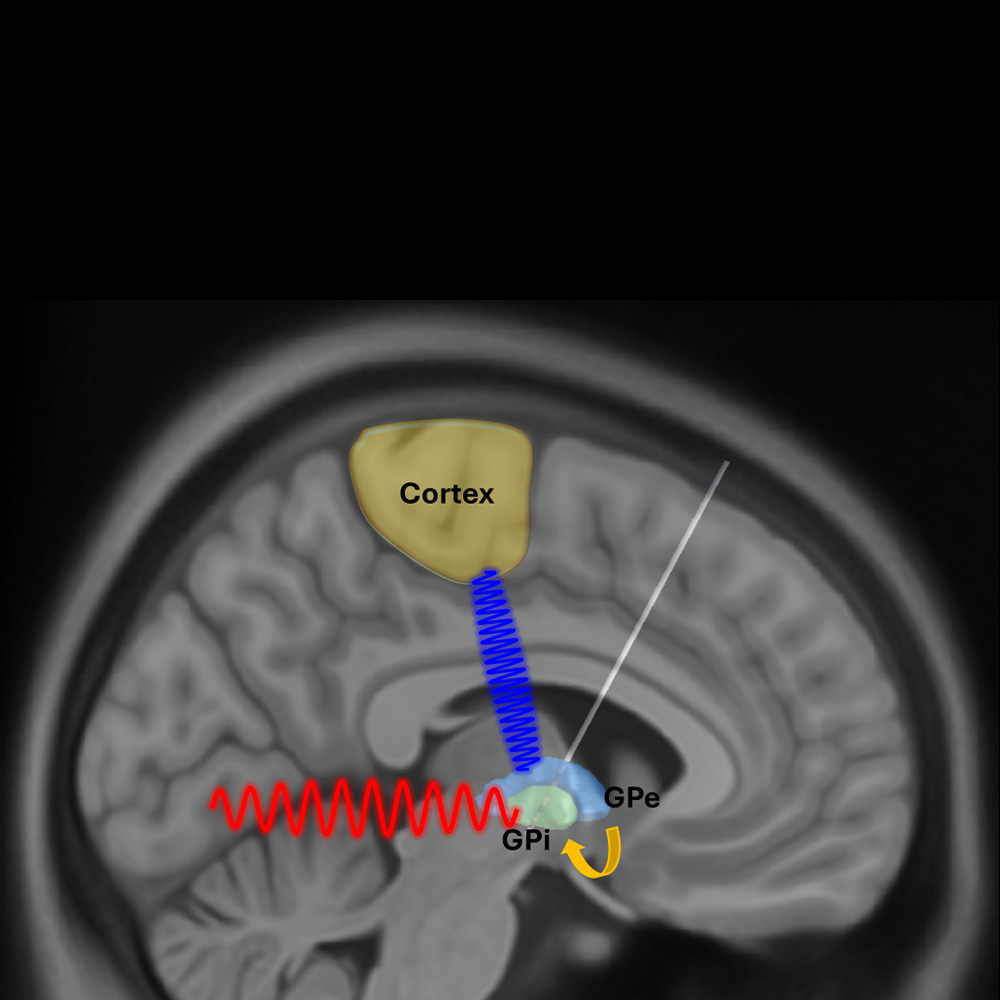
Researchers at UT Southwestern Medical Center studying Parkinson’s disease have discovered a previously unrecognized sequence of abnormal activity across multiple regions of the brain, providing a new level of understanding that could improve treatment options.
Scientists discover metabolite fueling aggressive brain tumor growth: Newsroom - UT Southwestern, Dallas, Texas
https://www.utsouthwestern.edu/newsroom/articles/year-2026/sept-aggressive-brain-tumor-growth.html
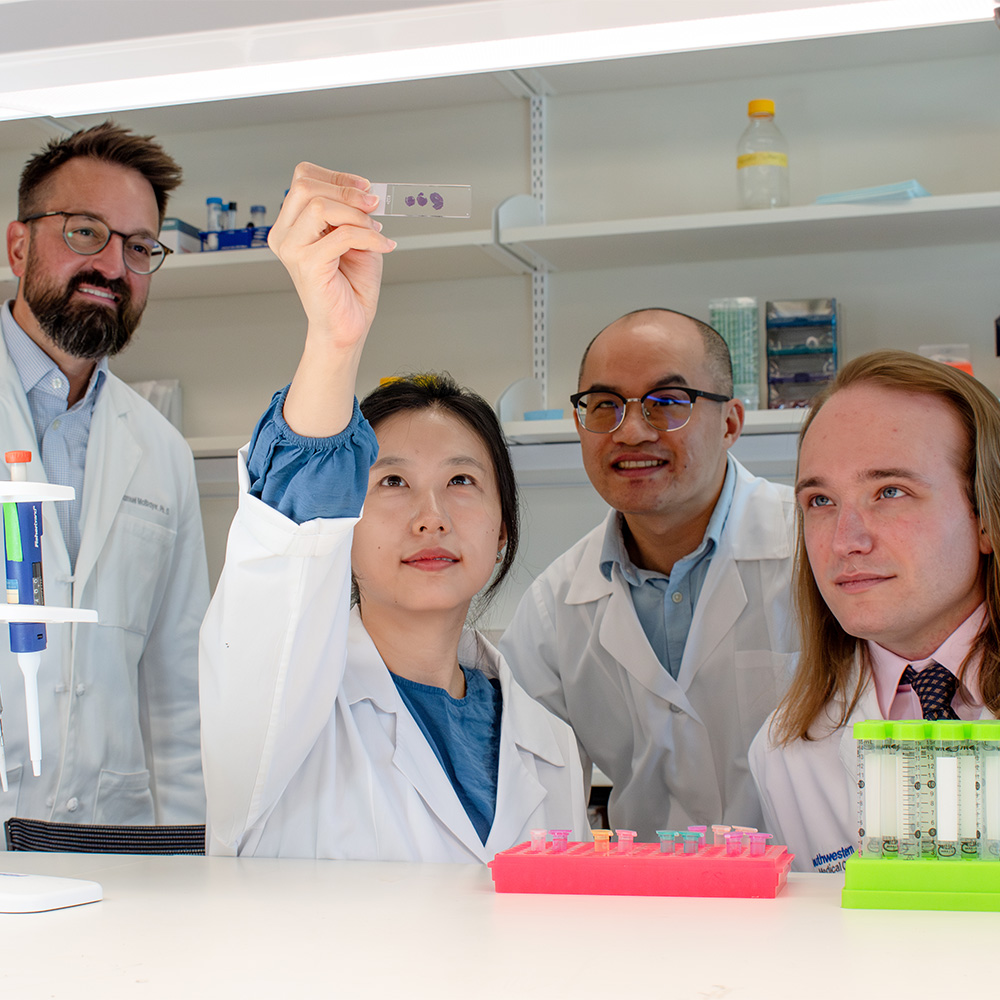
Virtually all high-grade, aggressive gliomas in adults accumulate massive amounts of a metabolite called guanidinoacetate (GAA) that overstimulates nearby neurons and promotes tumor growth, according to new research from scientists at Children’s Medical Center Research Institute at UT Southwestern (CRI) published today in Cell.
Masashi Yanagisawa, M.D., Ph.D., receives Lasker Award for discovery that transformed narcolepsy care: Newsroom - UT Southwestern, Dallas, Texas
https://www.utsouthwestern.edu/newsroom/articles/year-2026/sept-yanagisawa-lasker-award-narcolepsy-care.html

The Lasker Foundation has announced that UT Southwestern sleep researcher Masashi Yanagisawa, M.D., Ph.D., is a recipient of the 2026 Albert Lasker Basic Medical Research Award for his discovery of orexin, a brain peptide that maintains wakefulness, and demonstration that the absence of its action is responsible for narcolepsy, a profound disorder of sleep.
Autoantibodies could play key role in cancer progression and prevention: Newsroom - UT Southwestern, Dallas, Texas
https://www.utsouthwestern.edu/newsroom/articles/year-2026/july-autoantibodies-cancer-progression-prevention.html

Scientists have long sought to understand why some people with no known risk factors develop cancer while others with significant risk never do.
Avoid geographical cyber targeting: Information Security Awareness - UT Southwestern, Dallas, Texas
https://www.utsouthwestern.edu/employees/information-security/awareness/updates/avoid-geographical-cyber-targeting.html

Geo-targeted phishing occurs when cybercriminals execute customized attacks based on your geographic location.
Open Source Release of Software: Technology Development - UT Southwestern, Dallas, Texas
https://www.utsouthwestern.edu/about-us/administrative-offices/technology-development/agreements/open-source-release-of-software.html
Public release of university-owned software source code developed by university faculty, trainees, and employees
UTSW Research: Heart failure, diet’s impact on aging, and MS drugs: Newsroom - UT Southwestern, Dallas, Texas
https://www.utsouthwestern.edu/newsroom/articles/year-2026/oct-research-roundup-heart-failure.html

Research published in Science Advances found that specific blood proteins may help explain how social and economic disadvantages increase the risk of heart failure.
UTSW spinoff receives $2.6 million CPRIT grant to develop novel cancer immunotherapy: Newsroom - UT Southwestern, Dallas, Texas
https://www.utsouthwestern.edu/newsroom/articles/year-2026/sept-cprit-grant-cancer-immunotherapy.html
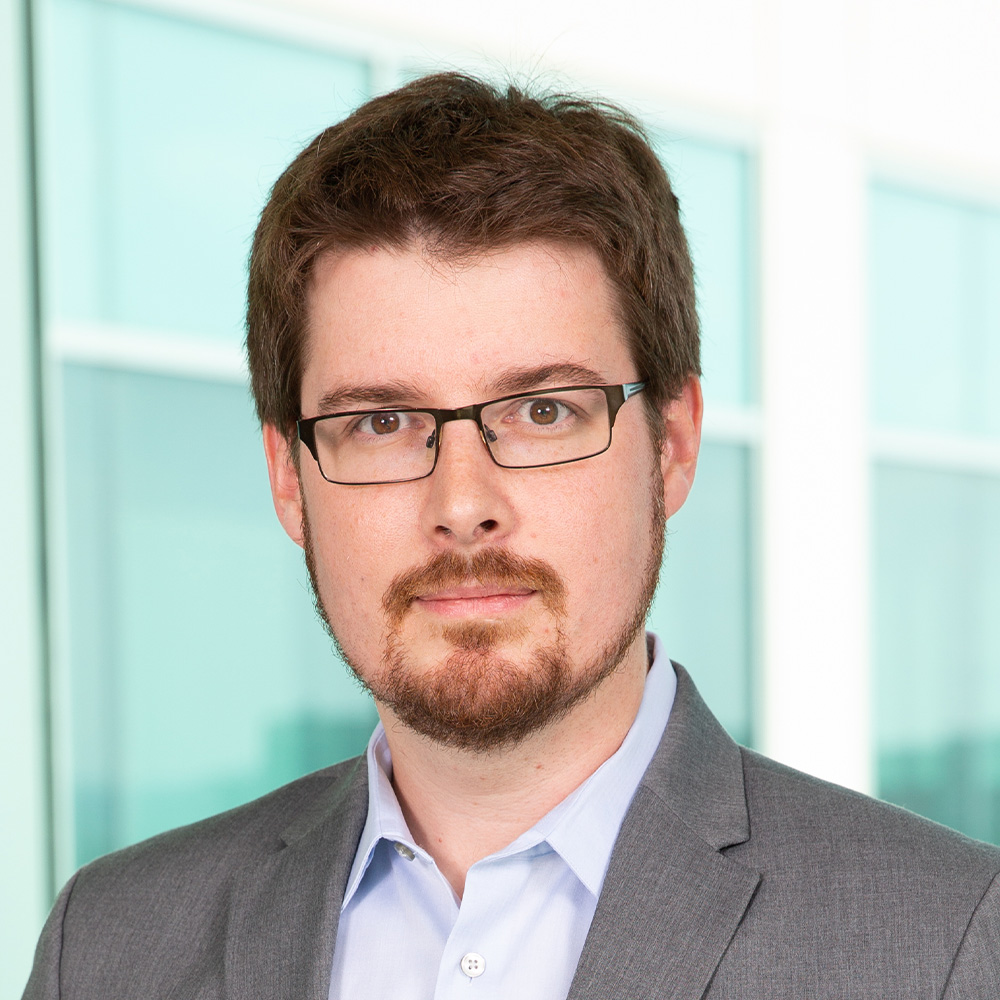
MusiQ Bio, a biotech startup created to advance an anticancer technology developed at UT Southwestern Medical Center, has been awarded a $2.59 million grant from the Cancer Prevention and Research Institute of Texas (CPRIT).
Gut bacteria boost immune system, help send vitamin A to T cells: Newsroom - UT Southwestern, Dallas, Texas
https://www.utsouthwestern.edu/newsroom/articles/year-2026/july-gut-bacteria-boost-immune-system.html
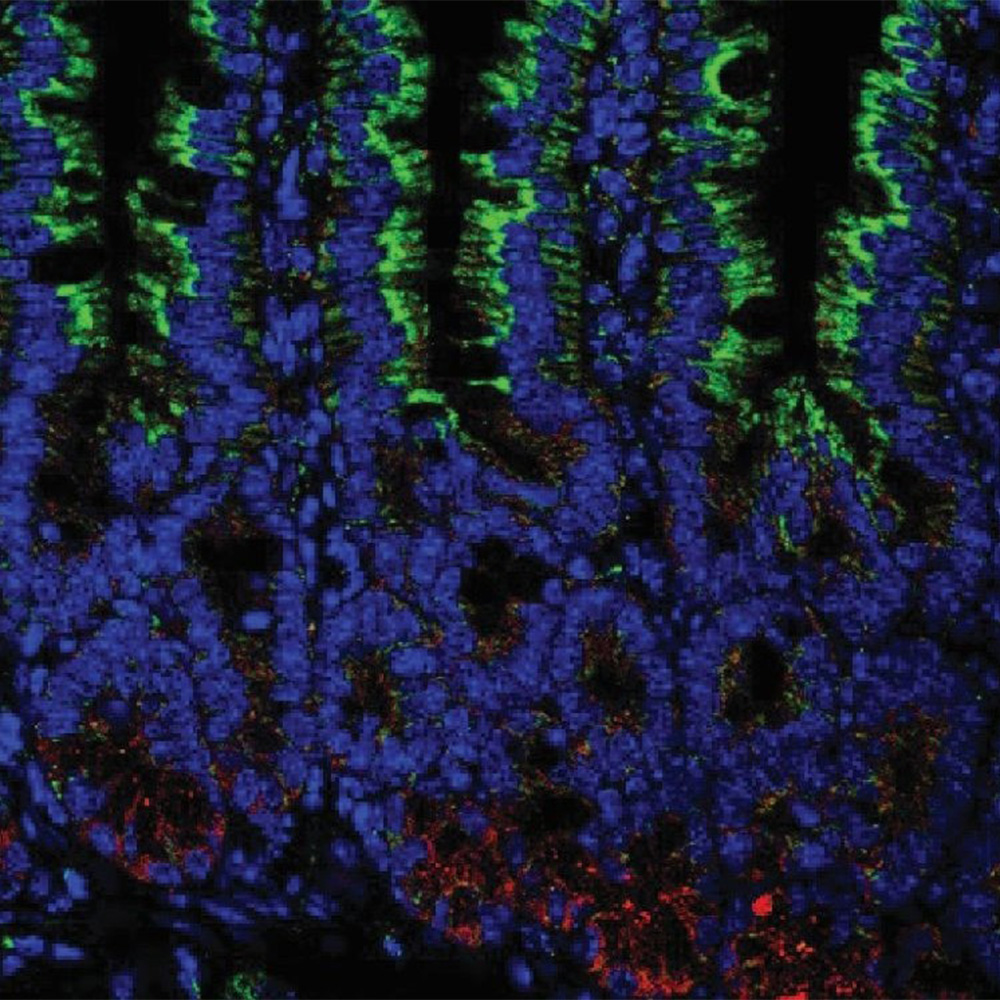
Scientists at UT Southwestern Medical Center have discovered that gut bacteria help regulate the development of the body’s immune system by directing the movement of vitamin A through a previously unrecognized cellular network.