
UTSW spinoff receives $2.6 million CPRIT grant to develop novel cancer immunotherapy
Microbubble strategy using ultrasound boosts immune system to attack tumors
DALLAS – Sept. 24, 2026 – MusiQ Bio, a biotech startup created to advance an anticancer technology developed at UT Southwestern Medical Center, has been awarded a $2.59 million grant from the Cancer Prevention and Research Institute of Texas (CPRIT). The funding is aimed at developing new treatments that prime the immune system to fight cancer and enhance the effects of existing cancer immunotherapies.

“This funding has the potential to bring a platform known as Microbubble-assisted Ultrasound-guided Immunotherapy of Cancer (MUSIC) to first-in-human clinical trials within five years,” said Sina Khorsandi, Ph.D., co-founder and Chief Scientific Officer at MusiQ Bio and a former postdoctoral researcher at UT Southwestern. He developed MUSIC under the mentorship of Jacques Lux, Ph.D., Associate Professor of Radiology and Biomedical Engineering and Director of the Translational Research in Ultrasound Theranostics (TRUST) Lab at UTSW. Dr. Lux, a co-founder of MusiQ Bio and member of its scientific advisory board, is also a member of the Experimental Therapeutics Research Program at the Harold C. Simmons Comprehensive Cancer Center.
The CPRIT grant will allow MusiQ Bio and the Lux Lab at UT Southwestern to continue studying MUSIC in various forms of cancer, building the evidence necessary to eventually test this technology in patients. Manwal Harb, Ph.D., Chief Executive Officer at MusiQ Bio, contributed to the grant submission with Drs. Khorsandi and Lux.
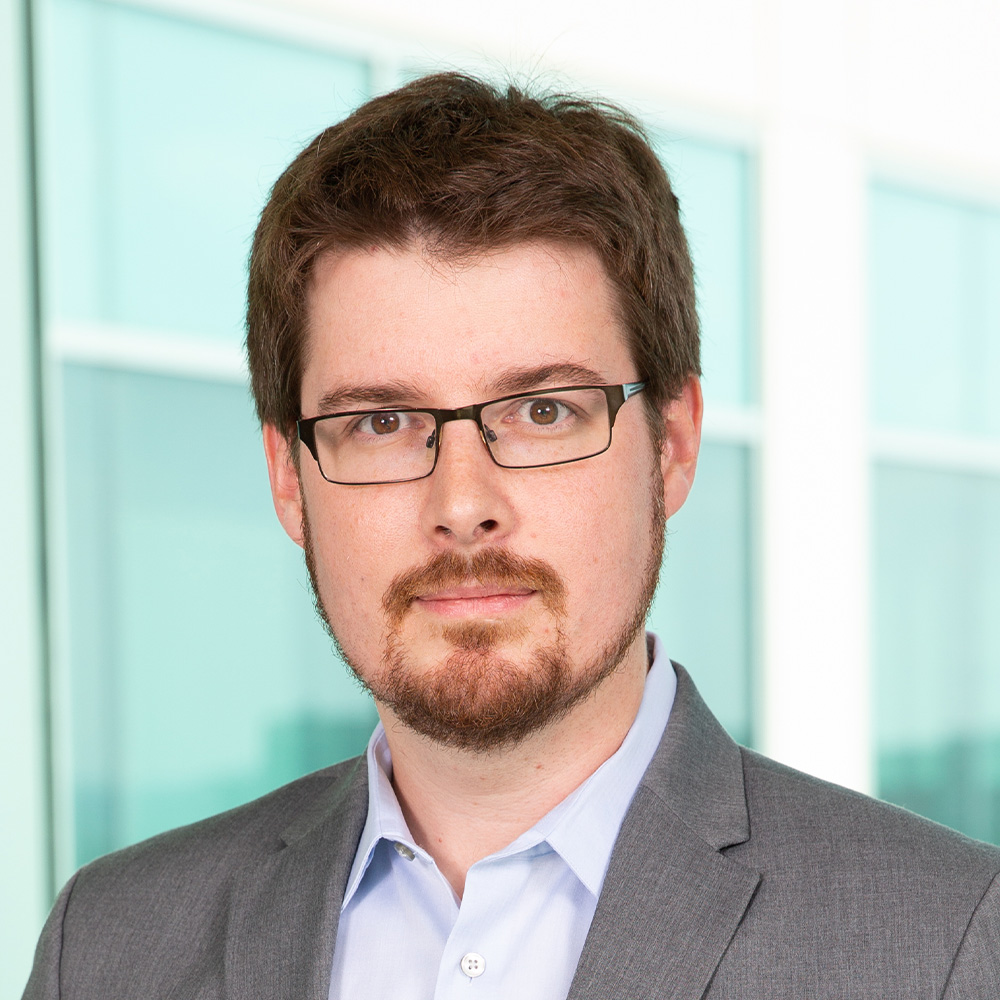
The Lux Lab develops sound-responsive materials, including microbubbles, that can detect disease and deliver drugs or immunotherapy agents inside the body. When Dr. Khorsandi joined the laboratory as a graduate student in 2018, he became interested in using microbubbles as drug delivery agents. Slightly smaller than a red blood cell, microbubbles contain inert gas enclosed within shells made of biocompatible materials such as lipids, proteins, or synthetic polymers. They have been safely used for decades as contrast agents for ultrasound. In an ultrasound field, they oscillate, scattering sound waves and making nearby structures more visible. Increasing ultrasound pressure causes the bubbles to collapse, generating mechanical forces that can transiently increase the permeability of cell membranes and tissues.
Dr. Khorsandi, Dr. Lux, and their colleagues reasoned that they could harness microbubbles to deliver a molecule called cGAMP (cyclic guanosine monophosphate-adenosine monophosphate) to specific immune cells known as antigen-presenting cells (APCs). cGAMP – which was discovered by Zhijian “James” Chen, Ph.D., Professor of Molecular Biology and in the Center for the Genetics of Host Defense at UT Southwestern – activates a pathway known as STING (stimulator of interferon genes) to stimulate the body’s innate immune system, including cancer-fighting T cells. By attaching cGAMP and antibodies that target APCs onto microbubble surfaces, the team hypothesized the microbubbles would bind to APCs and deliver cGAMP into cells when they oscillated and collapsed under ultrasound.
In 2022, the Lux Lab reported in Nature Nanotechnology that this strategy, which they named MUSIC, significantly reduced tumor growth in mouse models of triple-negative breast cancer, eliminating tumors in 60% of them. It also prevented tumor regrowth, decreased systemic disease progression in a model of metastatic breast cancer, and enhanced the effects of an immune checkpoint inhibitor, a common cancer immunotherapy.
Dr. Lux, Dr. Khorsandi, and their colleagues have since reported similarly promising results with MUSIC on models of melanoma. Ongoing studies are exploring its use against pancreatic cancer and glioblastoma, an aggressive brain tumor.
The team has also developed a related platform called Systematic Oncotherapy using Nanobubbles for Acoustically-guided Tumor Activation (SONATA), which was detailed in an August 2026 study in BioRxiv. Unlike microbubbles, which cannot leave blood vessels, nanobubbles can penetrate tumor tissue. This technology shrinks the cGAMP-carrying bubbles to one-tenth of their original size, thus allowing them to penetrate deeper into tumors, which could be an advantage for some cancer types, Dr. Lux explained.
Together, he added, MUSIC and SONATA could offer highly innovative ways to harness the immune system to fight cancer.
“Other ways to deliver cGAMP are problematic. They don’t have the layer of targeting and control we have, which is required for cGAMP efficacy. We believe our platform could offer important advantages,” Dr. Lux said.
Dr. Chen holds the George L. MacGregor Distinguished Chair in Biomedical Science. He has received numerous honors for his discovery of cGAMP and the DNA-sensing cGAS enzyme, including the Albert Lasker Basic Medical Research Award (2024) and the Breakthrough Prize in Life Sciences (2019).
About UT Southwestern Medical Center
UT Southwestern, one of the nation’s premier academic medical centers, integrates pioneering biomedical research with exceptional clinical care and education. The institution’s faculty members have received six Nobel Prizes and include 28 members of the National Academy of Sciences, 26 members of the National Academy of Medicine, and 14 Howard Hughes Medical Institute Investigators. The full-time faculty of nearly 3,400 is responsible for groundbreaking medical advances and is committed to translating science-driven research quickly to new clinical treatments. UT Southwestern physicians in more than 80 specialties care for more than 143,000 hospitalized patients, attend to more than 470,000 emergency room cases, and oversee nearly 5.3 million outpatient visits a year.