
Search
UT Southwestern to open DFW’s first state behavioral health hospital this summer: Newsroom - UT Southwestern, Dallas, Texas
https://www.utsouthwestern.edu/newsroom/articles/year-2025/dec-texas-behavioral-health-center.html
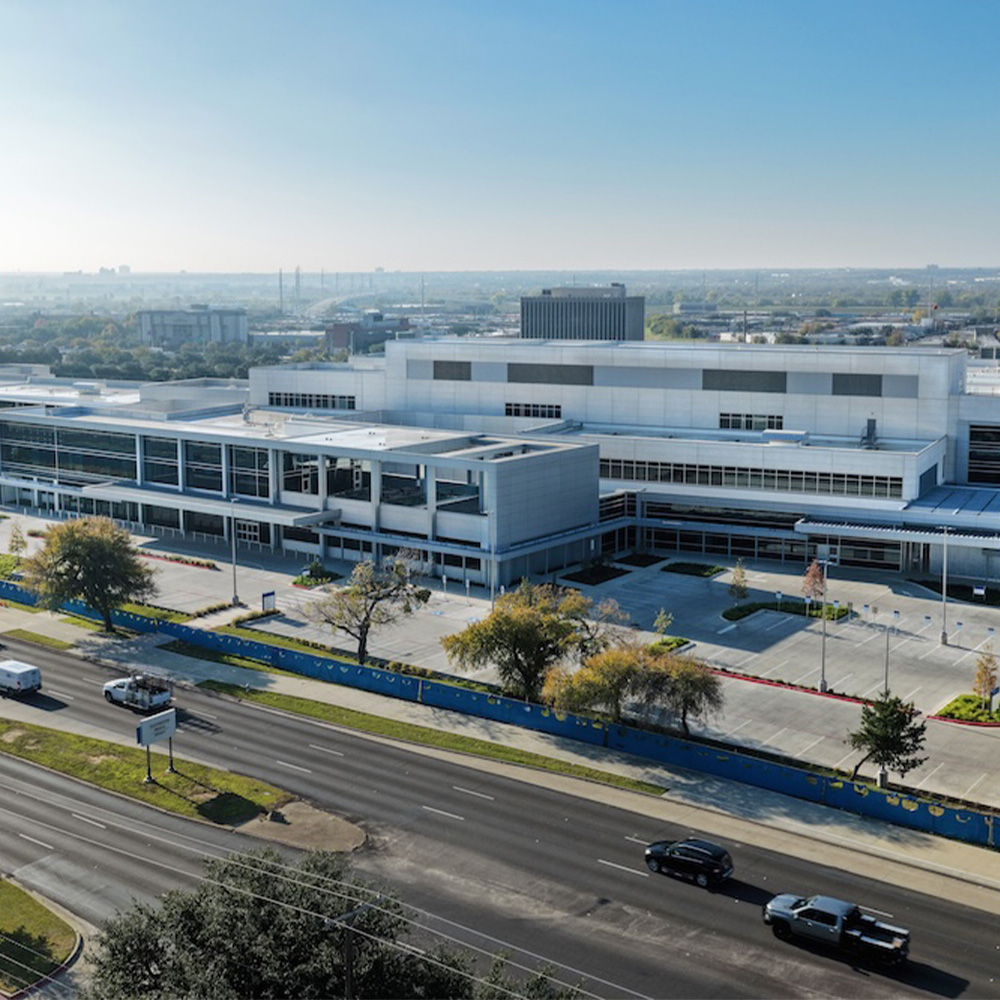
UT Southwestern Medical Center has been selected to operate the new Texas Behavioral Health Center – the first state acute care behavioral health hospital in the Dallas-Fort Worth area – announcing plans to care for its first patients this summer.
Changes in circadian rhythms linked to higher dementia risk: Newsroom - UT Southwestern, Dallas, Texas
https://www.utsouthwestern.edu/newsroom/articles/year-2026/jan-circadian-rhythms-higher-dementia-risk.html

Disruptions in patterns of daily activity and rest may provide early clues to heightened dementia risk, a study co-led by a UT Southwestern Medical Center scientist found.
Study reveals molecular ‘switch’ that turns on inflammation in obesity: Newsroom - UT Southwestern, Dallas, Texas
https://www.utsouthwestern.edu/newsroom/articles/year-2026/jan-molecular-switch-inflammation-obesity.html
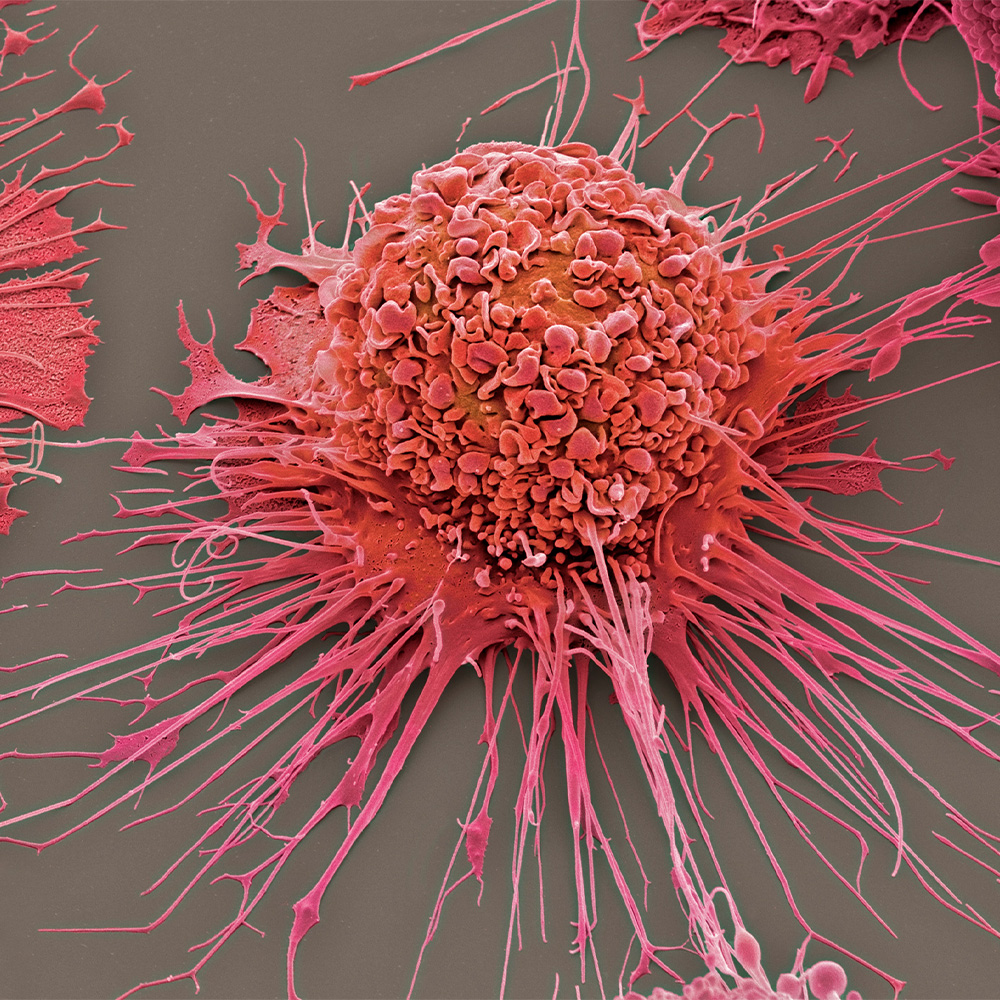
A team led by UT Southwestern Medical Center researchers has uncovered a molecular pathway that links obesity to widespread inflammation, providing long-sought insight into why obesity increases the risk of Type 2 diabetes, cardiovascular disease, fatty liver disease, and certain cancers.
Study identifies key protein regulating cholesterol release : Newsroom - UT Southwestern, Dallas, Texas
https://www.utsouthwestern.edu/newsroom/articles/year-2026/feb-key-protein-cholesterol-release.html
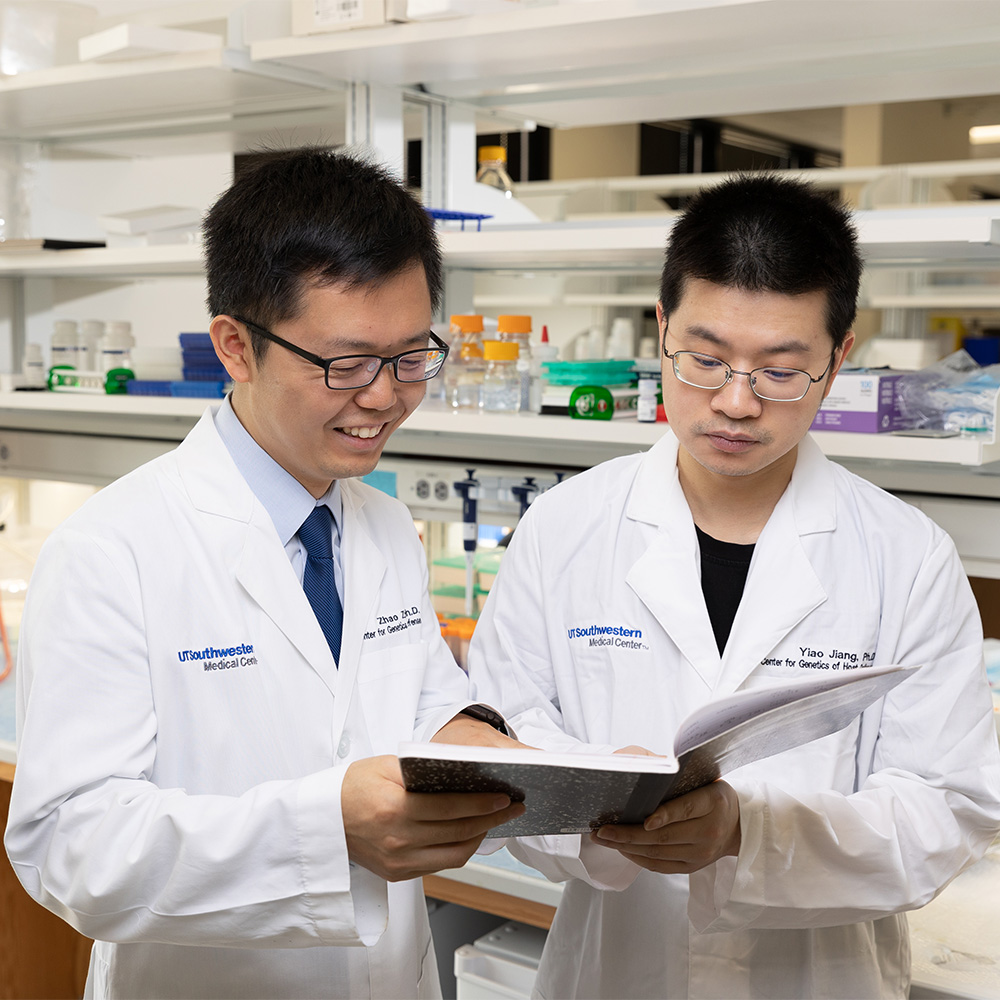
Two UT Southwestern Medical Center researchers have identified a protein that plays a key role in controlling the liver’s release of cholesterol-carrying lipoproteins into the bloodstream, a discovery that could lead to new treatments for atherosclerotic heart disease and fatty liver disease.
UTSW first in Texas to offer novel treatment for rare eye cancer that spreads to the liver : Newsroom - UT Southwestern, Dallas, Texas
https://www.utsouthwestern.edu/newsroom/articles/year-2026/jan-novel-treatment-rare-eye-cancer.html
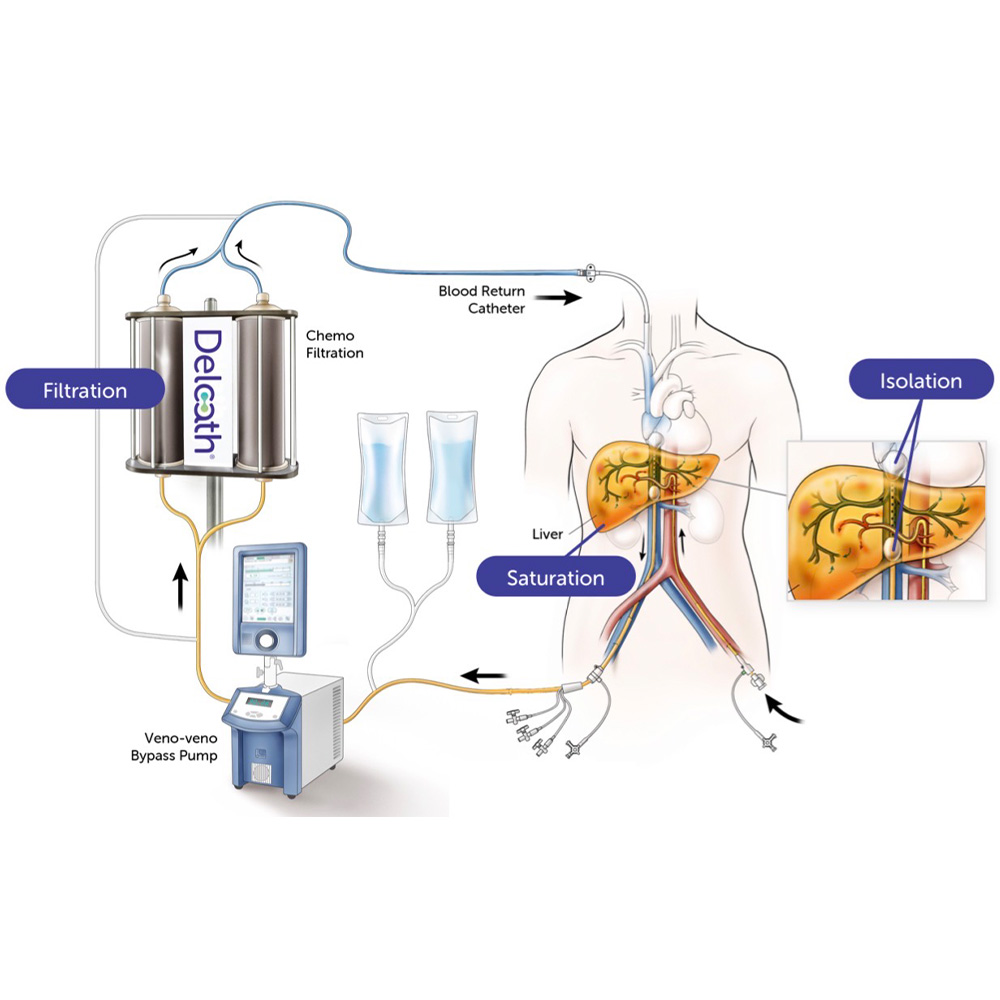
A team at UT Southwestern Medical Center this week became the first in Texas and neighboring states to successfully perform a novel procedure to deliver whole-liver chemotherapy to treat metastatic uveal melanoma, a rare and deadly eye cancer.
Study identifies why some breast cancers evade treatment : Newsroom - UT Southwestern, Dallas, Texas
https://www.utsouthwestern.edu/newsroom/articles/year-2026/feb-breast-cancers-evade-treatment.html
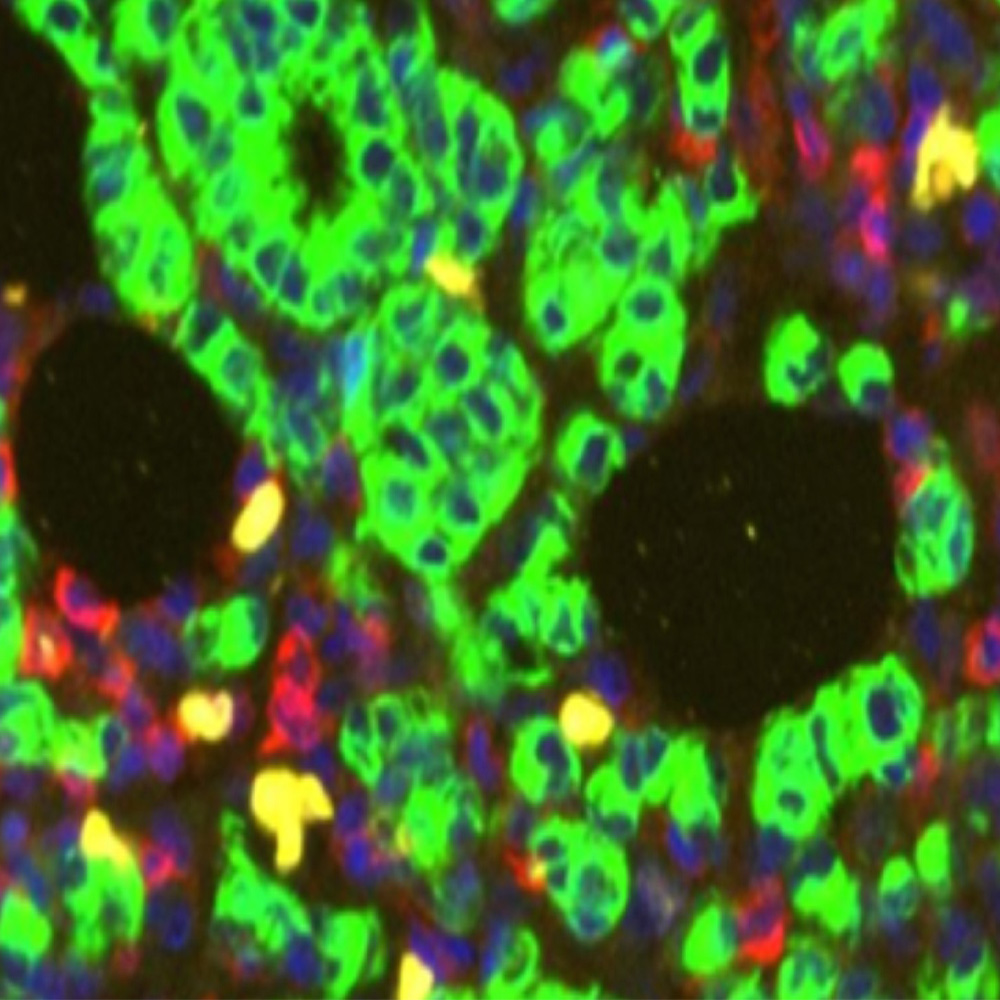
Up to 20% of hormone receptor-positive breast cancers don’t respond to antiestrogen therapies. A new study led by researchers at UT Southwestern, published in The Journal of Clinical Investigation, suggests that a protein secreted by immune cells within these tumors causes them to grow even in the absence of estrogen.
Dallas Mavericks and UT Southwestern strengthen strategic partnership : Newsroom - UT Southwestern, Dallas, Texas
https://www.utsouthwestern.edu/newsroom/articles/year-2025/oct-dallas-mavericks-utsw-partnership.html
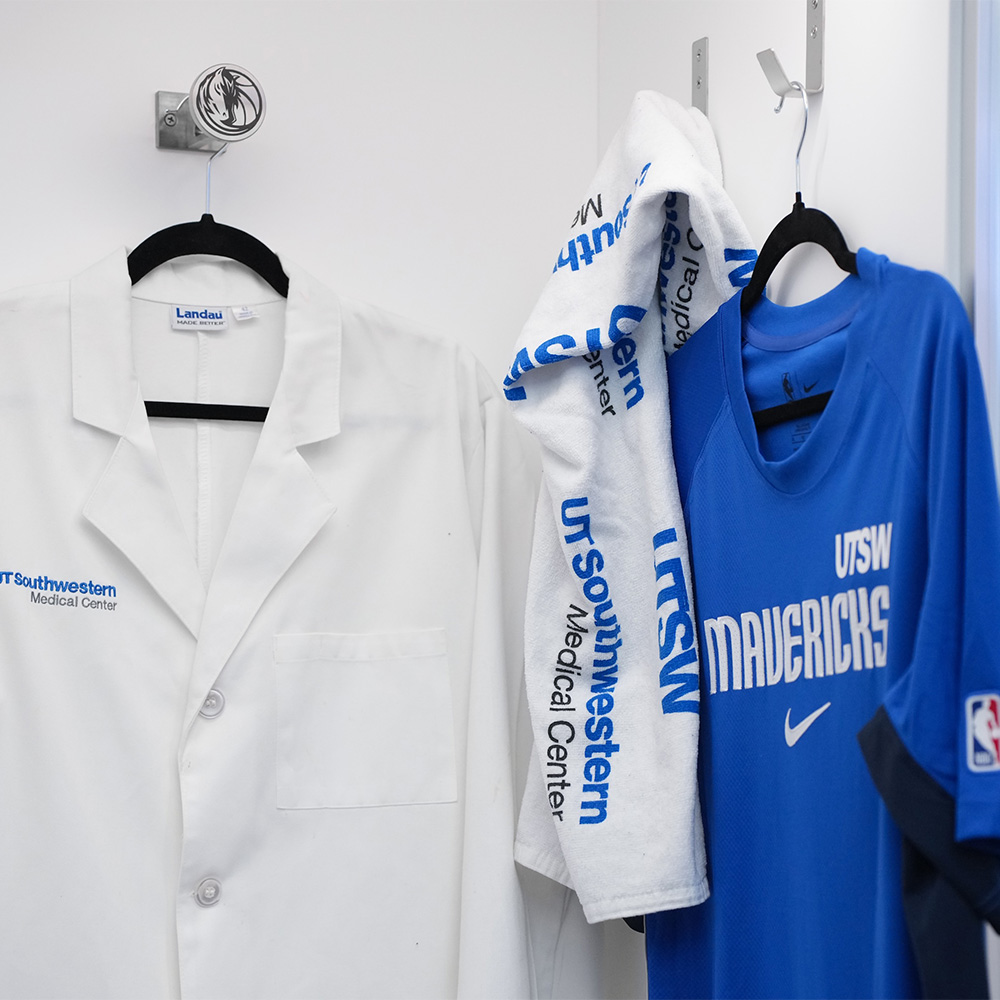
Today the Dallas Mavericks and UT Southwestern Medical Center announced a multiyear expansion of their strategic partnership. UT Southwestern, the team’s Official Health Care Partner since 2019, will now also serve as the Official Team Doctors for the franchise. The UT Southwestern logo will appear on the front shoulder of Mavericks pregame shooting shirts, and prominent signage will be featured throughout American Airlines Center.
Findings may move science closer to growing organs in other species: Newsroom - UT Southwestern, Dallas, Texas
https://www.utsouthwestern.edu/newsroom/articles/year-2025/dec-growing-organs-other-species.html
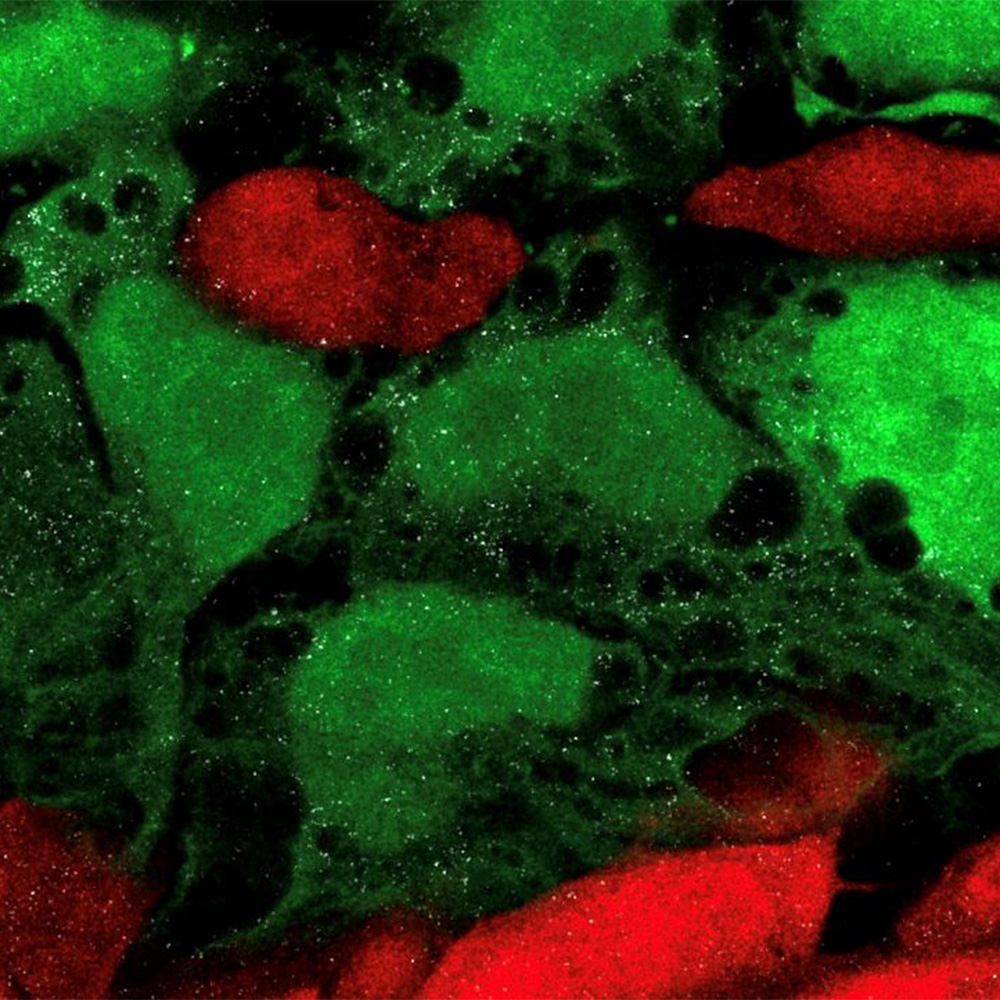
Failure of human pluripotent stem cells (PSCs) to survive when grown with the PSCs of distantly related species occurs because of an innate immune reaction in the nonhuman cells, a study led by UT Southwestern Medical Center researchers suggests.
Nanovaccine shows great promise for treating HPV-related cancers: Newsroom - UT Southwestern, Dallas, Texas
https://www.utsouthwestern.edu/newsroom/articles/year-2025/nov-nanovaccine-hpv-related-cancers.html
A nanoparticle vaccine designed to fight cancers induced by human papillomavirus (HPV) eradicated tumors in an animal model of late-stage metastatic disease, UT Southwestern Medical Center scientists report in a new study published in PNAS. The findings could ultimately lead to a new type of vaccine that would be used to treat a variety of cancers.
Heat boosts antibiotics’ effectiveness against prosthetic infections: Newsroom - UT Southwestern, Dallas, Texas
https://www.utsouthwestern.edu/newsroom/articles/year-2026/march-heat-boosts-antibiotics-prosthetic-infections.html
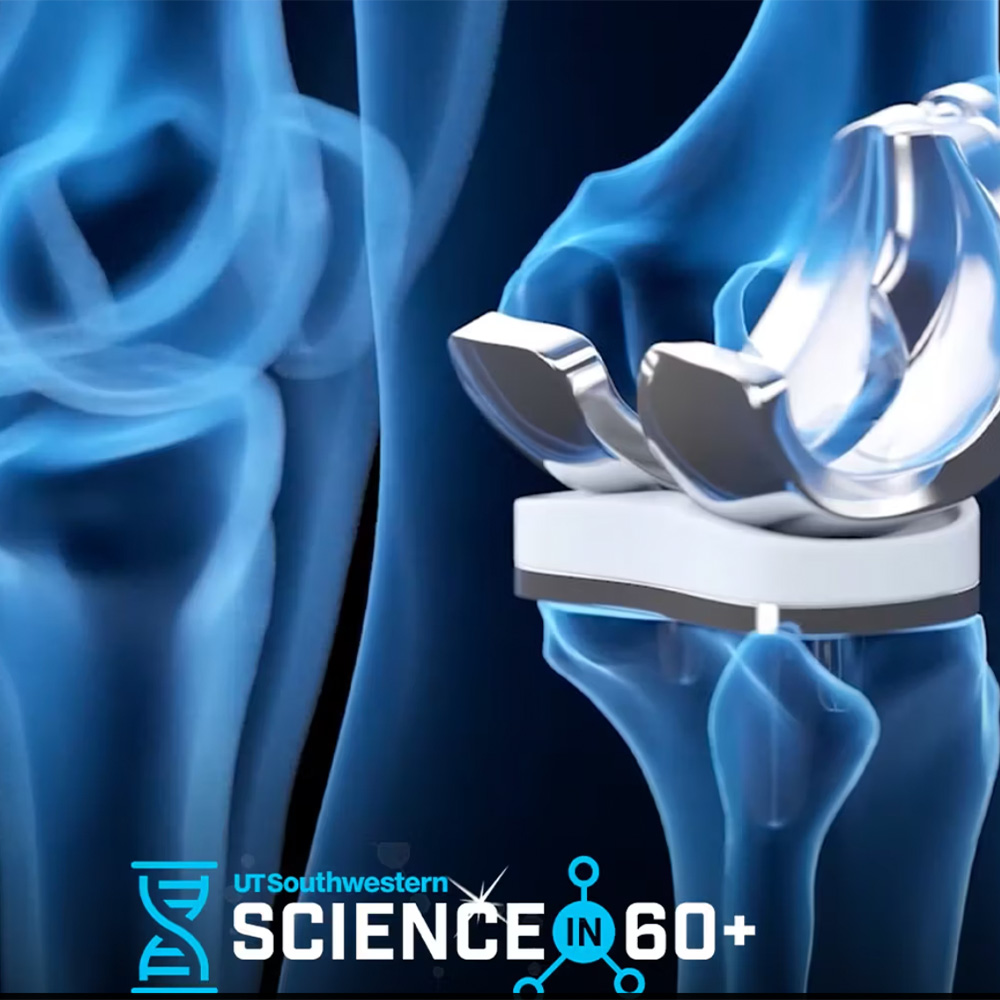
Heat generated by alternating magnetic fields (AMF) helps common antibiotics work better against prosthetic joint infections, researchers at UT Southwestern Medical Center found.