
‘Polypill’ improves heart failure outcomes in UTSW-led trial
Combining three heart failure medications into a single daily pill cut hospitalizations and emergency visits by 60% and improved heart function

DALLAS – July 02, 2026 – A “polypill” combining three medications recommended to treat heart failure into a single daily dose proved far more effective for patients than taking the drugs separately, a randomized clinical trial led by UT Southwestern Medical Center researchers showed. The findings, published in Nature Medicine, could lead to new ways to treat patients with conditions that require taking multiple daily medications to achieve optimal outcomes.

“Despite the existence of medical therapies for heart failure that significantly reduce hospitalization and mortality, use of these treatments remains low,” said study lead author Ambarish Pandey, M.D., Associate Professor of Internal Medicine in the Division of Cardiology at UT Southwestern. “Our findings in the POLY-HF trial established that a polypill strategy offers a realistic path to helping patients achieve and maintain optimal therapy for heart failure, a setting where single-pill approaches had not previously been tested.”
Heart failure, a chronic condition in which the heart is unable to pump enough blood to meet the body’s needs, affects more than 6 million Americans. The prognosis is poor, with nearly half of patients dying within five years of diagnosis. About half of those affected have a type called heart failure with reduced ejection fraction (HFrEF), in which the heart’s left ventricle can’t contract effectively.
Current guidelines for treating HFrEF recommend the simultaneous use of four types of medications: beta blockers, renin-angiotensin system inhibitors, sodium-glucose cotransporter 2 inhibitors, and mineralocorticoid receptor antagonists. Although studies have shown this combination can reduce by half the number of deaths in HFrEF patients compared with a previously recommended two-drug regimen, adherence to this quadruple therapy is low. Only 15% of patients hospitalized with HFrEF receive it, and taking these drugs in optimal doses is even more rare, Dr. Pandey explained.
To help improve adherence to the guideline-recommended multidrug therapy, Dr. Pandey and his colleagues tested combining these medications into a single daily pill – a strategy that has shown success in treating atherosclerotic cardiovascular disease, a condition in which plaque builds up in the arteries and requires a similarly complicated drug dosing regimen. The team enrolled 212 heart failure patients at Parkland Memorial Hospital and William P. Clements Jr. University Hospital. Both are teaching hospitals for UT Southwestern; Parkland is a safety-net county hospital.
Patients from both sites had similar characteristics, with a median age of 54 years, 78% male, 54% Black, and 33% Hispanic. About 68% were uninsured or relied on healthcare programs for indigent patients – known barriers to achieving optimal therapy.
The researchers randomized these patients into two groups. One took the beta blockers, sodium-glucose cotransporter 2 inhibitors, and mineralocorticoid receptor antagonists combined into a polypill once daily; the renin-angiotensin system inhibitors were taken separately. The polypill was available in several different formulations, allowing doctors to vary the dose of individual components as needed. The other group took each drug separately.
The team followed the patients for six months. The primary outcome of the study was change in heart function, or left ventricular ejection fraction assessed by cardiac MRI. The investigators also tracked adherence to the prescribing regimens through blood tests of drug concentrations in the serum, side effects, hospitalizations, and deaths.
Results showed a significantly greater improvement in heart function of 3.3 percentage points in the left ventricular ejection fraction among participants in the polypill group compared with those who took the pills separately. There was also a marked gain in medication adherence: 79% of patients in the polypill group had detectable blood levels of all tested medications, confirming they were taking their drugs, compared with 54% of those taking the drugs separately. By six months, nearly all polypill patients (97%) were receiving all four recommended drug classes versus 78% in the comparison group.
There were also large gains in reducing the risk of heart failure hospitalizations or emergency visits. Those taking the polypill had a 60% lower rate of heart failure hospitalizations or emergency department visits and fewer serious side effects than those taking the drugs individually.
Together, Dr. Pandey said, these findings suggest that a polypill holds significant promise for treating HFrEF and might improve outcomes for other conditions that require treatment with multiple daily drugs.
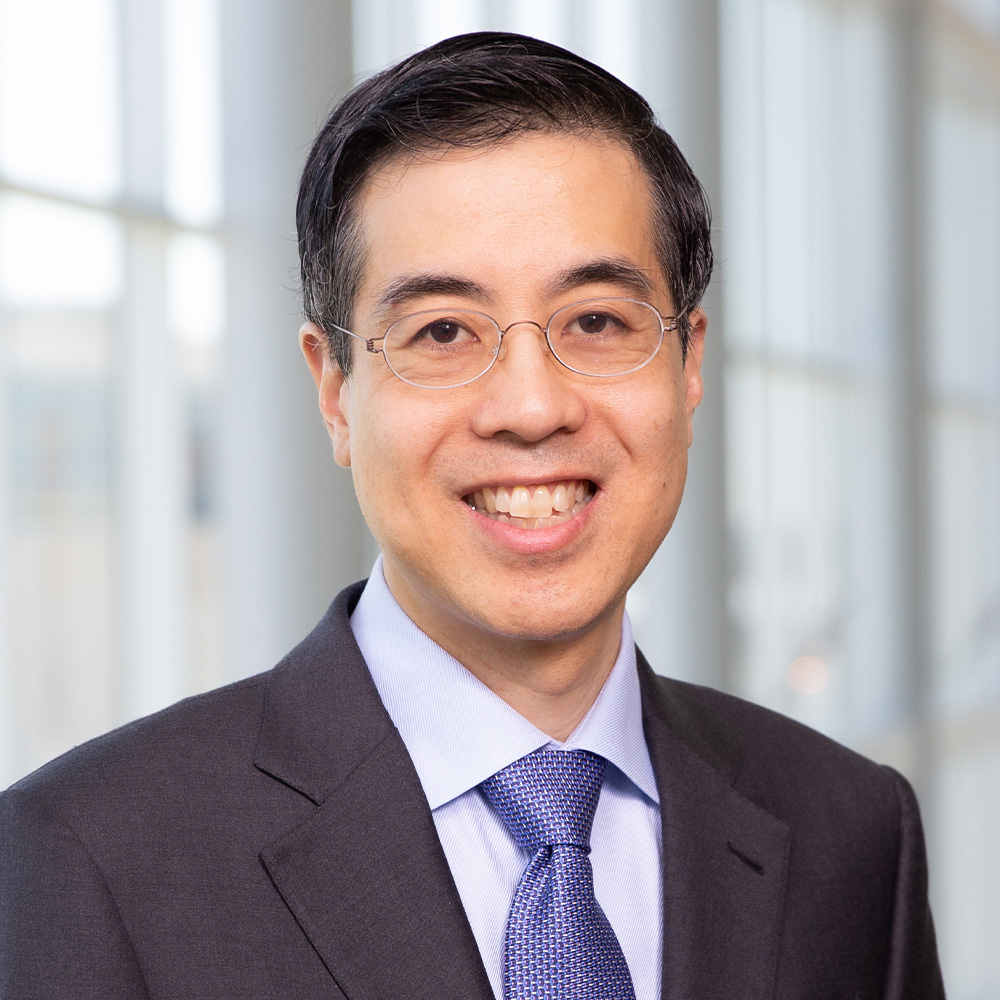
“For decades we’ve had medications that meaningfully extend and improve the lives of heart failure patients, yet most people never receive them at the right doses,” said senior author Thomas J. Wang, M.D., Dean of the University of Michigan Medical School and Josiah Macy, Jr. Professor, who formerly served as Chair of Internal Medicine at UT Southwestern. “POLY-HF shows that simplifying how these drugs are delivered can close that gap, and the principle could extend to many other conditions that depend on complex daily regimens.”
A complete list of UTSW authors who contributed to this trial can be found in the study.
This research was funded by a grant from the National Institute on Minority Health and Health Disparities (R01MD017529).
Dr. Pandey is a co-inventor on a provisional patent application for a polypill for heart failure.
This month, Dr. Pandey is being proposed as a Professor of Internal Medicine and as the Director of the Cardiometabolic Research Center at the University of Michigan Medical School. He will continue as a member of the UTSW faculty in a research role.
About UT Southwestern Medical Center
UT Southwestern, one of the nation’s premier academic medical centers, integrates pioneering biomedical research with exceptional clinical care and education. The institution’s faculty members have received six Nobel Prizes and include 28 members of the National Academy of Sciences, 26 members of the National Academy of Medicine, and 14 Howard Hughes Medical Institute Investigators. The full-time faculty of nearly 3,400 is responsible for groundbreaking medical advances and is committed to translating science-driven research quickly to new clinical treatments. UT Southwestern physicians in more than 80 specialties care for more than 143,000 hospitalized patients, attend to more than 470,000 emergency room cases, and oversee nearly 5.3 million outpatient visits a year.
About Parkland Health
Parkland Health is one of the largest public hospital systems in the country. Premier services at the state-of-the-art Parkland Memorial Hospital include the Level I Rees-Jones Trauma Center, the only burn center in North Texas verified by the American Burn Association for adult and pediatric patients, and a Level III Neonatal Intensive Care Unit. The system also includes two on-campus outpatient clinics – the Ron J. Anderson, MD Clinic and the Moody Outpatient Center, as well as more than 30 community-based clinics and numerous outreach and education programs. By cultivating its diversity, inclusion, and health equity efforts, Parkland enriches the health and wellness of the communities it serves. For more information, visit parklandhealth.org.