
Search
Protein plays dual role in causing, preventing sepsis: Newsroom - UT Southwestern, Dallas, Texas
https://www.utsouthwestern.edu/newsroom/articles/year-2025/march-protein-preventing-sepsis.html
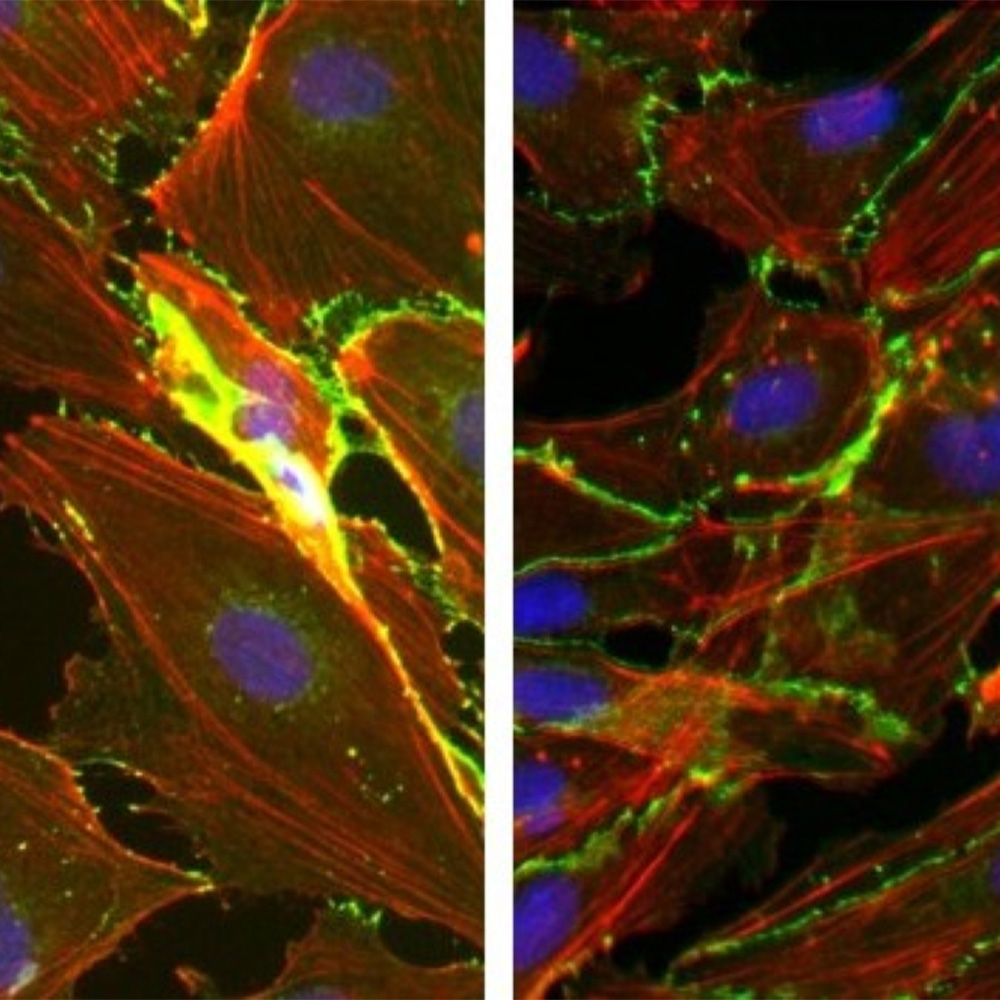
A protein called angiopoietin-2 (ANGPT2) can both inhibit and encourage blood vessel changes critical for sepsis, a leading cause of hospital deaths worldwide, a new study led by UT Southwestern Medical Center researchers shows.
UTSW discovery opens door to novel strategies for hard-to-treat cancers : Newsroom - UT Southwestern, Dallas, Texas
https://www.utsouthwestern.edu/newsroom/articles/year-2025/oct-hard-to-treat-cancers.html
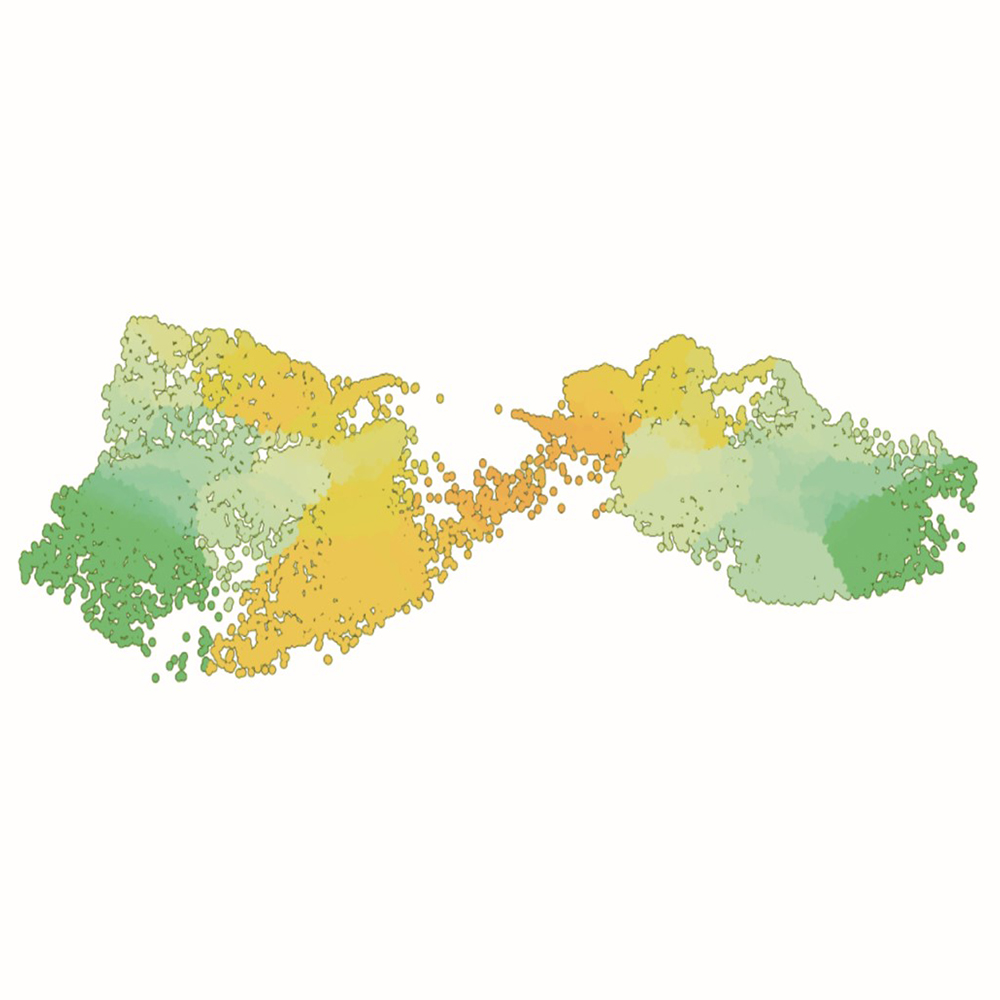
UT Southwestern Medical Center researchers have identified two distinct populations of cells known as antigen-presenting cancer-associated fibroblasts (apCAFs) that appear to support the survival and growth of malignant tumors. Their findings, reported in Cancer Cell, could one day lead to new therapies for notoriously hard-to-treat cancers, including pancreatic cancer and advanced colorectal cancer (CRC) that has spread throughout the abdomen, known as peritoneal metastasis.
Racial disparities in heart failure explained: Newsroom - UT Southwestern, Dallas, Texas
https://www.utsouthwestern.edu/newsroom/articles/year-2020/racial-disparities-heart-failure.html

Researchers at UT Southwestern have uncovered evidence that the higher prevalence of “malignant” enlargement of the heart among blacks contributes to the higher incidence of heart failure in this population.
AI-powered electrocardiogram detects early signs of heart failure : Newsroom - UT Southwestern, Dallas, Texas
https://www.utsouthwestern.edu/newsroom/articles/year-2026/may-ai-powered-electrocardiogram.html

Interpreting relatively inexpensive electrocardiograms (ECGs) with an artificial intelligence (AI) algorithm accurately screened patients for a key precursor of heart failure in Kenya, a study led by UT Southwestern Medical Center researchers shows.
How small muscles make a big impact for athletes at any level: Newsroom - UT Southwestern, Dallas, Texas
https://www.utsouthwestern.edu/newsroom/articles/year-2026/feb-small-muscles-athletes.html
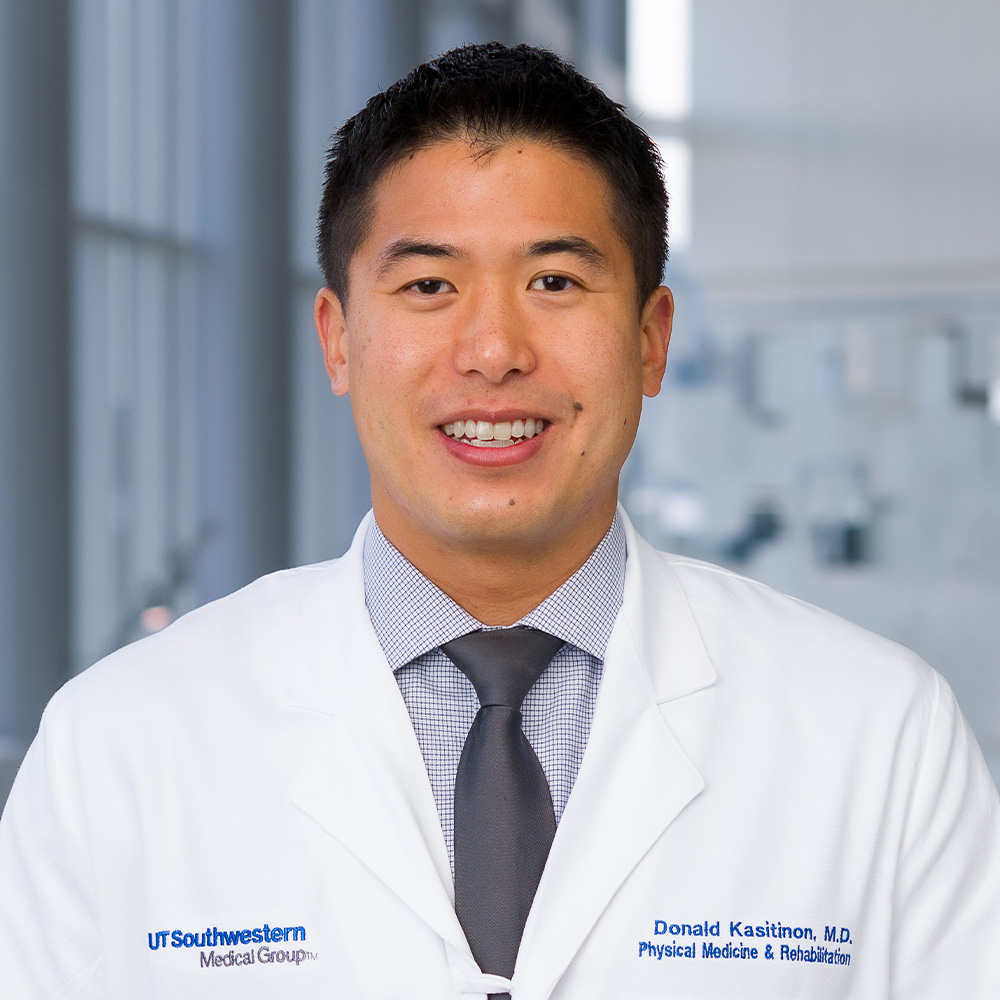
The world’s top competitors in the 2026 Olympics, which continue through Feb. 22, may offer a valuable lesson to those seeking to improve their workouts or just to get more active. While these elite athletes are performing at a peak level on a global stage, it’s the work they put in behind the scenes during training and conditioning that really sets them up for success.
UT Southwestern, Texas Health launch collaborative study to better understand COVID prevalence in DFW - UT Southwestern, Dallas, Texas
https://www.utsouthwestern.edu/newsroom/articles/year-2020/dfw-covid-prevalence-study.html

Despite the high number of confirmed cases, the true prevalence of COVID-19 infections is believed to be underestimated due to insufficient testing capacity and a high percentage of asymptomatic people.
Researchers uncover two-drug combo that halts the growth of cancer cells : Newsroom - UT Southwestern, Dallas, Texas
https://www.utsouthwestern.edu/newsroom/articles/year-2020/two-drug-combo-cancer.html
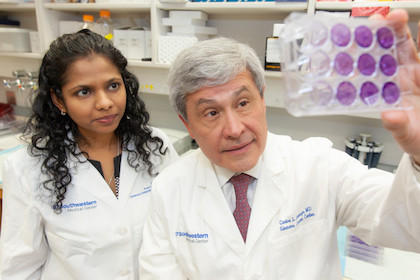
A once-daily combination treatment for those with uncontrolled Type 2 diabetes amplifies the treatment’s effects – lowering both weight and the number of hypoglycemic events, and improving quality of life and glucose control ¬– and makes participants more likely to adhere to their medications.
Rewriting the cancer story: Newsroom - UT Southwestern, Dallas, Texas
https://www.utsouthwestern.edu/newsroom/articles/year-2026/july-rewriting-cancer-story.html
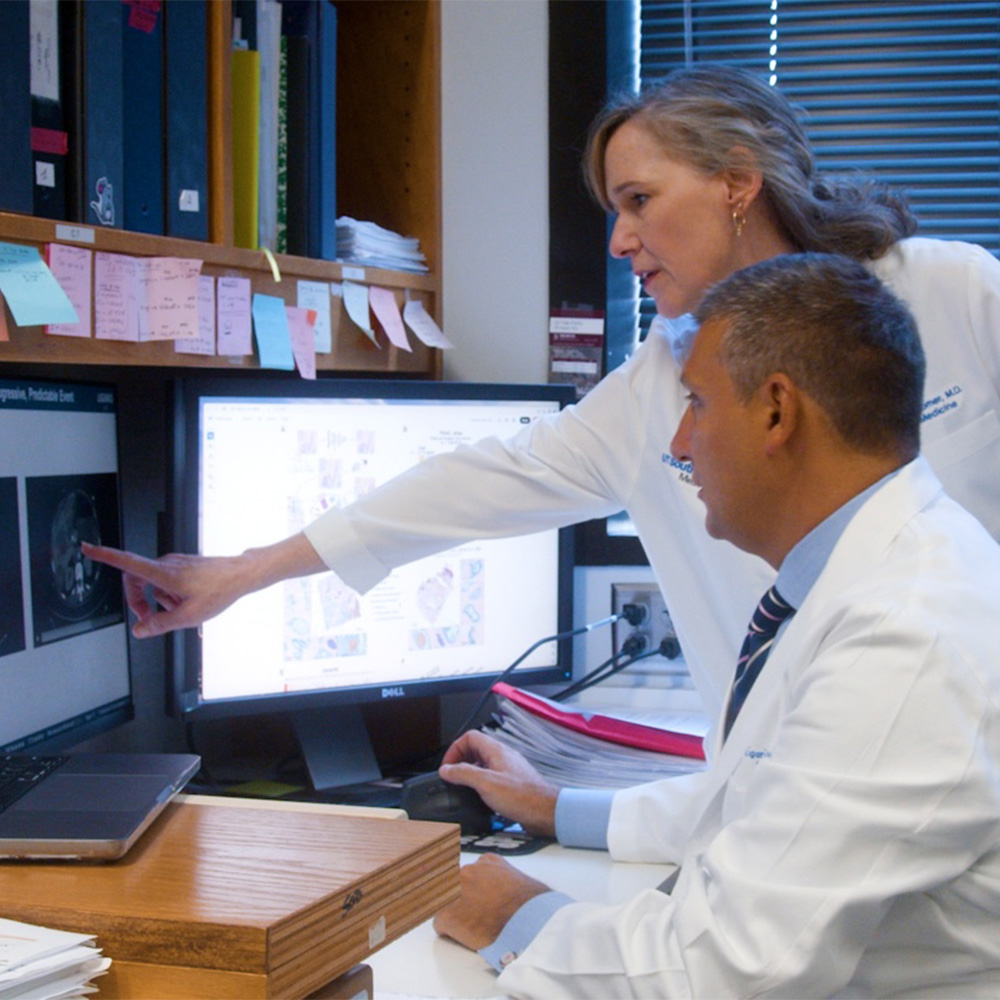
Matteo Ligorio’s phone started buzzing just after 3 a.m. The texts from a hospice nurse indicated “Patient 14” had just passed away, which meant Dr. Ligorio and his team had less than four hours to honor her dying wish.
Disrupted metabolism linked to heart failure, UTSW study finds: Newsroom - UT Southwestern, Dallas, Texas
https://www.utsouthwestern.edu/newsroom/articles/year-2026/june-overactive-fat-burning.html
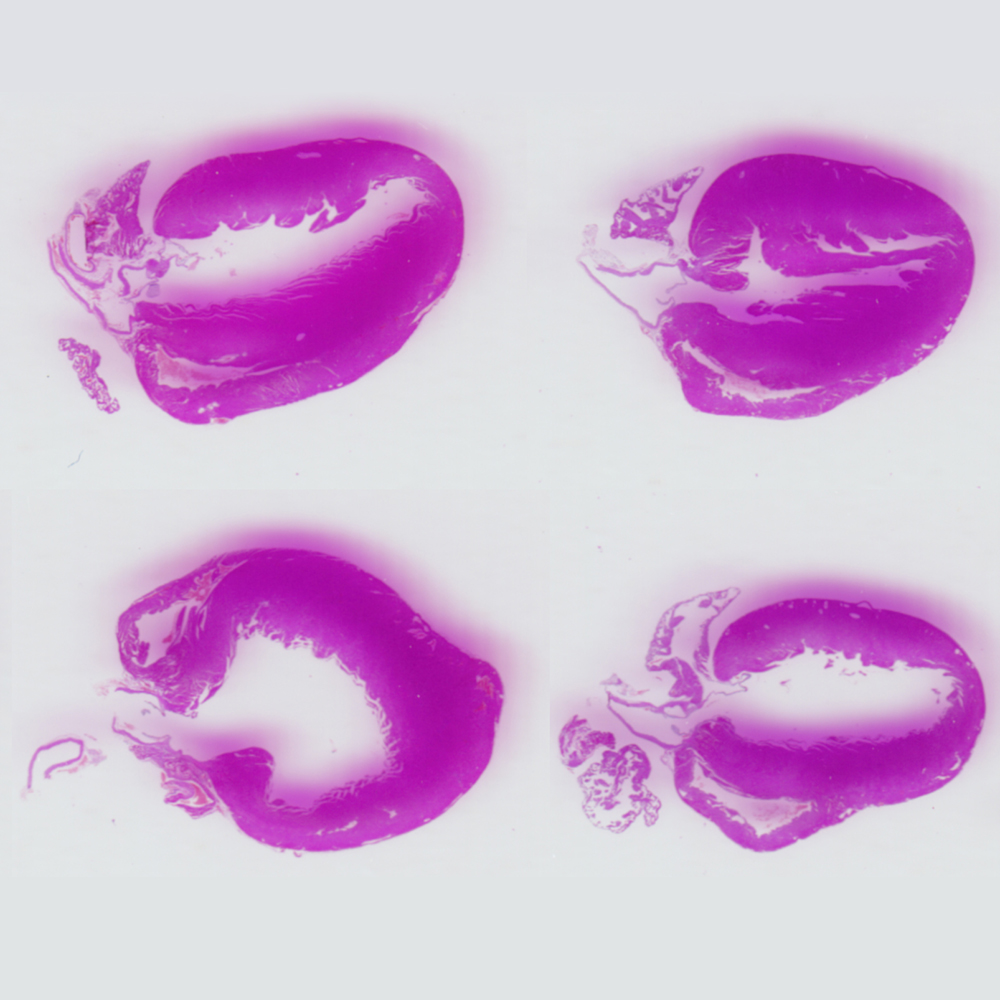
When heart cells burn fat without normal metabolic controls, they can deplete a lipid needed to keep mitochondria functioning properly, according to a study by UT Southwestern Medical Center researchers.
Study reveals how RNA-modifying enzyme picks its targets: Newsroom - UT Southwestern, Dallas, Texas
https://www.utsouthwestern.edu/newsroom/articles/year-2026/june-rna-modifying-enzyme.html
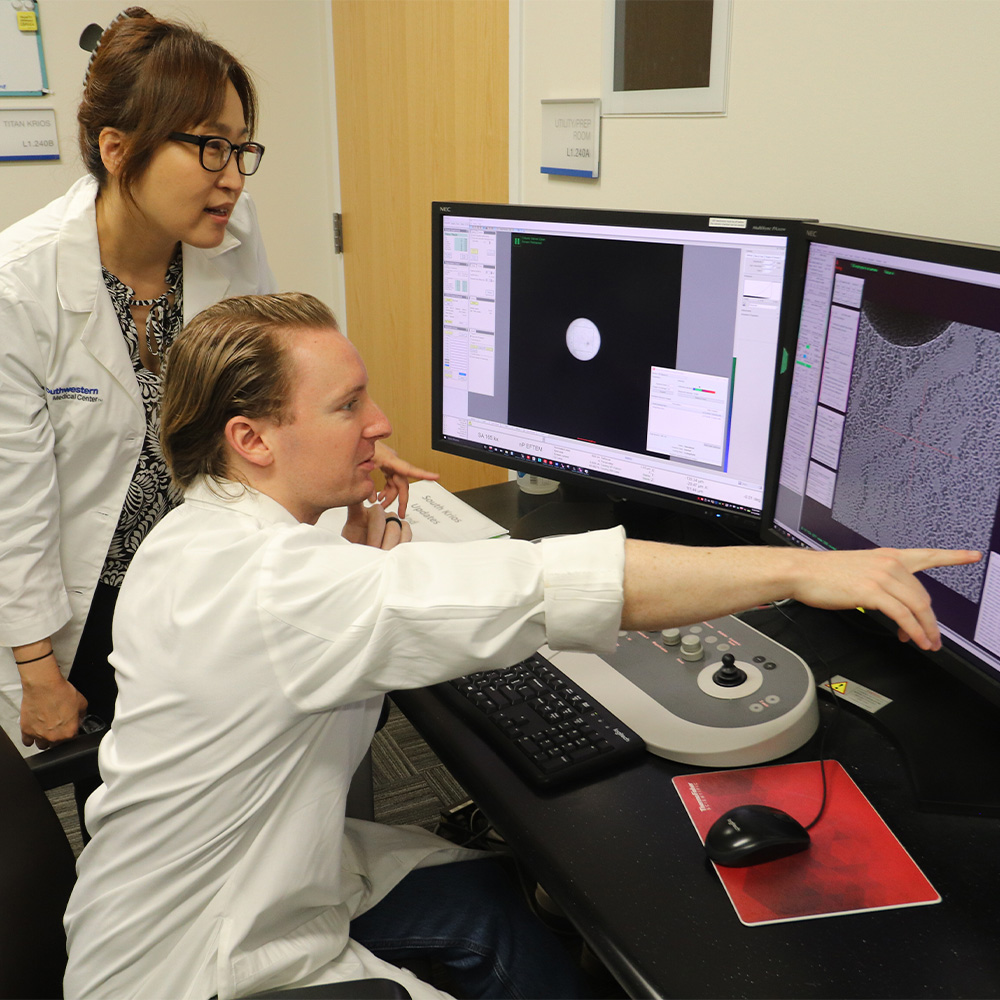
An RNA-modifying enzyme linked to cancer and neurological disorders selects its targets by recognizing specific RNA shapes and sequences, according to a study by UT Southwestern Medical Center researchers.