
Search
Adding drug to glioblastoma treatment may boost effectiveness: Newsroom - UT Southwestern, Dallas, Texas
https://www.utsouthwestern.edu/newsroom/articles/year-2026/july-glioblastoma-treatment.html

Treating glioblastoma with a class of drugs known as EGFR inhibitors made this cancer more sensitive to chemotherapy, suggests a study in preclinical models co-led by researchers at UT Southwestern Medical Center and the University of Alabama at Birmingham.
UT Southwestern ranked No. 1 in the world for healthcare research by Nature Index
https://www.utsouthwestern.edu/newsroom/articles/year-2026/july-nature-index.html

UT Southwestern Medical Center is ranked No. 1 among healthcare institutions worldwide by Nature Index for publishing high-quality research in all subjects for the 12-month period that ended Feb. 28, 2026.
Research Education Component Core: North Texas Alzheimer's Disease Research Center - UT Southwestern, Dallas, Texas
https://www.utsouthwestern.edu/departments/north-texas-alzheimers-disease-research-center/who-we-are/rec-core.html
The Research Education Component (REC) Core of the NT-ADRC develops research educational and training activities in support of future researchers.
Study: Tuberculosis bacteria produce cough-triggering molecule: Newsroom - UT Southwestern, Dallas, Texas
https://www.utsouthwestern.edu/newsroom/articles/year-2020/tuberculosis-bacteria.html

The bacteria that cause the deadly lung disease tuberculosis appear to facilitate their own spread by producing a molecule that triggers cough.
Data Management, Informatics, and Statistics Core: North Texas Alzheimer's Disease Research Center - UT Southwestern, Dallas, Texas
https://www.utsouthwestern.edu/departments/north-texas-alzheimers-disease-research-center/who-we-are/data-management-core.html
The Data Management, Informatics, and Statistics Core of the North Texas Alzheimer’s Disease Research Center is a hub for data collection and dissemination.
UT Southwestern nearly doubles lifespan of mice with brain cancer: Newsroom - UT Southwestern, Dallas, Texas
https://www.utsouthwestern.edu/newsroom/articles/year-2020/brain-cancer.html
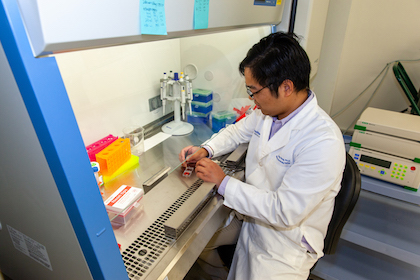
UT Southwestern Simmons Cancer Center researchers have developed technology that is spawning a much better form of drug delivery for gene therapy and has achieved a 43 percent increase in the survival of mice with glioblastoma, one of the deadliest forms of human brain cancer.
Dendrites may be key to learning and memory, study suggests: Newsroom - UT Southwestern, Dallas, Texas
https://www.utsouthwestern.edu/newsroom/articles/year-2026/july-dendrites.html
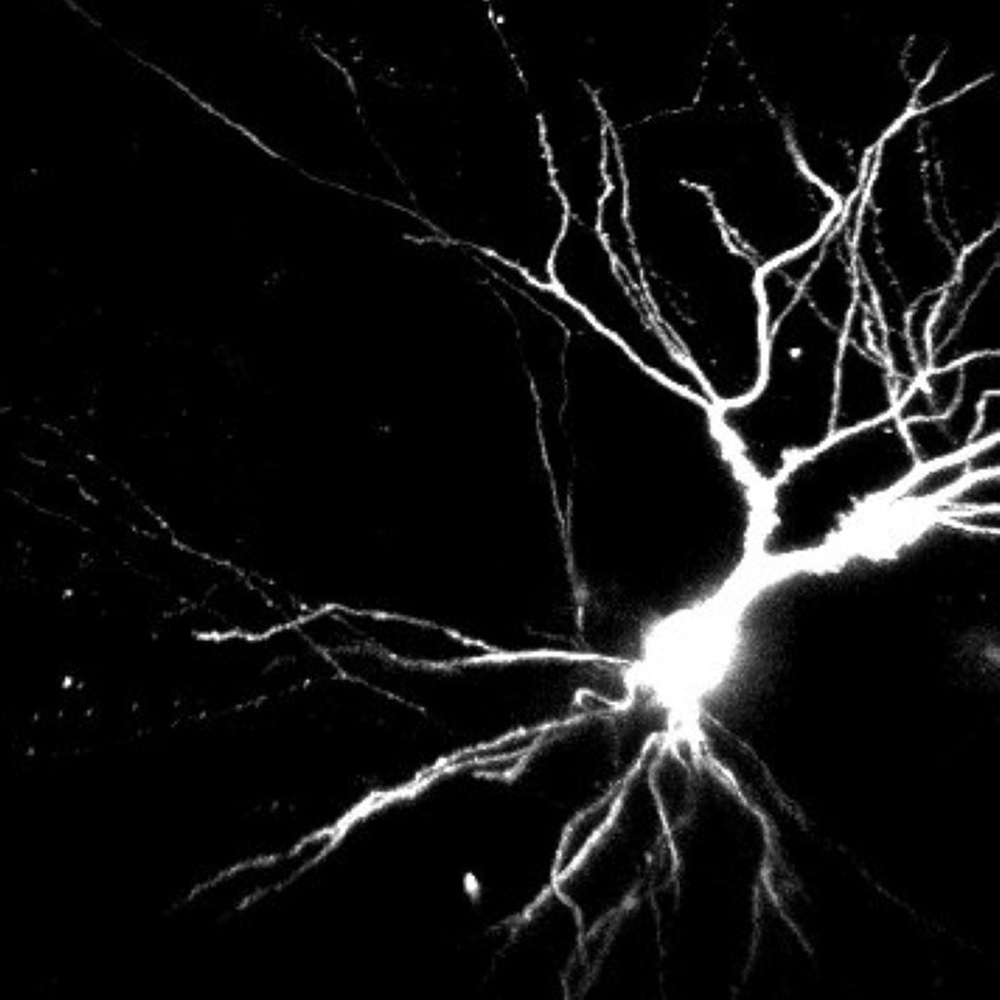
Branchlike structures called dendrites that extend from neurons appear to make their own “computations” independently of the cell body, helping individual brain cells store memories of the past, respond to the present, and anticipate the future, a study led by UT Southwestern Medical Center researchers suggests.
Traditional risk factors predict heart disease about as well as sophisticated genetic test, study suggests: Newsroom - UT Southwestern, Dallas, Texas
https://www.utsouthwestern.edu/newsroom/articles/year-2020/predicting-heart-disease.html

Traditional cardiovascular risk factors, such as blood pressure, cholesterol levels, diabetes, and smoking status, are at least as valuable in predicting who will develop coronary heart disease as a sophisticated genetic test that surveys millions of different points in DNA.
Study challenges concerns over hospital readmission reduction practices: Newsroom - UT Southwestern, Dallas, Texas
https://www.utsouthwestern.edu/newsroom/articles/year-2020/hospital-readmission.html
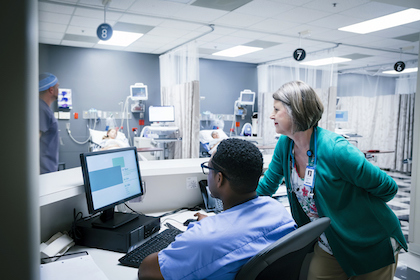
A UT Southwestern study is challenging concerns that a federal health policy enacted in 2012 to reduce hospital readmissions leaves patients more vulnerable.
Study finds 95 percent satisfaction rate with Mohs surgery: Newsroom - UT Southwestern, Dallas, Texas
https://www.utsouthwestern.edu/newsroom/articles/year-2020/mohs-surgery.html

Patients who received Mohs surgery to treat the most serious form of skin cancer, melanoma, reported a 95 percent long-term satisfaction rate with their results.