
UT Southwestern ranked No. 1 in the world for healthcare research by Nature Index
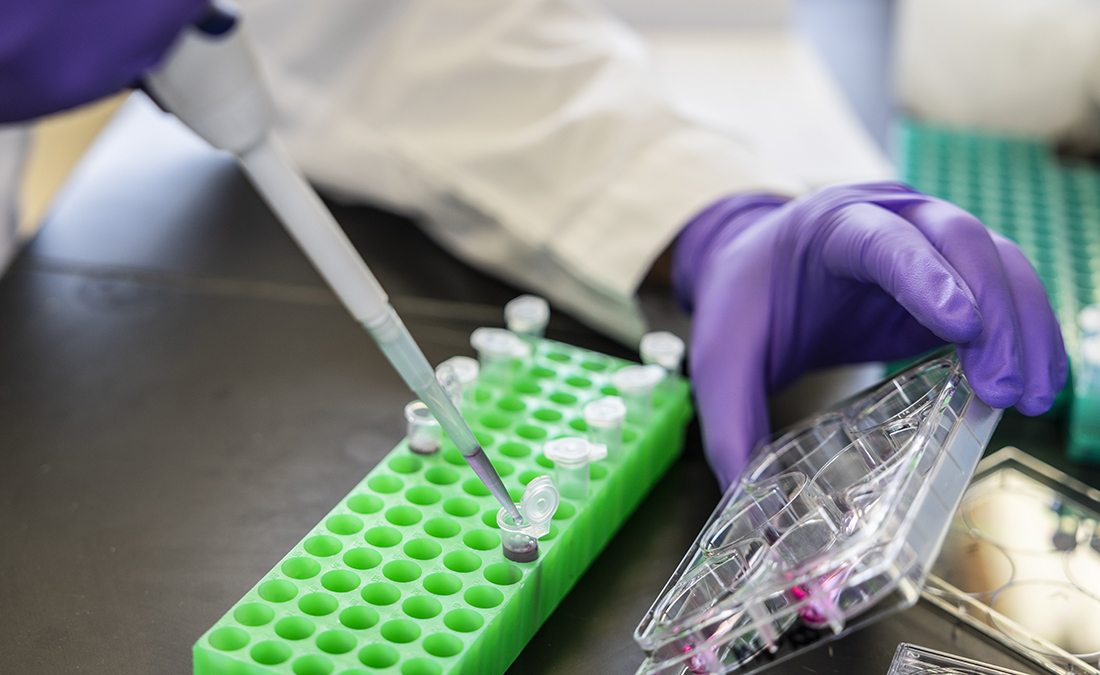
DALLAS – July 06, 2026 – UT Southwestern Medical Center is ranked No. 1 among healthcare institutions worldwide by Nature Index for publishing high-quality research in all subjects for the 12-month period that ended Feb. 28, 2026. UTSW also ranked No. 1 among healthcare institutions globally for research in the natural sciences and biological sciences.
Nature Index tracks healthcare research articles published in top science journals, offering a snapshot of high-quality discoveries from 6,545 institutions around the world. For UTSW during the ranking period, that included more than 500 research papers published in nearly 100 journals, ranging from Nature and Science to Circulation and The Journal of the American Medical Association. The work spans studies tracking the effects of GLP-1 medications, reprogramming heart cells to restore function after a heart attack, identifying fibroblast populations that drive cancer progression, revealing how different parts of the hippocampus in the brain support memory, and more.
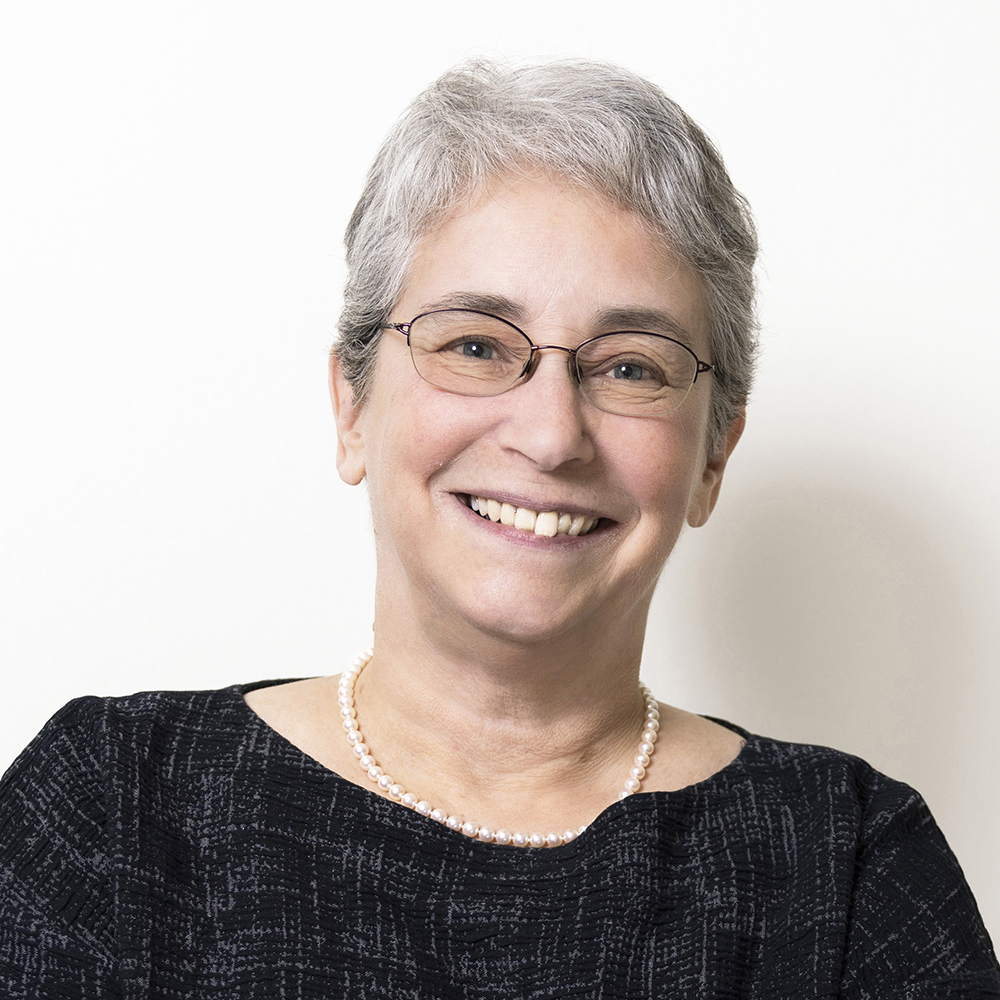
“This ranking reflects the depth and excellence of our research enterprise,” said Joan Conaway, Ph.D., Vice Provost and Dean of Basic Research at UT Southwestern, who holds the Cecil H. Green Distinguished Chair in Cellular and Molecular Biology. “Our scientists are working at the highest level to advance knowledge across disciplines to better understand diseases and translate those insights into meaningful progress for patients.”
In addition, UT Southwestern ranked first during the same period among 1,192 healthcare institutions in North America and 995 entities in the United States.
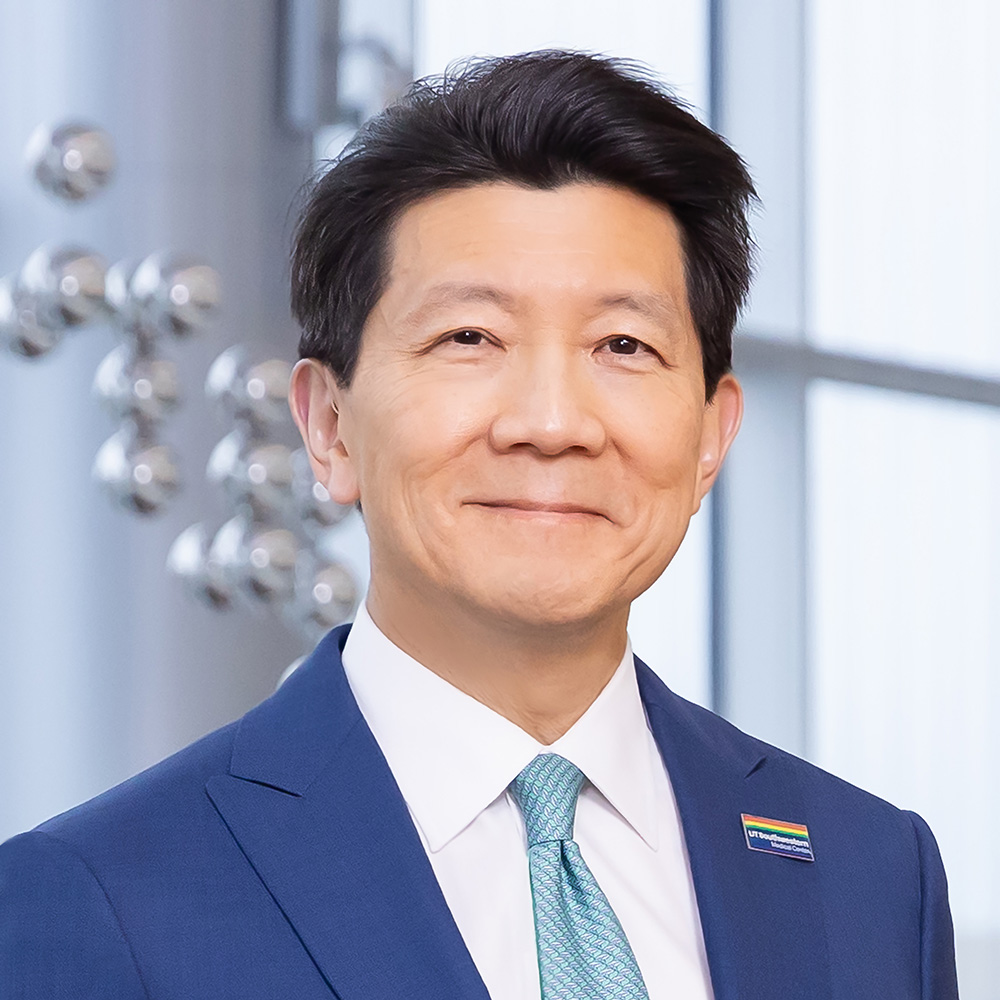
“This recognition highlights the sustained efforts of our faculty and trainees,” said W. P. Andrew Lee, M.D., Executive Vice President for Academic Affairs, Provost, and Dean of UT Southwestern Medical School, who holds the Atticus James Gill, M.D. Chair in Medical Science. “By supporting rigorous research and collaboration, we’re able to translate discoveries into real-world impact.”
With more than 1 million square feet of research space, UT Southwestern supports about 6,200 research projects a year and receives more than $816 million in annual funding from state and federal agencies as well as individuals and corporations.
Its portfolio includes the Harold C. Simmons Comprehensive Cancer Center and the Peter O’Donnell Jr. Brain Institute as well as one of only 11 Nutrition Obesity Research Centers in the country and a National Organization for Rare Disorders (NORD) Rare Disease Center of Excellence. UTSW also is designated as a National Cancer Institute Specialized Program of Research Excellence (SPORE) site in liver cancer, lung cancer, and kidney cancer.
Among many research honors, six UT Southwestern faculty members have been awarded the Nobel Prize, and three have received the Breakthrough Prize in Life Sciences. In addition, five faculty members have received the Albert Lasker Basic Medical Research Award – considered the country’s preeminent biomedical research award – including Steven McKnight, Ph.D., Professor of Biochemistry, in 2025 and Zhijian “James” Chen, Ph.D., Professor of Molecular Biology and in the Center for the Genetics of Host Defense, in 2024.
About UT Southwestern Medical Center
UT Southwestern, one of the nation’s premier academic medical centers, integrates pioneering biomedical research with exceptional clinical care and education. The institution’s faculty members have received six Nobel Prizes and include 28 members of the National Academy of Sciences, 26 members of the National Academy of Medicine, and 14 Howard Hughes Medical Institute Investigators. The full-time faculty of nearly 3,400 is responsible for groundbreaking medical advances and is committed to translating science-driven research quickly to new clinical treatments. UT Southwestern physicians in more than 80 specialties care for more than 143,000 hospitalized patients, attend to more than 470,000 emergency room cases, and oversee nearly 5.3 million outpatient visits a year.