
Search
Autism-associated gene alters brain cell identity: Newsroom - UT Southwestern, Dallas, Texas
https://www.utsouthwestern.edu/newsroom/articles/year-2023/nov-autism-associated-gene.html
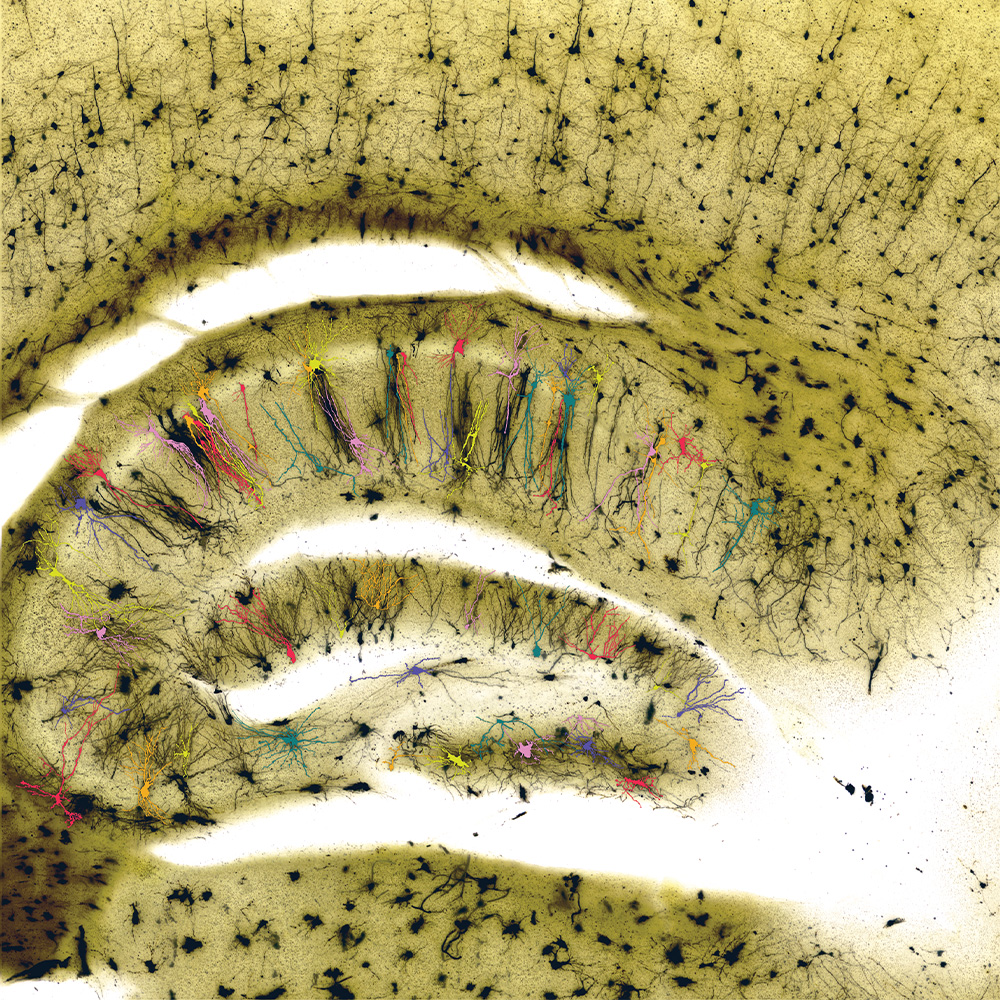
A gene previously linked to autism spectrum disorder (ASD) by UT Southwestern Medical Center researchers appears to play an important role in steering cells in the brain’s hippocampus toward their ultimate identities, the same team reported in a new study. The findings, published in Science Advances, could eventually lead to new therapies for the prevalent neurodevelopmental disorder.
Standing blood pressure test more accurate in detecting hypertension: Newsroom - UT Southwestern, Dallas, Texas
https://www.utsouthwestern.edu/newsroom/articles/year-2023/nov-blood-pressure-test.html

Measuring blood pressure while patients are standing rather than sitting may improve the accuracy of readings, UT Southwestern Medical Center researchers report.
EHR vendor-sponsored education creates inappropriate bias, researchers say: Newsroom - UT Southwestern, Dallas, Texas
https://www.utsouthwestern.edu/newsroom/articles/year-2020/electronic-health-record-vendors.html

Electronic Health Record vendors in the $31.5 billion industry should not be permitted to provide continuing medical education activities and presentations to physicians to avoid bias, researchers argue in a perspective article for the Association of American Medical Colleges’ journal, Academic Medicine.
Study reveals how RNA-modifying enzyme picks its targets: Newsroom - UT Southwestern, Dallas, Texas
https://www.utsouthwestern.edu/newsroom/articles/year-2026/june-rna-modifying-enzyme.html
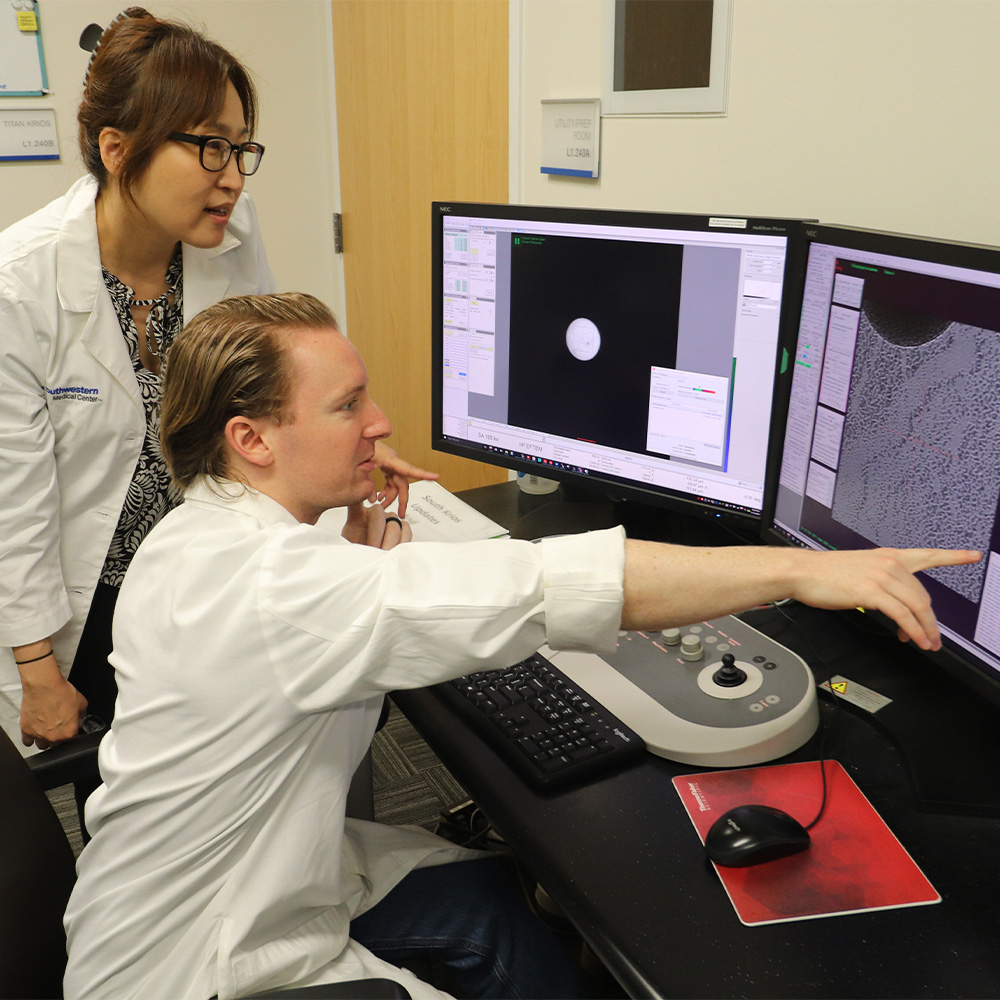
An RNA-modifying enzyme linked to cancer and neurological disorders selects its targets by recognizing specific RNA shapes and sequences, according to a study by UT Southwestern Medical Center researchers.
Protein coordinates responses to environmental stress: Newsroom - UT Southwestern, Dallas, Texas
https://www.utsouthwestern.edu/newsroom/articles/year-2026/may-protein-environmental-stress.html
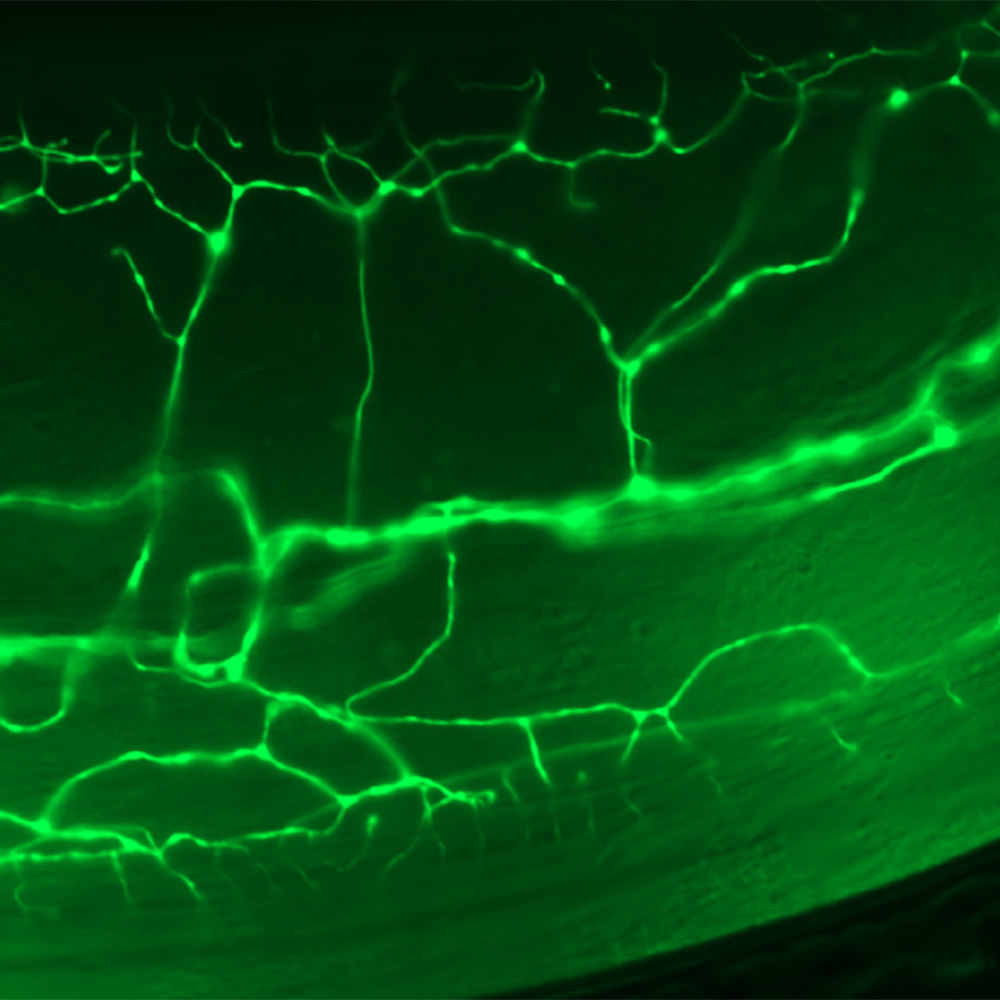
UT Southwestern Medical Center researchers have discovered a key molecular mechanism that allows animals to adapt to changing environmental conditions without altering their genes – an ability known as phenotypic plasticity.
Wachsmann Assists in "Rewriting the cancer story"
https://www.utsouthwestern.edu/departments/pathology/news/wachsmann-rewriting-cancer-story.html
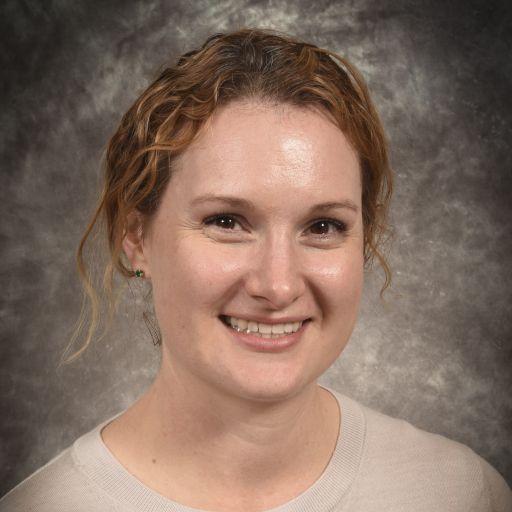
Wachsmann Assists in "Rewriting the cancer story" Published on: July 27, 2026 Dr. Megan Wachsmann Rewriting the cancer story Back-to top
Racial disparities in heart failure explained: Newsroom - UT Southwestern, Dallas, Texas
https://www.utsouthwestern.edu/newsroom/articles/year-2020/racial-disparities-heart-failure.html

Researchers at UT Southwestern have uncovered evidence that the higher prevalence of “malignant” enlargement of the heart among blacks contributes to the higher incidence of heart failure in this population.
AI-powered electrocardiogram detects early signs of heart failure : Newsroom - UT Southwestern, Dallas, Texas
https://www.utsouthwestern.edu/newsroom/articles/year-2026/may-ai-powered-electrocardiogram.html

Interpreting relatively inexpensive electrocardiograms (ECGs) with an artificial intelligence (AI) algorithm accurately screened patients for a key precursor of heart failure in Kenya, a study led by UT Southwestern Medical Center researchers shows.
How to boost enrollment of Black, Hispanic patients in pediatric clinical trials: Newsroom - UT Southwestern, Dallas, Texas
https://www.utsouthwestern.edu/newsroom/articles/year-2026/july-pediatric-clinical-trials.html

While Black and Hispanic families are enthusiastic about research participation, other provider and systems-focused factors may influence their involvement in pediatric oncology clinical trials, a new UT Southwestern Medical Center-led study has found.
Antibody may improve treatment response in lung cancer: Newsroom - UT Southwestern, Dallas, Texas
https://www.utsouthwestern.edu/newsroom/articles/year-2026/june-antibody-lung-cancer.html
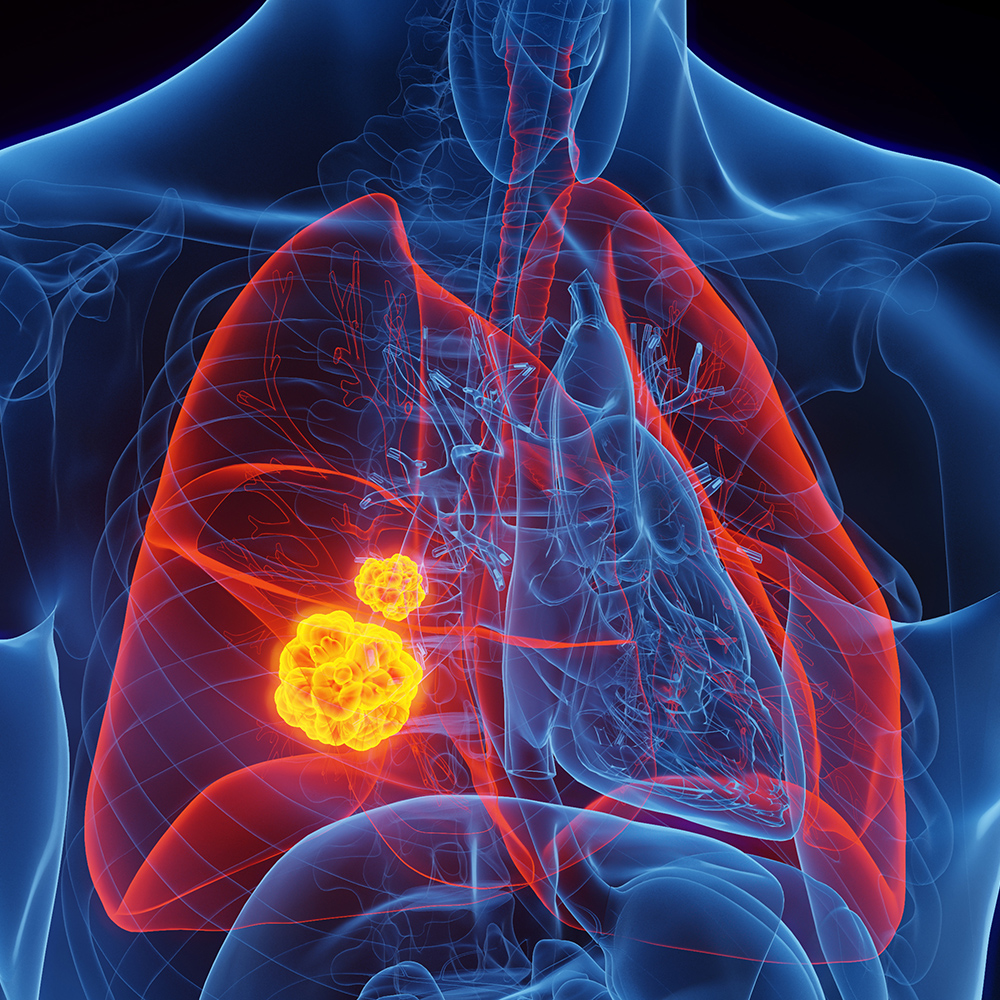
An experimental antibody treatment that binds to a protein known as PCDH7 shrank tumors in preclinical models of non-small cell lung cancer (NSCLC), even those resistant to a targeted therapy, a study led by UT Southwestern Medical Center researchers showed.