
Search
New NIH grant supports ongoing UTSW investigation of debilitating complications of blood clots in teens: Newsroom - UT Southwestern, Dallas, Texas
https://www.utsouthwestern.edu/newsroom/articles/year-2021/blood-clots-in-teens.html
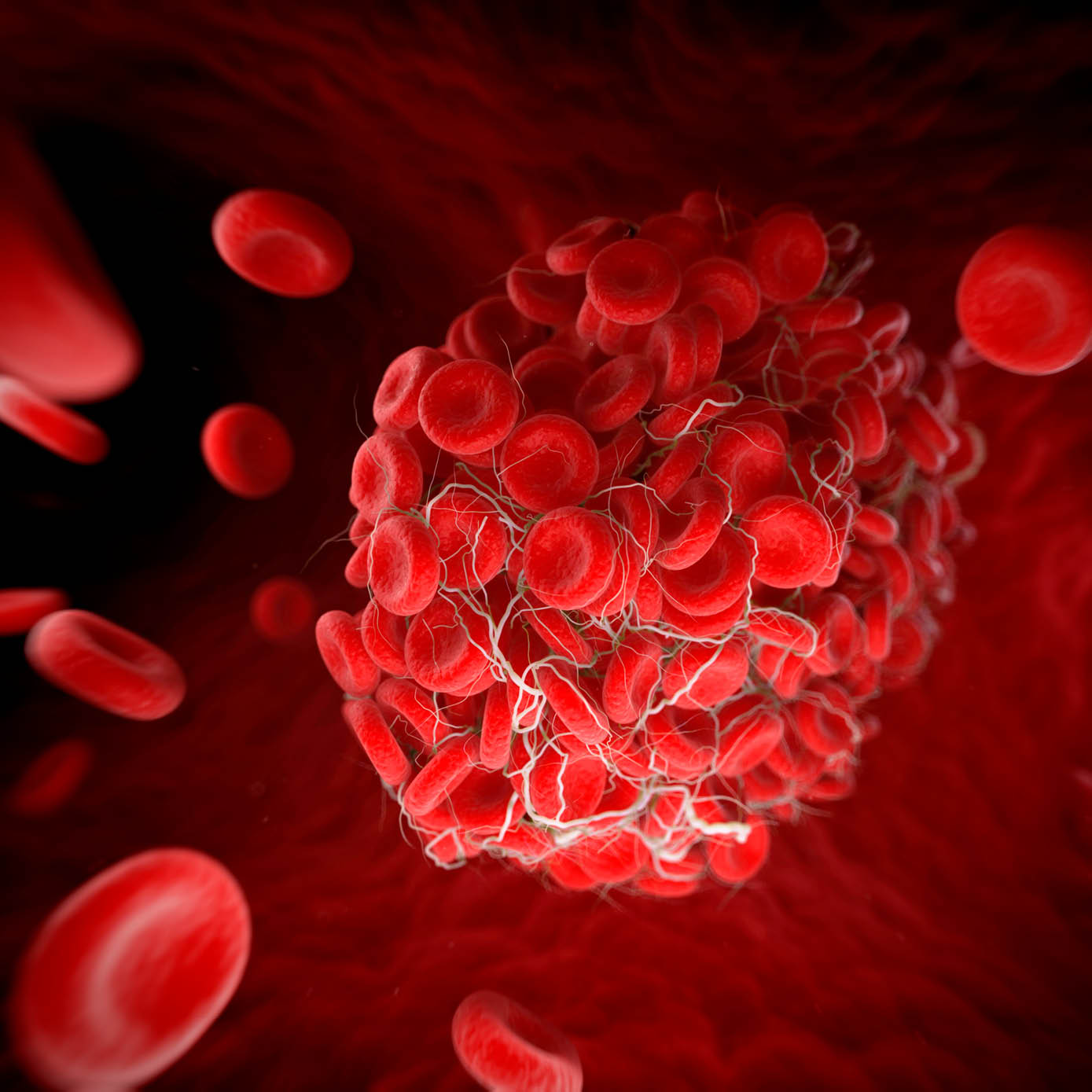
UT Southwestern will lead a multicenter investigation into why children and young adults experience decreased physical activity and shortness of breath after experiencing blood clots, thanks to a four-year $2.97 million grant from the National Institutes of Health (NIH).
Experimental drug makes radiation therapy more effective, less damaging: Newsroom - UT Southwestern, Dallas, Texas
https://www.utsouthwestern.edu/newsroom/articles/year-2021/avasopasem-manganese.html
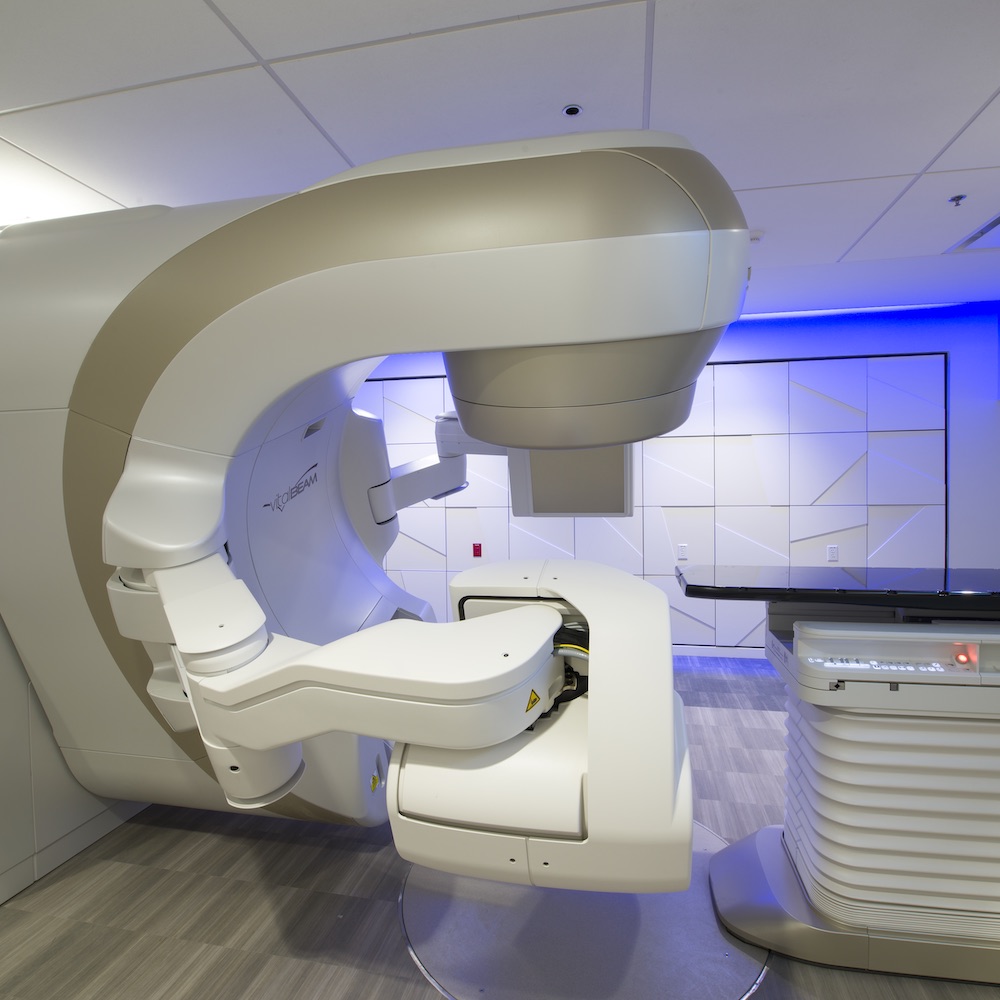
An experimental drug that has shown promise in protecting healthy tissue from collateral damage caused by radiation therapy for cancer also appears to enhance radiation’s capacity to kill tumors.
UT Southwestern identifies first reported Brazil variant of SARS-CoV-2 in North Texas: Newsroom - UT Southwestern, Dallas, Texas
https://www.utsouthwestern.edu/newsroom/articles/year-2021/brazil-variant.html
UT Southwestern Medical Center scientists have identified the first cases of the Brazilian variant of COVID-19 infection in North Texas using next-generation sequencing technologies along with PCR testing.
Fighting intestinal infections with the body's own endocannabinoids: Newsroom - UT Southwestern, Dallas, Texas
https://www.utsouthwestern.edu/newsroom/articles/year-2020/fighting-intestinal-infections.html

Endocannabinoids, signaling molecules produced in the body that share features with chemicals found in marijuana, can shut down genes needed for some pathogenic intestinal bacteria to colonize, multiply, and cause disease, new research led by UT Southwestern scientists shows.
In Memoriam: Jean Wilson, M.D., made scientific discoveries that led to effective prostate treatments, insights into sexual differentiation: Newsroom - UT Southwestern, Dallas, Texas
https://www.utsouthwestern.edu/newsroom/articles/year-2021/in-memoriam-wilson.html
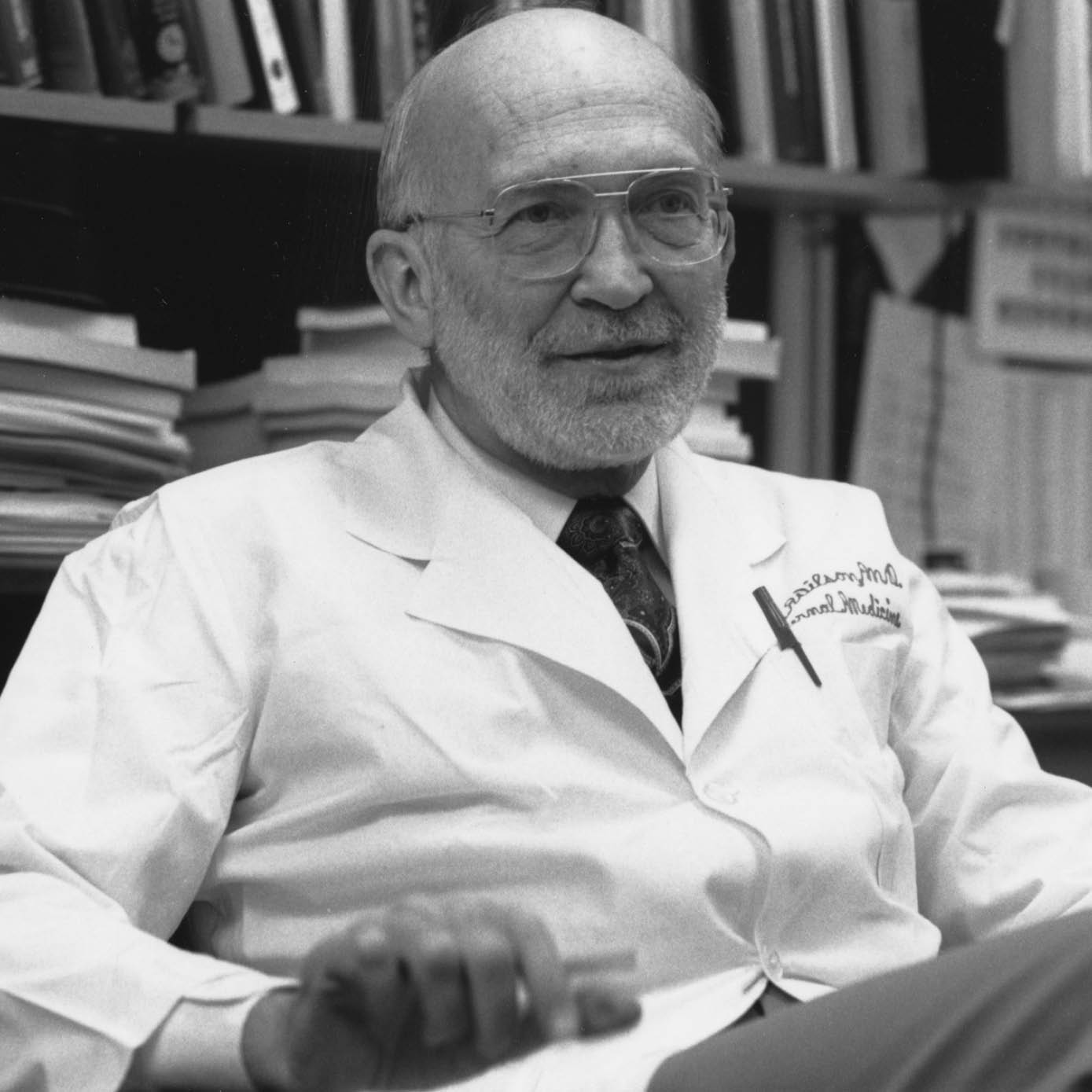
Jean D. Wilson, M.D., an internationally known endocrinologist whose scientific discoveries led to profound insights into the mechanisms underlying sexual differentiation and led to now widely used treatments for prostate disease, died June 13. He was 88.
Chemical modification of RNA could play key role in polycystic kidney disease: Newsroom - UT Southwestern, Dallas, Texas
https://www.utsouthwestern.edu/newsroom/articles/year-2021/chemical-modification-of-rna.html
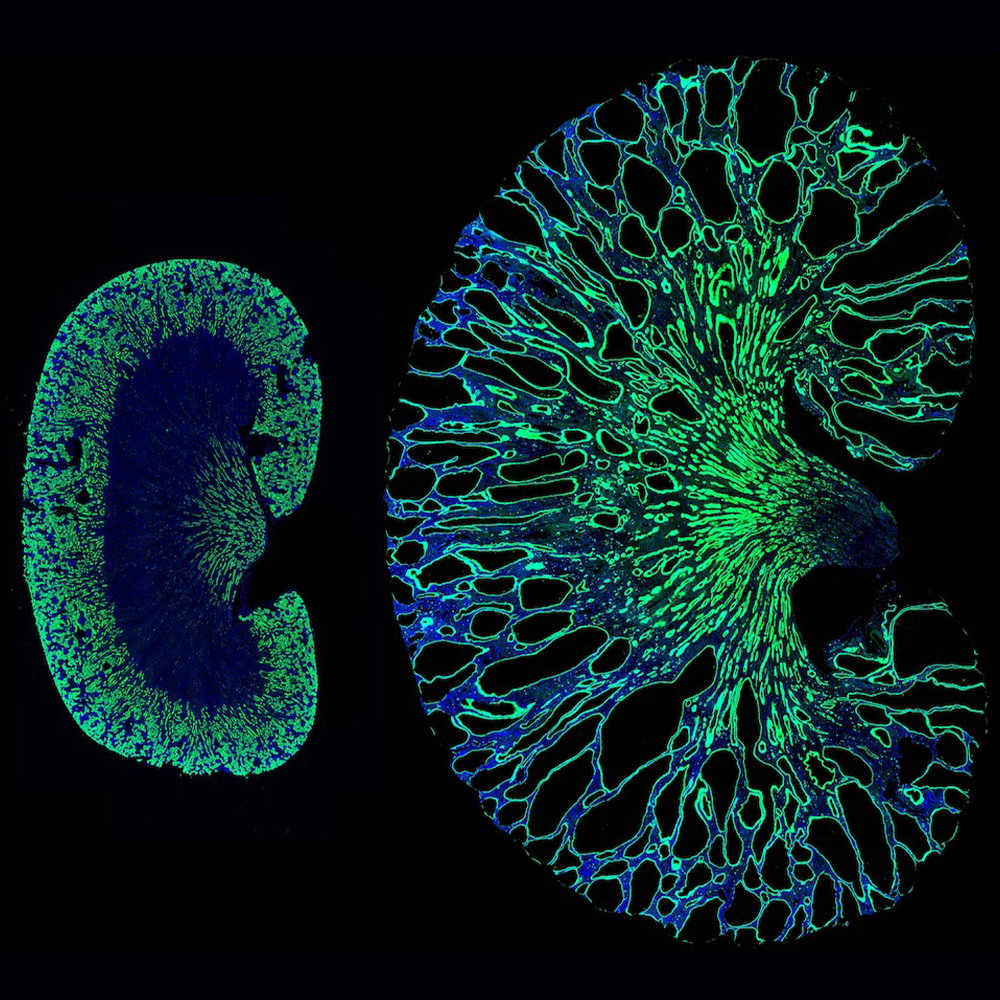
A chemical modification of RNA that can be influenced by diet appears to play a key role in polycystic kidney disease, an inherited disorder that is the fourth leading cause of kidney failure in the U.S.
Two UTSW faculty elected to prestigious National Academy of Sciences: Newsroom - UT Southwestern, Dallas, Texas
https://www.utsouthwestern.edu/newsroom/articles/year-2021/national-academy-sciences.html

Two UTSW faculty elected to prestigious National Academy of Sciences
Fighting inflammatory bowel disease at its source: Newsroom - UT Southwestern, Dallas, Texas
https://www.utsouthwestern.edu/newsroom/articles/year-2020/fighting-ibd.html

New findings on mechanism for intestinal inflammation could offer new targets for treating ulcerative colitis, Crohn’s disease, and other conditions
UTSW researchers use snake venom to solve structure of muscle protein - UT Southwestern, Dallas, Texas
https://www.utsouthwestern.edu/newsroom/articles/year-2020/snake-venom.html
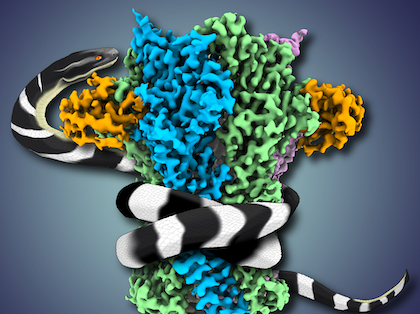
Researchers at UT Southwestern Medical center have uncovered the detailed shape of a key protein involved in muscle contraction.
UTSW researchers and international collaborators find human protein that potently inhibits coronavirus: Newsroom - UT Southwestern, Dallas, Texas
https://www.utsouthwestern.edu/newsroom/articles/year-2020/cancer-support-system.html
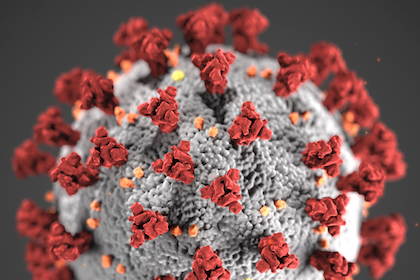
A protein produced by the human immune system can potently inhibit several coronaviruses, including the one behind the current COVID-19 outbreak, an international team of investigators reports today.