
Search
Gut bacteria boost immune system, help send vitamin A to T cells: Newsroom - UT Southwestern, Dallas, Texas
https://www.utsouthwestern.edu/newsroom/articles/year-2026/july-gut-bacteria-boost-immune-system.html
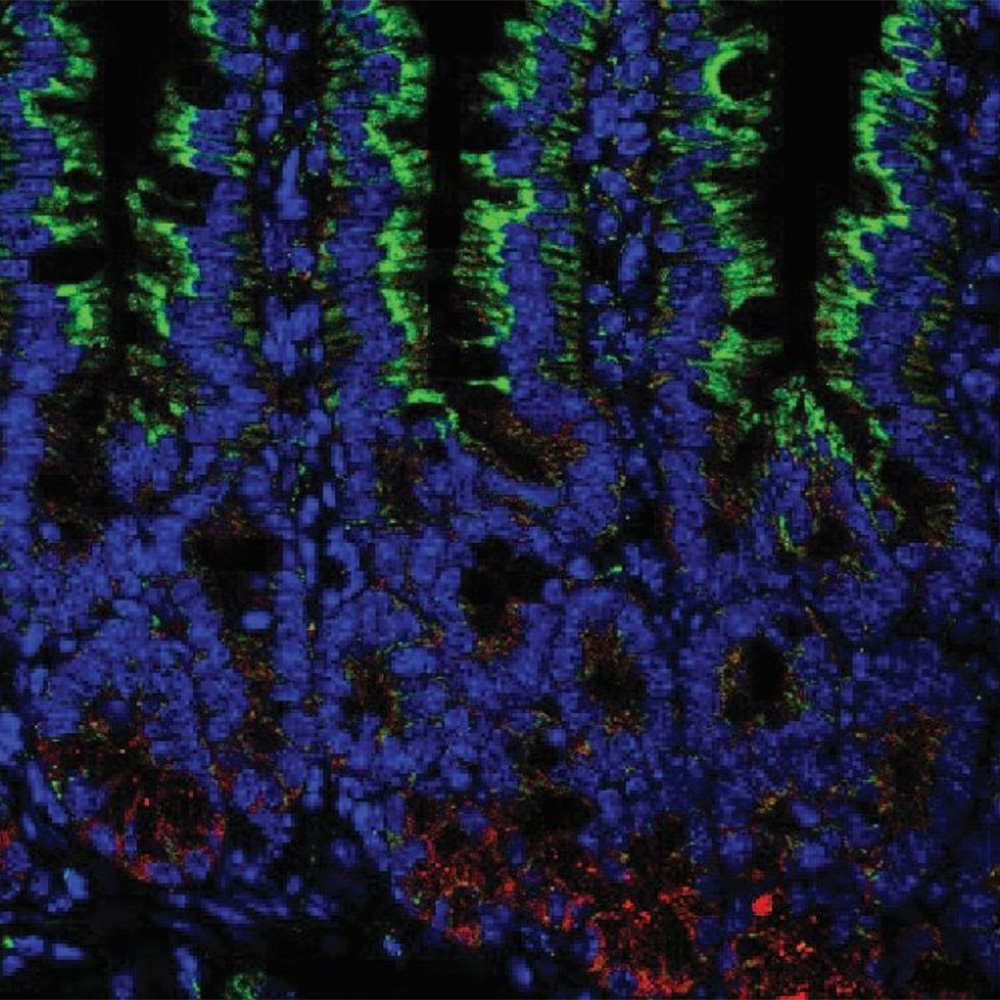
Scientists at UT Southwestern Medical Center have discovered that gut bacteria help regulate the development of the body’s immune system by directing the movement of vitamin A through a previously unrecognized cellular network.
New research center set to explore treatments for Alzheimer’s : Newsroom - UT Southwestern, Dallas, Texas
https://www.utsouthwestern.edu/newsroom/articles/year-2026/aug-research-center-treatments-alzheimers.html
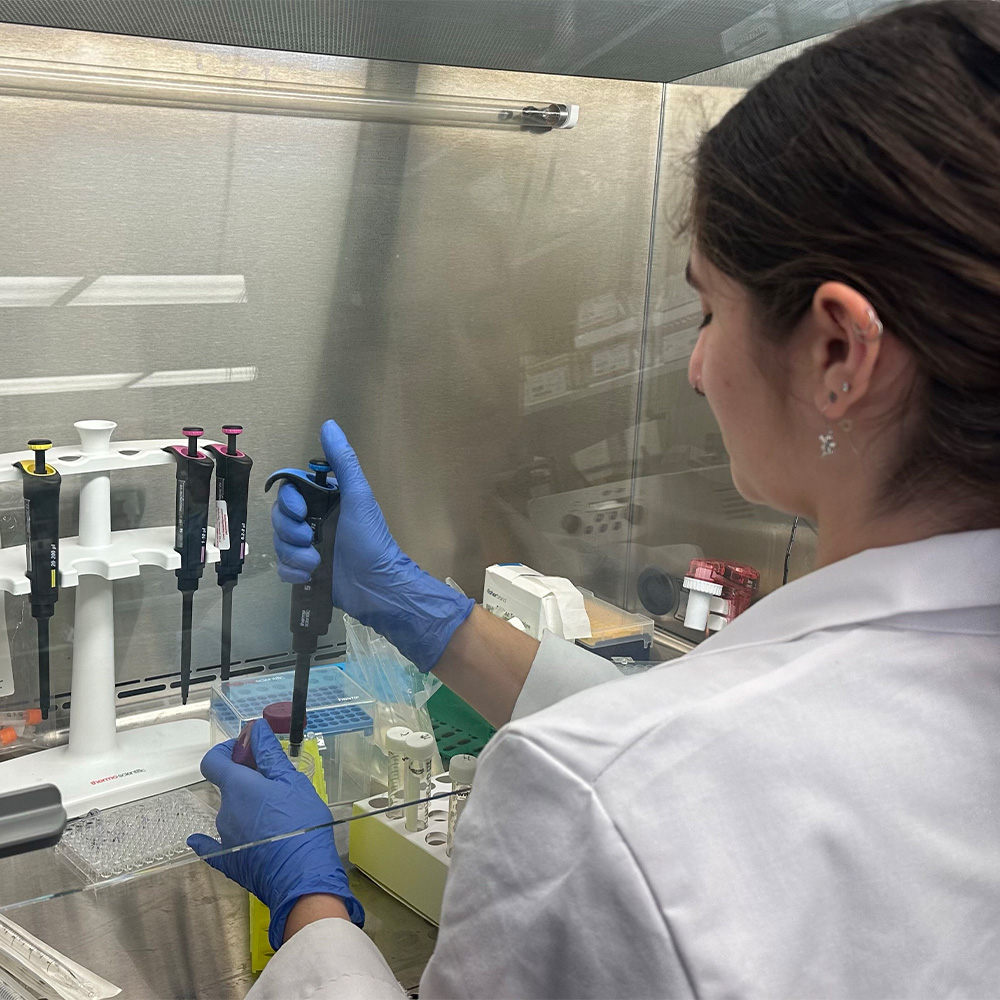
Since launching in April, the North Texas Alzheimer’s Disease Research Center (NT-ADRC) based at UT Southwestern Medical Center has quickly established the foundation needed to support cutting-edge research into Alzheimer’s and related dementias.
‘Polypill’ improves heart failure outcomes in UTSW-led trial : Newsroom - UT Southwestern, Dallas, Texas
https://www.utsouthwestern.edu/newsroom/articles/year-2026/july-polypill-utsw-led-trial.html

A “polypill” combining three medications recommended to treat heart failure into a single daily dose proved far more effective for patients than taking the drugs separately, a randomized clinical trial led by UT Southwestern Medical Center researchers showed.
Brain activity discovery could transform Parkinson’s treatment: Newsroom - UT Southwestern, Dallas, Texas
https://www.utsouthwestern.edu/newsroom/articles/year-2026/aug-brain-activity-parkinsons-treatment.html
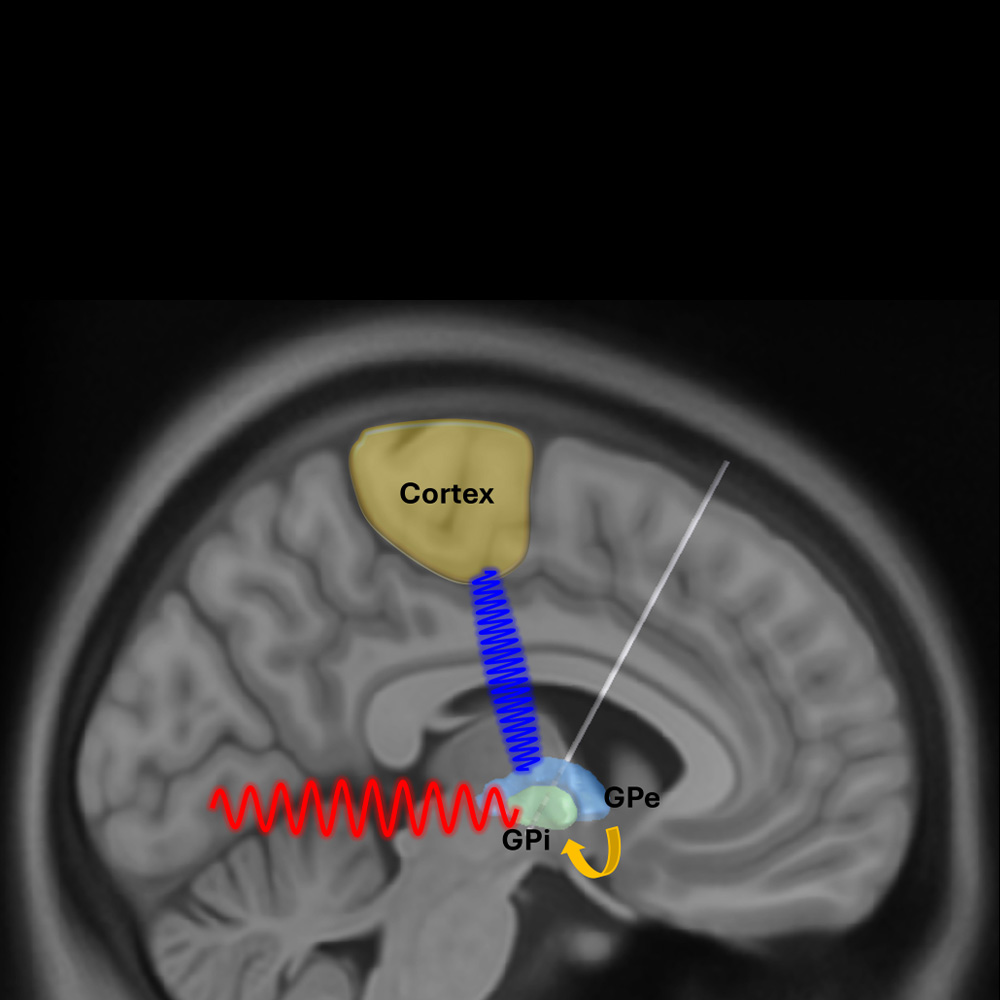
Researchers at UT Southwestern Medical Center studying Parkinson’s disease have discovered a previously unrecognized sequence of abnormal activity across multiple regions of the brain, providing a new level of understanding that could improve treatment options.
Big variability in blood pressure readings between anatomical sites: Newsroom - UT Southwestern, Dallas, Texas
https://www.utsouthwestern.edu/newsroom/articles/year-2020/big-variability-in-blood-pressure-readings-between-anatomical-sites.html
Blood pressure readings taken from neuroscience intensive care unit (NSICU) patients had marked differences between opposite sides of the body and different anatomical sites in each individual
UT Southwestern named Official Sports Medicine Partner for Dallas Pulse : Newsroom - UT Southwestern, Dallas, Texas
https://www.utsouthwestern.edu/newsroom/articles/year-2026/april-dallas-pulse.html

UT Southwestern Medical Center has been named the Official Sports Medicine Partner for the Dallas Pulse, North Texas’ women’s professional volleyball team in Major League Volleyball (MLV). The new sponsorship agreement supports the Dallas Pulse’s commitment to athlete wellness, performance, and long-term health on and off the court.
High-tech sleeping bag could solve vision issues in space: Newsroom - UT Southwestern, Dallas, Texas
https://www.utsouthwestern.edu/newsroom/articles/year-2021/high-tech-sleeping-bag.html
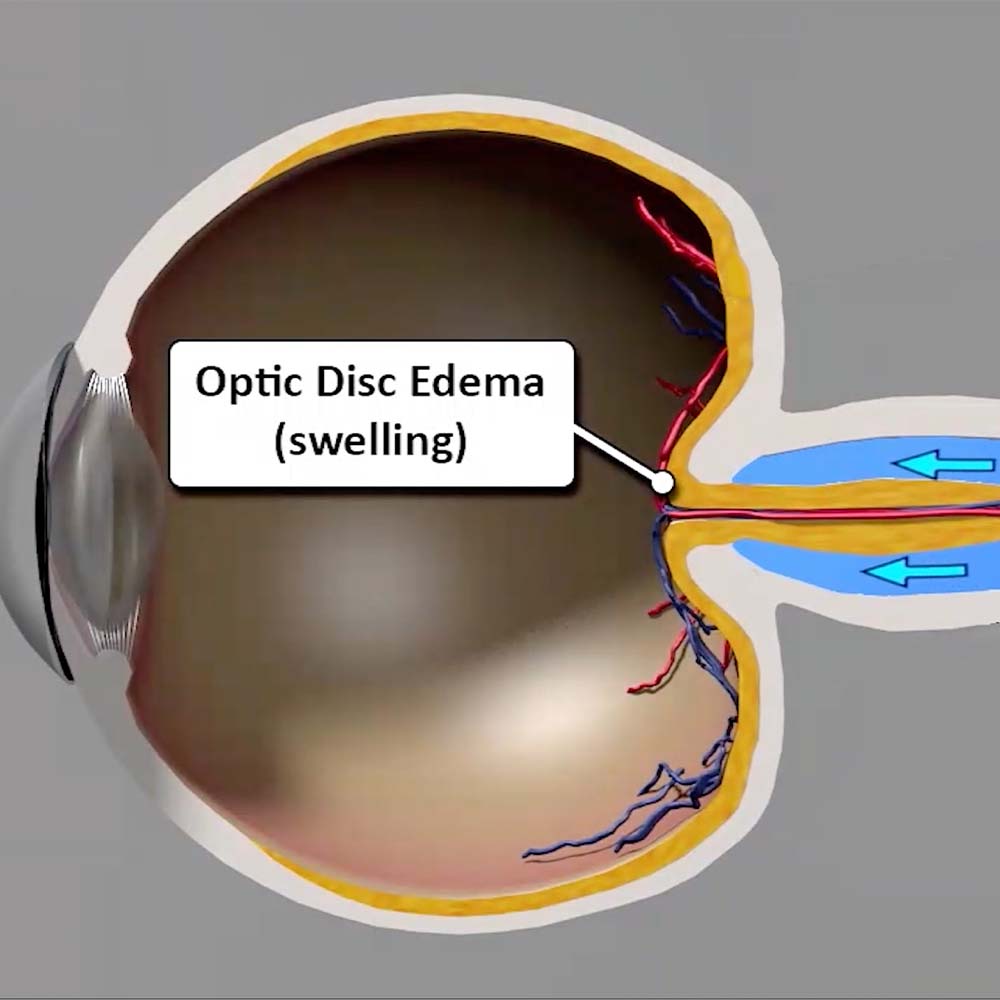
A subtle smile emerged on Dr. James Leidner’s face as he envisioned telling people of the unusual contribution he made to mankind’s mission to Mars.
UT Southwestern researcher wins NIH Director’s Award to study structure of protein tied to Alzheimer’s : Newsroom - UT Southwestern, Dallas, Texas
https://www.utsouthwestern.edu/newsroom/articles/year-2021/saelices-gomez-nih-awards.html
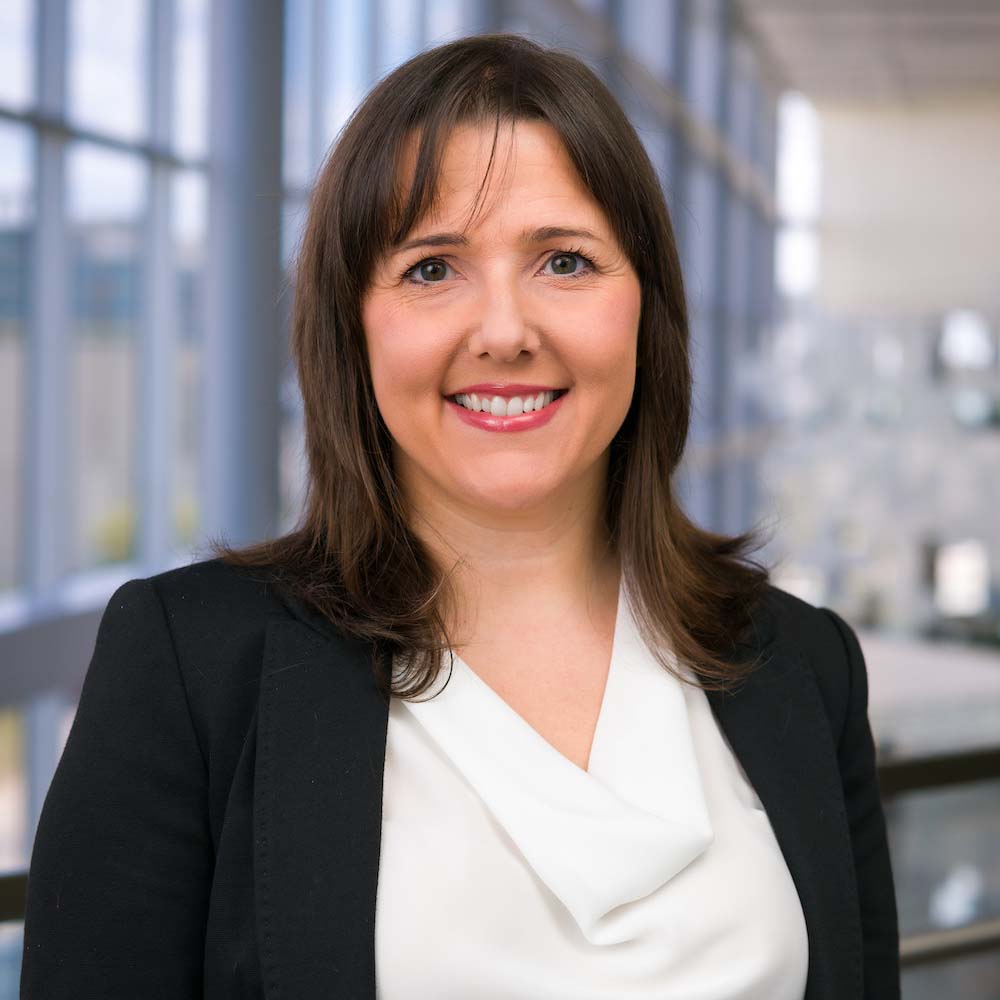
Lorena Saelices Gomez, Ph.D., Assistant Professor of Biophysics and in the Center for Alzheimer’s and Neurodegenerative Diseases at UT Southwestern, has been awarded $1.5 million from the National Institutes of Health (NIH) to determine the structure of amyloids, key proteins that have been tied to diseases including Alzheimer’s and ATTR amyloidosis.
Regenerating cells that keep the beat: Newsroom - UT Southwestern, Dallas, Texas
https://www.utsouthwestern.edu/newsroom/articles/year-2021/regenerating-cells-that-keep-the-beat.html
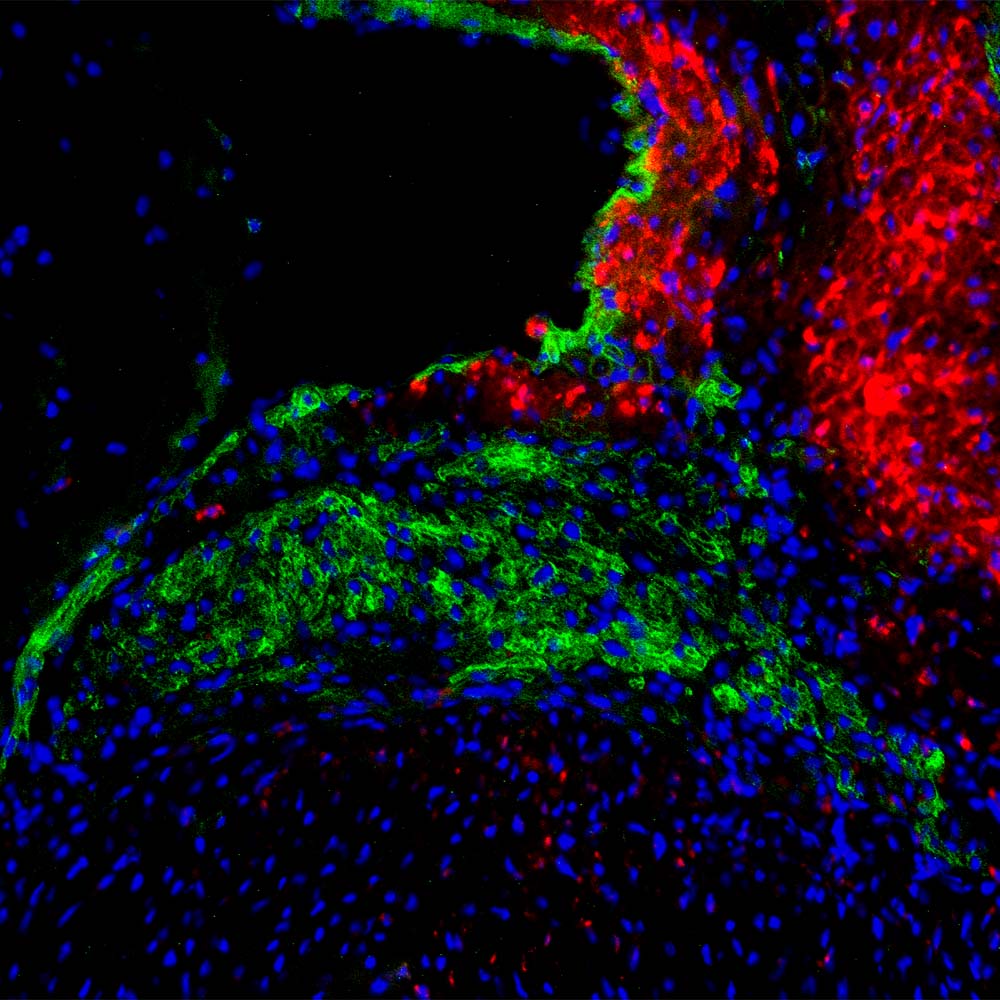
Specialized cells that conduct electricity to keep the heart beating have a previously unrecognized ability to regenerate in the days after birth, a new study in mice by UT Southwestern researchers suggests.
Unusual kidney cancer feature sheds light into how cancers invade and metastasize: Newsroom - UT Southwestern, Dallas, Texas
https://www.utsouthwestern.edu/newsroom/articles/year-2021/how-cancers-invade-and-metastasize.html
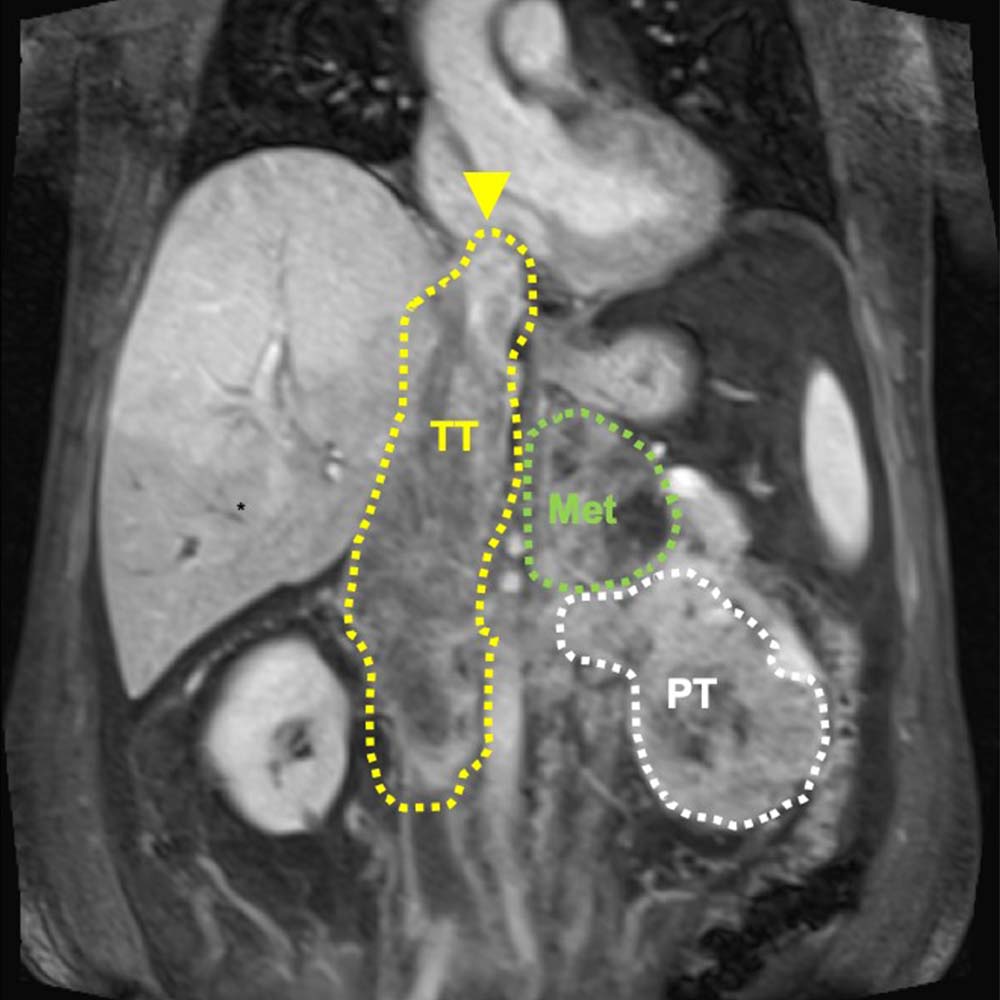
How cancers metastasize remains poorly understood. The process begins when cancer cells break off from a tumor and invade blood and lymphatic vessels, the body’s alleyways.