
GLP-1 medication changes may support long-term weight management
Patients who switch obesity drugs after less than a year stay better engaged with their treatment, UTSW researchers find

DALLAS – March 10, 2026 – Patients without diabetes who switched GLP-1 receptor agonist (GLP-1RA) drugs for overweight or obesity were more likely to stick with their treatment longer than those who didn’t switch, according to a new study by UT Southwestern Medical Center researchers. The findings, published in JAMA Network Open, suggest that medication changes are not uncommon among patients undergoing weight loss and that clinicians should encourage them to change GLP-1RAs if necessary to promote continuity of care.

“This study provides one of the largest real-world descriptions to date of how adults with overweight or obesity use and switch GLP-1RAs over time,” said first author Luyu (Amber) Xie, Ph.D., Pharm.D., Assistant Professor in the Peter O’Donnell Jr. School of Public Health and co-Director of the Biostatistics and Data Science Core at UT Southwestern. “It highlights that long-term persistence is low and that switching between medications is a relatively common part of ongoing treatment rather than a sign of failure.”
The study examined insurance claims from nearly 127,000 U.S. adults with overweight or obesity who initiated GLP-1 therapy between 2019 and 2024. By tracking medication use over 12 months, the researchers found that treatment often did not follow a linear path. Instead, many patients adjusted therapy in response to side effects, access, insurance coverage, and the introduction of new medications.
GLP-1RAs, including semaglutide, liraglutide, and tirzepatide, are now a central part of obesity treatment. However, maintaining long-term adherence to the drugs has been challenging.
In the study, only a quarter of the patients remained on any GLP-1RA one year after starting, with roughly 1 in 5 patients transitioning to a different GLP-1RA during that period. Patients who switched were more likely to continue treatment and showed higher adherence than those who remained on their initial medication, suggesting adjustments often reflected active management.

“Switching between GLP-1RA medications should be viewed as a normal part of long-term obesity care,” said senior author Sarah Messiah, Ph.D., M.P.H., Professor of Epidemiology and Pediatrics, Associate Dean for Research in the O’Donnell School of Public Health, and Director of the Child and Adolescent Population Health Program. “Persistence should not be judged by staying on a single drug indefinitely, but by maintaining engagement in care and working with clinicians to find sustainable, effective treatment strategies over time.”
The researchers also visualized treatment pathways to illustrate how patients transitioned among medications during the study period. Newer, once-weekly injectable therapies frequently served as both starting points and switch destinations, reflecting their growing role in obesity management.
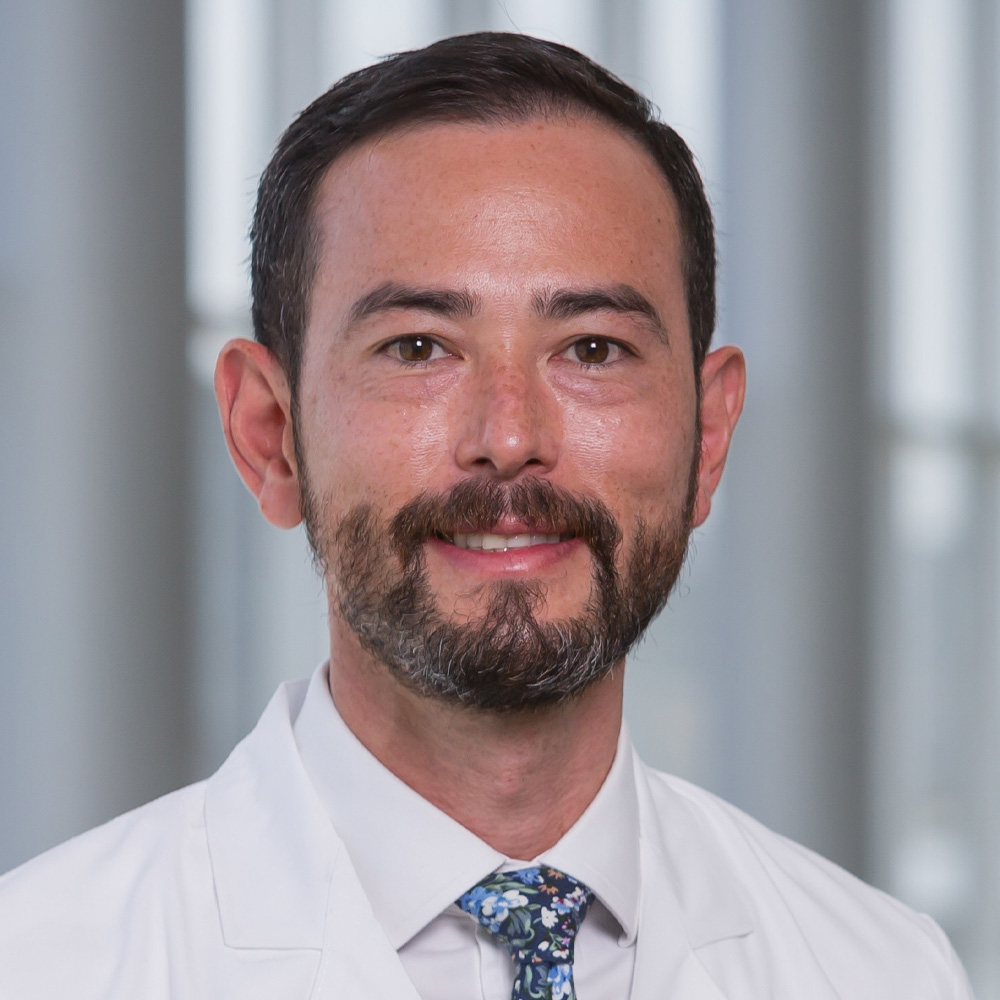
“In today’s clinical environment, successful obesity care often involves adapting treatment over time rather than expecting a single medication to meet every patient’s needs indefinitely,” said co-author Jaime Almandoz, M.D., M.B.A., Professor of Internal Medicine in the Division of Endocrinology and Medical Director of UTSW’s Weight Wellness Program.
The findings underscore the importance of setting clear expectations with patients early in treatment, including the possibility that more than one medication may be prescribed before a long-term approach is identified.
The authors said future research will explore how patient characteristics, specific medications, and timing of therapy influence treatment trajectories, with the goal of informing more personalized and sustainable approaches to obesity care.
Other UTSW researchers who contributed to this study are Diego Anazco Villarreal, M.D., Internal Medicine resident; Azucena Herrera Chancay, M.D., Internal Medicine fellow; M. Sunil Mathew, M.S., Senior Population Science Data Manager; and Jackson Francis, M.P.H., Population Science Project Coordinator.
The study was supported by the UTSW Clinical and Translational Science Award, the National Institutes of Health (1U54TR00236), the Texas Health Resource Clinical Scholar program, and the UTSW Nutrition & Obesity Research Center (NORC).
About UT Southwestern Medical Center
UT Southwestern, one of the nation’s premier academic medical centers, integrates pioneering biomedical research with exceptional clinical care and education. The institution’s faculty members have received six Nobel Prizes and include 28 members of the National Academy of Sciences, 26 members of the National Academy of Medicine, and 14 Howard Hughes Medical Institute Investigators. The full-time faculty of nearly 3,400 is responsible for groundbreaking medical advances and is committed to translating science-driven research quickly to new clinical treatments. UT Southwestern physicians in more than 80 specialties care for more than 143,000 hospitalized patients, attend to more than 470,000 emergency room cases, and oversee nearly 5.3 million outpatient visits a year.