
UTSW Research: Kidney stones, cancer diagnoses, and brain injury
Studies investigate kidney stone strategy, older adults diagnosed with cancer in the ER, and critically ill children with signs of acute brain injury
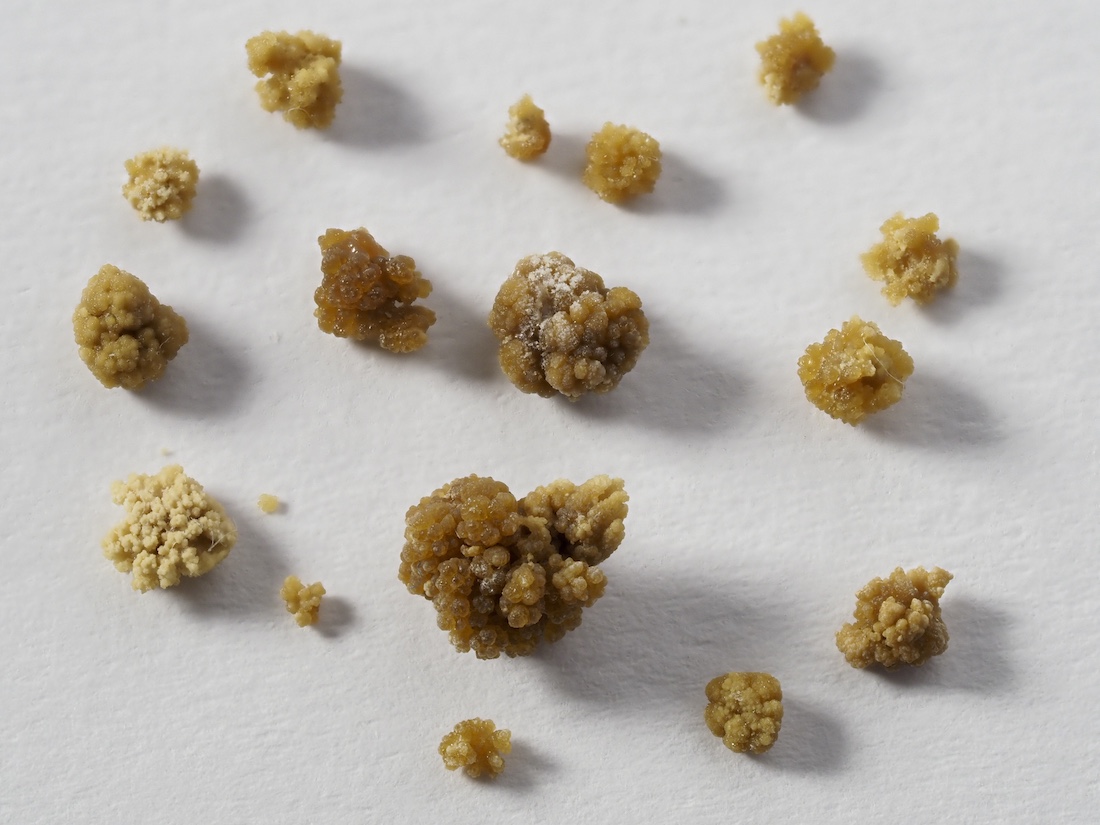
Intervention to promote hydration fails to reduce kidney stone recurrence
About 1 in 11 people in the U.S. experience urinary stone disease – more commonly known as kidney stones – according to the National Institute of Diabetes and Digestive and Kidney Diseases. Increasing fluid intake has long been recommended to decrease the risk of recurrence in those who develop this painful condition. However, studies have shown that maintaining high fluid intake can be difficult.
A nationwide team of researchers including Naim Maalouf, M.D., Professor of Internal Medicine and Associate Director of the Charles and Jane Pak Center for Mineral Metabolism and Clinical Research at UT Southwestern Medical Center, conducted the Prevention of Urinary Stones with Hydration (PUSH) clinical trial at six U.S. academic medical centers between 2017 and 2024 to test whether a behavioral intervention could increase fluid intake over two years. In Dallas, participants were recruited from UTSW, Parkland Health, and Children’s Health.
The researchers divided 1,658 adolescents and adults who had experienced a kidney stone within the past three years into two groups, with each given recommendations to increase urine output to at least 10.5 cups per day. To achieve this goal, one group received a personalized “fluid prescription”; a Bluetooth-enabled “smart” water bottle; a financial incentive to meet daily water intake; health coaching to troubleshoot fluid intake barriers; and additional help of their choice, including encouraging text messages or a support partner. The other group received the smart water bottle and general instructions for stone prevention, but no other assistance.
Results published in The Lancet showed the group that received the multifaceted intervention had slightly more urine output than the other group. However, the rates of kidney stone recurrence were approximately the same between the two groups. Further research is needed to find more innovative ways to increase water consumption to levels that effectively prevent kidney stone formation, and to identify alternative strategies for stone prevention including diet and/or medications, the study authors said.
Many older adults diagnosed with cancer in the emergency department
More than 1 in 3 older U.S. adults with common cancers are diagnosed during an emergency department (ED) visit – a pathway linked to poorer outcomes and gaps in routine care, according to a study published in JNCI Cancer Spectrum. The study analyzed Surveillance, Epidemiology, and End Results (SEER)‑Medicare data from over 600,000 patients 66 and older who were diagnosed with 14 cancer types between 2008 and 2017.
Most emergency diagnoses resulted in hospitalization, according to the data. However, a notable subgroup – those diagnosed in the ED who were not admitted – were more likely to live in rural areas and have earlier-stage disease. Compared with patients diagnosed in nonemergency situations, those with emergency diagnoses had more prior emergency room visits and less outpatient care for possible cancer symptoms.
The findings suggest that some emergency diagnoses reflect missed opportunities for timely detection and access to routine care. Identifying and reducing avoidable barriers could improve cancer outcomes and inform health care quality metrics.
Contributing to the study were Sandi Pruitt, Ph.D., Professor, and Megan Mullins, Ph.D., Assistant Professor, both in the Peter O’Donnell Jr. School of Public Health at UT Southwestern. Drs. Pruitt and Mullins are members of the Harold C. Simmons Comprehensive Cancer Center.
Children on life support show biological signs of brain injury
A study published in JAMA Pediatrics found that critically ill children receiving extracorporeal membrane oxygenation (ECMO) often show biological signs of brain injury that may not be detected through routine clinical assessments. The multicenter study measured blood-based biomarkers associated with brain injury in 219 children treated with ECMO between 2019 and 2023 and examined how those markers related to neurologic outcomes and survival.
Researchers found that several plasma biomarkers were elevated during ECMO support and were associated with acute brain injury and poorer clinical outcomes. Levels of these biomarkers changed over time, suggesting ongoing neurologic risk during treatment.
The findings signal that blood-based biomarkers could help clinicians identify brain injury earlier, monitor neurologic risk during ECMO, and potentially guide strategies to protect the developing brain in critically ill children.
Michael Bell, M.D., Professor of Pediatrics and Chief of the Division of Pediatric Critical Care at UT Southwestern, contributed to this study.
About UT Southwestern Medical Center
UT Southwestern, one of the nation’s premier academic medical centers, integrates pioneering biomedical research with exceptional clinical care and education. The institution’s faculty members have received six Nobel Prizes and include 24 members of the National Academy of Sciences, 25 members of the National Academy of Medicine, and 13 Howard Hughes Medical Institute Investigators. The full-time faculty of nearly 3,400 is responsible for groundbreaking medical advances and is committed to translating science-driven research quickly to new clinical treatments. UT Southwestern physicians in more than 80 specialties care for more than 143,000 hospitalized patients, attend to more than 470,000 emergency room cases, and oversee nearly 5.3 million outpatient visits a year.
About Parkland Health
Parkland Health is one of the largest public hospital systems in the country. Premier services at the state-of-the-art Parkland Memorial Hospital include the Level I Rees-Jones Trauma Center, the only burn center in North Texas verified by the American Burn Association for adult and pediatric patients, and a Level III Neonatal Intensive Care Unit. The system also includes two on-campus outpatient clinics – the Ron J. Anderson, MD Clinic and the Moody Outpatient Center, as well as more than 30 community-based clinics and numerous outreach and education programs. By cultivating its diversity, inclusion, and health equity efforts, Parkland enriches the health and wellness of the communities it serves. For more information, visit parklandhealth.org.