
Updates

Internet of Things (IoT)
Internet of Things (IoT) is a term for everyday devices that contain software, sensors, and network connectivity.

Wrong number
“Wrong number” text scammers send out a huge number of texts hoping to start a conversation with a potential victim.

Don't take the bait
Attacks from cybercriminals often start with a phishing email. Stay alert and don’t fall prey to these scams.

When is the last time you Googled yourself?
Search the internet to see what information about you is publicly available. These same resources are available to cybercriminals who can use what they find to target you.

Avoid falling prey to multifactor fatigue
A cyberattack gaining in popularity is “multifactor fatigue,” when numerous fraudulent push notifications are sent to the owner of a compromised account.

It’s time for an IT spring cleaning
Ensure the safety of your data and devices by using the following IT spring cleaning tips for your UTSW and personal accounts.
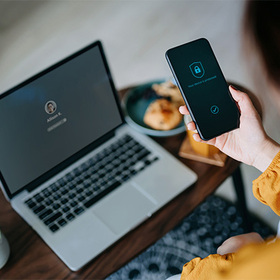
Don’t fall victim to credential stuffing
“Credential stuffing” refers to a cybercriminal using stolen username and password combinations obtained from data breaches to access other online services and websites.
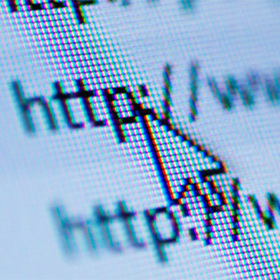
How to “hover” over hyperlinks on a mobile phone
Attacks from cybercriminals often start with a phishing email that contains a malicious link. An embedded hyperlink is when you see text that may appear legitimate, rather than the actual URL.

Don’t be scammed by your next robocall
Robocalls are automated pre-recorded calls to your phone. Some robocalls are legitimate. Others are from scammers using automated software to make fraudulent calls.
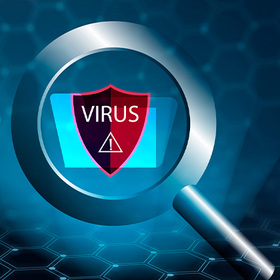
Don’t be scared of scareware
“Scareware” usually starts with a legitimate looking pop-up warning that your computer is infected with a virus. The scammer tries to trick users into purchasing and downloading fake antivirus software that actually may be malware.