
Interventional Psychiatry Division
Interventional Psychiatry focuses on procedural and neuromodulation‐based treatments for neuropsychiatric disorders. It encompasses established therapies such as ECT and various forms of TMS—including intermittent theta-burst stimulation (iTBS), accelerated and deep‐coil protocols, and rapid‐acting pharmacological interventions like ketamine infusions and application of intranasal esketamine, as well as emerging techniques such as transcranial direct current stimulation (tDCS), magnetic seizure therapy (MST), focused ultrasound (FUS), photobiomodulation, and invasive neuromodulation: deep brain stimulation (DBS) and vagus nerve stimulation (VNS). All modalities are available at UT Southwestern. By integrating rigorous translational research – for example, tailored brain stimulation approaches guided by neuroimaging biomarkers – into hands‐on clinical services and structured training programs, Interventional Psychiatry aims to expand effective options for patients with treatment-resistant or severe psychiatric disorders across the lifespan, accelerate bench-to-bedside innovation, and ensure that trainees and clinicians develop and maintain the highest standards of safety, efficacy and ethical practice.
Patient Care
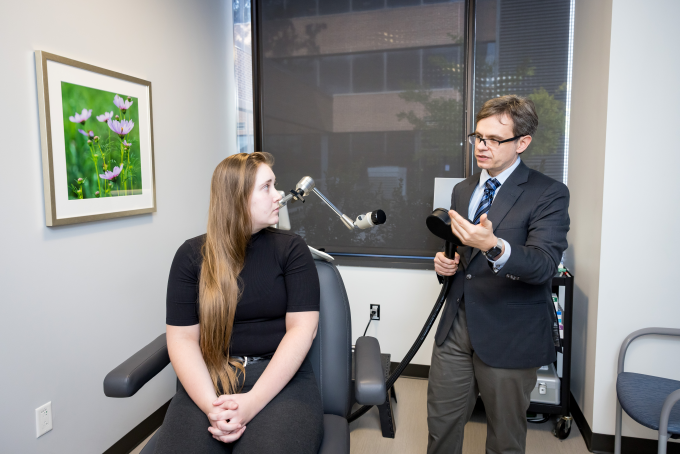
What distinguishes our clinical practice is the breadth of interventional modalities offered across our sites, the integration of advanced technology with specialized clinical expertise, and our capacity to match patients with the most appropriate interventional approach based on their clinical presentation, comorbidities, and treatment history. Our interventional services are supported by standardized assessment protocols, systematic outcome tracking, and quality assurance measures that exceed standard community practice. We maintain capabilities for emergency interventions for acutely suicidal patients and offer specialized care pathways for treatment-resistant conditions.
Research
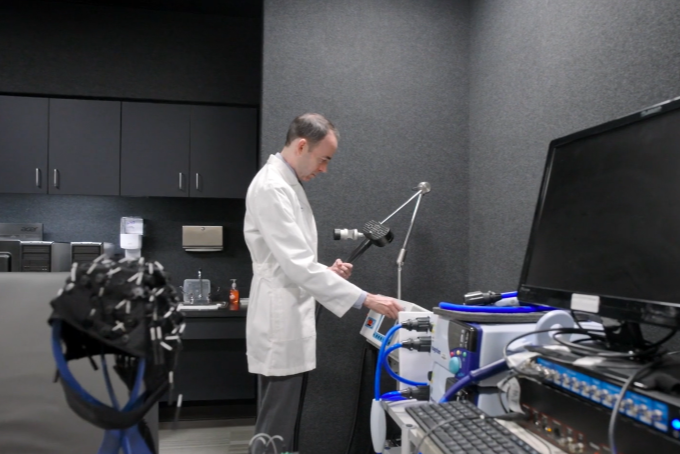
We maintain a robust research portfolio focused specifically on neuromodulation techniques, biomarker development, and novel treatment approaches for treatment-resistant psychiatric disorders. Sophisticated mechanistic studies are underway, employing neuroimaging and computational modeling to elucidate the neurobiological effects of both neuromodulation and pharmacotherapy. The scientific community and funding agencies recognize the transformative potential of neuromodulation techniques in advancing psychiatric treatment.
Faculty
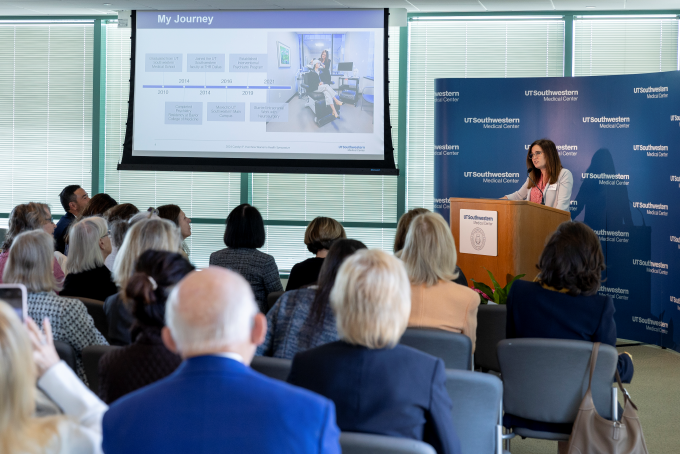
Our multidisciplinary team brings together diverse expertise in psychiatry subspecialties, ensuring comprehensive care for complex patient populations and facilitating innovative research approaches across the spectrum of interventional modalities.
Education & Training
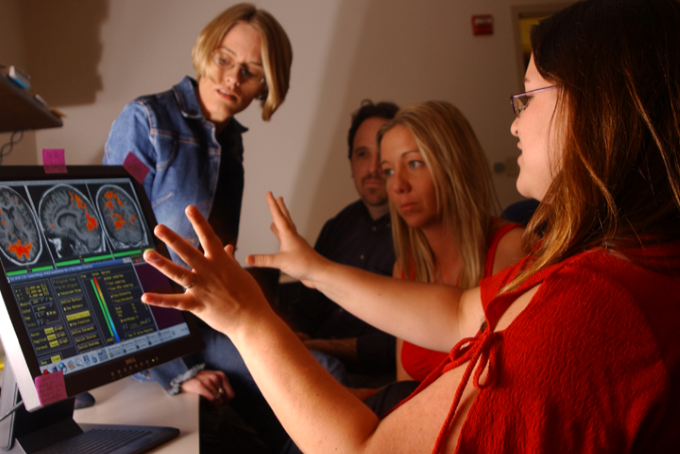
Our robust and comprehensive educational program serves learners at multiple levels. A hallmark of our residency program is an area of concentration for obtaining certification in TMS, ECT, and esketamine. Other education includes IV ketamine training, training with our BrainsWay device with the H7 coil for OCD, observation opportunities at the Parkland Health ECT service, exposure to accelerated TMS with neuronavigation on the inpatient unit at Clements University Hospital, and ECT observation for UT Southwestern medical students during clerkship.
Feature Stories
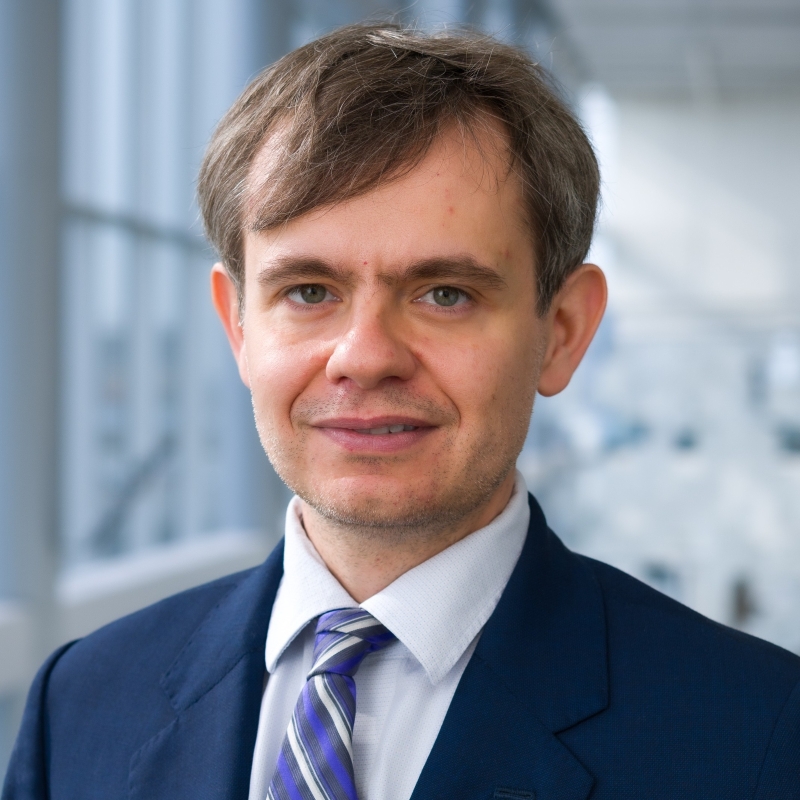
Interventional Psychiatry Division Chief has crossed globe to research treatments
“I have seen patients who had lost hope after years of failed treatments respond within weeks to brain stimulation... That is what keeps me in this field – the possibility that the next trial we run will be the one that changes someone’s life.”
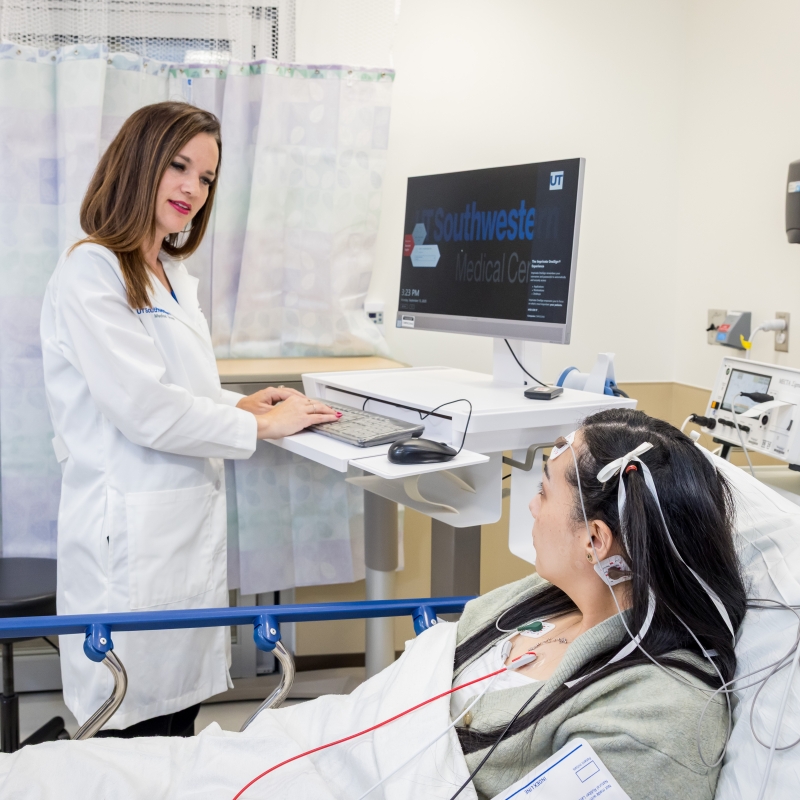
Science of brain stimulation treatments yields new methods, improved outcomes
“The response rate of ECT for depression is in the range of 70% to 80%, and we don't have currently anything else that matches that efficacy.”
Contact Us
Division of Interventional Psychiatry
UT Southwestern Medical Center
5323 Harry Hines Blvd
Dallas, TX, 75390-9070