
Pediatric Rheumatology Research
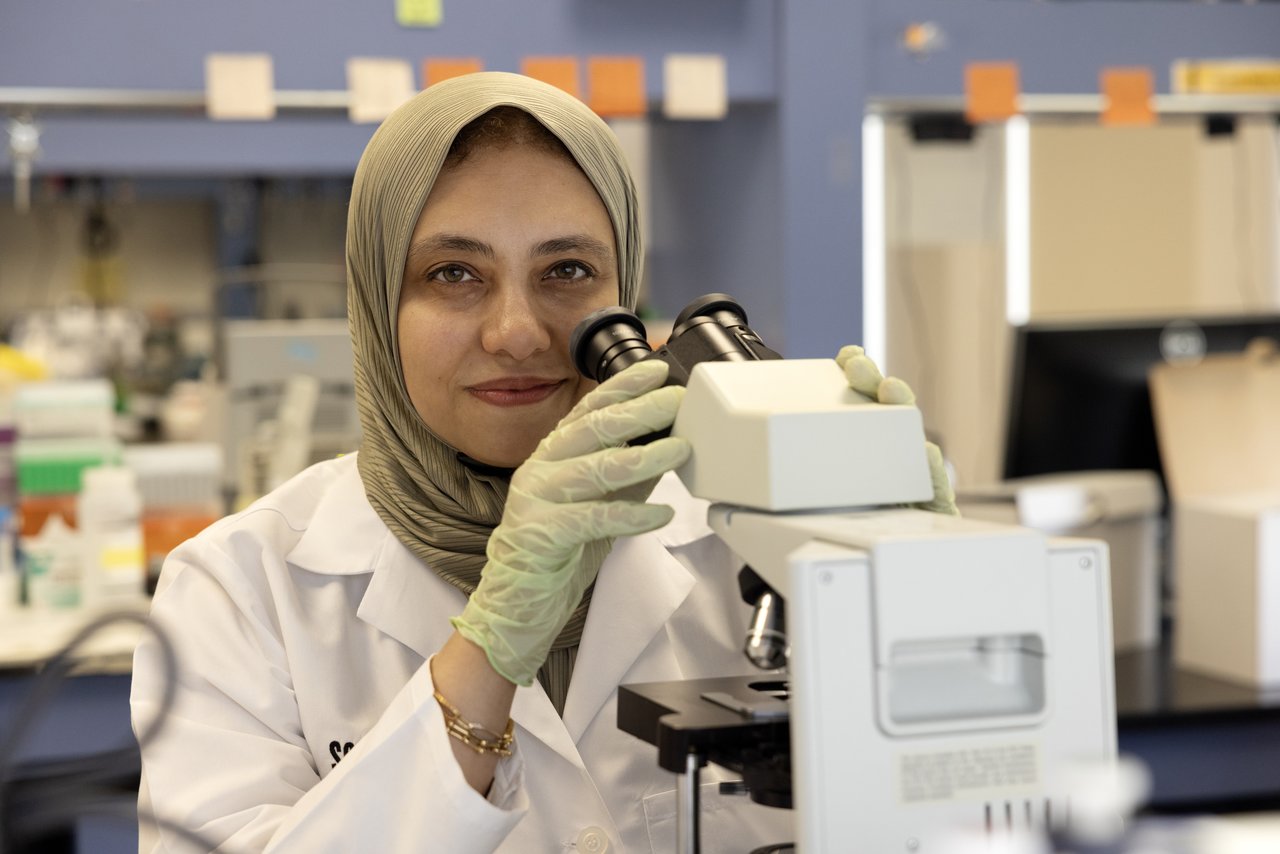
The Division of Pediatric Rheumatology is actively engaged in translational and clinical research endeavors to improve pathophysiologic understanding, treatment options, and outcomes in a variety of pediatric rheumatic diseases.
A large, diverse patient population allows us to conduct studies in several areas, and faculty have been involved in multicenter studies of the pathogenesis and epidemiology of childhood rheumatic disease.
Collaborative research with leading pediatric rheumatology translational scientists has garnered grant funding from the National Institutes of Health (NIH) and, most importantly, significantly improved the understanding of the pathophysiology of systemic juvenile idiopathic arthritis and systemic lupus erythematosus.
All Division faculty are members of the Childhood Arthritis and Rheumatology Research Alliance (CARRA), an investigator-led collaborative pediatric rheumatology research network with a mission to conduct collaborative research to prevent, treat, and cure pediatric rheumatic disease.
- Kristina Ciaglia, M.D.
Kristina Ciaglia, M.D., leads scholarly work in quality improvement with a focus on advancing health equity through community-engaged, data-driven interventions aimed at reducing disparities. Her research examines the impact of social determinants of health in pediatric autoimmune disease and emphasizes co-developing family-centered tools to improve care navigation, communication, and disease self-management.
In systemic lupus erythematosus and juvenile idiopathic arthritis, she directs quality improvement and disparities research that highlights inequities in food security, health literacy, and access to specialty care.
- Esraa Eloseily, M.D.
Esraa Eloseily, M.D., engages in research focused on the intersection of inflammation and metabolism in pediatric rheumatic diseases, with a particular emphasis on systemic juvenile idiopathic arthritis. She uses multiomics approaches to investigate mechanisms of inflammation-driven metabolic dysfunction to identify biomarkers and therapeutic targets that can improve early detection and intervention.
- Julie Fuller, M.D.
Julie Fuller, M.D., studies the evaluation and management of juvenile dermatomyositis with a focus on understanding the natural history of calcinosis through a multicenter collaboration with the NIH.
- Simrat Morris, M.D.
Simrat Morris, M.D., has scholarly interests in fellow medical education with a focus on developing innovative tools to improve self-directed learning.
- Lorien Nassi, M.D.
Lorien Nassi, M.D., participates in scholarly work focused on improving the transition of adolescents with rheumatic disease to adult care.
- Elizabeth Sloan, M.D.
Elizabeth Sloan, M.D., investigates the impact of antiphospholipid antibodies (aPL) on global coagulopathy and the role of aspirin therapy in mitigating aPL-induced hypercoagulability. Her work has identified clinical risk factors for arterial and venous thrombosis in pediatric systemic lupus erythematosus with persistently positive aPL and explored non-criteria aPL and calprotectin as potential biomarkers for pediatric antiphospholipid syndrome.
Dr. Sloan serves as site principal investigator for the CARRA Registry, a multicenter observational registry designed to evaluate the long-term outcomes and the short- and long-term safety and effectiveness of medications used in pediatric rheumatic diseases. She co-leads the CARRA Systemic Lupus Erythematosus-Antiphospholipid Syndrome Workgroup and is a co-investigator in a collaboration between CARRA and the Pediatric Rheumatology European Society to enhance the clinical characterization of pediatric antiphospholipid syndrome.
- Tracey Wright, M.D.
Tracey Wright, M.D., is the principal investigator for the Clinical and Sample Core of the National Institute of Arthritis and Musculoskeletal and Skin Diseases-funded Center for Lupus Research (CLR), an integrated, cooperative center based at UT Southwestern, the Drukier Institute for Children's Health at Weill Cornell Medicine, and the Jackson Laboratory for Genomic Medicine. The goal of the Center for Lupus Research is to advance the knowledge of pathways and mechanisms that contribute to the development and amplification of human systemic lupus erythematosus and to develop assays and tools to monitor these dysfunctional pathways and stratify patients toward personalized therapies.