
Pediatric Critical Care Medicine Education
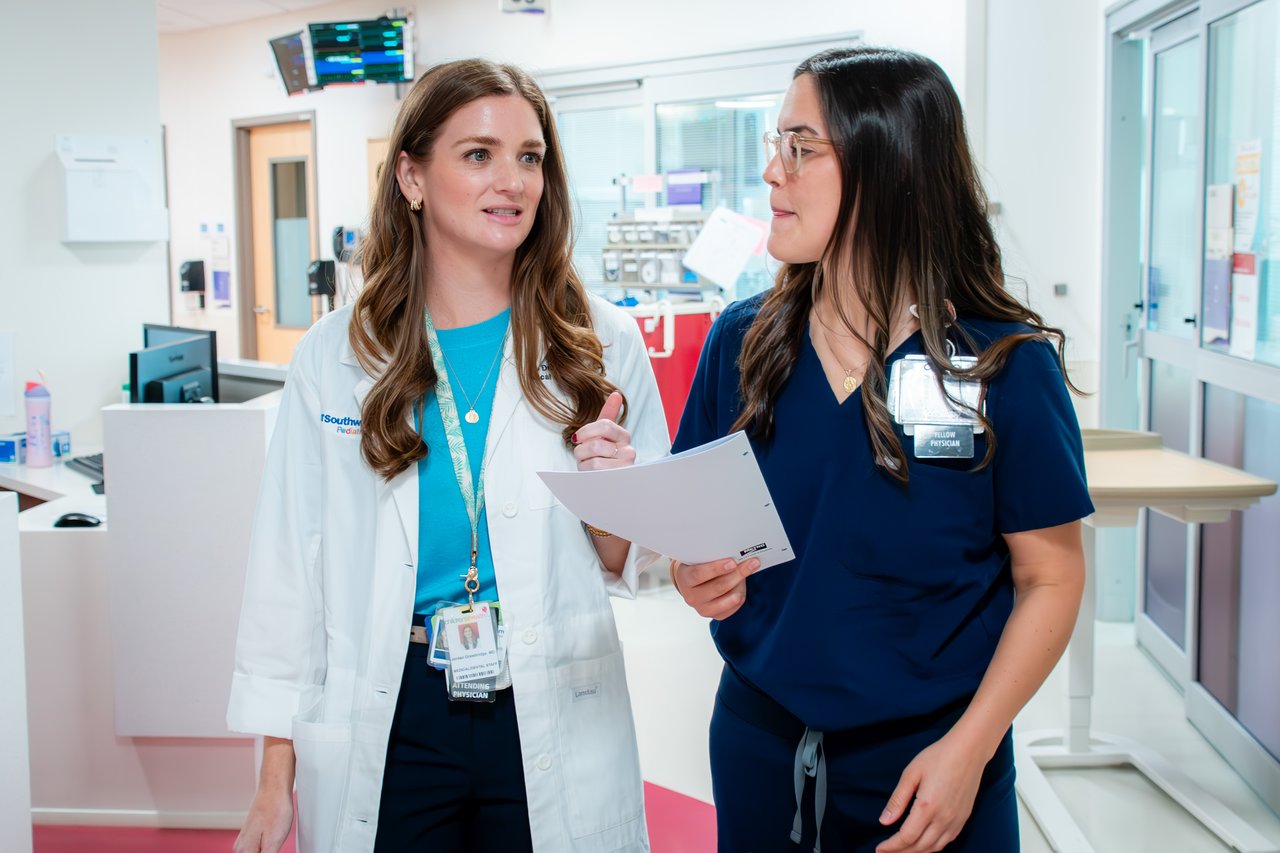
The Division of Pediatric Critical Care built its educational emphases around its diverse trainees – medical students, pediatric residents, and members of the fully accredited fellowship program. While most educational activities focus on physicians in various stages of training, Division faculty also work with students, including pediatric nurse practitioners, staff nurses, and respiratory care practitioners.
The vast majority of our faculty are clinician-educators. Because of this, the educational portfolio of the Division is quite strong, with abundant opportunities for pediatric simulation, education of fellows/residents/medical students, and other medical learning programs for faculty.
Medical Students
We offer elective opportunities for fourth-year medical students from UT Southwestern and outside institutions to rotate through our general medical/surgical, trauma/neurosurgical, and cardiac intensive care units.
Prerequisites include:
- Acceptable academic standing at the student's current medical institution
- Successful completion of a third-year pediatric clerkship
Outside rotators must provide a letter of recommendation from their program director to confirm that they satisfied these prerequisites.
Acute Care Rotation in PICU
Medical students who select the PICU to fulfill their acute care rotation requirements gain experience with a variety of patients in different units. You become integral to our multidisciplinary team of residents, fellows, and faculty. The rotation emphasizes patient-based learning, giving you primary responsibility for one or two patients and focusing on their conditions as you learn through a combination of didactic and self-directed study.
Other elective opportunities allow you to learn about critically injured patients in a trauma/neurosurgical setting or about children recovering from cardiovascular surgery to correct congenital or acquired heart disease.
Residents
Residents rotate through the PICU at various times during their training, experiencing the entire course of illness of critically ill children suffering from myriad conditions, including respiratory failure, sepsis, multiple organ failure, organ transplants, traumatic injuries, and complications from any number of medical conditions.
Faculty and fellows provide formal didactic teaching on pertinent critical care topics during the noon conference lecture series each year, and learners will begin to develop the skills needed to assess, stabilize, and manage a number of challenging conditions. Simulation sessions and RISE sessions are routinely offered during the rotation to assist in the overall trainee experience. Over time, residents also gain a profound sense of humility, which remains essential when dealing with diseases and injuries that can so suddenly take a child from a family.
Other specialty training programs requiring critical care experience also rotate residents through the PICUs, including:
- Anesthesiology
- Pain management
- Emergency medicine
Individual experience levels determine your experience, but pediatric teams typically welcome the perspective of residents with knowledge gained from working with adult patients.
Course Descriptions
Fellows
The Division’s internationally recognized three-year Critical Care Fellowship Program – one of the largest in the United States – was the first of its kind. It has prepared more than 100 physicians to be leaders in the field of intensive care for critically ill infants and children. Many graduates have become academic leaders within the field, both in the United States and abroad. We host a yearly Fellow Bootcamp to orient the next generation of practitioners on the procedures necessary to resuscitate and care for critically ill children.