
Clinical Core
The Clinical Core serves as the hub for all activities of the North Texas Alzheimer's Disease Research Center (NT-ADRC) and affiliated investigators, providing the engine to drive innovative multidisciplinary research on Alzheimer's disease and related dementias (AD/ADRD).
We designed the Clinical Core to address the advances in our understanding of neurocognitive disorders, incorporating "real-life" data, especially around new and emerging immunotherapies for neurodegeneration.
The Clinical Core aims to:
- Engage and characterize participants
- Recruit and retain a diverse cohort of well-characterized individuals enriched for high cardiometabolic risk and for the pre- and early symptomatic stages of AD/ADRD
- Collect biospecimens and data
- Coordinate with other NT-ADRC cores to facilitate data and specimen sharing; facilitate investigator-initiated and externally sponsored research
- Provide training and educational opportunities
In conjunction with the other ADRC components, the Clinical Core brings together North Texas researchers, providing expert specialty consultation and collaboration for investigator-initiated and national multi-site projects. This environment enhances multidisciplinary and translational ADRD research and education.
Our Clinical Core incorporates multiple innovative approaches that leverage UTSW's long history and strengths in neuroscience, cardiology, data science, and AI. Highlights include:
- Expanding the ATN framework to include "V" and α-synuclein to capture the heterogeneity of AD/ADRD. Our understanding of AD has evolved from a mainly clinical to a biological entity defined by increased brain amyloid-beta (Aβ) and phosphorylated tau (pTau). The related "ATN" framework, based on the presence of Aβ, Tau, and neurodegeneration, has transformed the field by increasing diagnostic precision and continues to evolve. A limitation of the ATN framework is that it does not reflect other contributing or co-existing pathologies to AD or its clinical manifestations.
- Collecting innovative vascular measures on all participants. These measures include arterial stiffness, cerebral microvascular measures (CVR), retinal microvascular assessments (OCT-A), and adhesion molecules, which will enable us to test underlying vascular hypotheses for AD.
- Employing Dr. Ana Solodkin's (Clinical Core Co-investigator) innovative approach to use the Virtual Brain in AD/ADRD. This approach is unique to our Center and may advance our abilities to apply precision medicine in ADRD.
- Incorporating AI-based analysis of voice recordings based on comprehensive language models to explore this as an approach for detecting emerging cognitive impairment, which will be essential to prevention initiatives.
- Employing a more comprehensive measure of psychosocial and environmental factors combined with data science to describe a "Brain Vulnerability Index." Critical to any prevention intervention is the ability to identify people at high risk; this study will allow us to evaluate its correlation with AD/ADRD and identify people at elevated risk of cognitive decline.
With a population of more than 9 million, North Texans represent the full populace of the United States. The NT-ADRC cohort is derived from North Texas residents, and as the only ADRC in our region, our cohort provides representation of North Texas in Alzheimer's research. Reflecting the innovations above, we carefully characterize cardiovascular risk, which increases the risk for AD/ADRD.
Collaboration
The Clinical Core focuses on including leading-edge approaches and engaging individuals from diverse backgrounds identified through our community-based and clinic-based recruitment organized by the Outreach, Recruitment and Engagement (ORE) Core.
Through interaction with the Biomarker and Imaging Core, we obtain their "ATN" classification and leverage the participant tracking and data infrastructure built by our Data Management, Informatics, and Statistical (DMIS) Core to manage recruitment, retention, study workflows, and uploads for national data sharing.
We harness the strengths of collaboration with UTSW's Lyda Hill Department of Bioinformatics, applying novel generative AI and computational neuroscience approaches to discover and understand new ways to prevent and treat neurodegenerative diseases.
Core Faculty
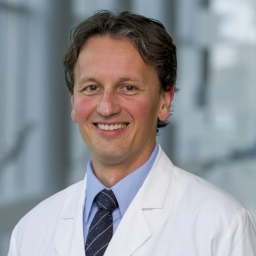
- Clinical Core Lead
- Professor of Cognitive and Behavioral Neurology
- UT Southwestern Medical Center
- Dementia Care

- Clinical Core Co-Lead
- Professor of Psychiatry
- UT Southwestern Medical Center
- Neuropsychology Care
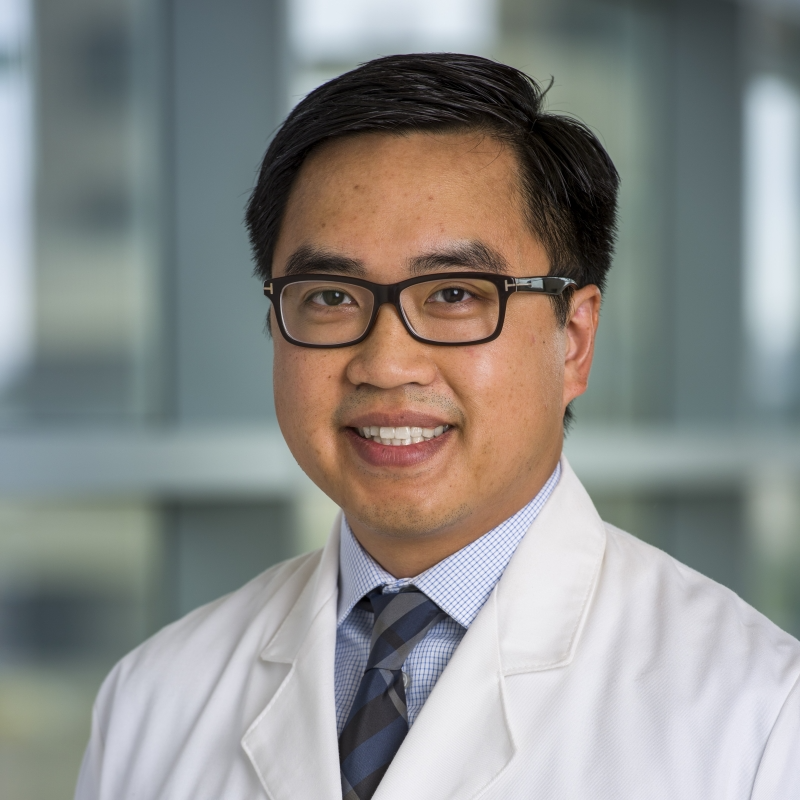
- Associate Professor of Neurology
- UT Southwestern Medical Center
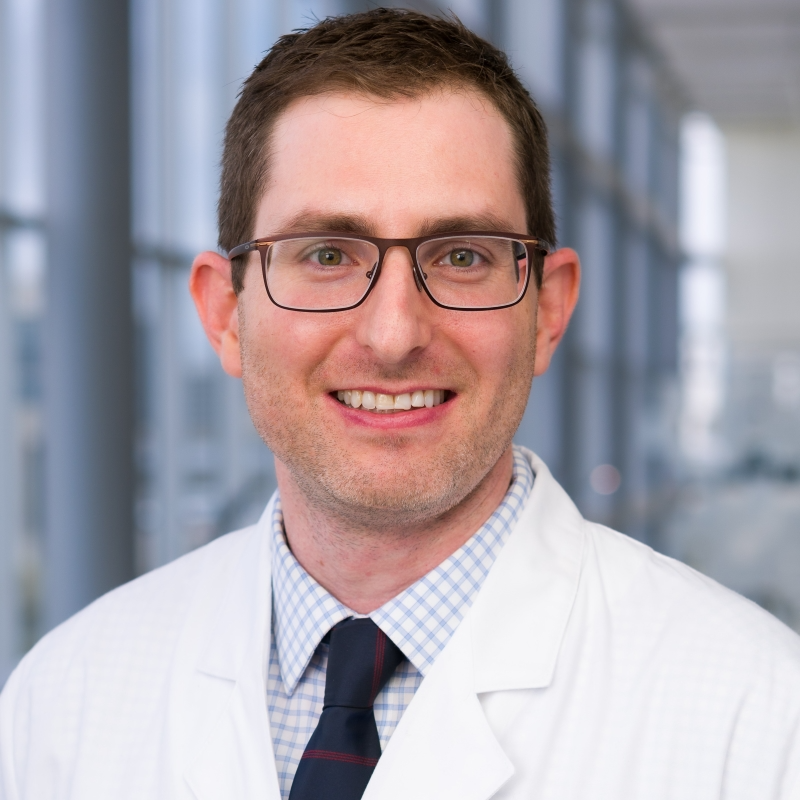
- Associate Professor of Psychiatry
- UT Southwestern Medical Center
Operations Team
Tiffani Fox
Manager
Kyle Krautkramer
Clinical Research Coordinator (CRC) II
Kimberly Martinez
Clinical Research Coordinator (CRC) II
Kathryn Roper
Clinical Research Associate (CRA)
Facilities and Research Programs
Center for Alzheimer's and Neurodegenerative Diseases (CAND): Under the leadership of Marc Diamond, M.D., CAND develops mechanism-based approaches to diagnose and treat Alzheimer's disease and related dementias.
Advanced Imaging Research Center (AIRC): In collaboration with Joseph Maldjian, M.D., and Fang (Frank) Yu, M.D., the AIRC uses novel medical imaging technology to visualize disease-related impairments.
Institute for Exercise and Environmental Medicine (IEEM): Working with Rong Zhang, Ph.D., and others, IEEM explores and defines the limits to human functional capacity in health and disease, with the objective of improving the quality of life for human beings of all ages.
UTSW Hypertension Program: Led by Wanpen Vongpatanasin, M.D., the Hypertension Program at UT Southwestern Medical Center aims to assist both patients and primary care physicians in providing state-of-the-art medical treatment for hypertension, using multidisciplinary approaches
Cognitive Neuroscience Laboratory of Memory and Language: Principal investigator John Hart, M.D., and his team research how people store and access knowledge in the brain.
Brain Circuits Laboratory: Ana Solodkin, Ph.D., and Steven Small, M.D., Ph.D., lead the Brain Circuits Laboratory, which focuses on brain dynamics characterizing neurological diseases.
Functional Neuroimaging of Memory (fNIM) Laboratory: Under Michael Rugg, Ph.D., fNIM uses electrophysiological (EEG and ERP), functional magnetic resonance imaging (fMRI), and transcranial magnetic stimulation (TMS) methods to investigate a variety of aspects of human memory.