
Biomarker and Imaging Core
The Biomarker and Imaging (BI) Core establishes a shared resource for the North Texas Alzheimer's Disease Research Center (NT-ADRC) and the broader Alzheimer's disease research community.
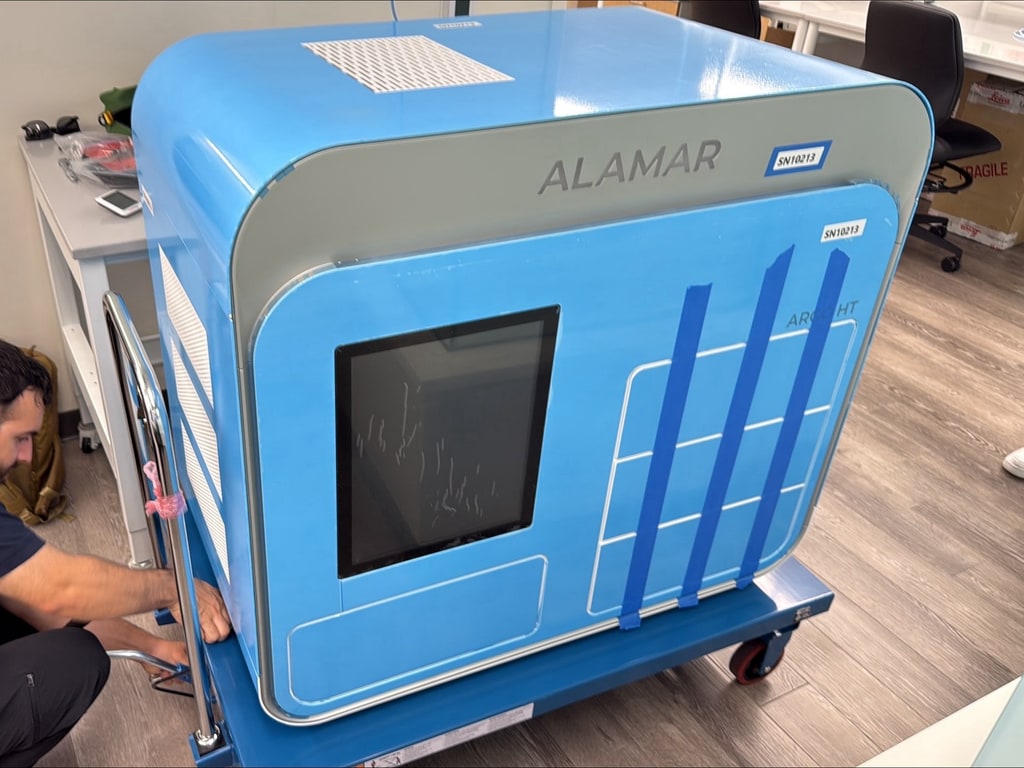
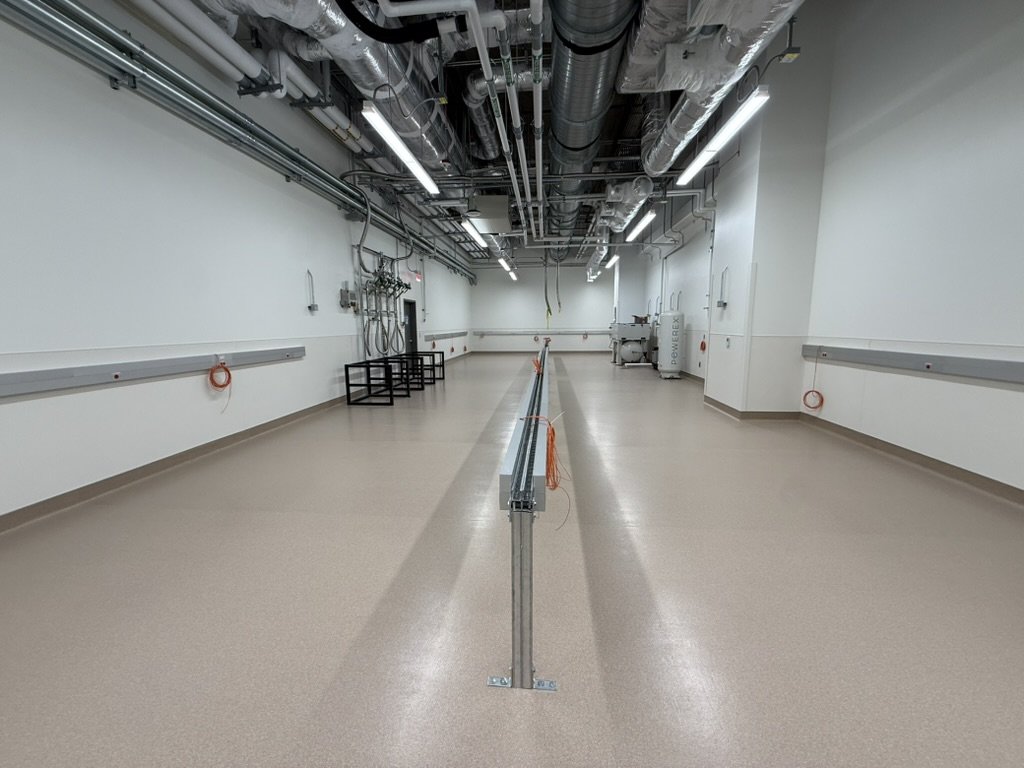
The BI Core accelerates the development of next-generation biomarkers capable of detecting the earliest molecular events in neurodegenerative disease. By integrating expertise in protein engineering, assay development, and clinical translation, the BI Core:
- Enables investigator-initiated research
- Fosters team science
- Accelerates the discovery, validation, and implementation of highly specific diagnostic tools
To achieve its mission, the Core:
- Trains investigators in the development of highly specific bioassays that detect pathological protein assemblies
- Creates highly selective protein binders—including antibodies and nanobodies—that recognize disease-specific protein conformations
- Develops ultrasensitive assays capable of quantifying pathological protein assemblies in biofluids
- Partners with clinicians to rigorously validate these technologies in well-characterized research participants, accelerating translation from laboratory discovery to clinical implementation
- Disseminates reagents, assays, protocols, and expertise as shared resources that enable innovative investigator-initiated projects throughout the NT-ADRC and beyond
Innovation
The BI Core addresses one of the central challenges in neurodegenerative disease research: distinguishing pathological protein assemblies from their abundant normal forms.
Its technologies are designed to selectively recognize disease-specific conformations rather than simply measuring total protein concentrations, providing substantially greater biological specificity. Because these pathological assemblies are closely linked to disease progression and are thought to propagate through prion-like mechanisms, their direct detection has the potential to transform diagnosis, disease staging, patient stratification, and therapeutic monitoring.
Equally innovative is the BI Core's integrated approach, which combines protein engineering, structural biology, biophysics, assay development, and clinical translation within a single shared resource. This integration substantially shortens the path from fundamental discovery to clinical application while providing investigators across the NT-ADRC with access to technologies that would otherwise be unavailable. The BI Core also actively disseminates reagents, protocols, and expertise, extending its impact beyond the NT-ADRC to the broader Alzheimer's disease research community.
Collaboration
The BI Core functions as a collaborative technology hub, providing reagents, assays, technical expertise, and consultation that strengthen research across the NT-ADRC.
For example, highly selective nanobodies that recognize pathological protein assemblies may provide the basis for next-generation PET imaging ligands through collaboration with the imaging component of the BI Core. Conformation-specific antibodies against tau and other amyloid-forming proteins enhance the Neuropathology Core's ability to characterize disease-associated pathology with greater molecular precision. Center for Alzheimer's and Neurodegenerative Diseases (CAND)-developed cell-based biosensor assays, already widely adopted by the neuroscience community, provide sensitive functional measures of proteopathic activity that complement conventional neuropathological analyses.
Beyond individual collaborations, the BI Core supports team science by providing shared technologies, standardized assays, investigator training, and scientific consultation across the NT-ADRC. Through dissemination of reagents, protocols, and expertise, the BI Core enables new investigator-initiated projects, fosters interdisciplinary collaborations, and amplifies the scientific impact of every NT-ADRC core.
Core Faculty

- Core Lead
- Professor & Director of the Center
for Alzheimer's and Neurodegenerative
Diseases - UT Southwestern Medical Center
- Diamond Lab

- Vice Chair of Faculty Affairs
- Professor
- UT Southwestern Medical Center

- Assistant Professor
- UT Southwestern Medical Center
- Assistant Professor
- UT Southwestern Medical Center

- Medical Director, Magnetic Resonance Imaging, University Hospital & Clinics
- Associate Professor
- UT Southwestern Medical Center

Joshua Eddy
- Research Technician I
- Nulisa Implementation
Facilities and Research Programs
Center for Alzheimer's and Neurodegenerative Diseases (CAND): Founded and directed by Marc Diamond, M.D., CAND focuses on the basic mechanisms underlying these conditions, especially tauopathies.
Advanced Imaging Research Center (AIRC): AIRC researchers develop innovative imaging technology to push the current boundaries of biomedical imaging with respect to spatial and temporal resolution, functional and metabolic specificity, as well as speed and spatial coverage.
Advanced Neuroscience Imaging Research (ANSIR): ANSIR is devoted to the application of novel image analysis methods to research studies, as well as to robust clinical translation of these techniques.