
Outreach, Recruitment, and Engagement Core
The Outreach, Recruitment, and Engagement (ORE) Core of the North Texas Alzheimer's Disease Research Center (NT-ADRC) serves as the central hub for community outreach, education, and engagement about Alzheimer's disease and related disorders (ADRD), as well as the recruitment and retention of participants of diverse racial, ethnic, and socioeconomic backgrounds in ADRD-related research.
With a multidisciplinary team of investigators possessing a wide range of expertise, the ORE Core is well-positioned to serve an essential role within the NT-ADRC by:
- Fostering existing and building new partnerships and engagement with the North Texas community
- Supporting and facilitating recruitment of participants from diverse racial, ethnic, and socioeconomic backgrounds into ongoing and future research studies within and outside of NT-ADRC
- Engaging and supporting caregivers of persons with ADRD in ADRC-related education and research
This is particularly important as the population of North Texas continues to grow and is home to significant numbers of racially and ethnically minoritized persons who are more likely to be diagnosed with ADRD in their lifetimes but are less likely to participate in ADRD-related research.
Approximately 50% of residents in North Texas have a racial or ethnic background other than Non-Hispanic White, and those who identify as Black/African American or Hispanic are more likely to have cognitive impairment and ADRD compared to White individuals.
The ORE Core has established a community advisory board comprising a diverse group of community leaders with personal and/or professional experience in the ADRD space. The board will combat caregiver invisibility by engaging ADRD caregivers in well-established, evidence-based research, education, and support programs.
The ORE Core will also continue to use existing recruitment and retention methods and expand its reach by instituting novel outreach and recruitment strategies, while using systematic approaches to evaluate the effectiveness of all ORE Core outreach, recruitment, and engagement efforts.
Collaboration
The ORE Core coordinates with other NT-ADRC cores to provide several educational and mutually beneficial opportunities, such as free screenings, referral to clinical or research programs, and informational sessions.
The ORE Core leverages partnerships with faculty in the UT Southwestern Clinical and Translational Science Award (CTSA) program, the Peter O'Donnell School of Public Health (OSPH), and the UT Arlington School of Social Work – all of whom have had success in building community-academic partnerships in North Texas – by adding an AD/ADRD component to their ongoing activities. The ORE Core also builds new partnerships with local community organizations.
We also coordinate with other NT-ADRC cores to build screening and referral programs to meet our Center's recruitment needs around cardiometabolic themes and identification of persons in the early/predementia stages of AD and ADRD.
Core Faculty

- Core Lead
- Associate Professor of Internal Medicine
- UT Southwestern
- Geriatric, Hospice
& Palliative Care
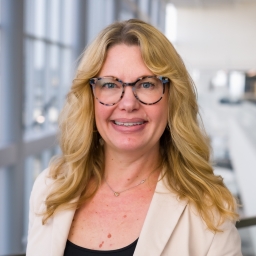
- Core Lead
- Associate Professor
Director of the Office of Community Health & Research Engagement - UT Southwestern Medical Center
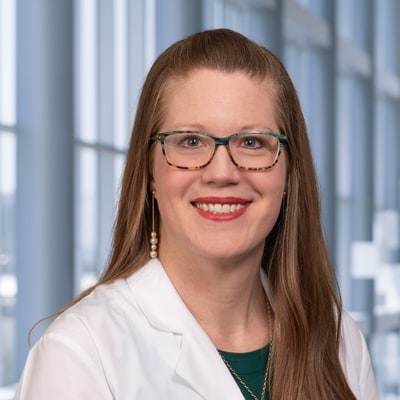
- Associate Program Director, Internal Medicine-Pediatrics Residency
- Associate Professor
- UT Southwestern Medical Center

- Assistant Professor
- UT Southwestern Medical Center
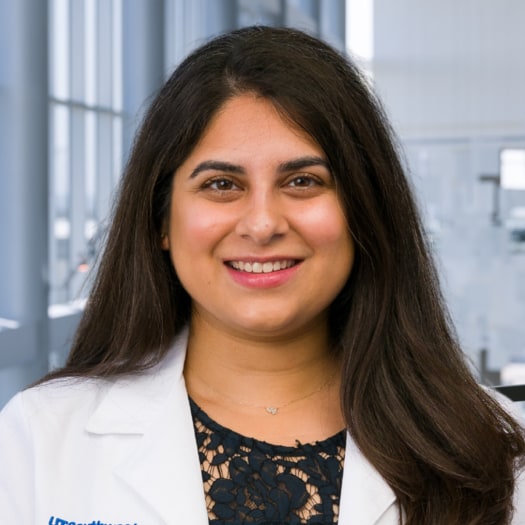
Alka Khera, M.D.
- Assistant Professor of Neurology
- UT Southwestern Medical Center
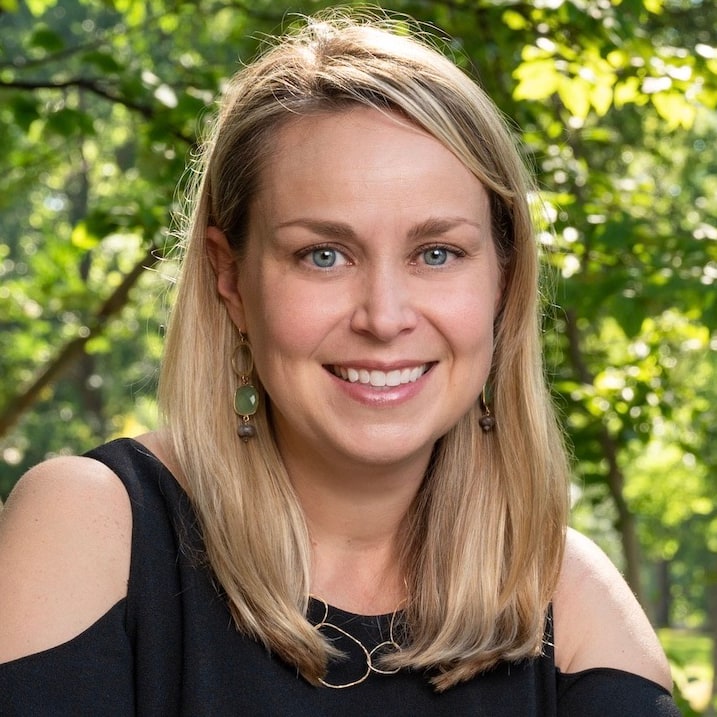
- Associate Professor
- UT Arlington

- Associate Professor
- UT Arlington

- Professor
- UT Health San Antonio
Operations Team
Rae Jackson
ORE Core Program Coordinator
Saundra Pennington
HealthStreet Program Manager
April Parker
Community Outreach Specialist
Jennifer Rodriguez
Community Outreach Specialist
Facilities and Research Programs
UT Southwestern Clinical and Translational Science Award (CTSA): The CTSA's goal is to advance the science of research translation, engage the patients and the public in DFW, and provide tools, methods, and best practices to improve the health of the communities we serve.
HealthStreet: Part of UT Southwestern's CTSA, Health Street provides North Texas community members with free health screenings, health education, and linkage to medical/social service resources and research opportunities.