Cardiovascular Disease Fellowship Program
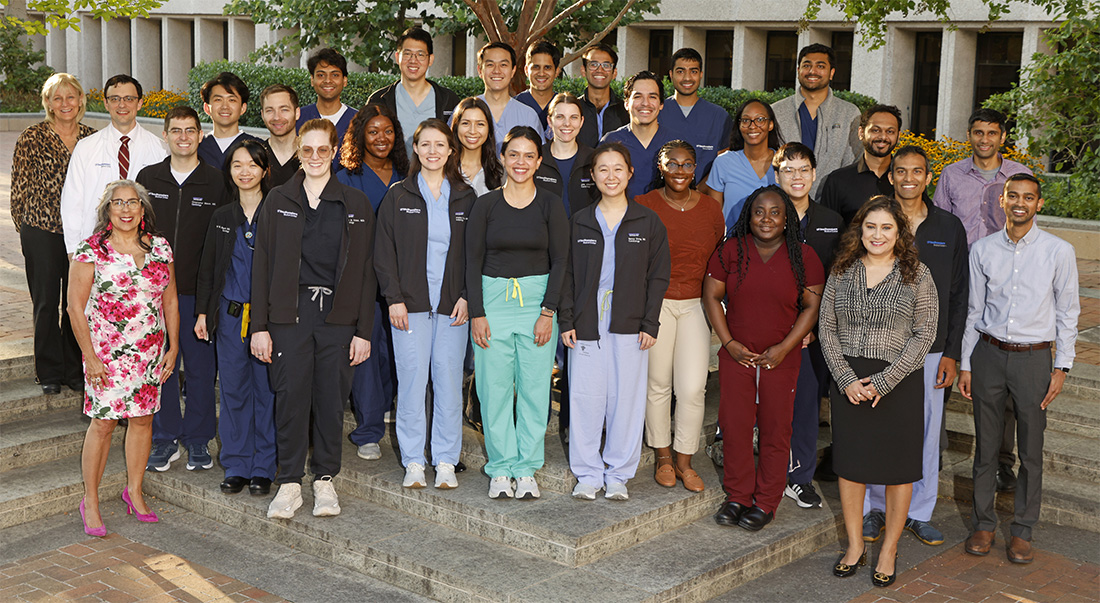
Program by the Numbers

2-3
2 Years Clinical Cardiology
3 Years Combined Clinical/Research Program

35
General Fellows

4
Available Training Tracks
About the Program
UT Southwestern’s general cardiology fellowship offers physicians an outstanding opportunity to expand their expertise, advance their careers, and contribute to the progress of cardiovascular medicine.
Our clinical programs provide advanced, high-quality training with ample opportunities for hands-on patient care and close faculty mentorship, complemented by comprehensive didactic instruction and innovative research. Postdoctoral research fellows also have access to diverse training opportunities in multiple laboratories, with a primary focus on cardiomyocyte biology.
- Application Process
Selection Criteria
Fellowship positions are awarded on the basis of:
- A consistent record of academic achievement and/or future academic potential
- Outstanding accomplishment in medical school and in internal medicine training
- Personal integrity and a commitment to the humanistic values, a respect for varied life experiences, and the professionalism expected of compassionate physicians
Apply Online
We participate in the National Resident Matching Program for this fellowship. Applications are accepted via the Electronic Residency Application System (ERAS) beginning in July. Our deadline is August 25 for enrollment in July of the following year. All interviews are conducted virtually.
In addition to an application submitted via ERAS, we require:
- Three Letters of Recommendation (one from a program director)
- Curriculum Vitae
- Personal Statement
- USMLE Scores Step I and II
International Applicants
Recognizing that some of our most talented applicants are not permanent residents, we are committed to recruiting qualified international trainees. UT Southwestern accepts permanent residents or J-1 ECFMG sponsored visas. Unfortunately, the medical school does not sponsor H-1B visas.
- Training Tracks
Clinical Scholar (3-4 years): The first two years on the Clinical Scholar Track are devoted to the core curriculum in clinical cardiology. The third year is mostly dedicated to scholarly activities with time for individualized clinical training. Fellows may take an optional fourth year of research or subspecialty training.
At the end of the fellowship, the Clinical Scholar is both well-prepared to practice general cardiology and competitive for a faculty position at a major academic medical center.
Physician Scientist (4-5 years): Fellows on the Physician Scientist Track complete the two-year core curriculum in clinical cardiology followed by two to three years of basic research. Upon successful completion of training, the Physician Scientist will be competitive for a career combining basic research with general clinical cardiology at a major academic medical center.
Research Training: In this program, fellows complete two to three years of research before embarking on the two-year core curriculum in clinical cardiology. The outpatient continuity clinic begins during the final research year, so that the fellow is board-eligible at the end of the two clinical years. This program is available in both the Clinical Scholar or Physician Scientist tracks. Fellows interested in this pathway should have a clearly defined research program and mentor identified, and should communicate in advance about their interest in this pathway.
- Clinical Training
The core curriculum includes rotations on the cardiology consultation service, cardiac care unit, noninvasive echo laboratory, nuclear cardiology, cardiac CT and MRI, cardiac catheterization laboratory, cardiac electrophysiology, and advanced heart failure/cardiac transplantation. In addition, each fellow is assigned a continuity clinic which meets one half-day per week throughout the three-year training period.
- Acute Cardiac Care
Acute Cardiac Care
The cardiology inpatient service at Parkland Memorial Hospital the major county hospital for Dallas County—occupies a 47-bed combined medical and cardiac unit with a 36-bed step-down unit. All patient rooms in the hospital have telemetry capabilities. Four teams of house staff and students, supervised by two cardiology fellows and two attending cardiologists, serve about 1,500 patients with diverse cardiovascular illnesses annually.
At Clements University Hospital, fellows rotate through a Cardiology ICU Service, where patients with acute coronary syndromes and other cardiovascular emergencies are managed in a multidisciplinary team setting. As part of the ICU team, fellows will round on post-cardiac surgery patients and those requiring mechanical support devices, and will also spend time in the OR with cardiovascular surgeons.
At the Dallas VA, the cardiopulmonary ICU serves approximately 1,300 patients annually. The pulmonary critical care and cardiology teams round together with a team of residents and interns. The unit is equipped with state-of-the art data-managing and -monitoring systems.
- Noninvasive Imaging
Noninvasive Imaging
Our fellows train at hospitals with high-volume, high-complexity, non-invasive imaging laboratories. Complex valvular disease, mechanical cardiac support, oncologic and transplant-related complications are the new norm in our diagnostic laboratories.
The hospitals offer a wide variety of non-invasive diagnostic testing, including exercise stress testing, transthoracic and transesophageal echocardiography (TTE and TEE), nuclear perfusion imaging, cardiac MRI, and cardiovascular CT.
The echocardiographic laboratory performs 18,000 studies annually in the UTSW hospitals and 15,700 at Parkland Hospital. All fellows who graduate from the three-year general cardiology fellowship obtain ample TTE and TEE volumes to achieve COCATS level II certification and sit for the NBE Special Competence in Adult Echocardiography board examination. Furthermore, we offer the opportunity for a non-invasive imaging fellowship to complete COCATS level III certification.
The Dallas VA Medical Center and Clements University Hospital have state-of-the-art TEE probes and structural procedures [MitraCip, Tricuspid Clip, TMVR, WATCHMAN, Atrial Septal Defect closure, etc.] for fellows to learn the basics in 3-dimensional imaging, speckle-tracking strain processing, and other advanced techniques. The echocardiography labs work in tandem with division-wide quality-improvement endeavors, advances in echocardiography-based education, epidemiologic research, and our growing cardio-oncology protocols.
The nuclear and echocardiographic stress testing labs offer the opportunity for fellows to achieve COCATS level II certification, including MUGA and viability modalities with a variety of different radionuclides. Most of our fellows sit for the CBNC Certification Examination for Nuclear Medicine. In conjunction with the UTSW radiology department, the cardiac CT And cardiac MRI faculty offers fellows a comprehensive perspective on various cardiomyopathies, coronary anatomy, and anatomic planning prior to high complexity cardiac procedures.
Furthermore, Clements University Hospital and Children’s Medical Center work together to offer a full spectrum of imaging modalities for our adult congenital heart disease patients, to which the fellows have open access.
- Cardiac Catheterization and Interventional Cardiology
Cardiac Catheterization and Interventional Cardiology
The Cardiac Catheterization Service at Parkland currently performs 1,400 procedures annually, of which 500 are interventional procedures. The spectrum of interventional procedures includes a robust program in acute coronary syndromes, complex PCI for multiple vessel coronary disease, endovascular interventions for peripheral arterial disease, mechanical support for shock, and structural heart interventions such as adult congenital repairs, left atrial appendage occlusion, and valvuloplasty. Fellows serve as the primary operators on all cases, with direct faculty supervision.
Two hours a week are devoted to formal didactics, covering invasive and interventional cardiology. The catheterization labs at Clements University Hospital(CUH) perform close to 2,000 interventions annually, including approximately 450 coronary interventions, 150-200 structural heart interventions (TAVR, MitraClip, TMVR, left atrial appendage occlusion, paravalvular leaks, adult congenital etc.). CUH has a busy transplant program, giving fellows valuable experience with short-term mechanical circulatory support devices in a multidisciplinary setting. The VA Hospital treats 1,700 cases annually, encompassing more than 100 peripheral arterial cases, over 500 interventional procedures, and approximately 100 structural interventions. The VA also has a robust clinical research program.
- Cardiac Electrophysiology
Cardiac Electrophysiology
The Clinical Electrophysiology Service cares for patients with cardiac arrhythmias at Clements University Hospital, Parkland Memorial Hospital, and the VA Medical Center, where full-time faculty members actively participate in all aspects of clinical electrophysiology. These diverse patient populations provide an unparalleled diversity of patient experiences. Our fellows receive training in all types of procedures, including ablation of supraventricular tachycardias, ventricular tachycardias, other complex arrhythmias, atrial fibrillation, and implantation of cardiac pacemakers and defibrillators.
Combined, these facilities see nearly 2,000 cases each year, guaranteeing plenty of case volume for our fellows. In addition, a comprehensive didactic curriculum enhances a rich learning environment. The General Cardiology fellows spend two months of their core curriculum on the electrophysiology service, and closely interact with EP fellows and faculty.
- Consultative Cardiology
Consultative Cardiology
Active consult services at Parkland Hospital and Clements University Hospital involve trainees in the care of patients with an extraordinary diversity of cardiovascular diseases. Clements is home to one of the nation’s largest pulmonary hypertension programs, along with active transplant programs for liver, lung, kidney and bone marrow. Fellows have the opportunity to combine forces with other specialties to provide care to highly complex patients. Special experiences also are available in postoperative management of patients undergoing cardiac surgery, cardiac rehabilitation, and pediatric cardiology treatment.
- Congestive Heart Failure and Cardiac Transplantation
Congestive Heart Failure and Cardiac Transplantation
Fellows spend at least one month on the heart failure/transplant/device therapy service at Clements University Hospital receiving training in the diagnosis and management of patients with advanced heart failure, and perioperative and long-term management of patients receiving left ventricular assist devices or transplants. The service is staffed by heart failure/transplantation faculty members, a senior and junior cardiology fellow, plus a team of medical residents and interns.
- Preventive Cardiology
Preventive Cardiology
The Program in Preventive Cardiology offers exposure to diverse conditions and programs such as complex dyslipidemias, metabolic syndrome, premature and familial coronary artery disease, exercise and nutritional counseling, cardiac rehabilitation, and atherosclerotic imaging. Additional exposures to preventive care are available through the Hypertension Program, the Center for Human Nutrition, and the Eugene McDermott Center for Human Growth and Development at UT Southwestern.
- Acute Cardiac Care
- Research Training
A range of clinical and basic research opportunities are available for trainees. Our faculty’s research interests encompass fundamental studies of gene regulation using model systems in lower eukaryotic organisms, clinical trials of new pharmacologic agents or interventional devices, large epidemiologic database studies, and other fields.
The Division of Cardiology encourages early exposure to these opportunities through an annual Cardiology Research Forum where faculty members showcase their research interests and projects for fellows. In addition, fellows and faculty members present and receive feedback on their ongoing or evolving research projects at a weekly Cardiology Research Conference led by Anand Rohatgi, M.D.
Formal Training Opportunities
Formal training in clinical research methods is available through the Department of Population and Data Science as part of a degree program or as individual courses. These courses complement the numerous diverse clinical research opportunities provided by the Dallas Heart Study. Additionally, short courses are periodically offered in biostatistics, experimental design, medical and scientific writing, grant strategies, and experimental methodology. Fellows presenting at national meetings can take advantage of practice sessions to hone their communication skills in a collegial, constructive atmosphere.
Close Relationships
The Division of Cardiology enjoys extensive and close relationships with other research units within UT Southwestern. See a partial list of the departments and centers we work with on our research page.
A Note about Research
All fellows in the combined clinical/research or the dedicated research training programs will identify a mentor from within the Division of Cardiology or other university faculty, subject to the approval of the Fellowship Program Director.
While all fellows on the Clinical Investigator and Physician Scientist tracks will devote at least one year to investigation, a serious commitment to a research career in almost any discipline will require additional training. Such additional training will be planned in concert by the trainee, research mentor, and Division Chief, and may extend past the fellowship to a junior faculty appointment.
- Training Sites

Parkland Memorial Hospital
Parkland Memorial Hospital is an exemplary, nationally recognized county hospital where our faculty and fellows have the privilege of caring for Dallas County’s most vulnerable patients. Opened in August 2015, the hospital is a 2.8 million-square-foot facility with 862 beds, and is one of the largest and most modern county hospitals in the nation.
Parkland gives our fellows invaluable experience as the primary cardiologist for patients who often present with previously undiagnosed, complex cardiovascular disease. Many patients with advanced valvular or adult congenital heart disease arrive at Parkland for their initial diagnosis and management. Fellows encounter a spectrum of cardiovascular disorders while utilizing advanced equipment and facilities to deliver exceptional care.

William P. Clements Jr. University Hospital
Clements University Hospital, which opened December 2014, is largest single building project in the history of the University of Texas system. Recently expanded to a 750-bed state-of-the-art facility, Clements uses innovative design, advanced technology, and best practices to provide excellence in care. It includes 120 ICU beds, six cath/EP labs with cutting-edge technology, and other facilities of a modern, academic teaching center: conference rooms on each floor with whiteboard and videoconferencing technology, a simulation room in the ICU for medical training, and “touch down” areas for informal case and data review. Each patient room is equipped with teleconferencing capabilities, and each floor has space to support clinical research.
Fellows care for patients with a range of cardiovascular conditions, including tertiary and quaternary referrals, advanced heart failure, transplantation and mechanical support, and adult congenital heart disease. Fellows also manage patients with patients advanced coronary and structural procedures.
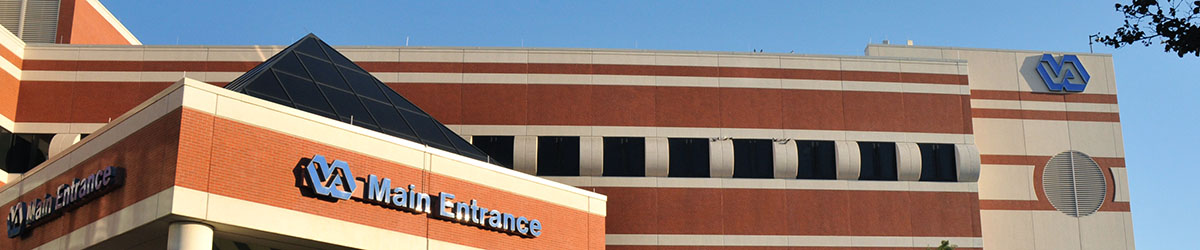
Dallas Veterans Affairs Medical Center
The Dallas Veterans Affairs Medical Center is located 20 minutes (13 miles) from Parkland. It operates 853 beds, including a 16-bed coronary care unit. The hospital serves the populous North Texas area, including Dallas and Fort Worth, as well as outlying VA centers and community hospitals who refer patients with complex cardiac disease for advanced care.
The Dallas VA has one of the VA system's busiest cardiac catheterization laboratories and is a leader in VA-sponsored multicenter clinical trials. It also has one of the VA's largest electrophysiology referral bases, with high volumes of complex ablations as well as standard EP procedures. It also serves as a key continuity clinic for our fellows.
- Curriculum and Conferences
Curriculum
Completion of the core curriculum satisfies certification requirements of the American Board of Internal Medicine (ABIM), as well as those of the American College of Cardiology/American Heart Association (ACC/AHA) Task Force on Clinical Privileges in Cardiology. After completing the 2-year core curriculum, each fellow pursues an individualized plan for clinical and research training that meets their unique career goals.
Conferences
We offer didactic clinical conferences to develop skills necessary for the practice of cardiology, as well as for successful academic careers.
Weekly
- Cardiology Clinical Conference
- EP Journal Club/Research Conference
- Fellows Cath Lab Conference
- Fellows Didactic Lecture
- Fellows Research Conference
- Interventional Cardiology Conference
- Journal Club
- Noninvasive Imaging Conference
- VA Combined Cardiology/Cardiothoracic Surgery Conference
Bi-weekly
- EKG Conference
- Fellows Case Conference
- Heart Failure Transplantation Conference
Monthly
- Cardiology Grand Rounds
Program Contacts
Program Director, Fellowship Training Program
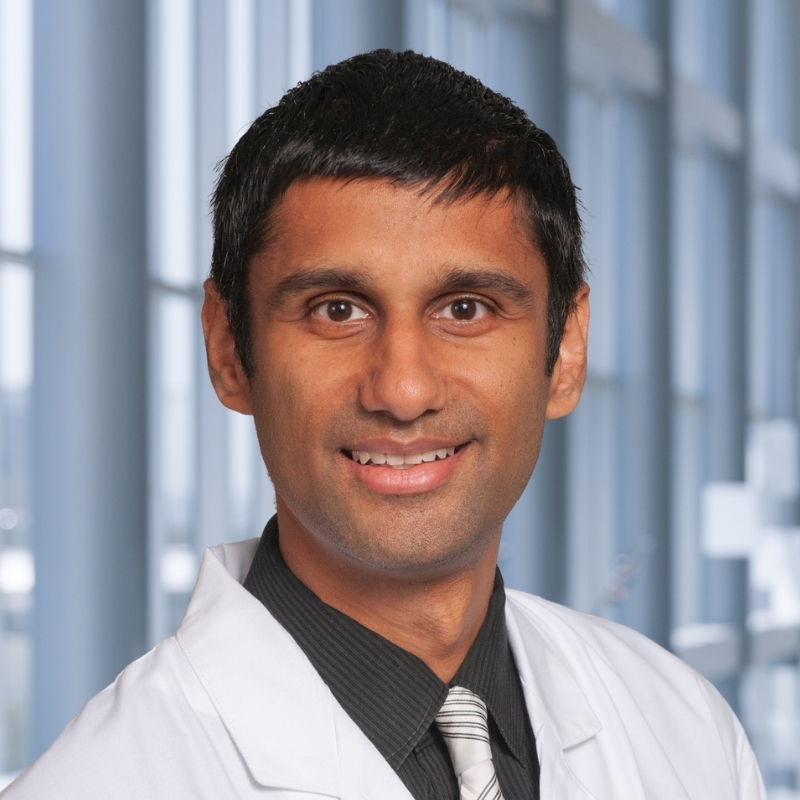
Associate Program Director
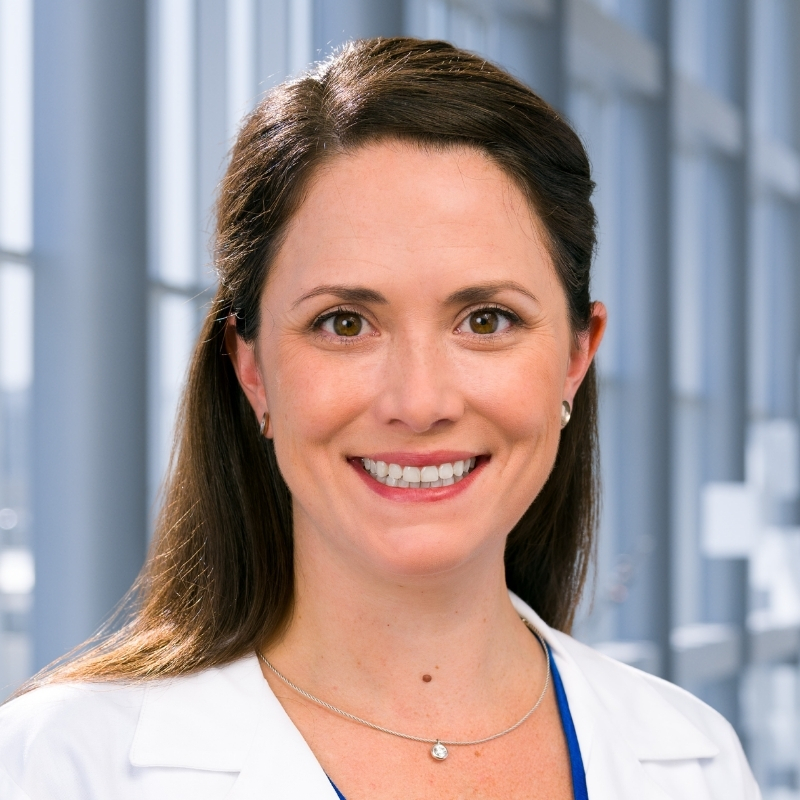
Assistant Director, Academic Development
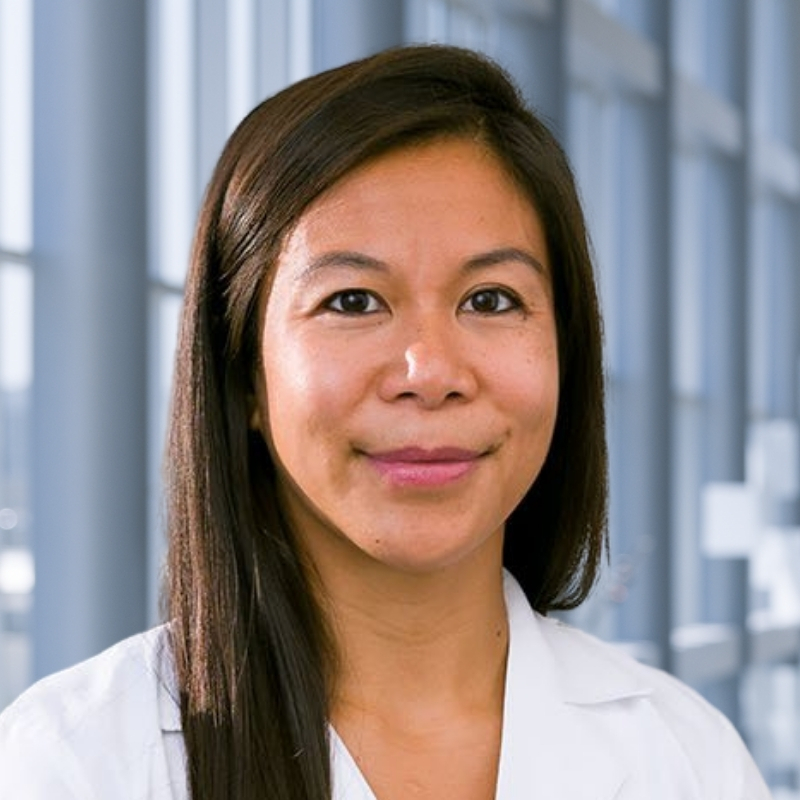
Assistant Director, Mentorship and Recruitment
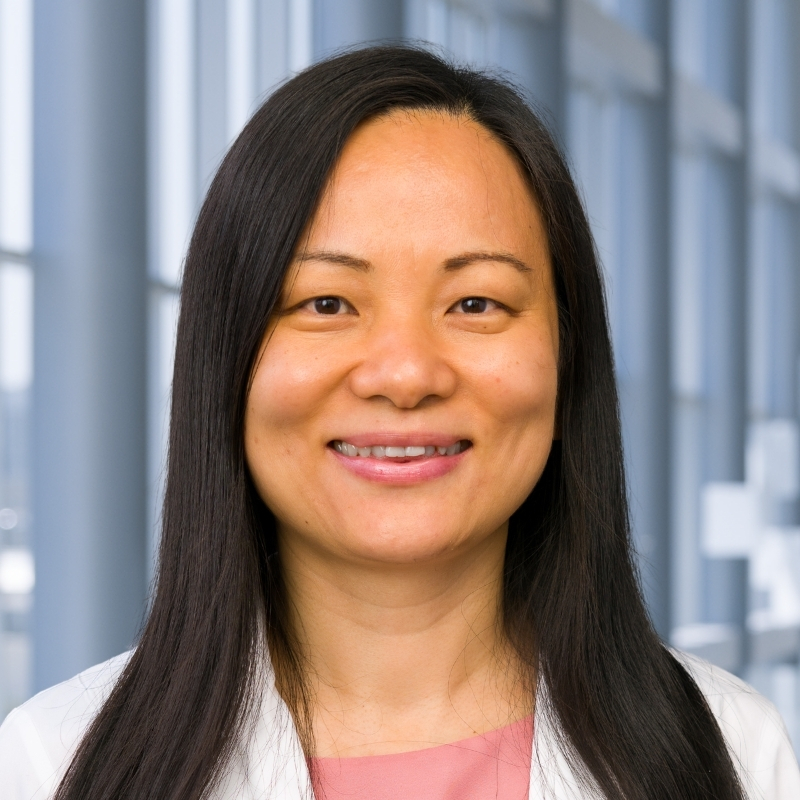
Dan "Amanda" Tong, M.D., Ph.D.
Assistant Director, Physician Scientist Program