
Search
Food-as-medicine trial shows promise for heart failure patients: Newsroom - UT Southwestern, Dallas, Texas
https://www.utsouthwestern.edu/newsroom/articles/year-2026/april-food-as-medicine-trial.html

A clinical trial led by UT Southwestern Medical Center researchers demonstrates that providing healthy food directly to patients recovering from heart failure is feasible and well accepted – and could improve quality of life – helping build a foundation for larger studies exploring food as a
Neurons in brain’s timekeeper might control nighttime hunger: Newsroom - UT Southwestern, Dallas, Texas
https://www.utsouthwestern.edu/newsroom/articles/year-2025/oct-neurons-brain-timekeeper.html
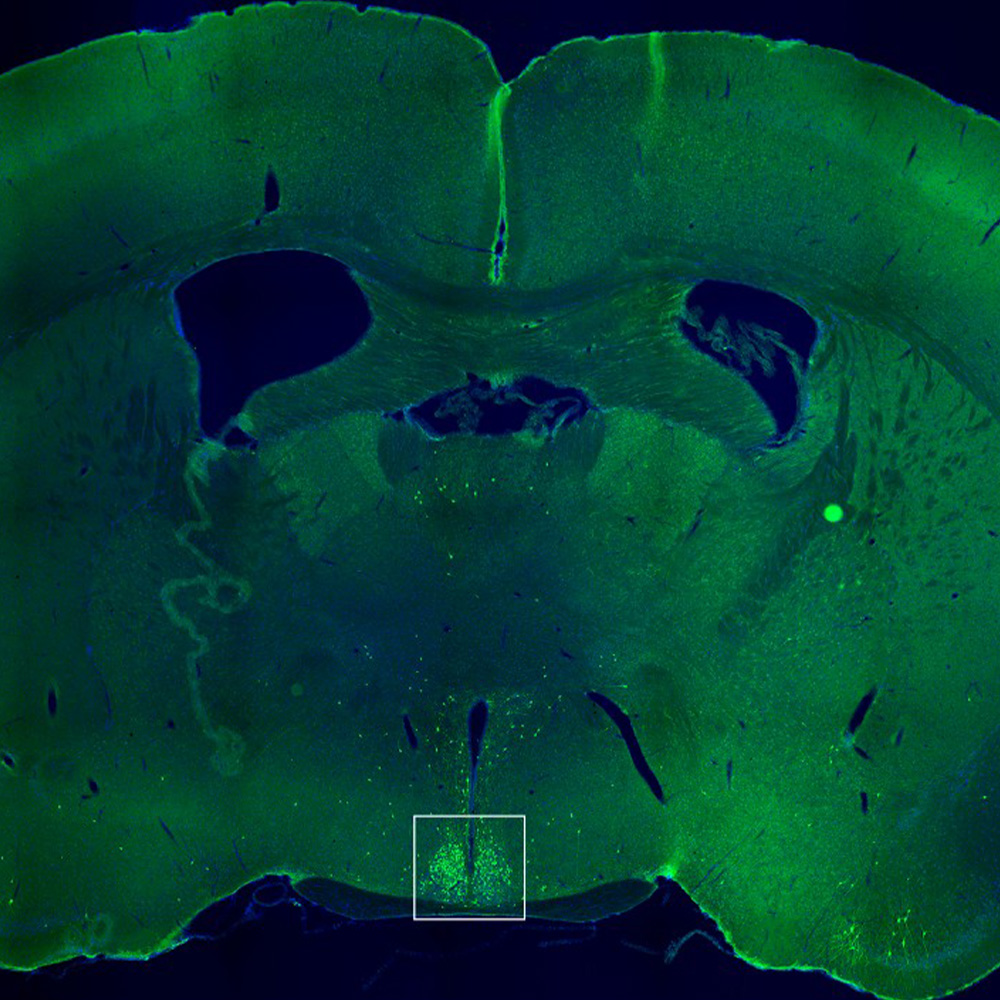
Activating specific neurons in a part of the brain that serves as the body’s master circadian pacemaker caused mice to eat significantly more during a time of day when they would normally be at rest, a UT Southwestern Medical Center study shows.
Study finds new approach to lowering blood pressure: Newsroom - UT Southwestern, Dallas, Texas
https://www.utsouthwestern.edu/newsroom/articles/year-2026/april-controlling-hypertension.html
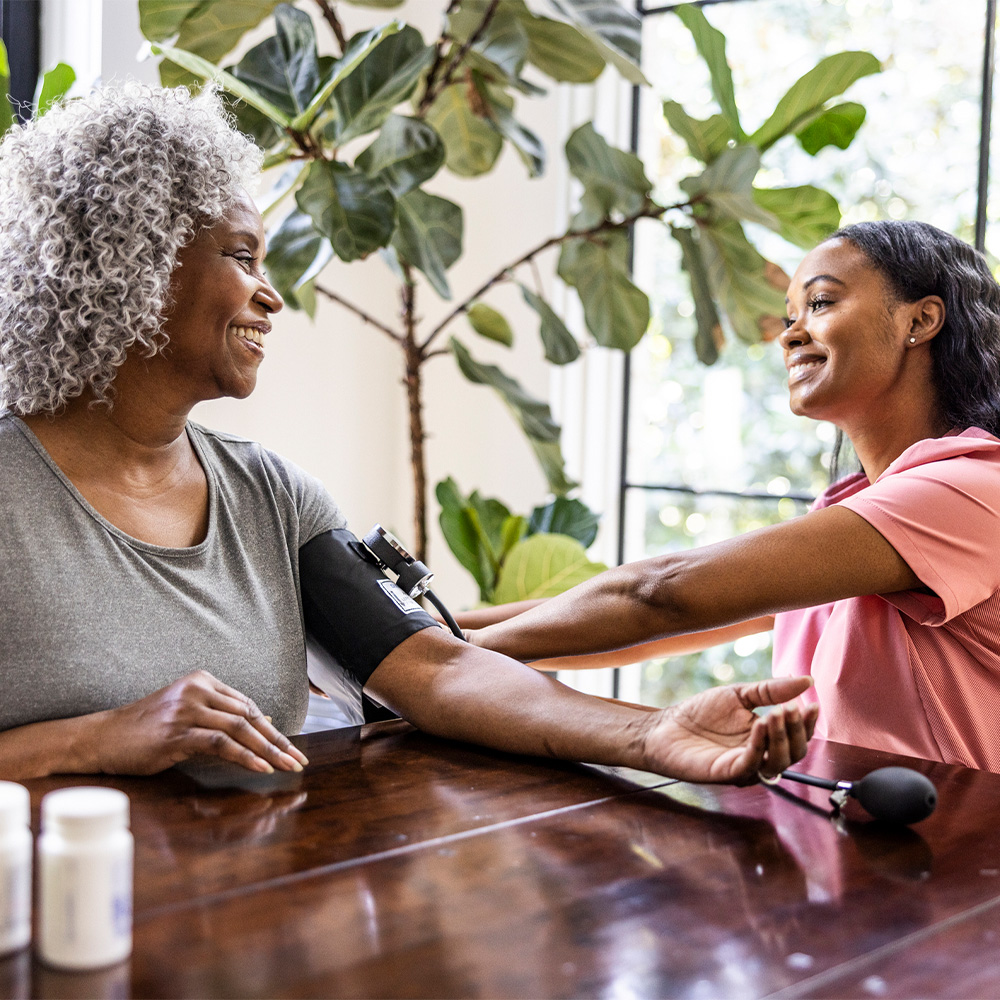
A multifaceted, team-based care strategy significantly reduced blood pressure (BP) in low-income patients with uncontrolled hypertension, according to a study led by researchers at UT Southwestern Medical Center.
Study finds gaps in concussion reporting across Texas high schools: Newsroom - UT Southwestern, Dallas, Texas
https://www.utsouthwestern.edu/newsroom/articles/year-2026/feb-concussion-reporting-across-texas-high-schools.html

Fewer concussions were reported among Texas high school athletes and students in urban and lower-income districts than in higher-income suburban districts despite larger enrollments, UT Southwestern Medical Center researchers found in a study.
UTSW researchers boost the power of CAR T cells to fight cancer : Newsroom - UT Southwestern, Dallas, Texas
https://www.utsouthwestern.edu/newsroom/articles/year-2026/jan-car-t-cell-to-fight-cancer.html
UT Southwestern Medical Center researchers have discovered that increasing the levels of a protein called BACH2 makes engineered cancer-fighting immune cells behave more like stem cells, improving their therapeutic effectiveness.
Experimental pill dramatically reduces ‘bad’ cholesterol: Newsroom - UT Southwestern, Dallas, Texas
https://www.utsouthwestern.edu/newsroom/articles/year-2026/feb-experimental-pill-bad-cholesterol.html

An experimental pill called enlicitide slashed levels of low-density lipoprotein (LDL) cholesterol, commonly known as “bad” cholesterol, by up to 60%, a new phase three clinical trial published in The New England Journal of Medicine showed.
UT Southwestern receives INSIGHT into Diversity HEED Award : Newsroom - UT Southwestern, Dallas, Texas
https://www.utsouthwestern.edu/newsroom/articles/year-2020/heed.html
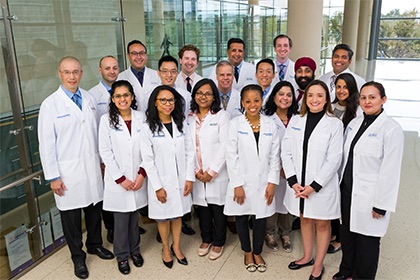
UT Southwestern has received the 2020 Health Professions Higher Education Excellence in Diversity (HEED) Award from INSIGHT Into Diversity magazine, the oldest and largest diversity-focused publication in higher education.
News Releases: Newsroom - UT Southwestern, Dallas, TX
https://www.utsouthwestern.edu/newsroom/articles/
Read past stories about the extraordinary work being done and the passionate people behind it.
Tool may identify more patients who could benefit from parathyroid surgery: Newsroom - UT Southwestern, Dallas, Texas
https://www.utsouthwestern.edu/newsroom/articles/year-2026/march-tool-parathyroid-surgery.html
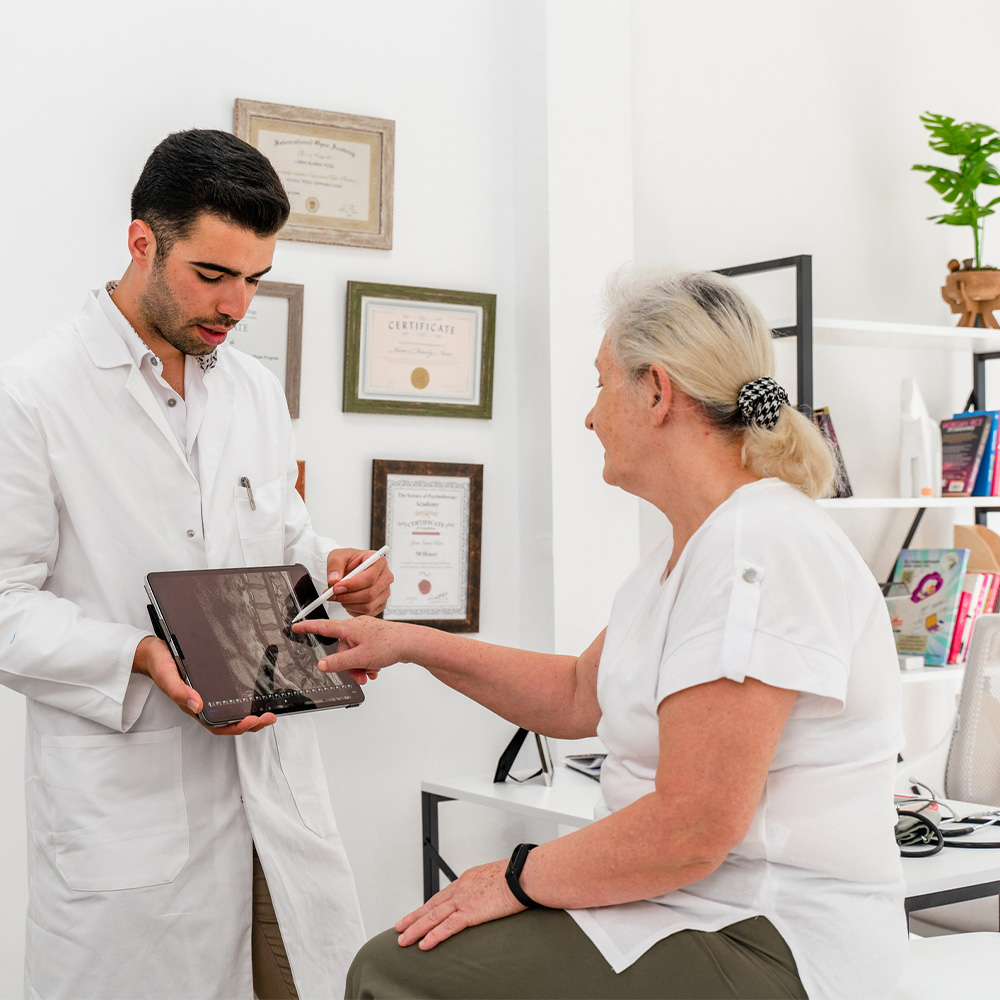
– A widely used fracture risk calculator may help guide surgical decisions to treat patients with an endocrine disorder called primary hyperparathyroidism (PHPT) that causes progressive bone loss, according to a study led by UT Southwestern Medical Center researchers.
Changes in circadian rhythms linked to higher dementia risk: Newsroom - UT Southwestern, Dallas, Texas
https://www.utsouthwestern.edu/newsroom/articles/year-2026/jan-circadian-rhythms-higher-dementia-risk.html

Disruptions in patterns of daily activity and rest may provide early clues to heightened dementia risk, a study co-led by a UT Southwestern Medical Center scientist found.