
Tool may identify more patients who could benefit from parathyroid surgery
UTSW-led study finds widely used calculator may help spot fracture risk in patients who don’t meet current surgical guidelines
DALLAS – March 19, 2026 – A widely used fracture risk calculator may help guide surgical decisions to treat patients with an endocrine disorder called primary hyperparathyroidism (PHPT) that causes progressive bone loss, according to a study led by UT Southwestern Medical Center researchers. The findings, published in JAMA Network Open, suggest the Fracture Risk Assessment Tool (FRAX) could be used to identify patients who may benefit from a parathyroidectomy to potentially prevent fractures.
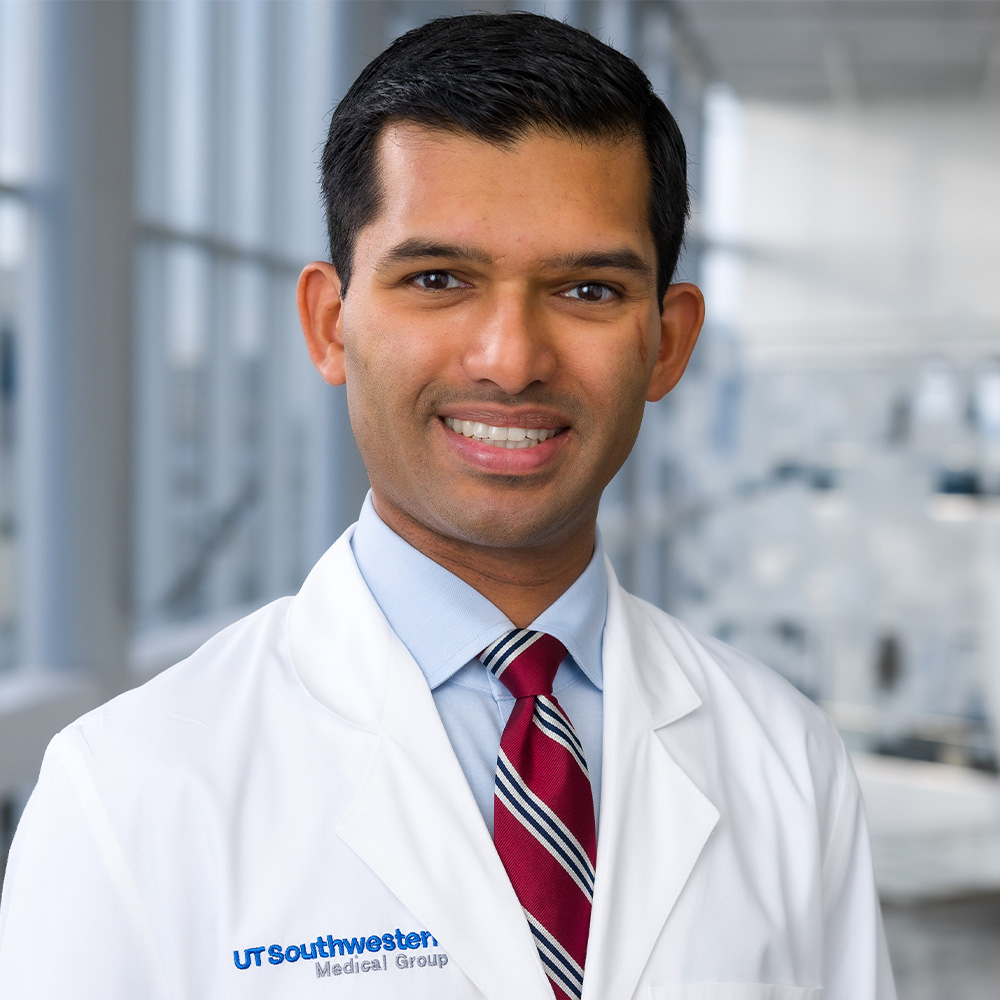
“The study provides the first large-scale validation of FRAX in primary hyperparathyroidism and reframes fracture prevention as a quantifiable, risk-based outcome for surgical decision-making rather than relying solely on bone density thresholds,” said lead author Vivek Sant, M.D., Assistant Professor of Surgery at UT Southwestern.
PHPT affects nearly 3 million Americans and occurs when the parathyroid glands produce an excess amount of hormones, raising blood calcium levels and weakening bones over time. The condition can increase the risk of fragility fractures, particularly in older adults and postmenopausal women. Although parathyroidectomy – surgery to remove the overactive parathyroid gland or glands – is the only curative treatment, determining who should undergo the procedure can be challenging.
To investigate whether FRAX could help guide treatment decisions, UTSW researchers identified 59,194 adults ages 40 to 90 from a national database who were diagnosed with PHPT between 2000 and 2024. About one-quarter of patients underwent parathyroidectomy, while the remainder were treated without surgery.
In a retrospective analysis of the data, FRAX assigned a score to predict a patient’s risk of fractures. Researchers found FRAX performed reasonably well in identifying which patients with PHPT would benefit from parathyroidectomy, even when bone mineral density data were not available. Compared with nonsurgical management, parathyroidectomy was associated with lower fracture risk when patients’ FRAX scores reached relatively modest levels.
The analysis also found that many patients who do not meet current guideline-based criteria for surgery may still exceed these risk thresholds. Among patients who did not meet traditional surgical criteria, 25% had FRAX hip fracture scores above the level associated with fracture reduction after surgery.
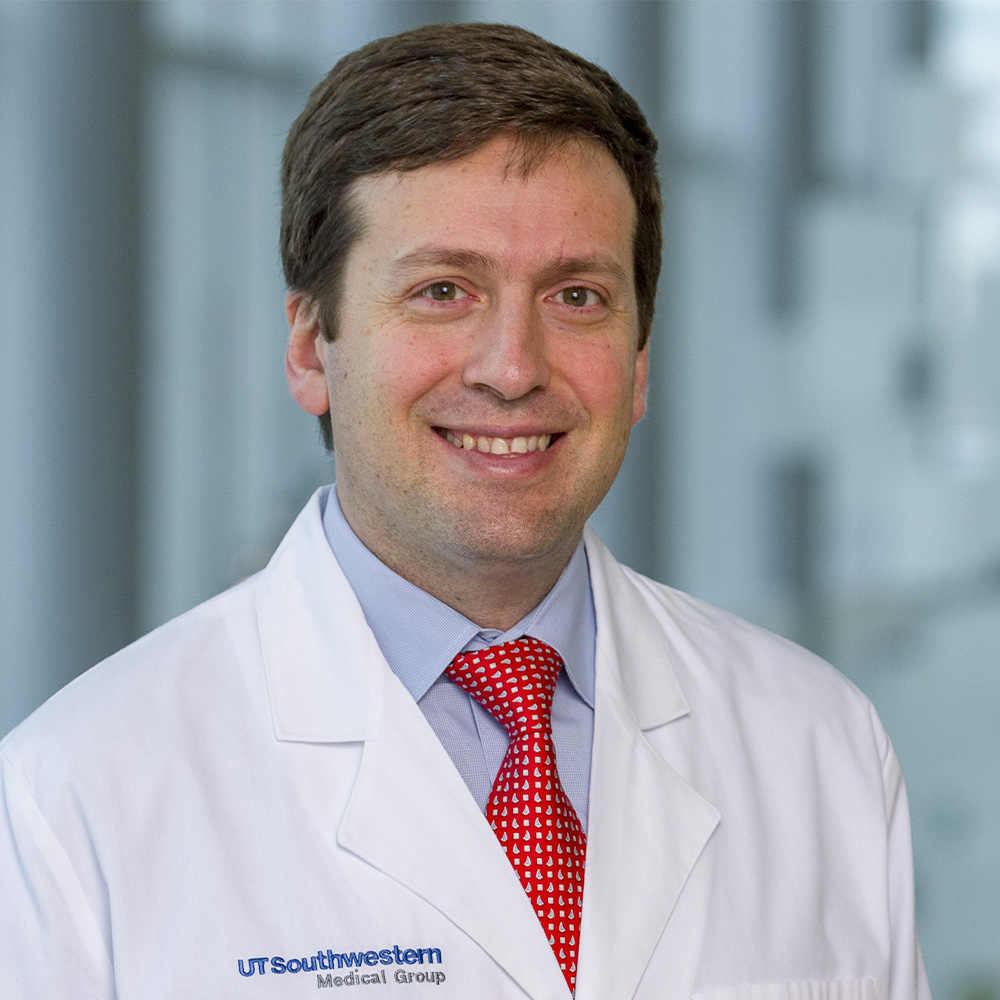
“These findings give clinicians a practical, widely available tool to personalize discussions about surgery, enabling more informed shared decision-making,” said senior author Naim Maalouf, M.D., Professor of Internal Medicine and Associate Director of the Charles and Jane Pak Center for Mineral Metabolism and Clinical Research at UT Southwestern.
The study builds on previous work at UTSW examining fracture outcomes in patients with PHPT and adds new evidence supporting risk-based approaches to surgical care.
Other UTSW researchers who contributed to this study are Yaser ElNakieb, Ph.D., Senior Data Scientist; Justin Rousseau, M.D., M.M.Sc., Associate Professor of Neurology and in the Peter O’Donnell Jr. Brain Institute and Deputy Chief Medical Informatics Officer for Neurosciences; Yu-Lun Liu, Ph.D., Associate Professor in the Peter O’Donnell Jr. School of Public Health; and Craig Rubin, M.D., Professor Emeritus of Internal Medicine.
Dr. Maalouf holds The Frederic C. Bartter Professorship in Vitamin D Research. He is a member of the Harold C. Simmons Comprehensive Cancer Center.
The study was supported by the American Association of Endocrine Surgeons Foundation Paul LoGerfo Research Award and the National Center for Advancing Translational Sciences of the National Institutes of Health.
About UT Southwestern Medical Center
UT Southwestern, one of the nation’s premier academic medical centers, integrates pioneering biomedical research with exceptional clinical care and education. The institution’s faculty members have received six Nobel Prizes and include 24 members of the National Academy of Sciences, 25 members of the National Academy of Medicine, and 13 Howard Hughes Medical Institute Investigators. The full-time faculty of more than 3,300 is responsible for groundbreaking medical advances and is committed to translating science-driven research quickly to new clinical treatments. UT Southwestern physicians in more than 80 specialties care for more than 143,000 hospitalized patients, attend to more than 470,000 emergency room cases, and oversee nearly 5.3 million outpatient visits a year.