
Study finds gaps in concussion reporting across Texas high schools
Socioeconomic differences, awareness, and access to resources may be factors, UTSW researchers say
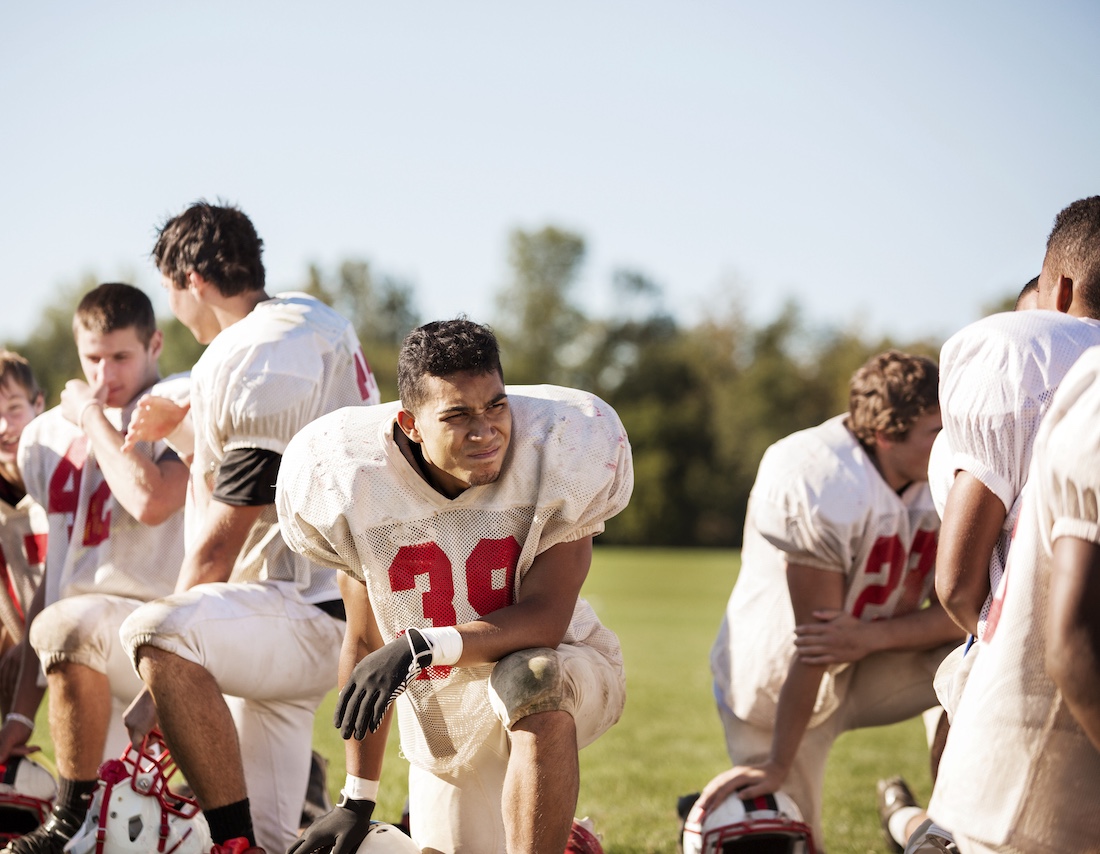
DALLAS – Feb. 11, 2026 – Fewer concussions were reported among Texas high school athletes and students in urban and lower-income districts than in higher-income suburban districts despite larger enrollments, UT Southwestern Medical Center researchers found in a study.
The research, published in Sage Open Pediatrics, was based on data collected through the statewide ConTex2 project led by UT Southwestern and the Medical Advisory Committee of the University Interscholastic League (UIL) in Texas and Rank One, a school activities management platform.
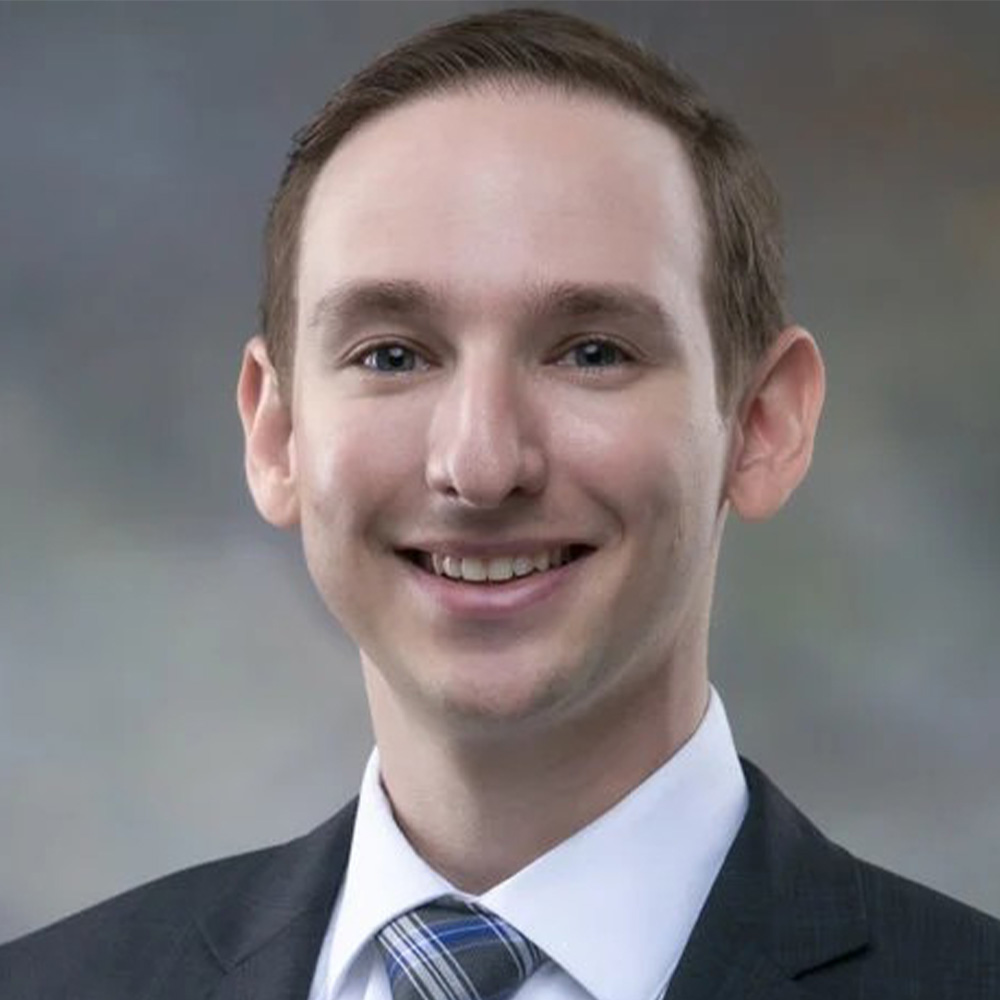
“Concussions are a major issue, with an estimated 15% of school athletes experiencing a concussion at some point that disrupts daily life and academic performance,” said senior author Mathew Stokes, M.D., Assistant Professor of Pediatrics and Neurology at UT Southwestern. “While reporting differences are likely multifactorial, our findings suggest that differences in concussion awareness and access to resources such as medical personnel, athletic trainers, and protective equipment may contribute.”
Researchers analyzed more than 6,300 concussion cases reported by high school athletes as well as participants in activities such as marching band and cheerleading in grades 9-12. All Texas schools participating in the UIL are encouraged to report concussion data to the ConTex2 data portal, while all 6A high schools, the state’s largest, are mandated to report.
The analysis included data covering age, gender, grade, sport, mechanism of the injury, school, and district. The schools involved were segmented by socioeconomic classification and geographic location (urban, suburban, town, or rural). While the study analyzed discrepancies in how concussions are identified and reported, it did not quantify the true frequency of concussions occurring within the high school athlete population.
Concussions were reported less frequently in lower-income areas of Dallas-Fort Worth (in Dallas, Tarrant, Collin, Denton, and Rockwall counties), suggesting that financial disparities and resource availability may affect concussion reporting. Activities that had statistically significant differences between urban and suburban schools included cheerleading, cross country, softball, and marching band.
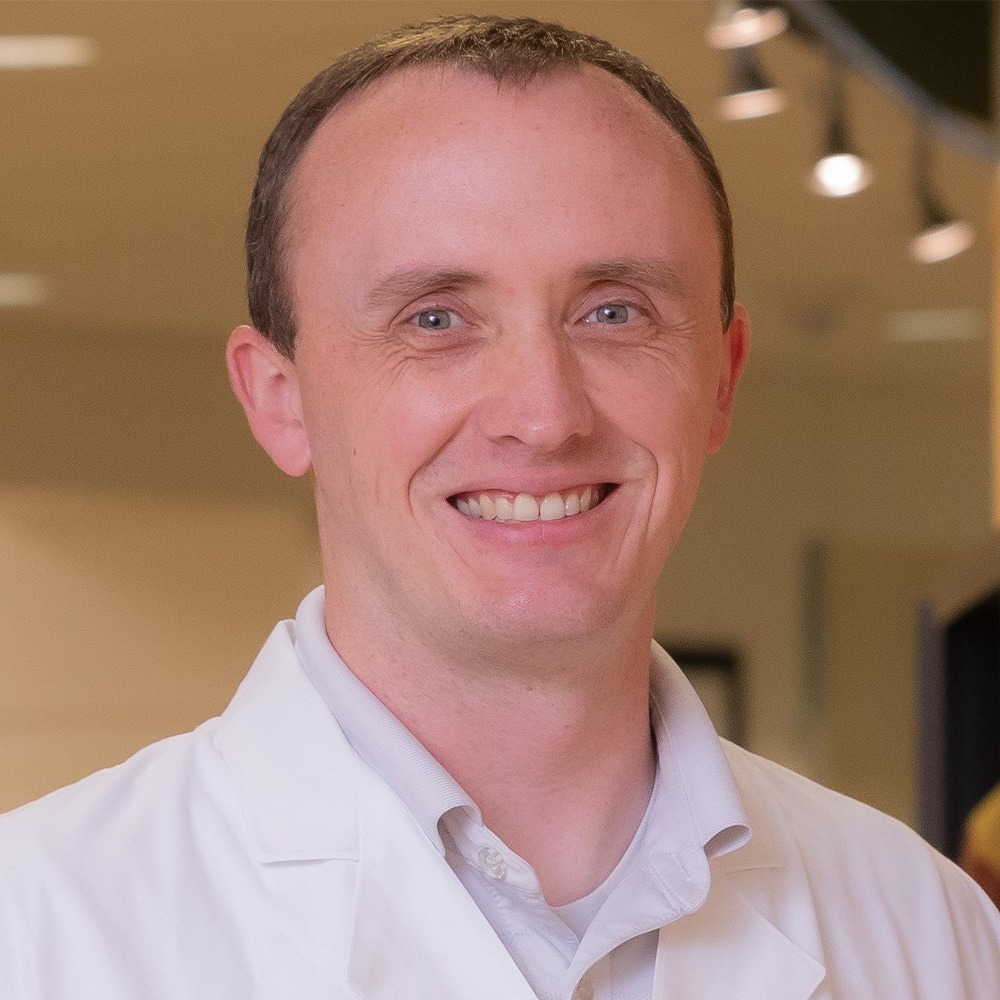
“While the differences were small between high socioeconomic and low socioeconomic districts in popular sports such as football, they were far more pronounced in smaller sports with fewer participants, such as wrestling, cross country, and swimming and diving, as well as activities such as drill team and band,” said co-author Joshua Beitchman, M.D., M.B.S., a clinical resident in Pediatric Neurology at UT Southwestern. “This points to awareness and resource allocation as an issue, as lower-resourced districts may struggle to provide awareness training and on-site medical coverage for smaller sports.”
The research builds on previous studies at UT Southwestern utilizing the statewide North Texas Concussion Registry (ConTex), which captures longitudinal data on concussions at Texas high schools across the lifespan. UTSW launched the ongoing ConTex registry in 2015.

“One of the best ways we can improve safety for young athletes is providing equitable access to concussion awareness and medical resources, regardless of where or what they play,” said C. Munro Cullum, Ph.D., Professor of Psychiatry, Neurology, and Neurological Surgery at UTSW and Principal Investigator for ConTex. “Unrecognized or unreported concussions can delay treatment and increase the risk of prolonged symptoms, academic difficulties, and repeat injury. Our goal is to improve recognition and reporting so these athletes can receive timely, individualized care and reduce the long-term impacts of their injury.”
Other UTSW researchers who contributed to this study are first author Sarah Bivans, M.D., Pediatrics resident, and Cason Hicks, M.S., Lead Clinical Research Coordinator in the Cullum Lab.
Dr. Cullum holds the Pam Blumenthal Distinguished Professorship in Clinical Psychology and is an Investigator in the Peter O’Donnell Jr. Brain Institute.
This work was partially funded by ConTex, the Texas Institute for Brain Injury and Repair (TIBIR) at UTSW, and the O’Donnell Brain Institute. Ongoing research that builds off these findings includes the Care4Kids study funded by the National Institutes of Health-National Institute of Neurological Disorders and Stroke (U54NS121688-01).
About UT Southwestern Medical Center
UT Southwestern, one of the nation’s premier academic medical centers, integrates pioneering biomedical research with exceptional clinical care and education. The institution’s faculty members have received six Nobel Prizes and include 28 members of the National Academy of Sciences, 26 members of the National Academy of Medicine, and 14 Howard Hughes Medical Institute Investigators. The full-time faculty of nearly 3,400 is responsible for groundbreaking medical advances and is committed to translating science-driven research quickly to new clinical treatments. UT Southwestern physicians in more than 80 specialties care for more than 143,000 hospitalized patients, attend to more than 470,000 emergency room cases, and oversee nearly 5.3 million outpatient visits a year.