
Food-as-medicine trial shows promise for heart failure patients
UTSW-led clinical study fosters strong acceptance, quality of life gains, laying groundwork for larger trials

DALLAS – April 08, 2026 – A clinical trial led by UT Southwestern Medical Center researchers demonstrates that providing healthy food directly to patients recovering from heart failure is feasible and well accepted – and could improve quality of life – helping build a foundation for larger studies exploring food as a component of medical care.
The randomized clinical trial, known as FOOD-HF and published in JAMA Cardiology, evaluated two food-as-medicine strategies – medically tailored meals and fresh produce boxes – among patients recently hospitalized for heart failure. While the effort was not associated with a reduction in short-term hospital readmissions or emergency department visits, the study offers important insights into how food-based initiatives can be implemented effectively in vulnerable patient populations, the authors said.
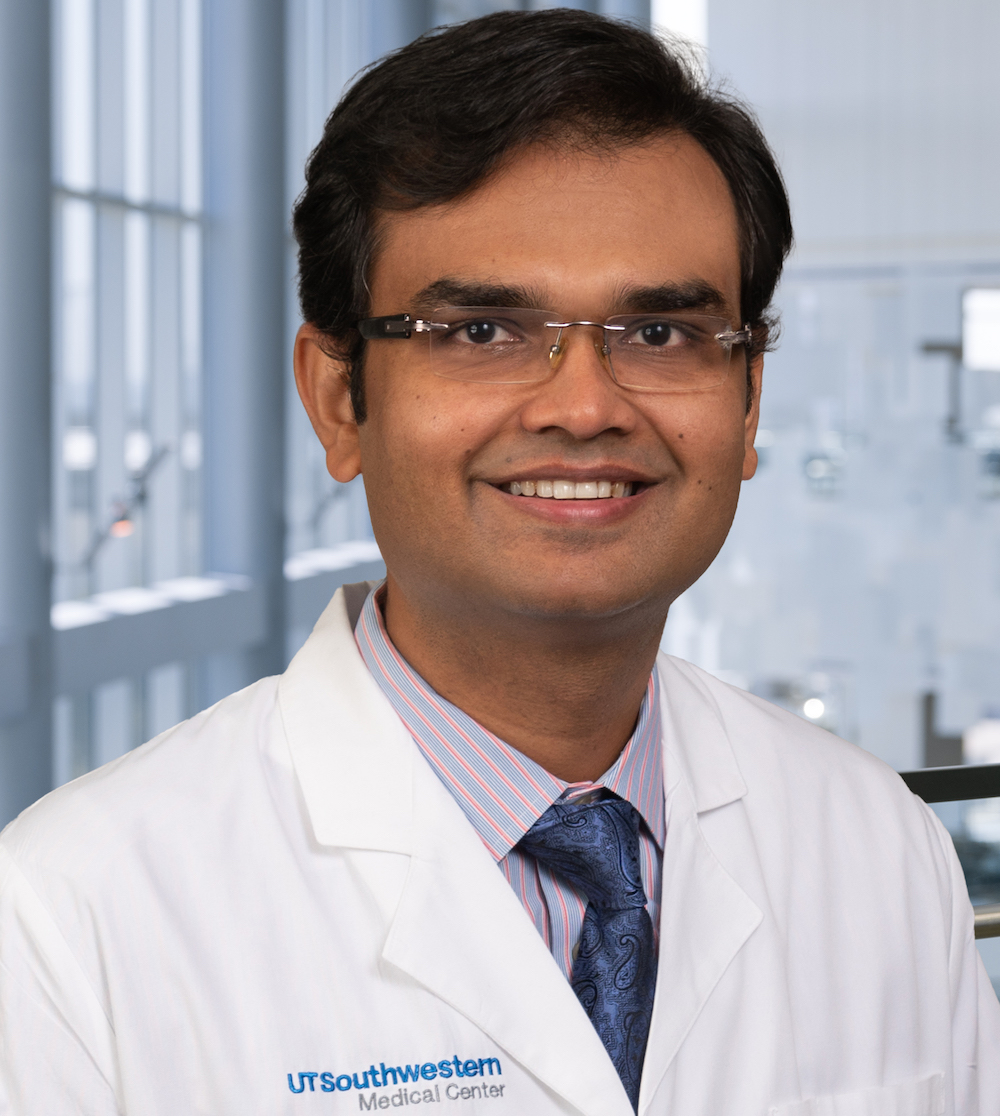
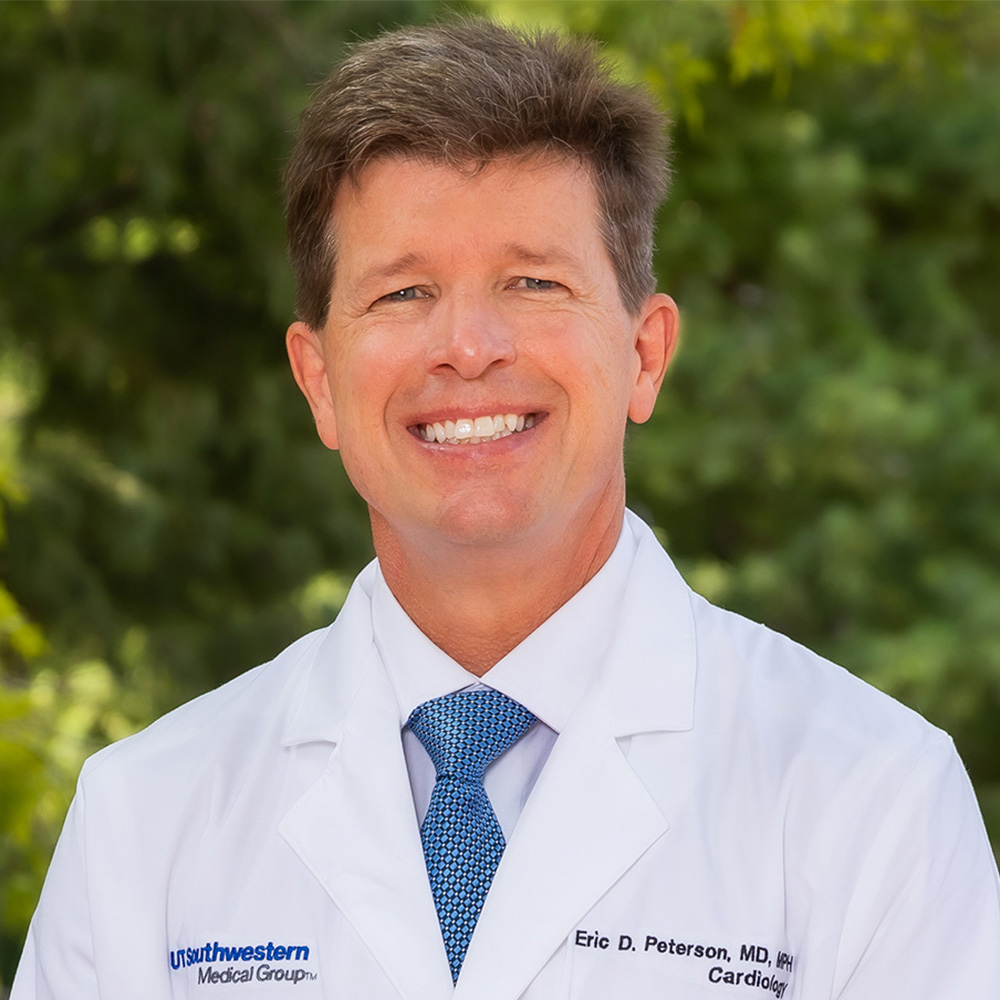
The study was co-led by Ambarish Pandey, M.D., Associate Professor of Internal Medicine in the Division of Cardiology and of Public Health at UT Southwestern, and Eric Peterson, M.D., M.P.H., Vice Provost and Senior Associate Dean for Clinical Research and Professor of Internal Medicine.
“This was designed as a pilot trial to answer a very practical question: Can we actually deliver food-as-medicine interventions to patients in the vulnerable period after a heart failure hospitalization – and will patients accept them?” Dr. Pandey said. “What we showed is that this approach is not only feasible, but patients also really valued it.”
Heart failure affects more than 6 million Americans and is a leading cause of hospitalization among older adults. The weeks following discharge are particularly risky, with patients often facing dietary challenges, medication complexity, and limited access to healthy food – especially those experiencing food insecurity.
In the FOOD-HF trial, 150 patients hospitalized for heart failure at UT Southwestern’s William P. Clements Jr. University Hospital and Parkland Memorial Hospital between April 2024 and October 2025 received medically tailored meals, fresh produce boxes, or usual care with dietary counseling alone for 90 days after discharge. Medically tailored meals are prepared through consultation with a registered dietitian to meet the nutritional needs of people with health conditions and/or activity limitations that make cooking difficult. Fresh produce boxes were selected based on dietitian input and included fruits, vegetables, and heart-healthy pantry staples, along with dietitian-provided recipes for home-based meal preparation.
Trial participants’ median age was 59.5 years; 53% identified as white, 42% as Black and 33% as being of Latino ethnicity. More than half reported food insecurity. Follow-up assessments took place four, eight, and 12 weeks after they left the hospital.
Food delivery completion exceeded 90% and patient retention topped 95%, demonstrating that structured food delivery programs can be successfully integrated into post-discharge care, the authors said. Participants receiving fresh produce reported higher satisfaction and adherence compared with those receiving fully prepared meals, suggesting flexibility and cultural food preferences may play an important role in patient engagement.
Although supplying food did not significantly reduce heart failure readmissions or emergency department visits during the follow-up period, researchers observed encouraging signs related to patient-reported health status. Participants were more likely to experience clinically meaningful improvements in quality of life, as measured by the Kansas City Cardiomyopathy Questionnaire.
“We did not expect a short, three-month pilot study to change hard clinical outcomes,” Dr. Pandey said. “But what stood out was that patients who received food support reported feeling better, with improvements in their health-related quality of life. That’s a critical outcome for people living with heart failure.”
Importantly, the study also tested whether linking food delivery to clinic attendance and medication refills would improve outcomes. While food supplementation did not reduce hospitalizations, the trial offered insights for future research into how behavioral incentives might support recovery after hospitalization, the authors said.
The FOOD-HF trial was conducted as part of the American Heart Association’s Health Care by Food initiative and represents one of the largest randomized food-as-medicine studies to date focused on patients recently hospitalized for heart failure.
“We are still early in building rigorous evidence for food as medicine, especially in heart failure,” Dr. Pandey said. “This trial helps establish a foundation for larger, longer-term studies that can test whether these initiatives can ultimately improve clinical outcomes while being delivered in real-world health care settings.”
UT Southwestern researchers plan to use these findings to help inform future multicenter trials with longer follow-up periods, larger patient populations, and continued emphasis on patient-centered outcomes.
Other UTSW researchers who contributed to this study are Neil Keshvani, M.D., Adjunct Assistant Professor of Internal Medicine; Juan Coellar Pauta, M.D., postdoctoral researcher; Anand Jain, B.S., Clinical Research Assistant; Myriam Bustillo-Rubio, M.D., postdoctoral researcher; and Syed Rizvi, M.D., research fellow, all members of the Cardiometabolic Research Unit.
Dr. Peterson holds the Adelyn and Edmund M. Hoffman Distinguished Chair in Medical Science.
About UT Southwestern Medical Center
UT Southwestern, one of the nation’s premier academic medical centers, integrates pioneering biomedical research with exceptional clinical care and education. The institution’s faculty members have received six Nobel Prizes and include 24 members of the National Academy of Sciences, 25 members of the National Academy of Medicine, and 13 Howard Hughes Medical Institute Investigators. The full-time faculty of nearly 3,400 is responsible for groundbreaking medical advances and is committed to translating science-driven research quickly to new clinical treatments. UT Southwestern physicians in more than 80 specialties care for more than 143,000 hospitalized patients, attend to more than 470,000 emergency room cases, and oversee nearly 5.3 million outpatient visits a year.
About Parkland Health
Parkland Health is one of the largest public hospital systems in the country. Premier services at the state-of-the-art Parkland Memorial Hospital include the Level I Rees-Jones Trauma Center, the only burn center in North Texas verified by the American Burn Association for adult and pediatric patients, and a Level III Neonatal Intensive Care Unit. The system also includes two on-campus outpatient clinics – the Ron J. Anderson, MD Clinic and the Moody Outpatient Center, as well as more than 30 community-based clinics and numerous outreach and education programs. By cultivating its diversity, inclusion, and health equity efforts, Parkland enriches the health and wellness of the communities it serves. For more information, visit parklandhealth.org.