
Search
New guidelines laid out to standardize swallowing fluoroscopy : Newsroom - UT Southwestern, Dallas, Texas
https://www.utsouthwestern.edu/newsroom/articles/year-2022/july-guidelines-swallowing-fluoroscopy.html
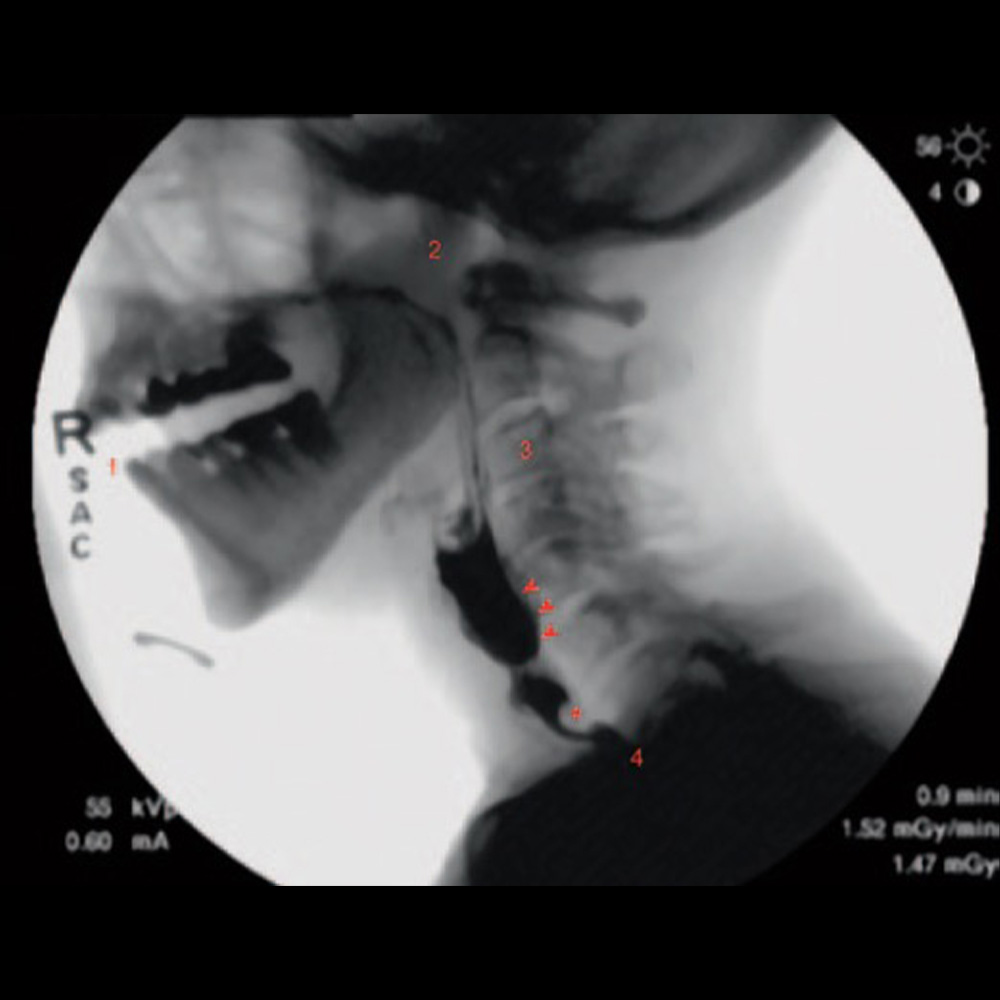
Swallowing fluoroscopy is the most common diagnostic test for patients with swallowing problems caused by conditions such as stroke, head and neck cancer, neurodegenerative disease, or prolonged intubation.
UT Southwestern detects first reported B.1.617.2 (Indian) variant in North Texas: Newsroom - UT Southwestern, Dallas, Texas
https://www.utsouthwestern.edu/newsroom/articles/year-2021/indian-variant-in-north-texas.html
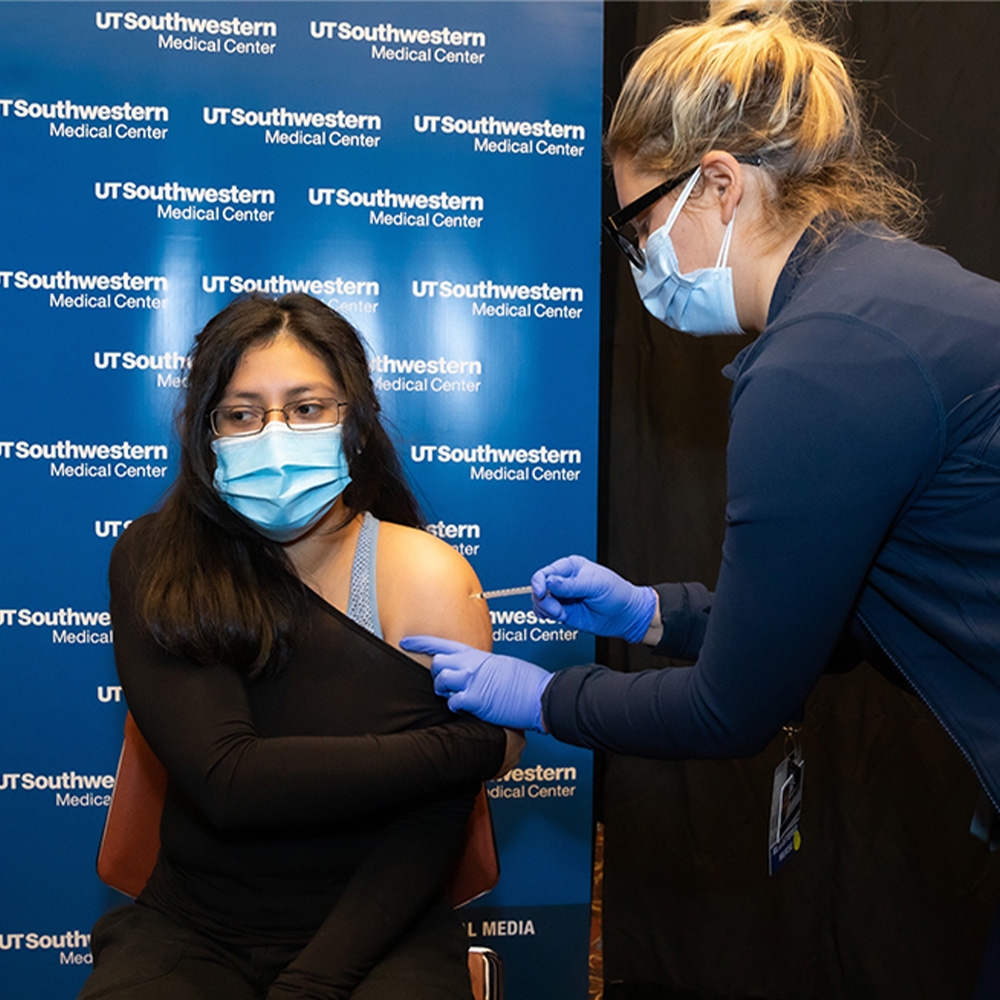
UT Southwestern Medical Center scientists have identified the first two cases of the B.1.617.2 (Indian origin) variant of COVID-19 infection in North Texas using next-generation sequencing technologies along with targeted PCR testing.
Artificial intelligence tools predict DNA’s regulatory role and 3D structure : Newsroom - UT Southwestern, Dallas, Texas
https://www.utsouthwestern.edu/newsroom/articles/year-2022/august-artificial-intelligence-tools.html
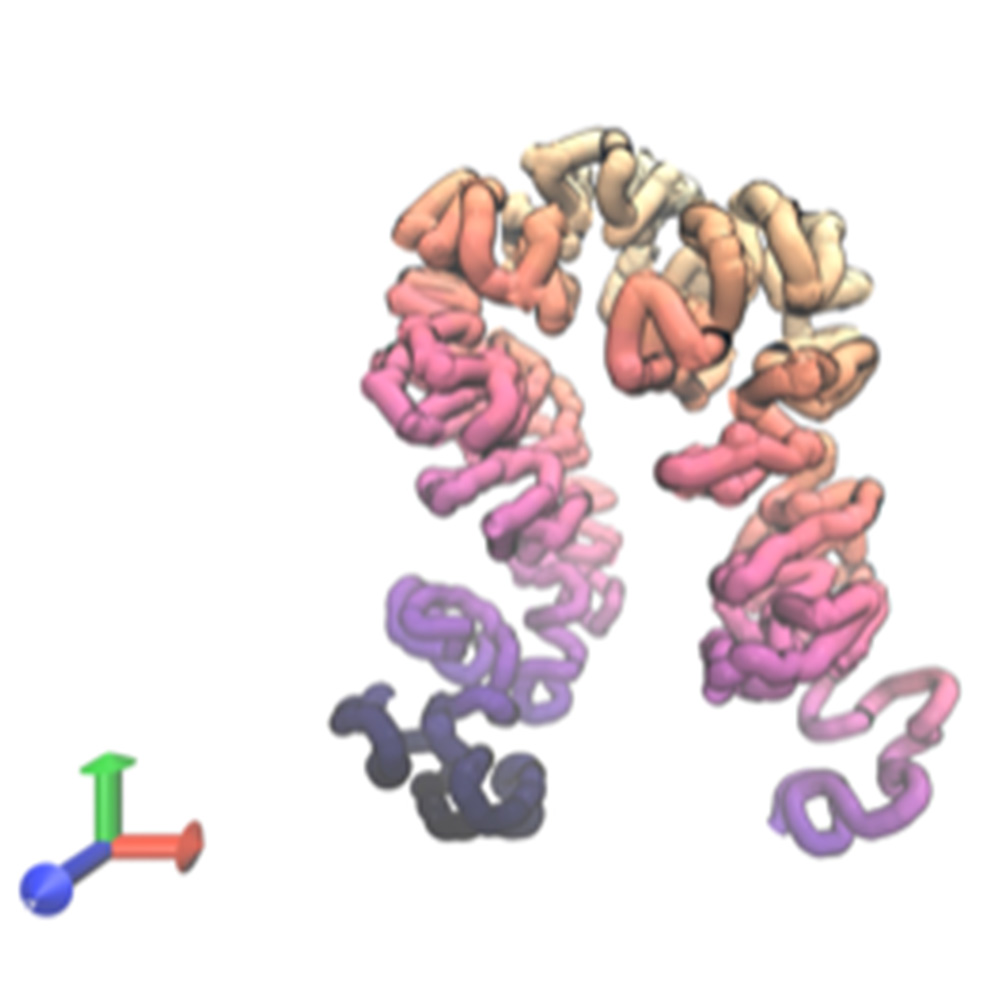
Newly developed artificial intelligence (AI) programs accurately predicted the role of DNA’s regulatory elements and three-dimensional (3D) structure based solely on its raw sequence, according to two recent studies in Nature Genetics.
Dominant form of heart failure caused by metabolic-immune interaction, review article suggests: Newsroom - UT Southwestern, Dallas, Texas
https://www.utsouthwestern.edu/newsroom/articles/year-2022/dominant-form-of-heart-failure.html
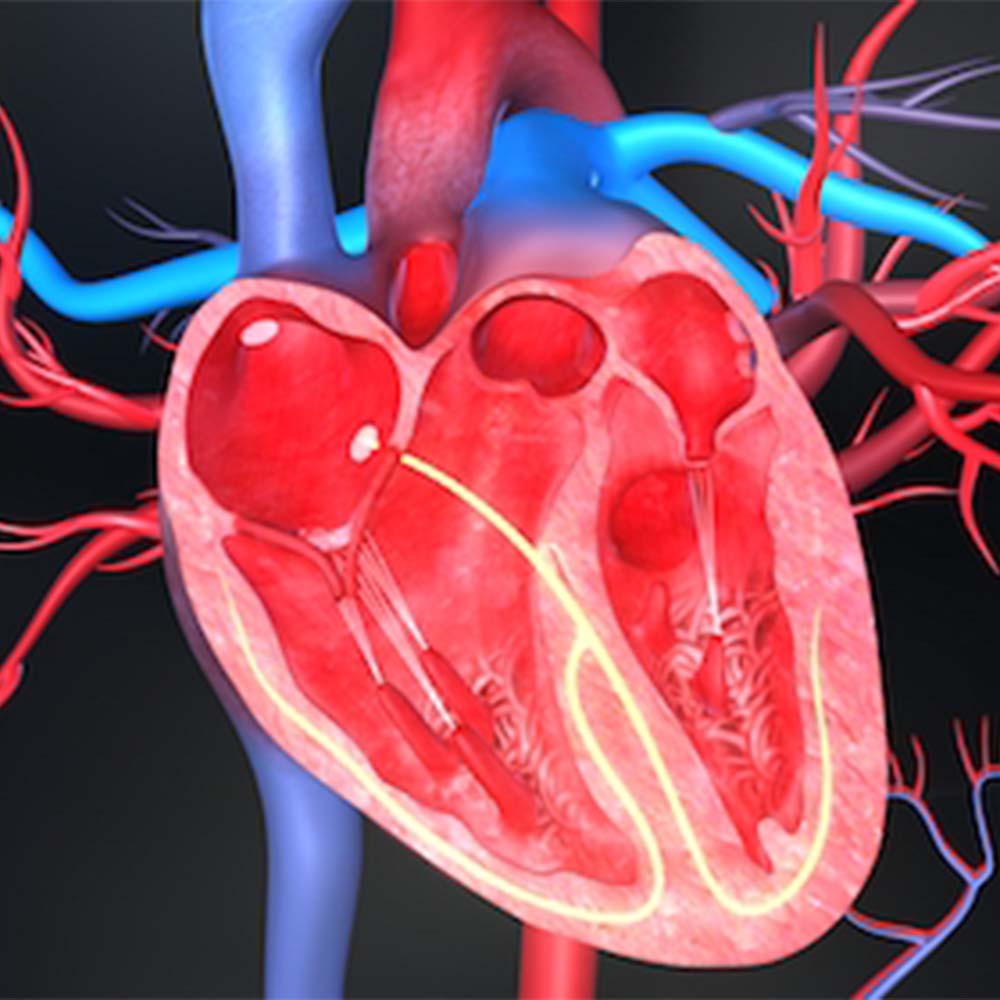
The dominant form of heart failure worldwide appears to be caused by a strong, bidirectional interaction between the body’s response to metabolic stress and the immune system, according to a review article written by UT Southwestern researchers and colleagues.
UT Southwestern, Scottish Rite for Children researchers study effects of pandemic on youth athletes : Newsroom - UT Southwestern, Dallas, Texas
https://www.utsouthwestern.edu/newsroom/articles/year-2022/effects-of-pandemic-on-youth-athletes.html

More teenage athletes experienced depression and anxiety during the early weeks of the pandemic, when COVID-19 restrictions curtailed sports activities, according to a survey of 600 child and adolescent athletes led by researchers at UT Southwestern and Scottish Rite for Children.
UT Southwestern diabetes expert recommends paradigm shift in treatment of Type 2 diabetes to focus on weight loss: Newsroom - UT Southwestern, Dallas, Texas
https://www.utsouthwestern.edu/newsroom/articles/year-2021/paradigm-shift-in-treatment-of-type-2-diabetes.html
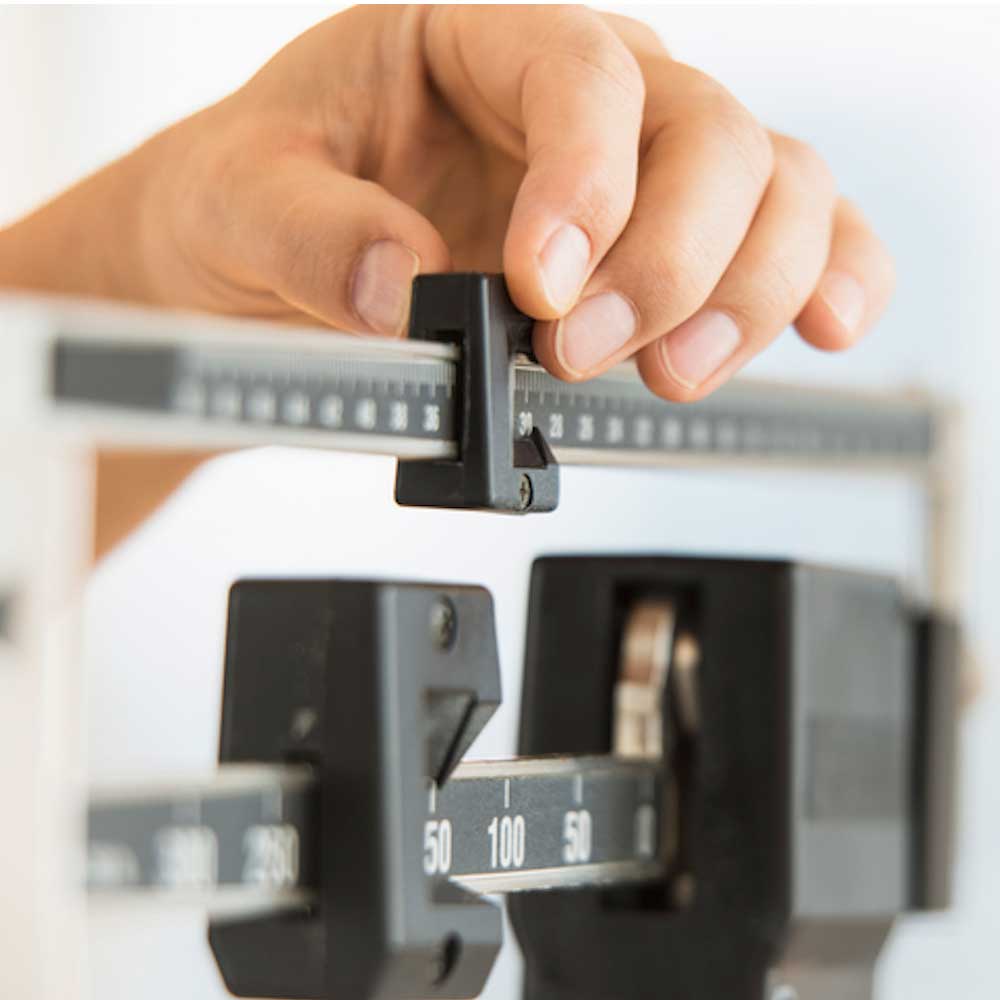
An international panel of experts from four renowned diabetes research centers, including UT Southwestern Medical Center, has reviewed current literature and is recommending a pivotal change in treatment of Type 2 diabetes to focus on obesity first and glucose control second.
Bacterial proteins shed light on antiviral immunity: Newsroom - UT Southwestern, Dallas, Texas
https://www.utsouthwestern.edu/newsroom/articles/year-2024/may-bacterial-proteins.html
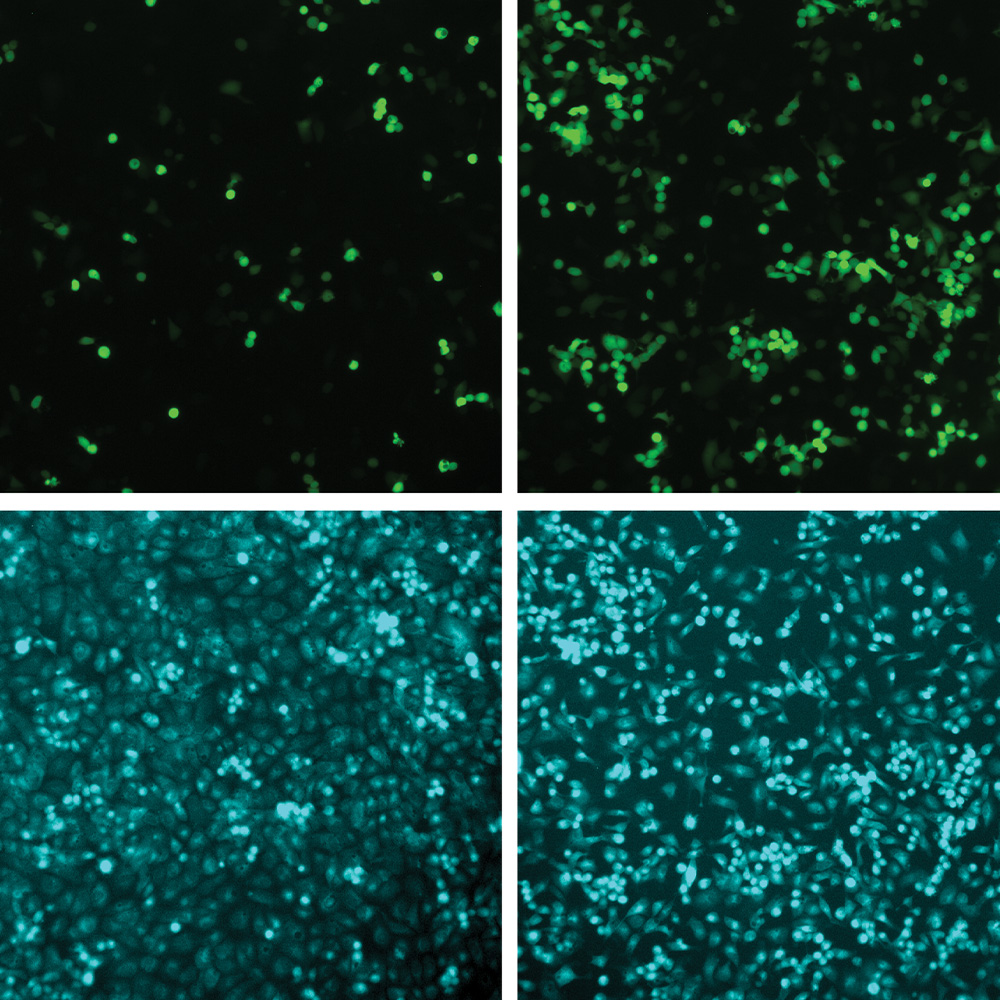
A unique collaboration between two UT Southwestern Medical Center labs – one that studies bacteria and another that studies viruses – has identified two immune proteins that appear key to fighting infections.
UTSW study reveals how key protein affects neuron structure: Newsroom - UT Southwestern, Dallas, Texas
https://www.utsouthwestern.edu/newsroom/articles/year-2024/sept-torsinA.html
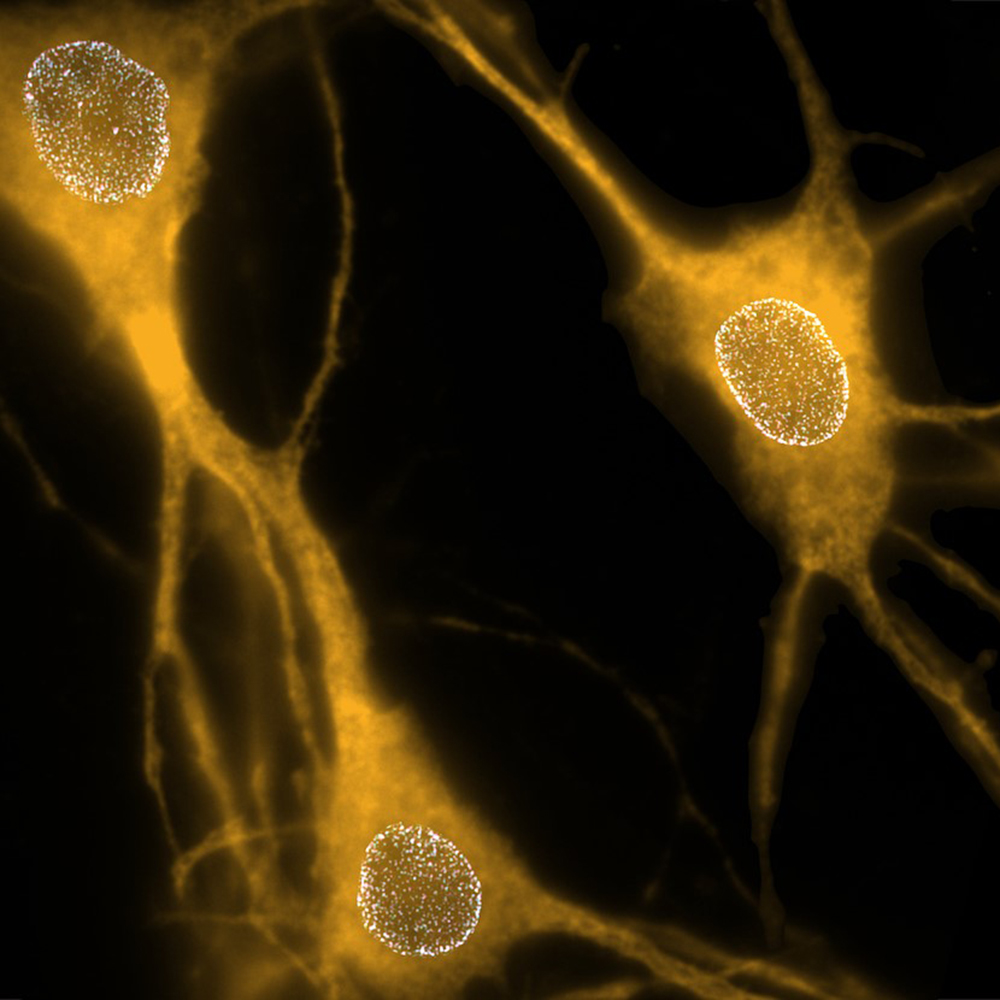
A protein called torsinA plays a key role in the early development of neurons, determining where nuclear pores are placed in the membrane that encloses the nucleus of nerve cells, a study led by UT Southwestern Medical Center researchers shows.
UTSW Research: Alcohol-associated liver disease, depression treatment, and more: Newsroom - UT Southwestern, Dallas, Texas
https://www.utsouthwestern.edu/newsroom/articles/year-2024/sept-research-roundup.html
Researchers have long known that outcomes for alcohol-associated liver disease (ALD) aren’t equal among all races and ethnicities in the U.S., but differences among these groups have been less clear.
3D-printed femurs may enhance biomechanical studies: Newsroom - UT Southwestern, Dallas, Texas
https://www.utsouthwestern.edu/newsroom/articles/year-2024/oct-3d-printed-femurs.html
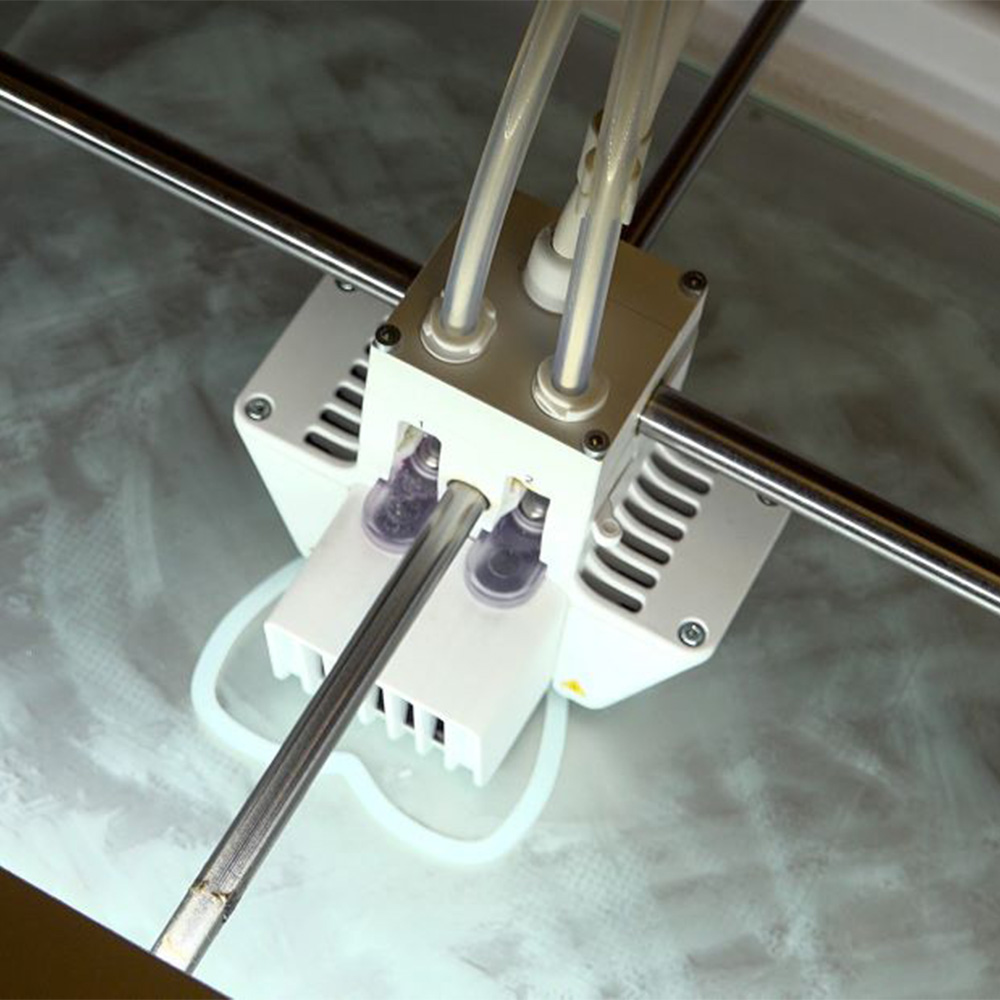
Researchers at UT Southwestern Medical Center have developed a breakthrough three-dimensional (3D) printing technique for generating realistic models of the human femur that could make it easier and less expensive to conduct biomechanical research.