
One in 5 Americans with diabetes don’t know they have it – here’s how to prevent it

DALLAS – May 9, 2022 – A healthy diet, regular exercise, and sufficient sleep can help prevent the onset of diabetes, a condition affecting more than 37 million Americans, according to Bethany Agusala, M.D., Assistant Professor of Internal Medicine at UT Southwestern.
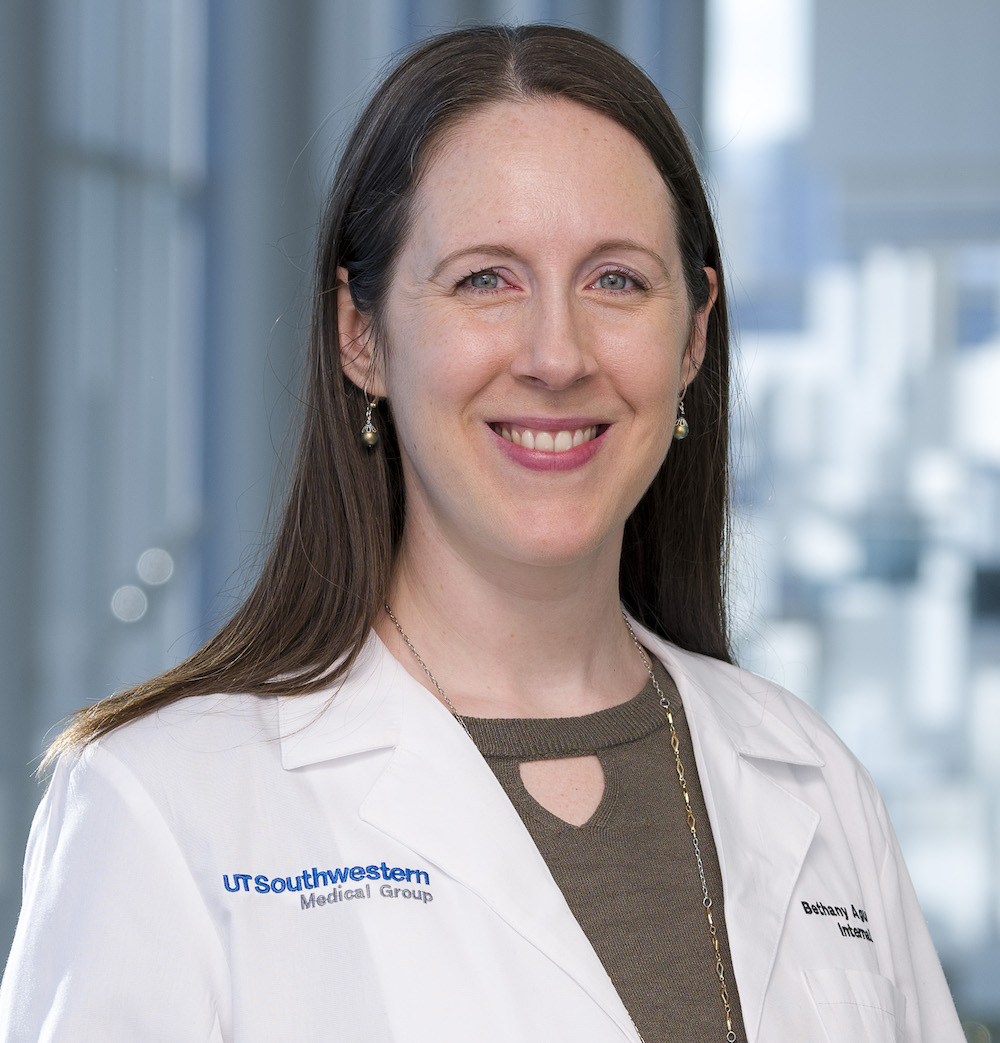
“Diabetes is chronic and can be deadly. Many people are prediabetic without knowing it,” said Dr. Agusala.
While Type 1 diabetes is caused by an autoimmune condition, the more common Type 2 diabetes comes from insulin resistance, often as the result of carrying excess weight around the middle.
“Adjusting your lifestyle may be the best way to avoid diabetes,” said Dr. Agusala. Eating a predominantly plant-based diet focused on fruits and vegetables, whole grains, beans, nuts and seeds, plus occasional chicken, fish, and dairy products like yogurt will help keep blood sugars in a healthy range, she said.
Doing moderate exercise 30 minutes a day, five days a week, and getting 7-9 hours of sleep will also help prevent weight gain.
Normally, blood sugar is regulated by a hormone called insulin. People with diabetes either don't make enough or their cells do not respond to insulin well enough to lower blood sugar levels. Chronically elevated blood sugar can lead to other health problems such as damage to the eyes, kidneys, and nerves that in turn could progress to blindness, kidney failure, and painful burning in the feet. It also increases the risk of heart attacks and strokes.
Excessive thirst and frequent urination are two common symptoms of diabetes. However, many people with early diabetes may not have any symptoms. Regular checkups with your doctor will help you keep an eye on your risk, advised Dr. Agusala.
About UT Southwestern Medical Center
UT Southwestern, one of the nation’s premier academic medical centers, integrates pioneering biomedical research with exceptional clinical care and education. The institution’s faculty members have received six Nobel Prizes and include 28 members of the National Academy of Sciences, 26 members of the National Academy of Medicine, and 14 Howard Hughes Medical Institute Investigators. The full-time faculty of nearly 3,400 is responsible for groundbreaking medical advances and is committed to translating science-driven research quickly to new clinical treatments. UT Southwestern physicians in more than 80 specialties care for more than 143,000 hospitalized patients, attend to more than 470,000 emergency room cases, and oversee nearly 5.3 million outpatient visits a year.