
Search
More than 97% of UT Southwestern medical students match to residency programs nationally, across Texas : Newsroom - UT Southwestern, Dallas, Texas
https://www.utsouthwestern.edu/newsroom/articles/year-2022/match-day.html
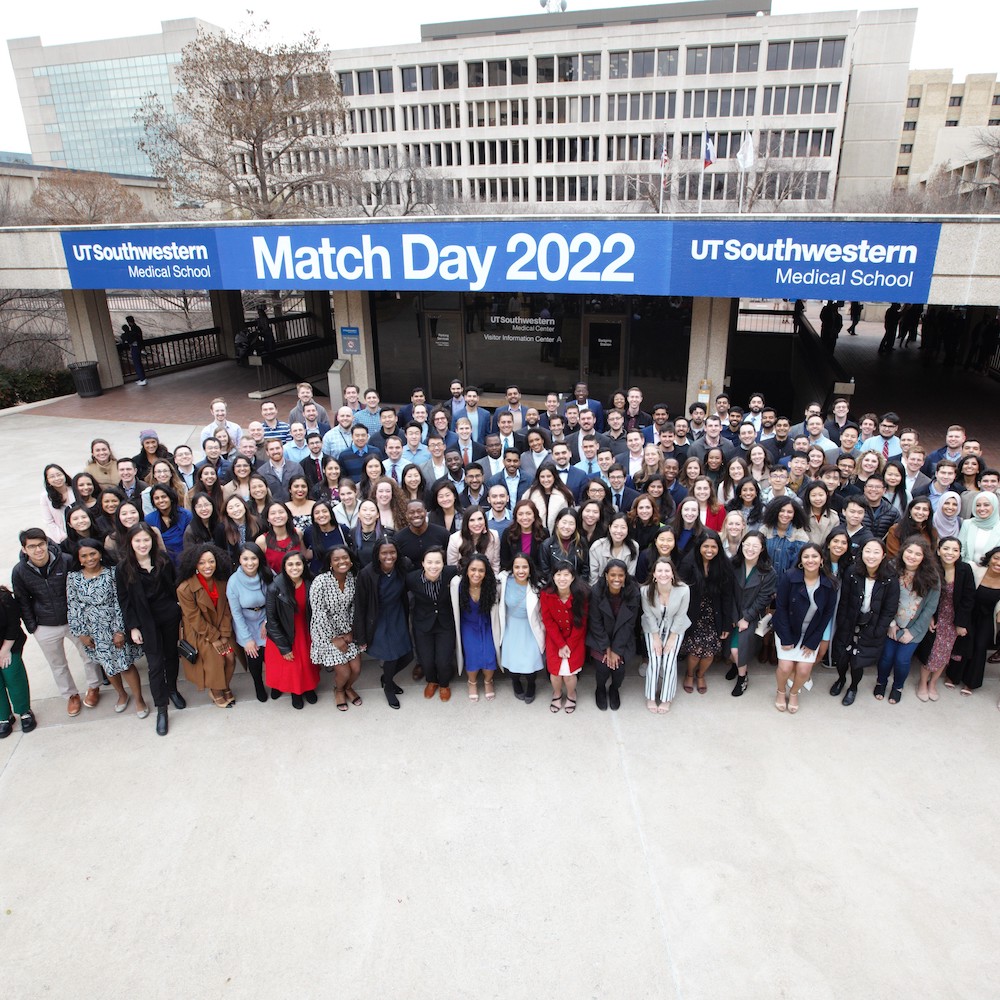
More than 200 UT Southwestern medical students matched to more than 80 programs across the nation, including Harvard, Yale, and Johns Hopkins, as well as a dozen medical programs across Texas.
UT Southwestern pioneers PULSAR-integrated radiotherapy with immunotherapy for improved tumor control: Newsroom - UT Southwestern, Dallas, Texas
https://www.utsouthwestern.edu/newsroom/articles/year-2021/pulsar-integrated-radiotherapy.html
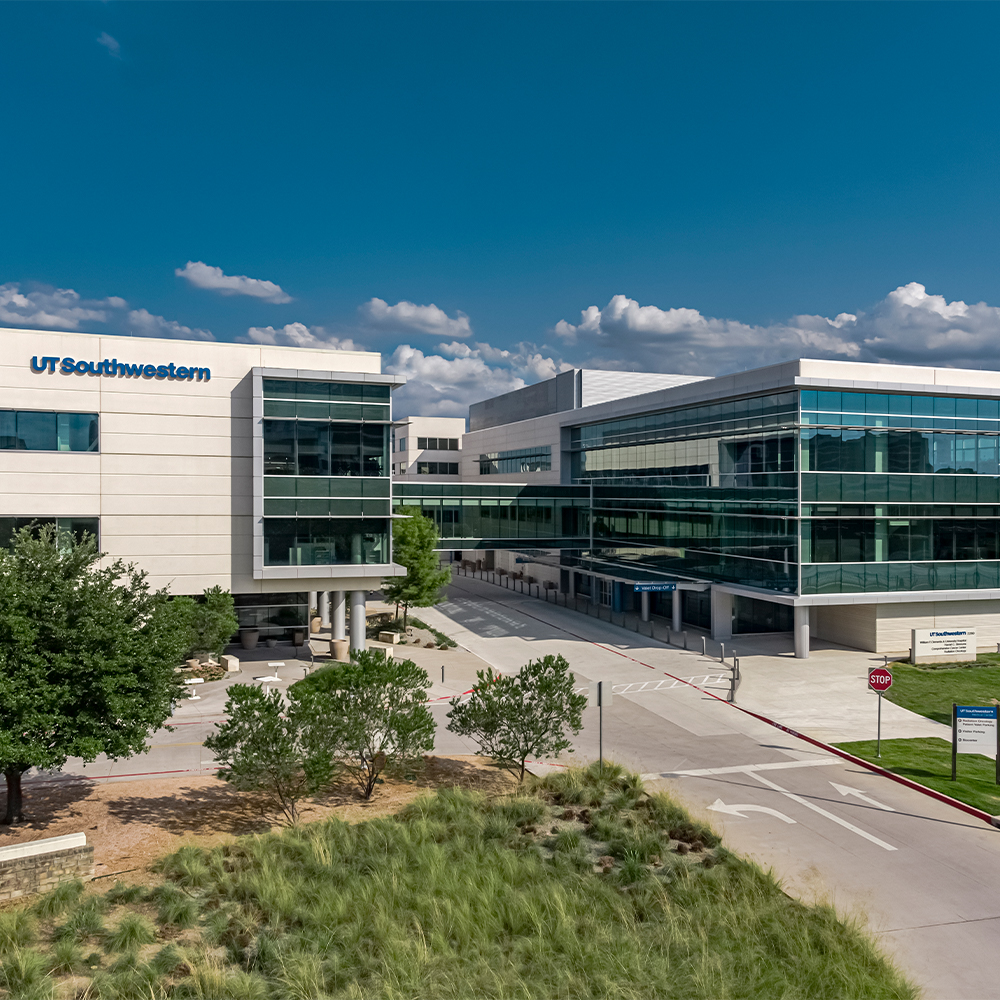
Artificial intelligence, along with a $71-million expansion of Radiation Oncology services, is allowing UT Southwestern Medical Center cancer physicians to pioneer a new PULSAR radiation-therapy strategy that improves tumor control compared with traditional daily therapy.
UTSW faculty addresses challenges of diagnosing heart attacks in New England Journal of Medicine: Newsroom - UT Southwestern, Dallas, Texas
https://www.utsouthwestern.edu/newsroom/articles/year-2022/diagnosing-heart-attacks.html
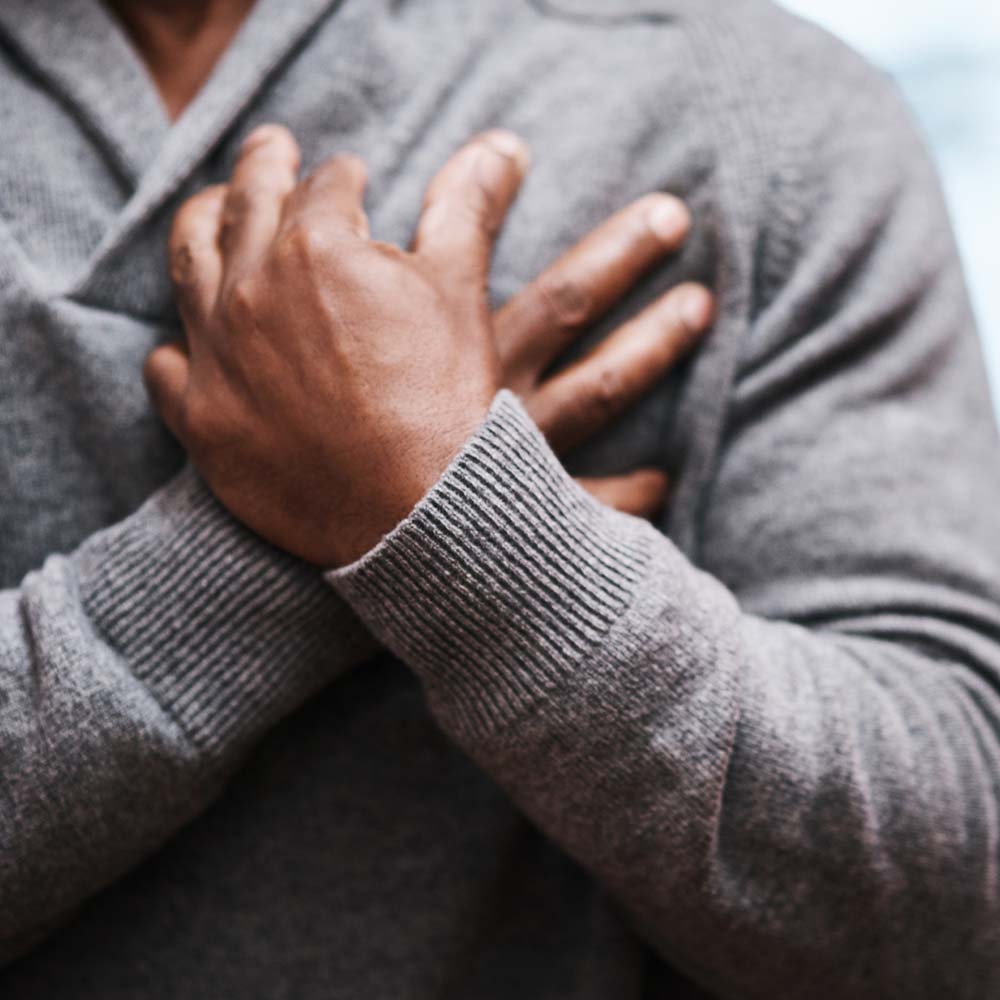
Diagnosing heart attacks after heart surgery remains difficult due to shortcomings of current diagnostic tools when applied to postoperative patients.
UTSW study finds cognitive decline key factor in predicting life expectancy in Alzheimer’s disease: Newsroom - UT Southwestern, Dallas, Texas
https://www.utsouthwestern.edu/newsroom/articles/year-2022/cognitive-decline.html
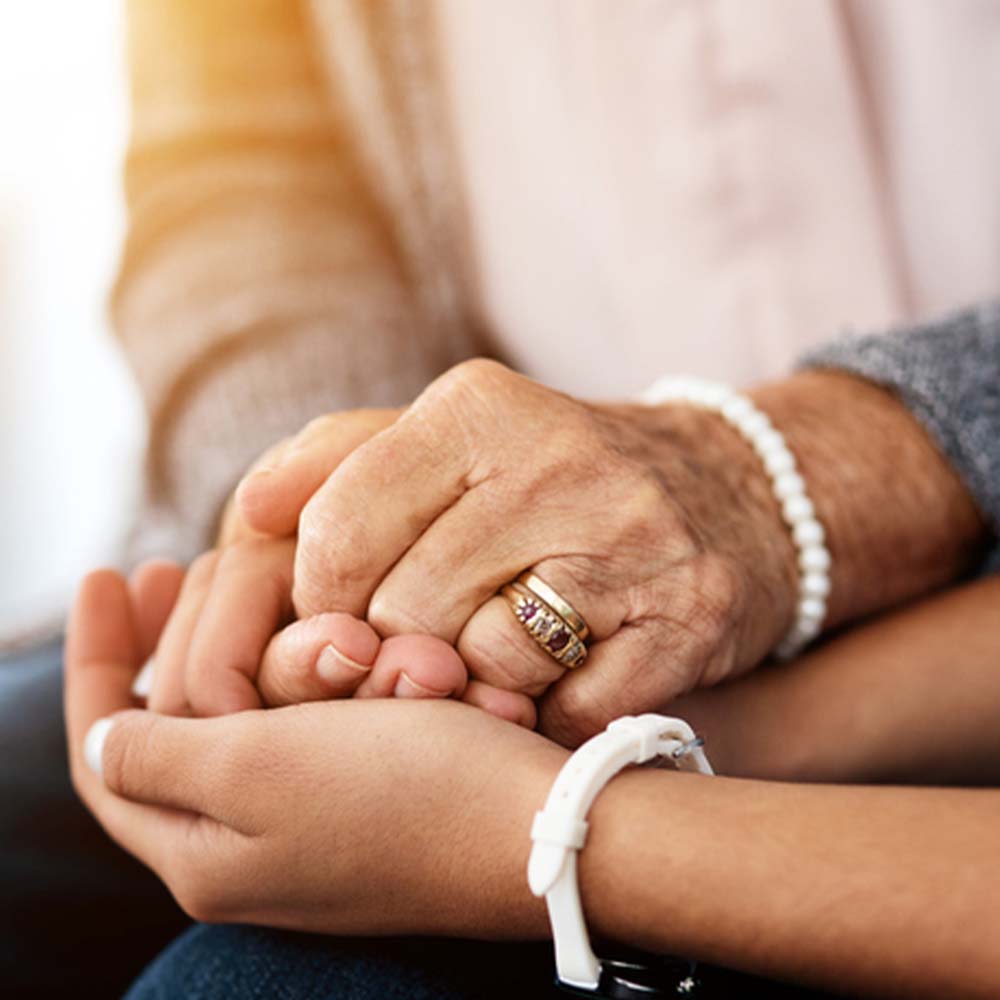
Cognitive decline is the biggest factor in determining how long patients with Alzheimer’s disease will live after being diagnosed, according to a new study from researchers at UT Southwestern.
UTSW is leading the way toward better screening for liver cancer: Newsroom - UT Southwestern, Dallas, Texas
https://www.utsouthwestern.edu/newsroom/articles/year-2022/august-better-screening-for-liver-cancer.html
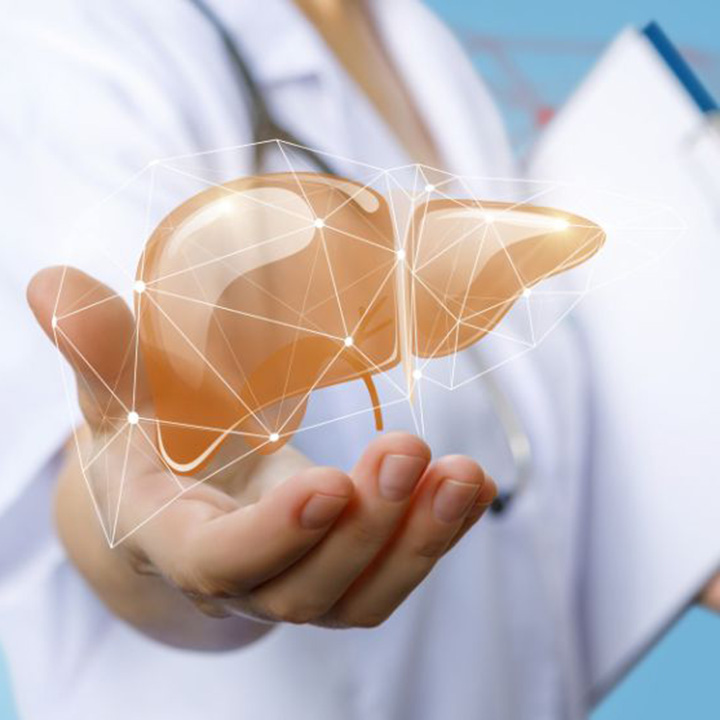
UT Southwestern will lead a multisite initiative funded by the National Cancer Institute (NCI) to identify biomarkers to improve risk assessment and early detection of hepatocellular cancer (HCC), the most common form of liver cancer, among patients with cirrhosis.
New Intracept ablation proves effective for quelling low back pain: Newsroom - UT Southwestern, Dallas, Texas
https://www.utsouthwestern.edu/newsroom/articles/year-2022/september-intracept-low-back-pain.html
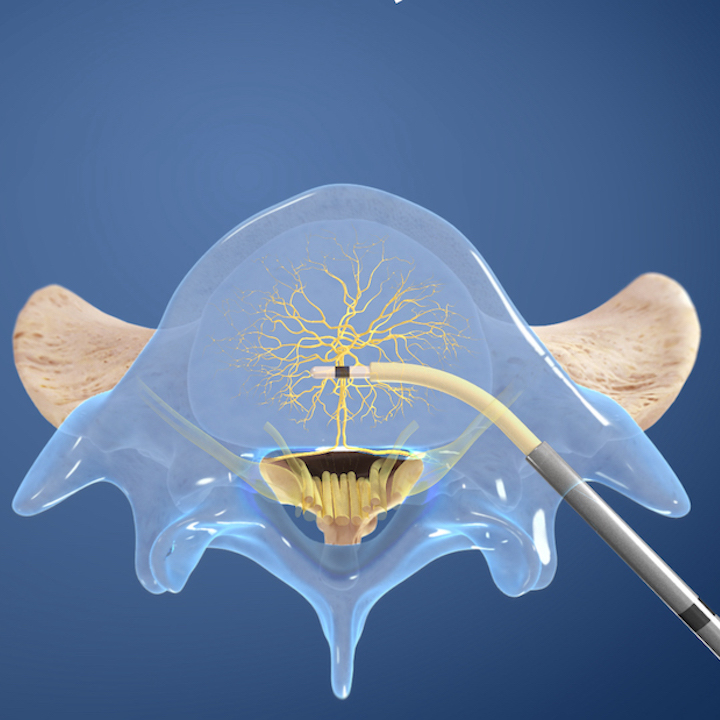
UT Southwestern Spine Center is now offering a minimally invasive ablation procedure to provide relief for low back pain caused by traumatic injury or degeneration of the vertebral endplates.
How to protect yourself against summer urinary tract infections: Newsroom - UT Southwestern, Dallas, Texas
https://www.utsouthwestern.edu/newsroom/articles/year-2022/august-summer-urinary-tract-infections.html

Summertime means lots of opportunities for fun in the sun. But this year’s high temperatures also bring an increased risk of dehydration that can cause urinary tract infections (UTIs), said Maude Carmel, M.D., Associate Professor of Urology at UT Southwestern Medical Center.
Clinical trial shows stereotactic radiation extends systemic therapy and slows kidney cancer progression : Newsroom - UT Southwestern, Dallas, Texas
https://www.utsouthwestern.edu/newsroom/articles/year-2022/stereotactic-radiation-extends-systemic-therapy.html
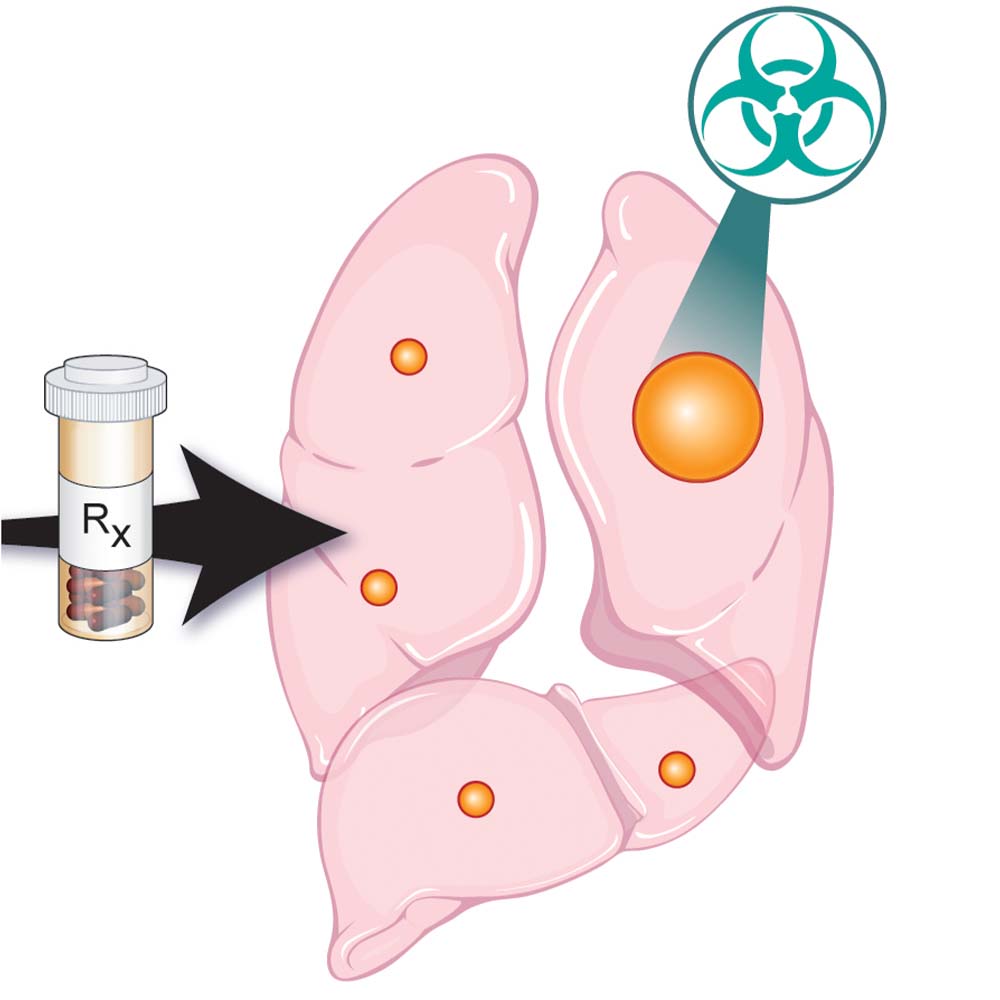
A new study by the Kidney Cancer Program (KCP) at UT Southwestern’s Harold C. Simmons Comprehensive Cancer Center shows that highly focused radiation to isolated metastases that progress despite drug therapy can prolong drug use in kidney cancer patients, saving the few other drugs for treating
Children’s Health will fund pediatric unit at the Texas Health and Human Services Commission – UT Southwestern Medical Center psychiatric hospital: Newsroom - UT Southwestern, Dallas, Texas
https://www.utsouthwestern.edu/newsroom/articles/year-2022/september-childrens-health-will-fund-pediatric-unit.html
Children’s Health significantly expands access to pediatric behavioral health services
"Reelin" in a new treatment for multiple sclerosis: Newsroom - UT Southwestern, Dallas, Texas
https://www.utsouthwestern.edu/newsroom/articles/year-2020/new-treatment-ms.html
In an animal model of multiple sclerosis (MS), decreasing the amount of a protein made in the liver significantly protected against development of the disease’s characteristic symptoms and promoted recovery in symptomatic animals, UTSW scientists report.