
Search
Findings could boost efforts to develop chlamydia vaccine: Newsroom - UT Southwestern, Dallas, Texas
https://www.utsouthwestern.edu/newsroom/articles/year-2026/june-chlamydia-vaccine.html
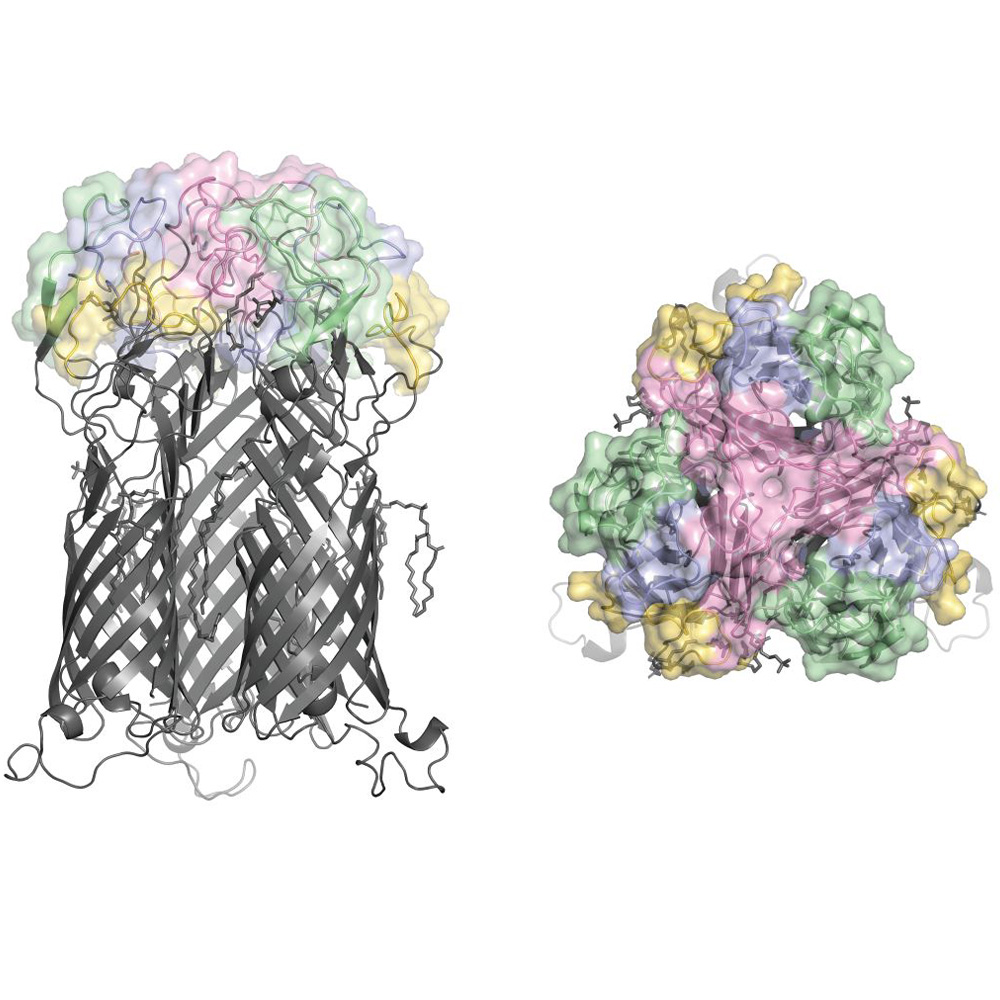
Scientists at UT Southwestern Medical Center, working with other U.S. researchers, have uncovered the structure of a key cell membrane protein in a bacterial model for Chlamydia trachomatis, the cause of the world’s most common bacterial sexually transmitted infection (STI).
Research Education Component Core: North Texas Alzheimer's Disease Research Center - UT Southwestern, Dallas, Texas
https://www.utsouthwestern.edu/departments/north-texas-alzheimers-disease-research-center/who-we-are/rec-core.html
The Research Education Component (REC) Core of the NT-ADRC develops research educational and training activities in support of future researchers.
Document Archiving - Practices - Digital Accessibility - UT Southwestern
https://www.utsouthwestern.edu/about-us/digital-accessibility/test/archiving-documents.html
Document Archiving Please follow these simple guidelines to ensure your local or shared PDFs, Microsoft Word, Excel, and PowerPoint files are in compliance with digital accessibility and archiving standards. (For information about archiving website content, please visit the Web Content Archiving page…
Biomarker and Imaging Core: North Texas Alzheimer's Disease Research Center – UT Southwestern, Dallas, Texas
https://www.utsouthwestern.edu/departments/north-texas-alzheimers-disease-research-center/who-we-are/biomarker-core.html
Biomarker and Imaging Core The Biomarker and Imaging (BI) Core establishes a shared resource for the North Texas Alzheimer's Disease Research Center (NT-ADRC) and the broader Alzheimer's disease research community. Alamar biomarker assay machine Freezer space The BI Core accelerates the development o…
Dendrites may be key to learning and memory, study suggests: Newsroom - UT Southwestern, Dallas, Texas
https://www.utsouthwestern.edu/newsroom/articles/year-2026/july-dendrites.html
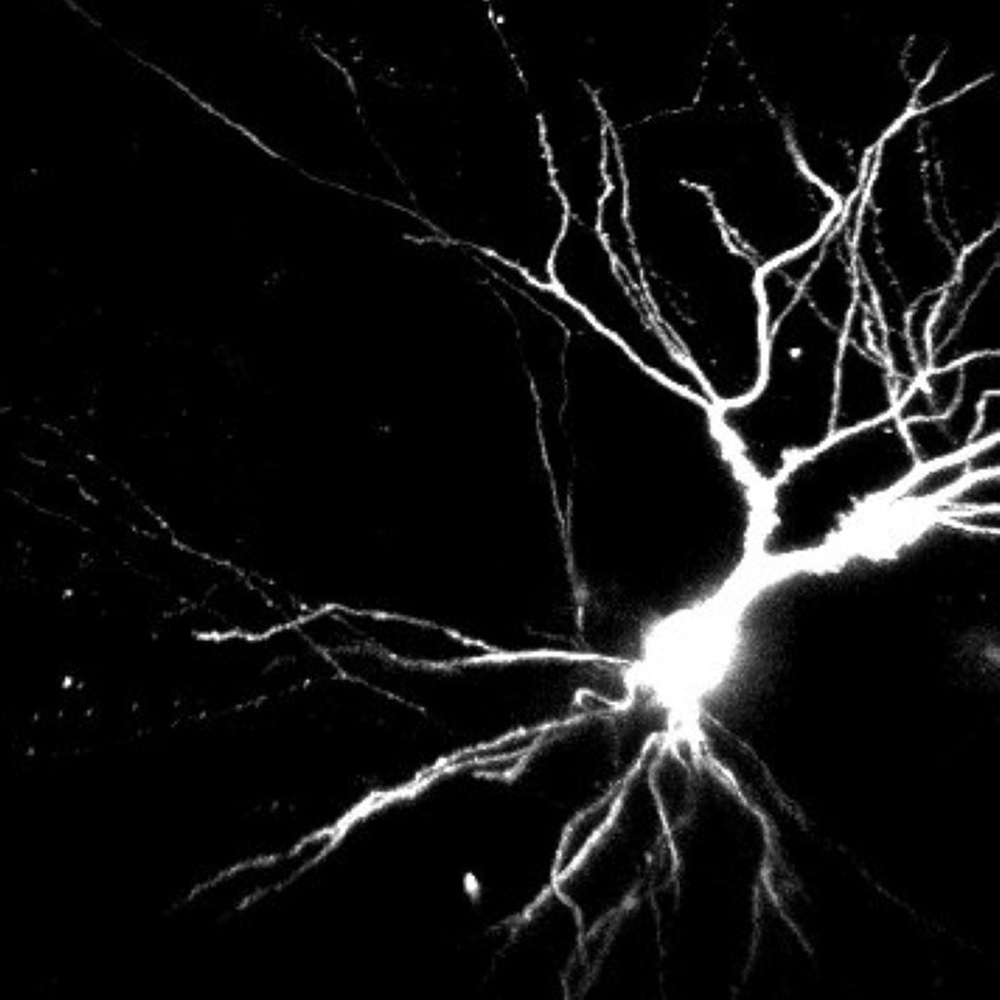
Branchlike structures called dendrites that extend from neurons appear to make their own “computations” independently of the cell body, helping individual brain cells store memories of the past, respond to the present, and anticipate the future, a study led by UT Southwestern Medical Center researchers suggests.
Study challenges concerns over hospital readmission reduction practices: Newsroom - UT Southwestern, Dallas, Texas
https://www.utsouthwestern.edu/newsroom/articles/year-2020/hospital-readmission.html
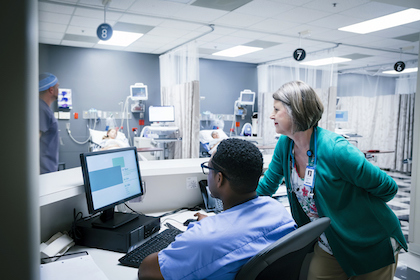
A UT Southwestern study is challenging concerns that a federal health policy enacted in 2012 to reduce hospital readmissions leaves patients more vulnerable.
GLP-1 use rising rapidly among U.S. adolescents, young adults: Newsroom - UT Southwestern, Dallas, Texas
https://www.utsouthwestern.edu/newsroom/articles/year-2026/july-glp-1-adolescents.html

Adolescents and young adults in the U.S. are increasingly using popular GLP-1 weight-loss drugs alone or in conjunction with metabolic and bariatric surgery (MBS) to manage obesity.
Clinical Core: North Texas Alzheimer's Disease Research Center - UT Southwestern, Dallas, Texas
https://www.utsouthwestern.edu/departments/north-texas-alzheimers-disease-research-center/who-we-are/clinical-core.html
The Clinical Core serves as the hub for all activities of the North Texas Alzheimer’s Disease Research Center (NT-ADRC) and affiliated investigators.
Data Management, Informatics, and Statistics Core: North Texas Alzheimer's Disease Research Center - UT Southwestern, Dallas, Texas
https://www.utsouthwestern.edu/departments/north-texas-alzheimers-disease-research-center/who-we-are/data-management-core.html
The Data Management, Informatics, and Statistics Core of the North Texas Alzheimer’s Disease Research Center is a hub for data collection and dissemination.
Study: Tuberculosis bacteria produce cough-triggering molecule: Newsroom - UT Southwestern, Dallas, Texas
https://www.utsouthwestern.edu/newsroom/articles/year-2020/tuberculosis-bacteria.html

The bacteria that cause the deadly lung disease tuberculosis appear to facilitate their own spread by producing a molecule that triggers cough.