
Search
Gratitude: Thrive Newsletter - Faculty Wellness - UT Southwestern, Dallas, Texas
https://www.utsouthwestern.edu/education/provost/faculty-affairs-career-development/faculty-wellness/news/thrive/gratitude.html

There is great benefit in recognizing the things in our lives that we should be grateful for – family, friends, employment, and life. But there also must be reflection upon areas in our lives that we leave unattended and do not show appreciation for such as our wellness, our values, and our overall life journey. If we disregard these areas, this creates barriers for gratitude.
Confessions of a Former Procrastinator: Thrive Newsletter - Faculty Wellness - UT Southwestern, Dallas, Texas
https://www.utsouthwestern.edu/education/provost/faculty-affairs-career-development/faculty-wellness/news/thrive/procrastinator.html

I admit it, I’m a recovering procrastinator. This tendency used to get in my way much more than it does today. How did I overcome it? First, I stopped labeling myself a procrastinator. Obviously, I can get stuff done or I wouldn’t be where I am. Second, I developed some strategies and new habits that took root and have helped me become more productive over time. The key to overcoming procrastination is learning to just start. No more than that - just start. That, plus a habit around keeping and organizing notes and you’ll be on your way to overcoming procrastination.
Dear Trainees - Internal Medicine Education & Training- UT Southwestern, Dallas TX
https://www.utsouthwestern.edu/departments/internal-medicine/education-training/dear-trainees.html
Dr. Dino Kazi's weekly message to the internal medicine trainees on a variety of topics from wellness to program issues to everyday life.
SPA Certification Program: Sponsored Programs - UT Southwestern, Dallas, Texas
https://www.utsouthwestern.edu/research/spa/process/spa-certification-program.html
SPA Certification Program Application for Cohort 4 Opens November 2, 2026 Thank you for your interest in the SPA Certification Program for Research Administrators! This 5-month, virtual program is open to a committed group of early-career and/or new UT Southwestern staff who are interested in further…
PM&R Publications and Presentations: Fall 2026: PM&R News - UT Southwestern, Dallas, Texas
https://www.utsouthwestern.edu/departments/pmr/news/fall-2026-publications-presentations.html
Explore PM&R publications and presentations from UT Southwestern for Fall 2026.
Clinical Research Operations: Simmons Comprehensive Cancer Center - UT Southwestern, Dallas, TX
https://www.utsouthwestern.edu/departments/simmons/research/clinical-research-operations.html
Clinical Research Operations provides oversight and support on all clinical trial activities, possible new therapies, and new cancer prevention options.
Events: Faculty Women's Club – UT Southwestern, Dallas, TX
https://www.utsouthwestern.edu/about-us/faculty-womens-club/activities/upcoming-events.html
Learn about the events and activities planned for the general membership of the Faculty Women's Club at UT Southwestern.
Alumni Spotlight on Austen Watkins, D.O.: Fall 2026: PM&R News - UT Southwestern, Dallas, Texas
https://www.utsouthwestern.edu/departments/pmr/news/fall-2026-alumni-spotlight.html
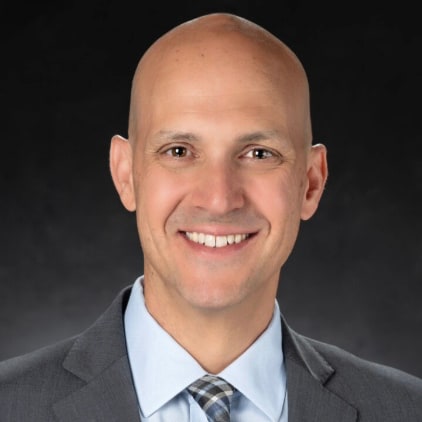
Alumni Austen Watkins, D.O., reflects on his PM&R training, private practice career in Fort Worth, teaching, and the colleagues who shaped his residency experience.
About Faculty Women's Club - UT Southwestern, Dallas, TX
https://www.utsouthwestern.edu/about-us/faculty-womens-club/about-us.html
Information about the Faculty Women's Club at UT Southwestern.
Working Off Campus - UT Southwestern, Dallas, Texas
https://www.utsouthwestern.edu/about-us/administrative-offices/it-services/working-remotely.html
UT Southwestern employees can follow these steps to prepare for working off campus (remotely).