
Search
Data scientists ID potential vulnerabilities in the COVID-19 virus: Newsroom - UT Southwestern, Dallas, Texas
https://www.utsouthwestern.edu/newsroom/articles/year-2020/coronavirus-vulnerabilities.html
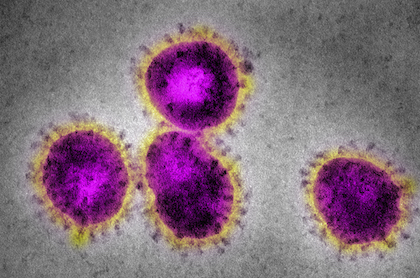
UT Southwestern Medical Center data scientists analyzing genetic sequences of the COVID-19 coronavirus have identified potential vulnerabilities that could help in vaccine development and further study of the infectious disease now spreading worldwide.
UTSW among top three companies in the nation for new graduates: Newsroom - UT Southwestern, Dallas, Texas
https://www.utsouthwestern.edu/newsroom/articles/year-2021/forbes-new-graduates.html

UT Southwestern Medical Center ranked No. 3 in the nation on Forbes’ list of America’s Best Employers For New Graduates, placing it in the top 1 percent, and highest among academic medical centers.
Chemical modification of RNA could play key role in polycystic kidney disease: Newsroom - UT Southwestern, Dallas, Texas
https://www.utsouthwestern.edu/newsroom/articles/year-2021/chemical-modification-of-rna.html
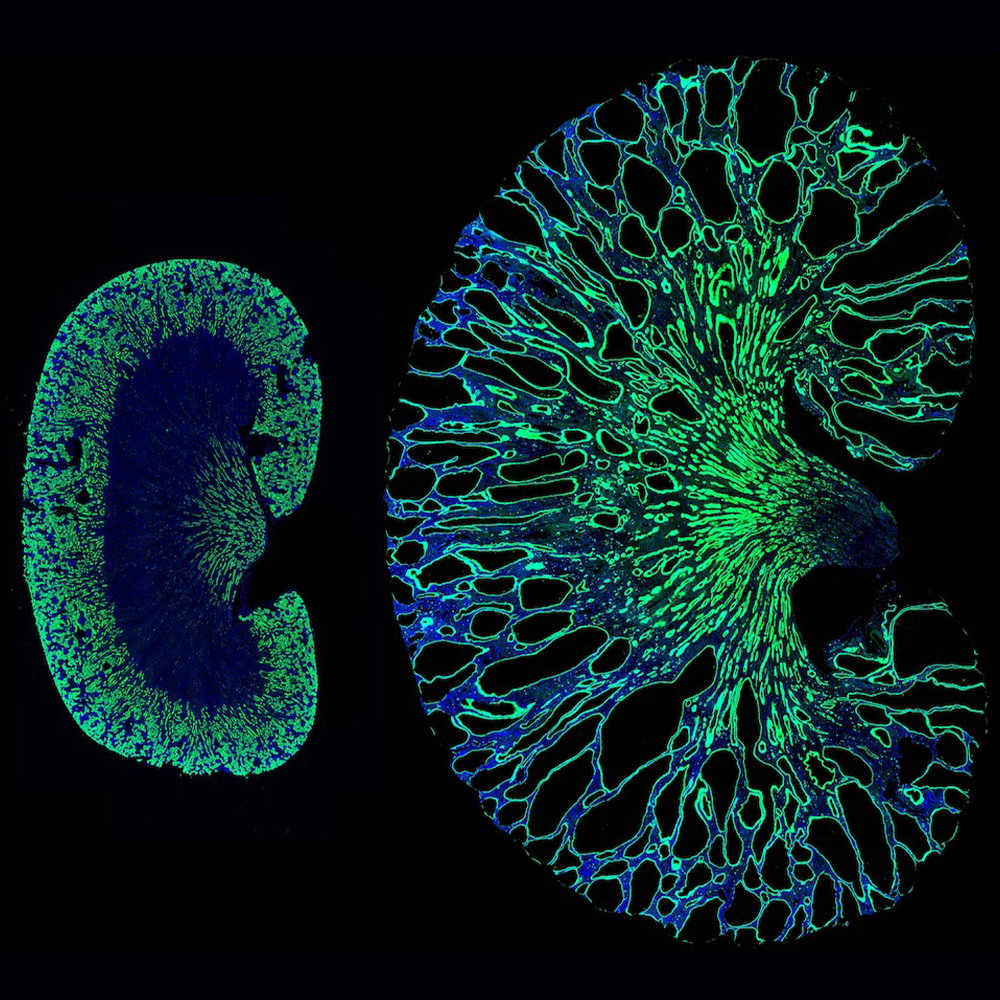
A chemical modification of RNA that can be influenced by diet appears to play a key role in polycystic kidney disease, an inherited disorder that is the fourth leading cause of kidney failure in the U.S.
UT Southwestern identifies first reported Brazil variant of SARS-CoV-2 in North Texas: Newsroom - UT Southwestern, Dallas, Texas
https://www.utsouthwestern.edu/newsroom/articles/year-2021/brazil-variant.html

UT Southwestern Medical Center scientists have identified the first cases of the Brazilian variant of COVID-19 infection in North Texas using next-generation sequencing technologies along with PCR testing.
UTSW researcher wins prestigious NIH Pioneer Award to look for answers to pandemics like COVID-19 in animal genes: Newsroom - UT Southwestern, Dallas, Texas
https://www.utsouthwestern.edu/newsroom/articles/year-2020/nih-pioneer-award.html
A UT Southwestern researcher who studies how the body’s innate immune system responds to coronaviruses is one of 10 recipients of the coveted NIH Director’s Pioneer Award from the National Institutes of Health.
New gene editing strategies developed for Duchenne muscular dystrophy : Newsroom - UT Southwestern, Dallas, Texas
https://www.utsouthwestern.edu/newsroom/articles/year-2021/duchenne-muscular-dystrophy.html
UT Southwestern scientists successfully employed a new type of gene therapy to treat mice with Duchenne muscular dystrophy (DMD)
New NIH grant supports ongoing UTSW investigation of debilitating complications of blood clots in teens: Newsroom - UT Southwestern, Dallas, Texas
https://www.utsouthwestern.edu/newsroom/articles/year-2021/blood-clots-in-teens.html
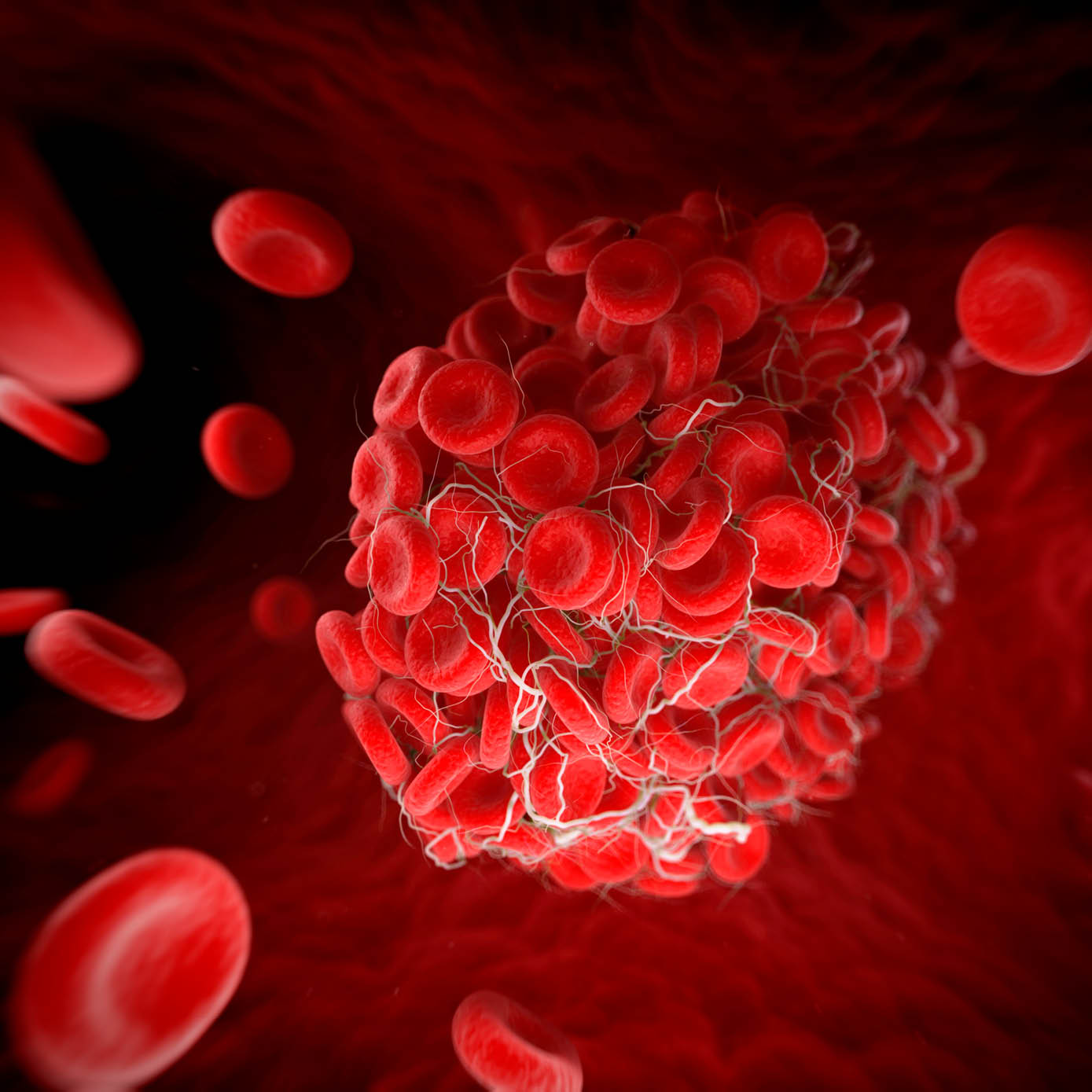
UT Southwestern will lead a multicenter investigation into why children and young adults experience decreased physical activity and shortness of breath after experiencing blood clots, thanks to a four-year $2.97 million grant from the National Institutes of Health (NIH).
Two UTSW faculty elected to prestigious National Academy of Sciences: Newsroom - UT Southwestern, Dallas, Texas
https://www.utsouthwestern.edu/newsroom/articles/year-2021/national-academy-sciences.html

Two UTSW faculty elected to prestigious National Academy of Sciences
Fighting intestinal infections with the body's own endocannabinoids: Newsroom - UT Southwestern, Dallas, Texas
https://www.utsouthwestern.edu/newsroom/articles/year-2020/fighting-intestinal-infections.html

Endocannabinoids, signaling molecules produced in the body that share features with chemicals found in marijuana, can shut down genes needed for some pathogenic intestinal bacteria to colonize, multiply, and cause disease, new research led by UT Southwestern scientists shows.
Generic cholesterol drugs save Medicare billions of dollars, study finds: Newsroom - UT Southwestern, Dallas, Texas
https://www.utsouthwestern.edu/newsroom/articles/year-2020/generic-cholesterol-drugs.html

The switch from brand name to generic cholesterol medications that occurred between 2014 and 2018 has saved Medicare billions of dollars, even as the number of people on cholesterol-lowering drugs has increased.