
Search
Children’s Health and UT Southwestern receive $100 million donation from the Pogue family for new $5 billion Dallas pediatric campus: Newsroom - UT Southwestern, Dallas, Texas
https://www.utsouthwestern.edu/newsroom/articles/year-2024/may-donor-milestone.html

Children's HealthSM and UT Southwestern Medical Center on Wednesday announced a historic gift of $100 million from the Jean and Mack Pogue family in support of the $5 billion transformative new Dallas pediatric campus, unveiled earlier this year. The gift from the Pogue Foundation is one of only four $100 million philanthropic gifts ever publicly announced in North Texas, and it is the largest donation yet to the new pediatric campus project, which will replace the existing Children’s Medical Center Dallas.
Studies examine different responses to SARS-CoV-2 variants: Newsroom - UT Southwestern, Dallas, Texas
https://www.utsouthwestern.edu/newsroom/articles/year-2024/jan-sars-cov-2-variants.html
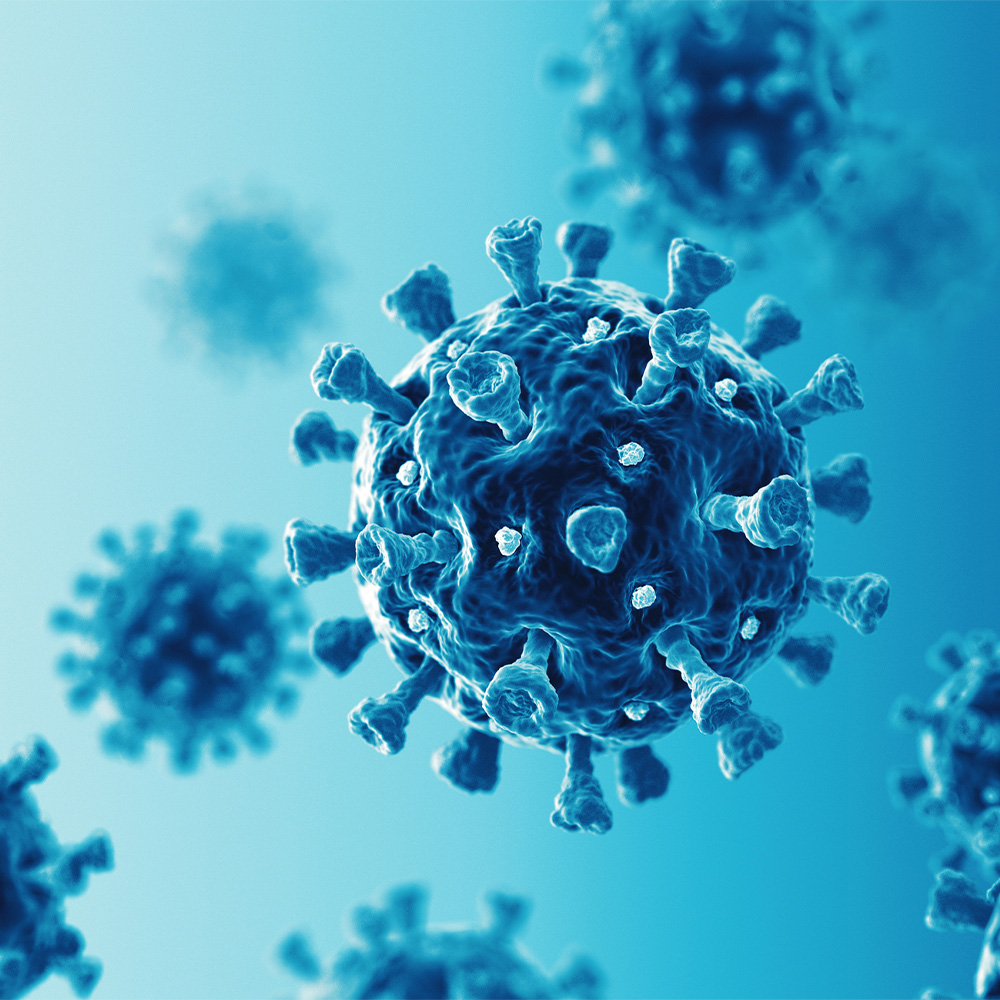
– Two studies led by a researcher at UT Southwestern Medical Center show the effects of different SARS-CoV-2 variants on lung tissue, revealing what may cause some COVID-19 infections to be more severe than others.
ChatGPT can extract data from clinical notes: Newsroom - UT Southwestern, Dallas, Texas
https://www.utsouthwestern.edu/newsroom/articles/year-2024/may-chatgpt-data.html
ChatGPT, the artificial intelligence (AI) chatbot designed to assist with language-based tasks, can effectively extract data for research purposes from physicians’ clinical notes, UT Southwestern Medical Center researchers report in a new study.
ApoB test may be more accurate measure of heart disease risk: Newsroom - UT Southwestern, Dallas, Texas
https://www.utsouthwestern.edu/newsroom/articles/year-2024/aug-apob-test.html
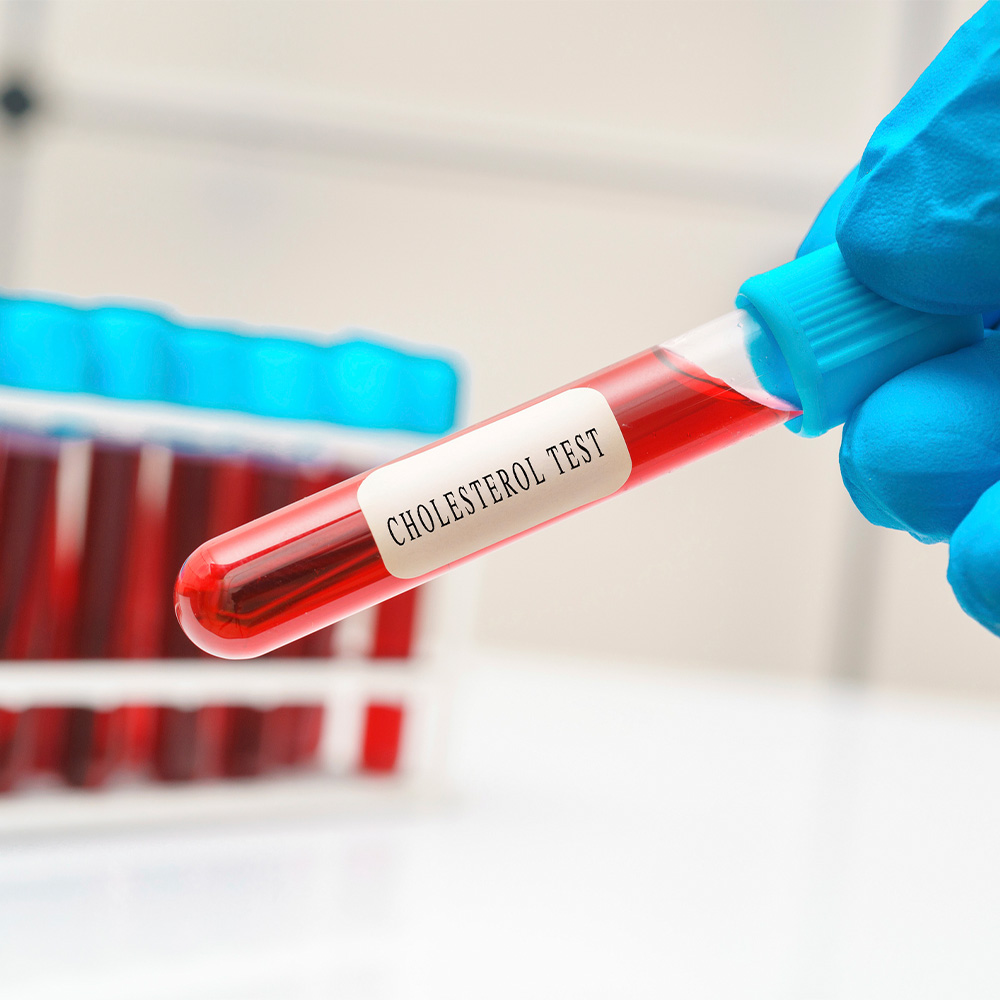
The traditional lipid panel may not give the full picture of cholesterol-related heart disease risk for many Americans, according to a study led by UT Southwestern Medical Center researchers and published in JAMA Cardiology.
3D-printed femurs may enhance biomechanical studies: Newsroom - UT Southwestern, Dallas, Texas
https://www.utsouthwestern.edu/newsroom/articles/year-2024/oct-3d-printed-femurs.html
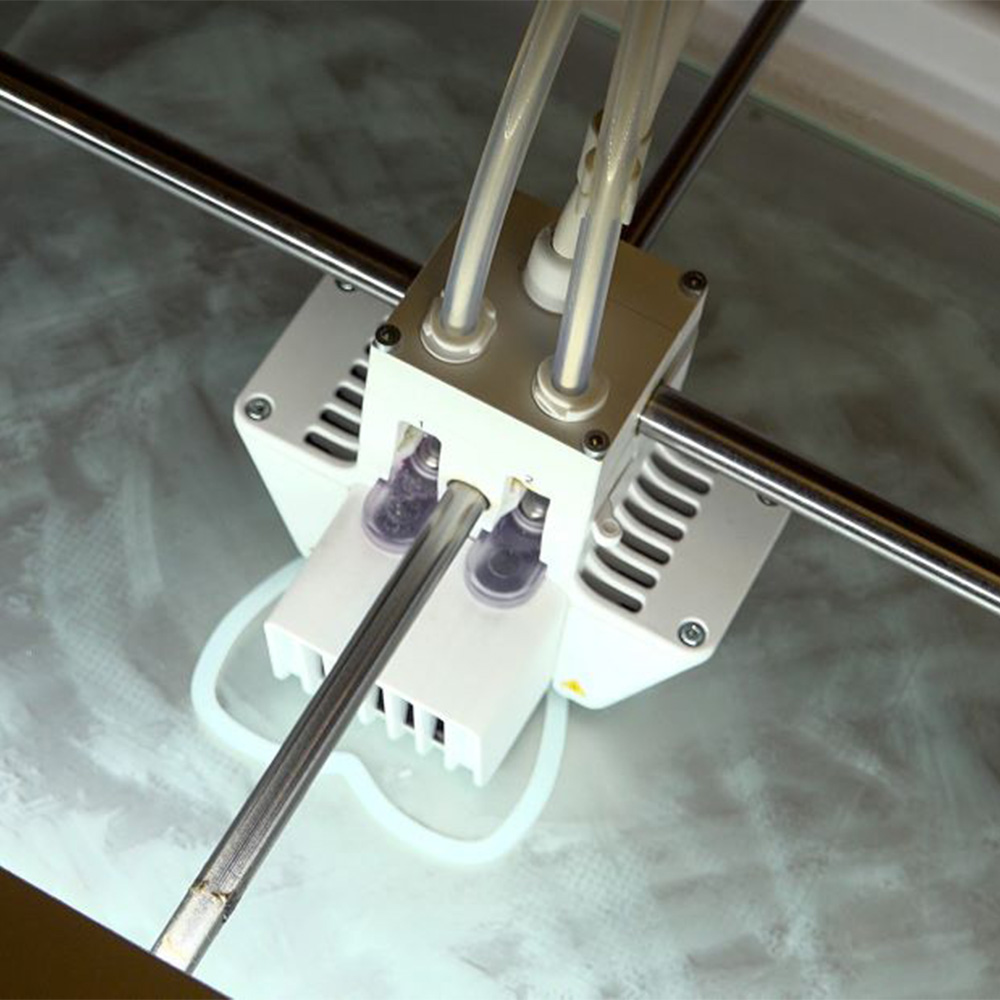
Researchers at UT Southwestern Medical Center have developed a breakthrough three-dimensional (3D) printing technique for generating realistic models of the human femur that could make it easier and less expensive to conduct biomechanical research.
UTSW Research: Female sex hormones, adrenal hyperplasia, and more: Newsroom - UT Southwestern, Dallas, Texas
https://www.utsouthwestern.edu/newsroom/articles/year-2024/july-research-roundup.html
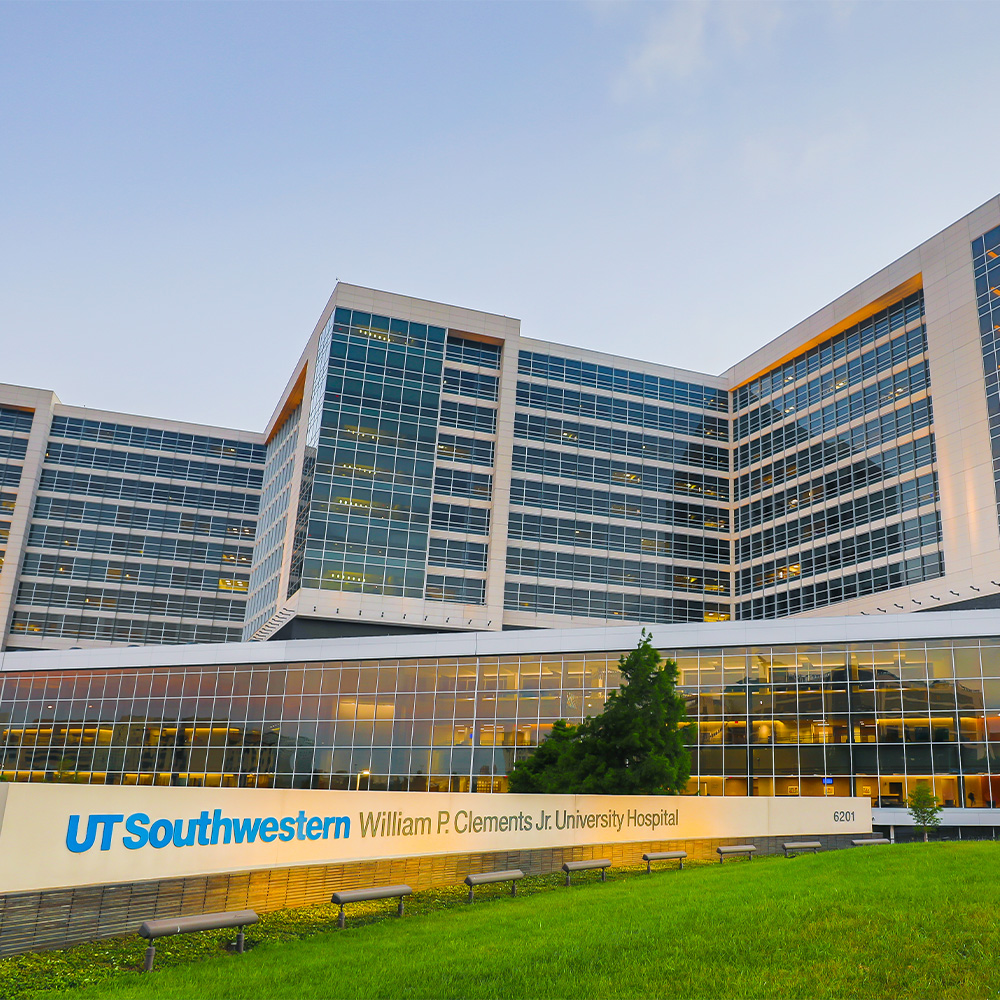
For decades, researchers have assumed that women taking oral contraceptives have stable levels of sex hormones over each monthly cycle. However, a new study in the American Journal of Physiology-Endocrinology and Metabolism led by Yasin Dhaher, Ph.D., Professor of Physical Medicine & Rehabilitation and Orthopaedic Surgery at UT Southwestern Medical Center, shows that the opposite is true.
AI tool helps identify heart failure risk in diabetes patients: Newsroom - UT Southwestern, Dallas, Texas
https://www.utsouthwestern.edu/newsroom/articles/year-2024/oct-diabetic-cardiomyopathy.html

Researchers at UT Southwestern Medical Center have developed a machine learning model that can identify patients with diabetic cardiomyopathy, a heart condition characterized by abnormal changes in the heart’s structure and function that predisposes them to increased risk of heart failure.
Molecular switch linked to lineage plasticity, therapy resistance: Newsroom - UT Southwestern, Dallas, Texas
https://www.utsouthwestern.edu/newsroom/articles/year-2024/june-prostate-cancer.html
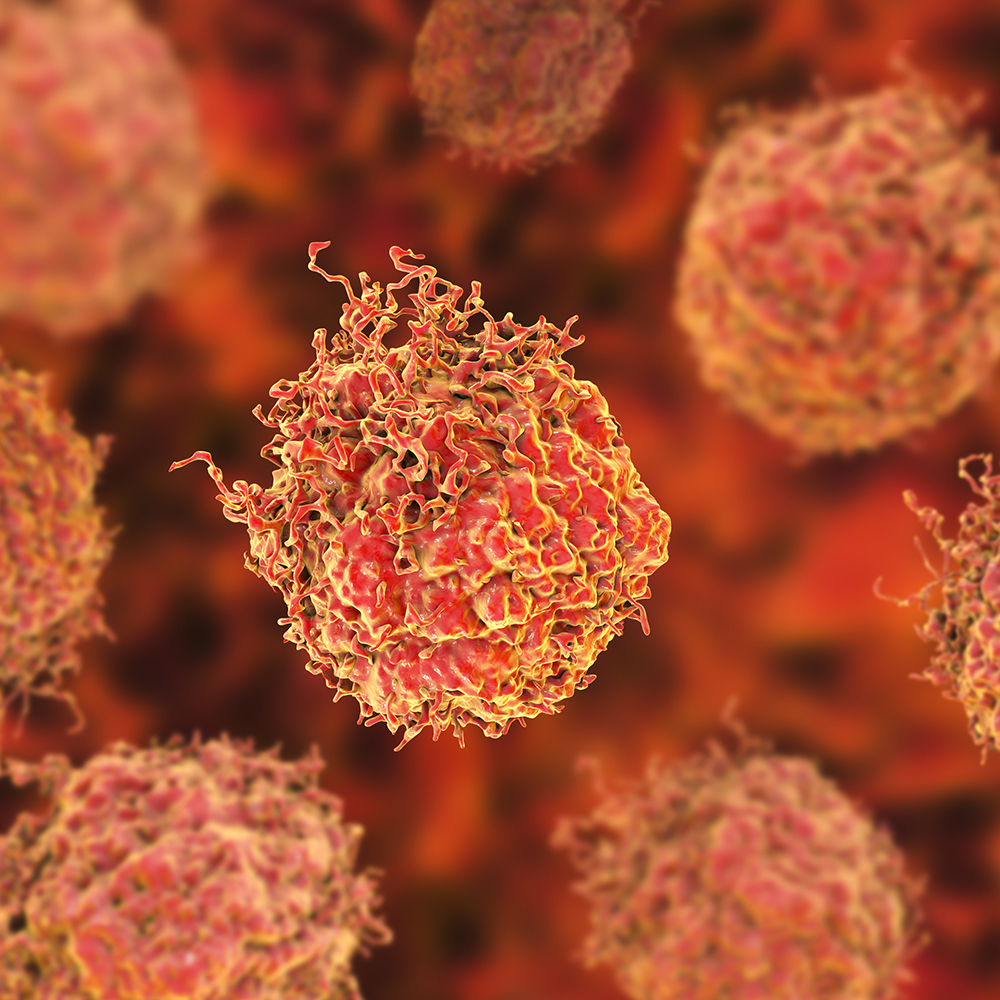
Two genes working in tandem play a critical role in shaping the identity and behavior of prostate cancer cells and their response to treatment, UT Southwestern Medical Center researchers report.
AccessHope, UT Southwestern Medical Center collaborate to expand cancer expertise access in southern states : Newsroom - UT Southwestern, Dallas, Texas
https://www.utsouthwestern.edu/newsroom/articles/year-2024/june-accesshope-collaboration.html
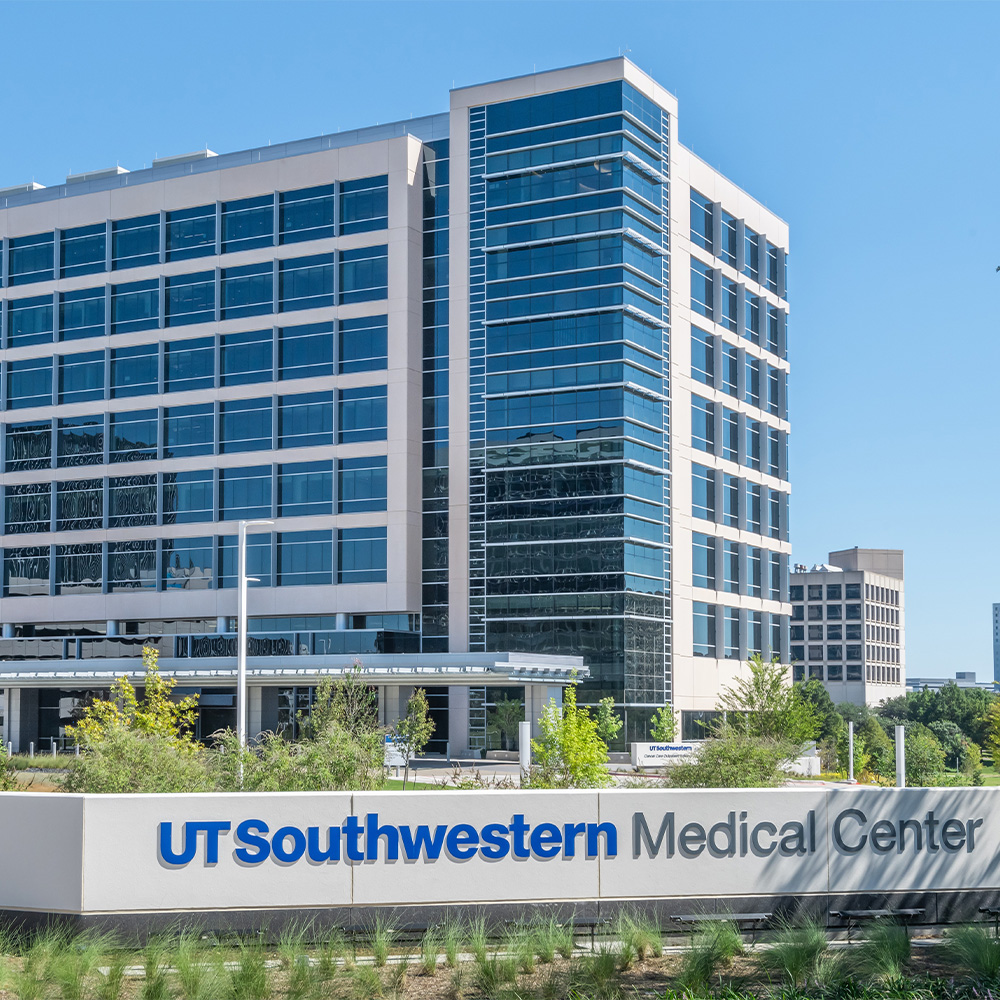
– AccessHope, LLC, a company changing the way leading-edge cancer expertise is delivered, announced that UT Southwestern Harold C. Simmons Comprehensive Cancer Center will become the seventh National Cancer Institute (NCI)-designated center in the AccessHope network.
Tumor mutations may not predict response to immunotherapy: Newsroom - UT Southwestern, Dallas, Texas
https://www.utsouthwestern.edu/newsroom/articles/year-2024/may-tumor-mutations.html
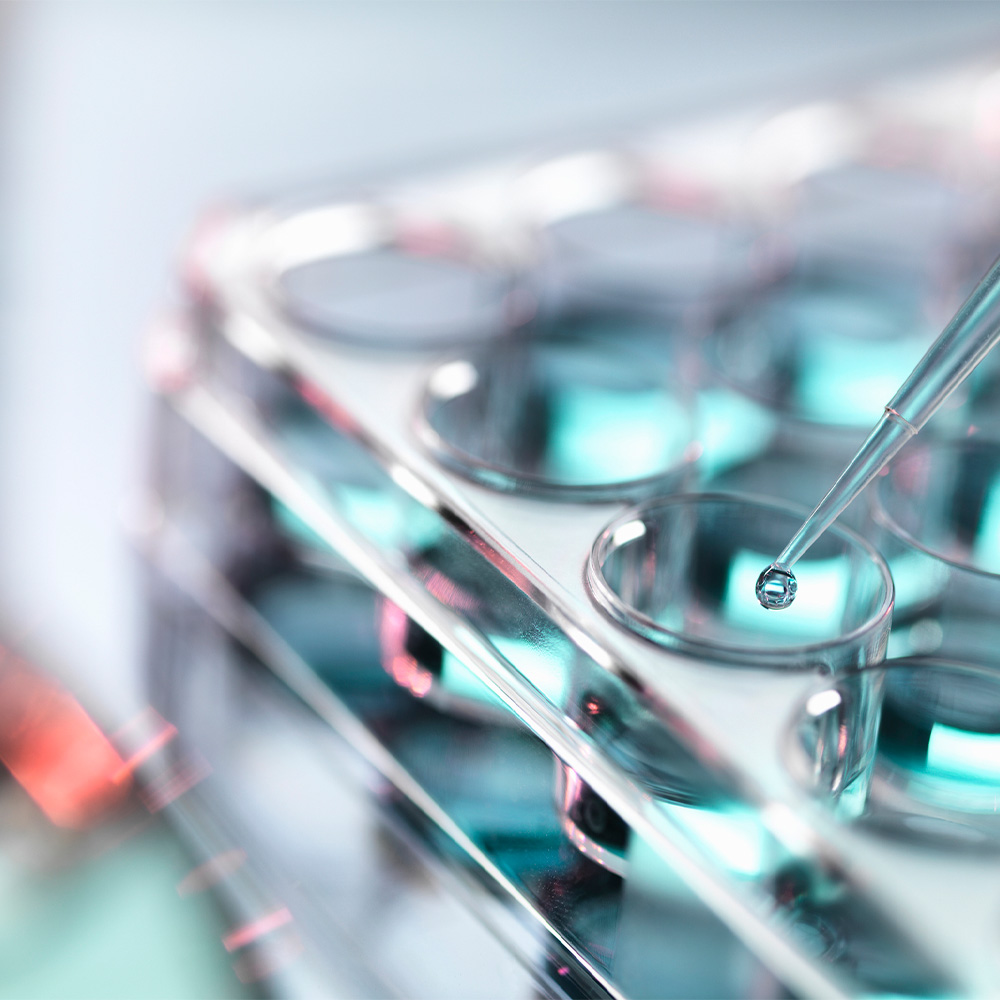
The number of mutations in the DNA of cancerous tumors may not be an indicator of how well patients will respond to immune checkpoint inhibitors (ICIs), a commonly prescribed type of immunotherapy, a team led by UT Southwestern Medical Center reported in a retrospective study.