
Symposiums
Legacy Lectures in Metabolism
The inaugural Legacy Lectures in Metabolism symposium will be held on Thursday, Oct. 22, 2026, from 9 a.m. to 2:15 p.m. in D1.602.
Honoring four distinguished investigators whose discoveries transformed the fields of metabolism, diabetes, obesity, cardiovascular disease, and endocrine biology, the event will feature internationally recognized speakers whose work builds upon the ground breaking contributions of these scientific pioneers. The program celebrates their enduring impact on science, medicine, and the training of future investigators.
The Scott M. Grundy, M.D., Ph.D., Memorial Lecture
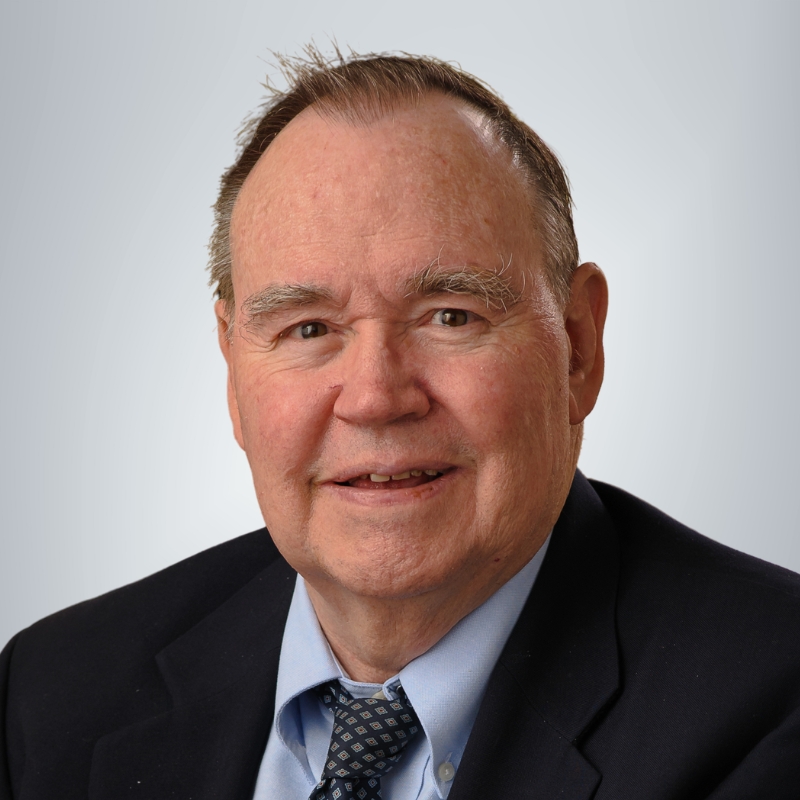
Honoring the legacy of Dr. Scott M. Grundy, the founding Director of the Center for Human Nutrition who pioneered lipid protocols that redefined preventive cardiology.
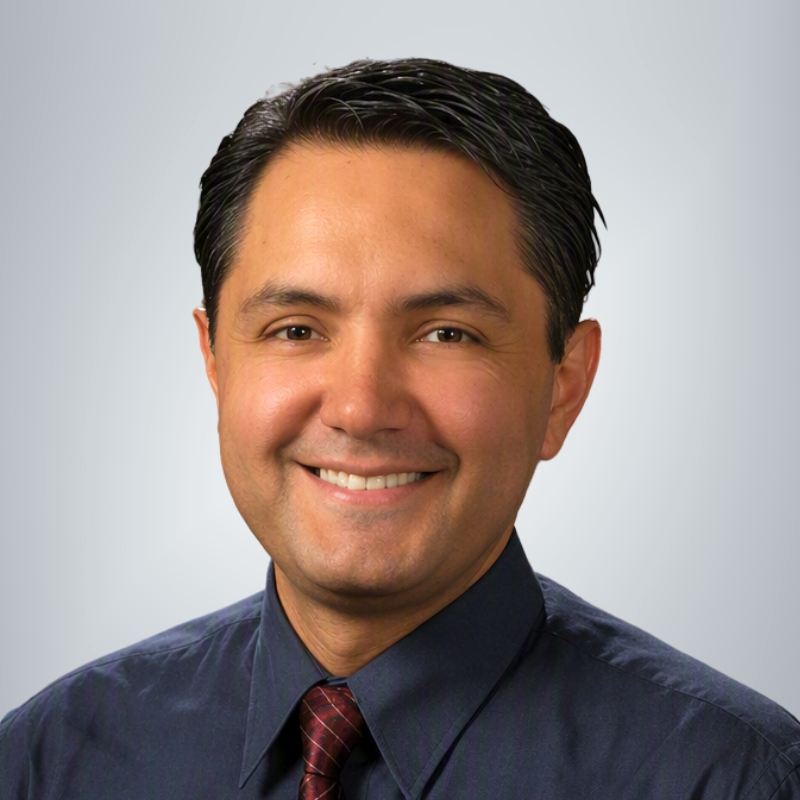
Julio Chirinos, M.D., Ph.D.
Professor of Medicine
Hospital of the University of Pennsylvania
Co-Director of the Training Program in Cardiovascular Biology and Medicine
Perelman School of Medicine
The David J. Mangelsdorf, Ph.D., Memorial Lecture
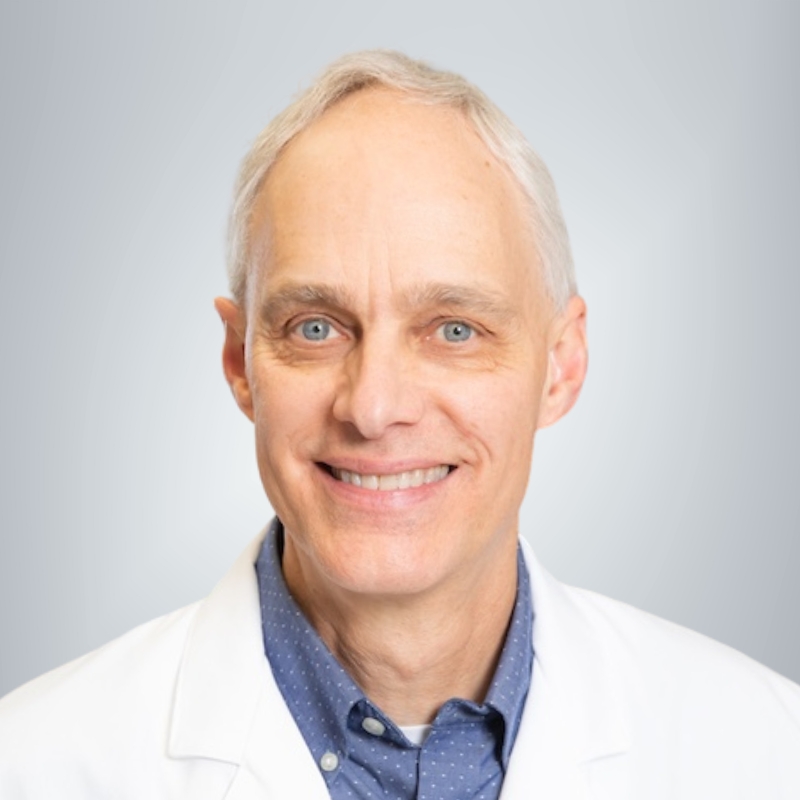
Honoring the legacy of Dr. David Mangelsdorf, a visionary scientist whose discoveries in nuclear receptor biology and endocrine regulation transformed research in metabolism, obesity, diabetes, and drug discovery.
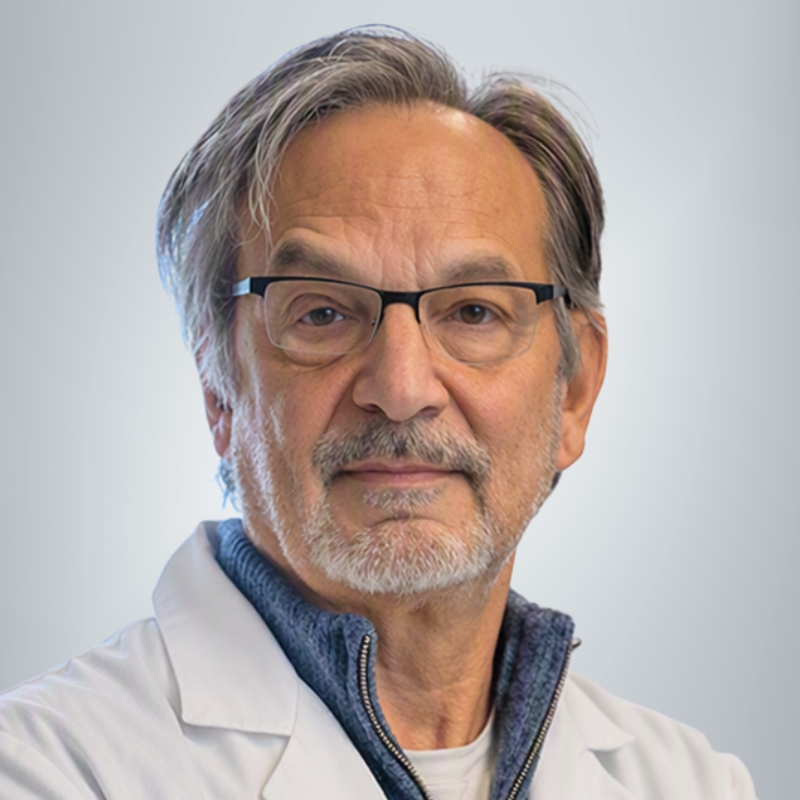
Bruce Spiegelman, Ph.D.
Higgins Professor of Cell Biology
Dana-Farber Cancer Institute
Harvard Medical School
The J. Denis McGarry, Ph.D, Memorial Lecture
Honoring the legacy of Dr. John Denis McGarry, whose groundbreaking discoveries that reshaped understanding of fatty-acid metabolism, ketogenesis, and diabetes pathophysiology.
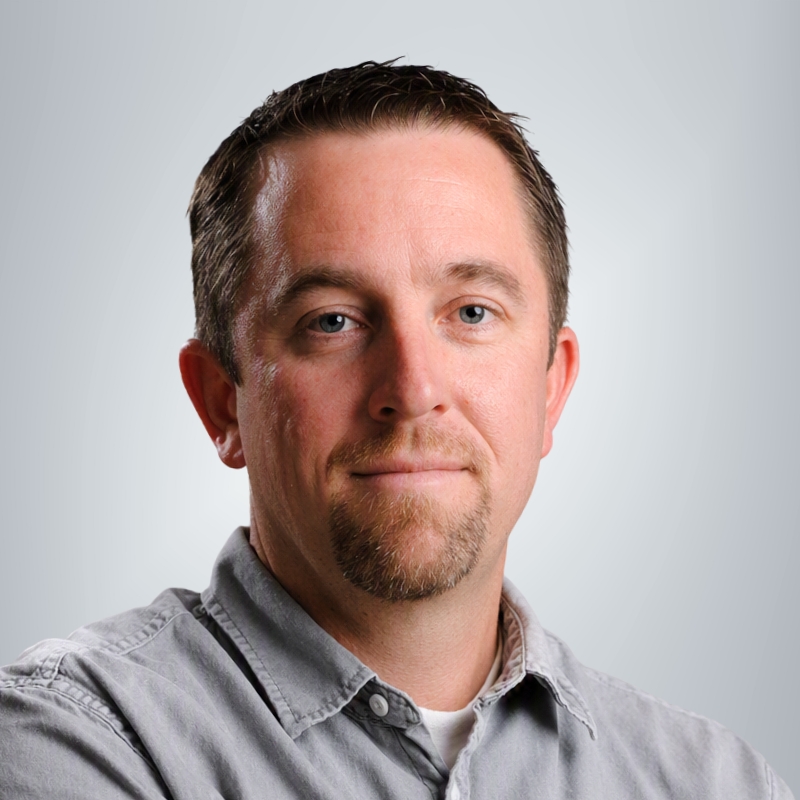
Jared Rutter, Ph.D.
Professor and Director
Center for Diabetes and Metabolic Diseases
University of Utah
The Roger H. Unger, M.D. Memorial Lecture
Honoring the legacy of Dr. Roger Unger, a pioneer in diabetes research whose work established foundational concepts in insulin, glucagon, and metabolic regulation.
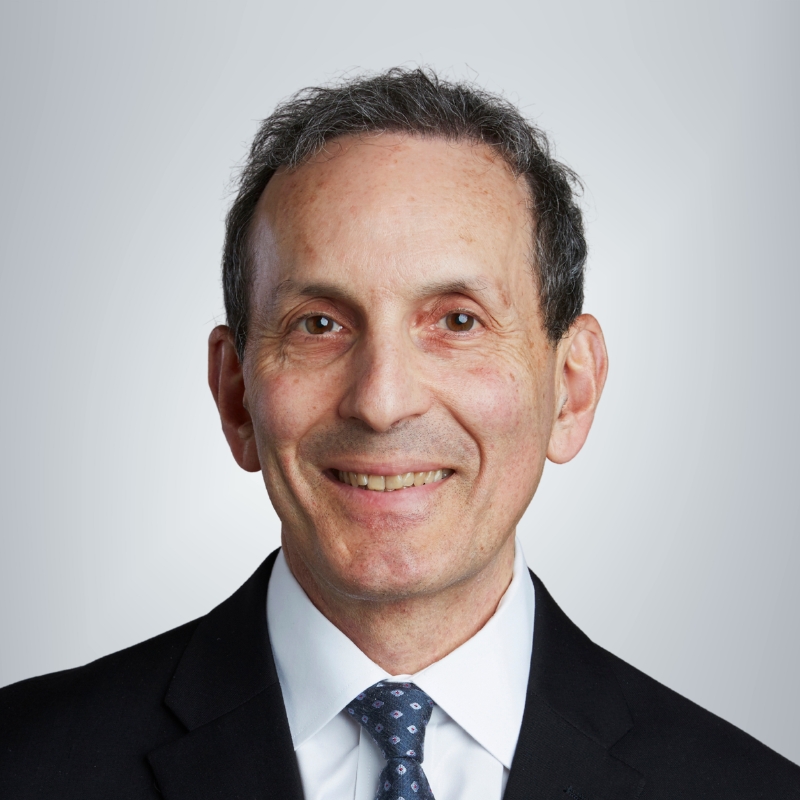
Daniel Drucker, M.D.
Professor of Medicine
University of Toronto
- Agenda
9:00-9:05 a.m.
Welcome
Jeffrey Zigman, M.D., Ph.D.
9:05-9:10 a.m.
Introduction of Dr. Chirinos
Jay Horton, M.D.
9:10-10:00 a.m.
The Scott M. Grundy, M.D., Ph.D., Memorial Lecture
Julio Chirinos, M.D., Ph.D.
10:00-10:05 a.m.
Introduction of Dr. Bruce Spiegelman
Steven Kliewer, Ph.D.
10:05-10:55 am
The David J. Mangelsdorf, Ph.D., Memorial Lecture
Bruce Spiegelman, Ph.D.
10:55-11:55 a.m.
Poster Session
11:55 a.m. -12:15 p.m.
Lunch
12:15-12:20 p.m.
Introduction of Dr. Jared Rutter
Jeffrey Zigman, M.D., Ph.D.
12:20-1:10 p.m.
The J. Denis McGarry, Ph.D., Memorial Lecture
Jared Rutter, Ph.D.
1:10-1:15 p.m.
Introduction of Dr. Daniel Drucker
Philipp Scherer, Ph.D.
1:15-2:05 p.m.
The Roger H. Unger, M.D., Memorial Lecture
Daniel Drucker, M.D.
2:05-2:10 p.m.
Announcement of Poster Winner
2:10-2:15 p.m.
Closing Remarks
The McGarry Symposium
The McGarry Symposium is named in honor of John Denis McGarry, Ph.D., who dedicated his 34-year career to diabetes research and made a series of groundbreaking contributions to our understanding of mammalian metabolism.
In 1968, he began working in the laboratory of Daniel W. Foster, M.D., who became UT Southwestern's third Chair of Internal Medicine.
Dr. McGarry's scientific career included discovering that the molecule maloynyl-CoA, an intermediate in de novo fatty acid synthesis, was also responsible for the regulation of hepatic fatty acid oxydation and ketogenesis, by virtue of its ability to inhibit the enzyme carnitine palmitoyltransferase. This mechanism for the reciprocal regulation of hepatic fatty acid synthesis and oxidation has since been shown to be the basis for regulation of fatty acid oxidation in all body tissues.
In the early 1980s, he demonstrated the importance of the "indirect" gluconeogenic pathway for the synthesis of hepatic glycogen.
Dr. McGarry's proposal that disordered metabolism of fatty acids, rather than that of glucose, may be the primary cause in the development of type 2 diabetes revolutionized thinking among diabetes researchers.
The next McGarry Symposium will be held in 2026.